
Wildfire Evacuation Order: Exactly What to Do in the First 60 Minutes
When a wildfire evacuation order is issued, every minute matters. Learn exactly what to do in the first 60 minutes, how evacuation orders differ from warnings, what to pack, and how to reduce ember risk before you leave. A clear, practical wildfire evacuation checklist for homeowners.
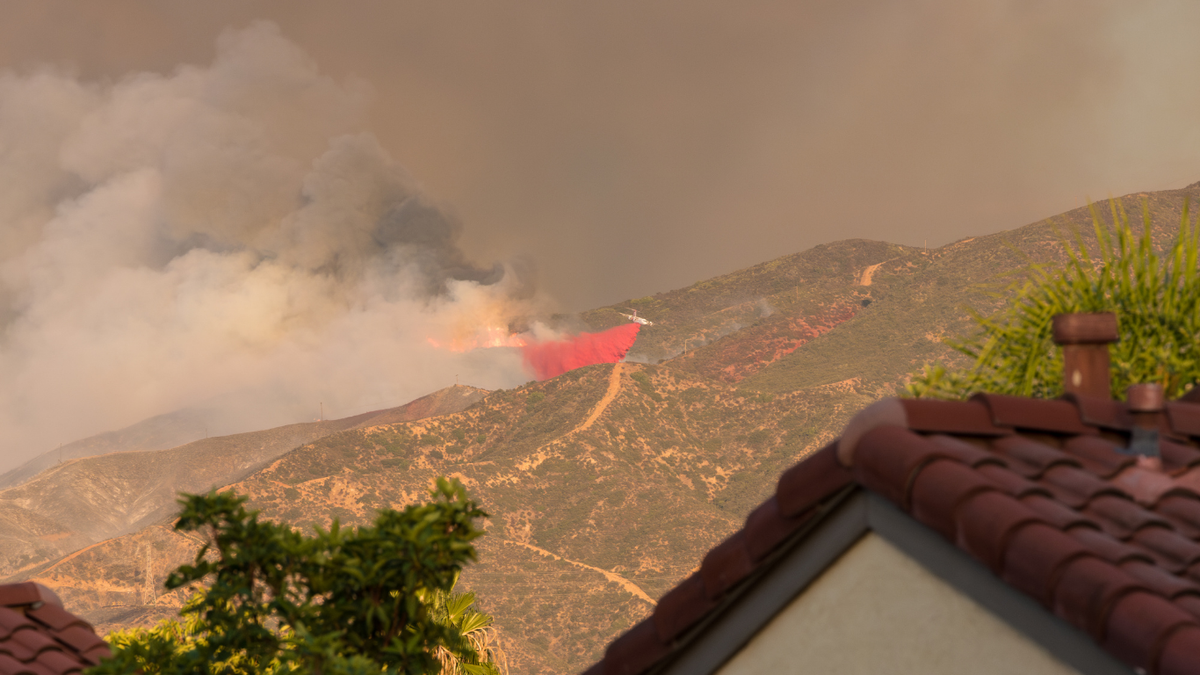
When a wildfire evacuation order is issued, most people lose valuable time in two predictable ways: they hesitate, or they scatter. They wait for visible flames because leaving feels premature, or they rush through the house grabbing random belongings without a plan. Neither response improves safety.
The first 60 minutes after a wildfire evacuation order are not about saving everything you own. They are about leaving deliberately, reducing preventable risk, and avoiding the cascade of problems that happen when entire neighborhoods try to exit at once. This guide explains exactly what to do, why each step matters, and how wildfire behavior shapes evacuation timelines.
FACING A NON-RENEWAL
OR RATE SPIKE?
Get a personalized home insurance quote from our partner Five Bays Insurance Agency to make sure you’re not paying more than you should.
Key Takeaways
- A wildfire evacuation order means leave immediately; waiting for visible flames often compresses your escape window.
- Most wildfire home losses are caused by embers, which can arrive well before the main fire front.
- Early departure significantly reduces traffic, collision, and entrapment risk.
- A brief, focused exterior prep can reduce ignition points, but life safety always comes first.
- Evacuation readiness is a separate and equally important layer of wildfire preparation alongside home hardening.
Why Evacuation Timing Is More Urgent Than It Feels
Wildfire spread is nonlinear. Under high wind conditions, fires burning in grass can move at speeds exceeding 10 miles per hour, while ember cast from timber or brush fires can travel half a mile to more than a mile ahead of the flame front. This means homes can begin igniting from wind-driven embers long before residents see flames on a nearby ridge. In addition, smoke density can reduce visibility below a quarter mile, traffic signals can fail during power shutoffs, and evacuation routes can become constrained by stalled vehicles or emergency equipment. Most civilian injuries during wildfire events occur not because people stayed too long to defend their homes, but because evacuation was delayed until conditions were already deteriorating.
It is also important to understand that most homes are not destroyed by direct flame contact. They ignite when embers enter vulnerable openings such as attic vents without 1/8-inch ember-resistant mesh, accumulate in debris-filled gutters, or land in combustible material within the 0–5 foot zone around the structure. Evacuating early does not mean abandoning your home; it means you have already addressed structural vulnerabilities before fire season and are now prioritizing life safety.
Preparation must be layered. Home hardening reduces the probability of ignition. Defensible space reduces fire intensity near the structure. Evacuation planning reduces the risk to human life. One layer does not replace the others.
Step 1: Confirm the Order and Commit to Leaving
As soon as you receive a wildfire evacuation order, confirm it through official county alerts, your local sheriff, or fire authority channels rather than relying on social media posts. Once confirmed, commit to leaving without delay. Waiting for visual confirmation of flames, waiting to see what neighbors do, or assuming the order may be downgraded wastes the safest departure window.
Send a single text message to a designated out-of-area contact stating your location, your destination, and that you are safe. This reduces inbound calls, keeps communication organized, and preserves cellular bandwidth, which is often strained during large-scale evacuations.
If you have only received an evacuation warning, use that time to complete packing, stage vehicles facing outward, and monitor official updates closely. A warning should be treated as your final preparation window, not as reassurance that nothing will happen.
Step 2: Load Essentials in a Controlled Sequence
If you live in a wildfire-prone area, essential items should already be staged during peak fire season. The purpose of this phase is execution, not decision-making.
First, prioritize people and medical needs. Gather go-bags for each household member, prescription medications sufficient for at least several days, glasses, hearing aids, mobility devices, and N95 masks to reduce particulate exposure during smoky conditions. Smoke inhalation impairs judgment and physical capacity faster than most people expect, and even short exposure during evacuation can be significant.
Second, secure pets. Place animals in carriers or on leashes immediately. Load food for several days and ensure vaccination records are accessible digitally. Evacuation shelters and hotels may require proof of vaccinations, and scrambling for paperwork under stress is avoidable with prior preparation.
Third, collect critical documents if they are not already digitized. This includes identification, insurance policies, and documentation of home inventory. Ideally, these exist in secure cloud storage or on a portable encrypted drive that is already part of your go-bag system.
Finally, load basic essentials such as phone chargers, water, layered clothing, and cash. Power outages often disable ATMs and card systems during large fire events.
Avoid opening drawers to sort keepsakes or beginning new scanning projects. If it was not prepared before the evacuation order, it does not become a priority now.
Step 3: Conduct a Focused Exterior Ember Reduction Pass
If conditions are not immediately life-threatening and you have additional minutes, conduct a brief exterior preparation focused specifically on ember exposure. The objective is not to fireproof your property but to reduce easily ignitable material.
Move flammable patio furniture, cushions, and doormats inside. Remove combustible items from within the 0–5 foot zone around the home, including mulch bags, cardboard boxes, and stacked firewood. Close all windows and doors tightly, including the garage door. Shut off propane at the tank if accessible and safe to do so. Close manual attic or crawlspace vents if your home has them. Turn exterior lights on to improve visibility for firefighters operating in smoke.
Do not climb onto the roof in windy conditions, do not attempt last-minute vegetation clearing with power tools, and do not rely on sprinklers to protect the structure. Water systems often lose pressure during major incidents, and surface wetting does little to prevent ember intrusion into vulnerable openings.
This step should take no more than 10 to 15 minutes. If fire behavior or smoke intensity makes exterior work unsafe, leave immediately.
Step 4: Secure the Interior to Slow Ember Spread
Inside the home, turn off HVAC systems to reduce the potential for drawing smoke or embers into ductwork. Close fireplace dampers. Close all interior doors, which can slow fire progression room to room if embers enter. Move flammable curtains away from windows. Leave interior and exterior lights on to improve visibility through smoke.
Utility shutoffs should only be performed if you already know how and if local authorities recommend it. Attempting to locate and operate gas or electrical shutoffs for the first time during an evacuation adds unnecessary delay and risk.
Adjusting for Time Constraints
If you have only 10 to 15 minutes, focus exclusively on people, pets, medications, and closing windows and doors. Life safety overrides all property protection measures.
If you have one to two hours due to early evacuation warnings, use that time strategically rather than emotionally. Photograph interior rooms quickly for insurance documentation. Back vehicles into the driveway facing outward. Move combustible items farther from the structure. Confirm that gutters and roof edges are clear if this can be done safely from the ground or a stable ladder in calm conditions. Additional time should improve sequencing, not expand the scope into ambitious last-minute projects.
Special Risk Factors That Should Push You to Leave Earlier
Certain conditions warrant even earlier evacuation. Neighborhoods with a single access road are especially vulnerable to gridlock. Rural homes dependent on electrically powered well pumps will lose water if power fails. Suburban neighborhoods with closely spaced homes face structure-to-structure ignition risk once one building ignites. High wind forecasts significantly increase ember travel distance and rate of spread.
If any of these conditions apply, leaving early is not overcautious; it is rational risk management.
Common Misconceptions About Wildfire Evacuations
Many residents believe they will wait until they see flames before leaving. In reality, by the time flames are visible from your street, evacuation routes may already be compromised. Others assume that because they have hardened their home, they can remain to defend it. While home hardening reduces ignition probability, it does not protect against smoke inhalation, radiant heat exposure, or rapid wind shifts that can trap vehicles. Some rely heavily on insurance as a backstop, but insurance addresses financial recovery, not physical safety, and rebuilding costs frequently exceed expectations.
Firefighters prioritize suppression and life safety. They cannot reliably perform door-to-door notifications in fast-moving incidents.
The Preparation That Makes the First Hour Manageable
The first 60 minutes after an evacuation order are manageable only if groundwork has already been done. That groundwork includes installing 1/8-inch ember-resistant vent mesh, maintaining a noncombustible 0–5 foot zone, clearing gutters regularly, keeping fuel tanks at least half full during peak fire season, pre-packing go-bags, establishing multiple evacuation routes, and agreeing on a family communication plan.
Evacuation is not a standalone event. It is the stress test of your wildfire preparation system.
If You Do One Thing This Week
Create a written wildfire evacuation checklist and store it in a visible location near your primary exit. A physical checklist reduces cognitive load when adrenaline is elevated and decision-making narrows. Then stage your go-bags where they can be loaded in minutes, not searched for in closets.
Wildfire risk cannot be eliminated. However, the difference between chaos and control during an evacuation is almost always determined before the order is given. Preparation does not guarantee outcomes, but it meaningfully reduces avoidable risk—and in wildfire conditions, reducing avoidable risk is the most practical form of control available.
A Note on Local Conditions
Wildfire behavior, evacuation protocols, and emergency response policies vary by state and county. Always follow instructions from your local fire authority, sheriff, or emergency management agency. This guide is designed to help you prepare and act more clearly under stress, but real-time conditions and official directives should guide your final decisions.
Related Articles
- The Ultimate Emergency Kit List for Your Car
- The Only Emergency Kit Checklist PDF You Need
- The Essential Go Bag for Family Checklist
FACING A NON-RENEWAL
OR RATE SPIKE?
Get a personalized home insurance quote from our partner Five Bays Insurance Agency to make sure you’re not paying more than you should.
Frequently Asked Questions
How much time do you usually have after a wildfire evacuation order It varies widely. In some incidents, residents may have several hours to leave. In wind-driven fires, especially in grass or light fuels, evacuation windows can compress dramatically. Embers can begin landing in neighborhoods well before the main fire front is visible. The safest assumption is that you have less time than you hope, not more.
What is the difference between a wildfire evacuation warning and an evacuation order? An evacuation warning means conditions are changing and you should prepare to leave immediately. Finish packing, stage vehicles, monitor official updates, and assume an order could follow.
An evacuation order means leave now. Do not wait for flames, smoke density changes, or neighbor confirmation. Orders are issued when risk to life is increasing or routes may soon become compromised.
Should I leave as soon as there’s an evacuation warning? In many cases, yes — especially if you live in a one-road-in neighborhood, have mobility limitations, large animals, or young children. Leaving during a warning often means clearer roads and less stress. Staying through a warning should only be a deliberate choice based on preparation and close monitoring of official updates.
What should I pack for a wildfire evacuation? At minimum: medications, medical devices, IDs, insurance information, phone chargers, water, clothing layers, and essential pet supplies. Ideally, each household member has a pre-packed go-bag staged during peak fire season. Important documents should already be digitized and stored securely in the cloud or on a portable drive.
Should I turn off utilities before evacuating? Only if you know how to do so safely and local authorities recommend it. Turning off propane at the tank is often advised if time allows. Gas and electrical shutoffs should not be attempted for the first time during an active evacuation. Preparation before fire season is the appropriate time to learn utility controls.
Do sprinklers help protect my house if I leave them running? In most large wildfire events, sprinklers provide limited protection. Water pressure may drop or fail entirely, and sprinklers do not prevent ember intrusion into vents, eaves, or other vulnerable openings. Ember-resistant construction and a maintained 0–5 foot noncombustible zone are far more reliable mitigation measures.
Is it safe to stay and defend my home during a wildfire? In most U.S. wildfire incidents, civilians are advised to evacuate rather than defend. Wind shifts, radiant heat, and smoke exposure can rapidly create life-threatening conditions. Even well-hardened homes can ignite from ember accumulation hours after the main fire front passes. Evacuation prioritizes life safety; structural protection should be addressed long before an incident begins.
What if I’m not home when an evacuation order is issued? Have a plan in place before fire season. Share contact information with a trusted neighbor. Store digital copies of important documents in secure cloud storage. Maintain adequate insurance coverage and an updated home inventory. You may not be able to access your property once an order is in place.
How do wildfire evacuations affect renters? Renters should follow evacuation orders immediately and document personal belongings when safe to do so. Renter’s insurance may cover temporary housing and replacement of personal property, depending on the policy. Landlords are typically responsible for the structure; tenants are responsible for their contents.
How early is “too early” to evacuate? Leaving early is rarely a mistake during fast-moving wildfire events. Early evacuation reduces congestion, lowers crash risk, and allows emergency vehicles better access. Returning later is often possible once conditions stabilize. Waiting until routes are crowded or visibility is compromised creates preventable risk.
What role does home hardening play if I still have to evacuate? Home hardening reduces the likelihood that your structure will ignite from embers while you are gone. Measures such as 1/8-inch ember-resistant vent mesh, enclosed eaves, Class A roofing, and a noncombustible 0–5 foot zone meaningfully reduce ignition risk. Evacuation and home hardening are separate but complementary layers of wildfire preparedness.