
The Essential Go Bag for Family Checklist
Prepare a go bag for family emergencies with this practical checklist. Get tips on what to pack, how to customize kits, and keep your loved ones ready.
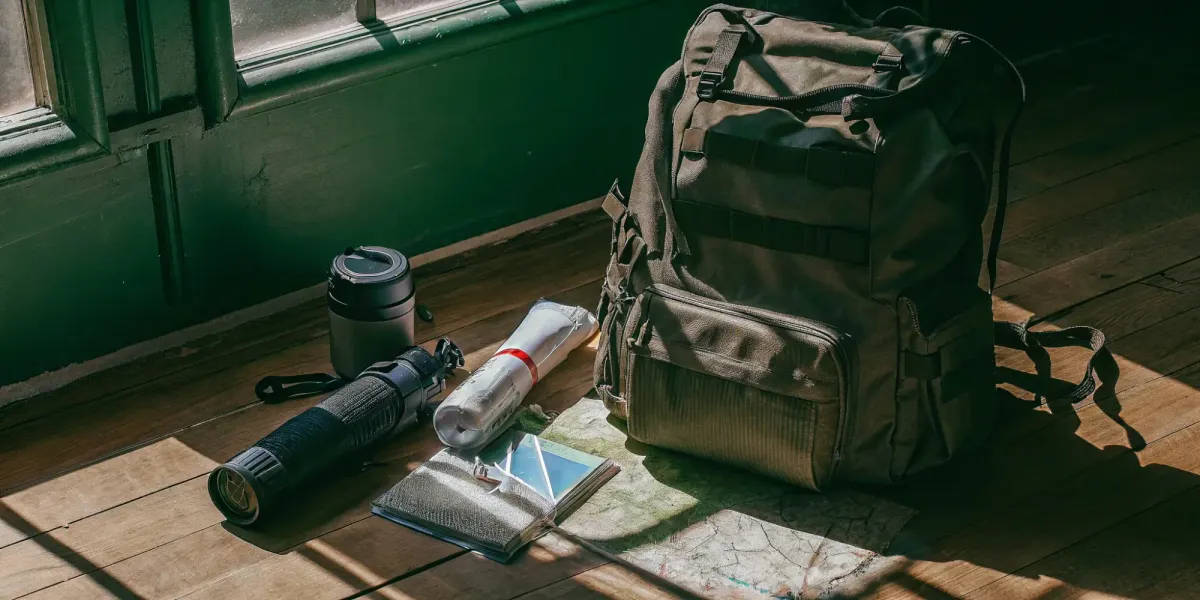
Living in a wildfire-prone area can feel overwhelming. Between rising insurance costs and the constant threat of evacuation, it's easy to feel like you've lost control. But there are powerful, practical steps you can take to protect your family and reclaim a sense of security. One of the most important is preparing for the moment you might have to leave your home. Assembling a dedicated go bag for family members is a tangible action that puts you back in the driver's seat. It’s your personal safety net, packed with the essentials you’ll need for the first 72 hours, ensuring you’re ready to act decisively when it matters most.
Pay Less for Home Insurance
and Avoid Non-Renewal?
Our partner, Five Bays Insurance Agency, offers a free policy checkup that spots hidden discounts to make sure you’re not paying more than you should.
Key Takeaways
- Focus on the Four Core Survival Categories: Ensure each Go Bag contains enough food, water, first aid supplies, and communication tools to keep your family self-sufficient for at least three days.
- Personalize Each Kit for Real-Life Needs: A generic kit isn't enough. Account for the specific needs of children, older adults, and pets by packing necessary medications, comfort items, and copies of important documents.
- Treat Your Go Bag as a Living Kit: A Go Bag is useless if it's out of date or you can't find it. Store your bags in an accessible spot, set a six-month calendar reminder to update supplies, and make sure it’s a component of your larger family evacuation plan.
What is a Go Bag and Why Does Your Family Need One?
A Go Bag is a pre-packed, portable kit containing everything your family needs to survive for several days if you have to evacuate your home. Think of it as your emergency lifeline. When a wildfire or other disaster strikes, you may get an evacuation order with only minutes to react. In that stressful moment, you won’t have time to search for flashlights, gather medications, or pack clothes. Having a Go Bag ready for each family member ensures you can leave immediately, knowing you have the essentials covered.
A personal Go Bag should contain critical supplies to last for at least 72 hours. This isn't just about convenience; it's a fundamental part of a solid emergency plan. It removes the guesswork and panic from a high-stakes situation, allowing you to focus on what matters most: getting your family to safety. Preparing these bags ahead of time is one of the most important steps you can take to protect your loved ones.
The 72-Hour Rule: Your Window for Evacuation
The "72-hour rule" is a core concept in emergency preparedness. In the immediate aftermath of a major disaster like a wildfire, emergency services can be overwhelmed. Roads may be blocked, and communication lines might be down. It could take up to three days for help and resources to reach you.
During this critical window, your family needs to be self-sufficient. The federal resource Ready.gov advises that being prepared means having your own food, water, and other supplies to last for several days until relief arrives. Your Go Bags are designed to bridge this gap, providing the sustenance, first aid, and shelter you need to stay safe and comfortable while you await further instructions or assistance.
When You Have Only Minutes to Leave
An evacuation order means you need to leave now. There is no time to debate what to bring. This is why your Go Bags must be packed and stored where you can grab them instantly. Keep them in a designated, easy-to-access spot in your home, like a front hall closet or garage. It's also smart to keep a version of your kit in your car and even a smaller one at your workplace.
It’s also vital to remember that a one-size-fits-all approach doesn’t work. Every family is different, and your Go Bags should reflect that. As you build a kit, think about your family’s specific circumstances. Do you have an infant who needs formula and diapers? An older parent who relies on specific medications? Don't forget your pets—they need their own Go Bags with food, water, and medicine, too.
Your Family Go Bag Checklist: The Essentials
When an evacuation order comes, you won’t have time to think. Having the core essentials packed and ready is the single most important step you can take. While every family’s bag will look a little different, these four categories are non-negotiable. Think of this as the foundation of your family’s safety net—the items that will sustain you during the critical first 72 hours after leaving your home. Start with these basics, and you’ll be in a strong position to handle whatever comes next.
Food and Water
Staying hydrated and nourished is your top priority in any emergency. Your kit needs to have enough supplies to last each person for several days. Federal guidelines recommend packing one gallon of water per person, per day, for both drinking and basic sanitation. For food, focus on non-perishable items that don’t require cooking, like protein bars, dried fruit, and nuts. These are lightweight, high in energy, and easy to eat on the go. Remember to pack extra for kids, who may need more frequent snacks. A manual can opener is also a must-have if you pack any canned goods.
Shelter and Warmth
You may be forced to evacuate in the middle of the night or in poor weather, and you can’t assume you’ll find immediate shelter. Protection from the elements is critical for staying safe and healthy. Every go bag should contain an emergency Mylar blanket, which is incredibly lightweight but highly effective at trapping body heat. To supplement this, emergency preparedness experts suggest including a few disposable body warmers and a lightweight poncho for each family member. These items can protect you from hypothermia and keep you dry, which is crucial for maintaining your core body temperature and morale.
First Aid and Safety Gear
Minor injuries can become serious without proper care, especially when emergency services are overwhelmed. A well-stocked first aid kit is essential for treating cuts, scrapes, and burns. Beyond a standard kit, include pain relievers, several pairs of medical gloves, and any personal medications needed for a 3-7 day period. It’s also wise to have copies of your prescriptions. For wildfire-specific threats, add N95 respirator masks to protect your lungs from smoke and ash, along with a pair of sturdy work gloves to protect your hands from hot or sharp debris.
Light and Communication Tools
During a wildfire or other disaster, power outages are common, leaving you in the dark and cut off from critical updates. Your go bag must have an independent source of light and information. Pack a reliable flashlight—LED models are bright and have a long battery life—and include extra batteries. Even better, consider a hand-crank radio that also has a built-in flashlight and a USB port to charge a cell phone. This single tool ensures you can receive emergency alerts from authorities without relying on electricity or a cellular network, keeping you informed and aware of the situation as it develops.
Packing for Kids: What to Add to Their Go Bags
When you’re preparing to evacuate, your children’s needs are top of mind. Packing a go bag for a child isn’t just about grabbing smaller versions of adult supplies; it’s about providing a sense of safety, normalcy, and comfort during a chaotic time. Their physical requirements are different, and their emotional needs are even more so. A thoughtfully packed bag can make a world of difference, helping to calm fears and keep them occupied while you manage the logistics of the situation.
Remember that in an emergency, your child will look to you for cues on how to react. Having their specific needs met with a dedicated kit shows them they are cared for and that there is a plan. This section breaks down what to pack based on age, from the absolute necessities for infants to items that can empower older children and provide emotional support for everyone.
For Infants and Toddlers
For the youngest members of your family, think of their go bag as a supercharged diaper bag. You’ll want to pack everything your baby or toddler would need for at least 72 hours. This includes diapers (pack more than you think you’ll need), a large supply of wipes, and diaper rash cream. If you use formula, pack ready-to-feed bottles or powdered formula and bottled water. For toddlers, include non-perishable food pouches, snacks, and sippy cups. Don’t forget a couple of changes of clothes, pacifiers, a portable changing pad, and any necessary medications. The goal is to have all their essentials in one place so you don't have to search for anything under pressure.
For School-Aged Children
Older children can, and should, be part of the planning process. Involving your child in assembling their own go bag can give them a sense of control and help them understand the situation without unnecessary fear. Explain the purpose of each item as you pack it together. Give them a small, lightweight backpack they can carry themselves. Inside, include a water bottle, high-energy snacks they like, a change of clothes, and a toothbrush. You can also add a small activity kit with crayons, paper, a book, or a card game. This not only keeps them occupied but also helps children cope with emergencies by giving them a job to do.
The Importance of Comfort Items
Never underestimate the power of a favorite stuffed animal or a well-loved blanket. During an evacuation, children are leaving behind everything that is familiar. Having a tangible piece of home can significantly ease their anxiety and provide emotional stability. These items are not luxuries; they are essential tools for a child’s mental well-being. As one parent noted after an evacuation, "If your kids don’t have their favorite stuff, the tears start every time they think of something and it’s so sad." Pack a special toy, a family photo, or even something simple and fun like a glow stick. These small comforts can make a frightening experience feel a little more manageable for them.
How to Adapt Go Bags for Unique Family Needs
A one-size-fits-all Go Bag doesn't exist because no two families are the same. Your emergency kit should reflect the specific needs of every person—and pet—in your household. Taking the time to customize your bags now means you won’t be scrambling to find critical items when every second counts. Think about daily routines and what each family member truly can't go without for 72 hours. Your personalized Wildfire Action Plan can help you track these items so nothing gets missed, turning a generic checklist into a genuine lifeline.
For Older Adults
When packing for older adults, consider their unique health and mobility needs. Many seniors rely on medical equipment that requires electricity, so a power outage during an evacuation can be dangerous. Pack backup batteries or a small, portable power source for essential devices like CPAP machines or oxygen concentrators. Include a detailed list of all medications, dosages, and doctor contact information. Also, pack spare eyeglasses, hearing aids with extra batteries, and any mobility aids that are easy to transport. These thoughtful additions can provide critical support and comfort during a stressful time.
What About Your Pets?
Your pets are part of the family, and they need their own Go Bags. An evacuation is terrifying for animals, and having their essentials ready can keep them safe and reduce their stress. Pack at least a three-day supply of their pet food and extra water, along with collapsible bowls. Include a sturdy leash, harness, and a pet carrier labeled with your contact information. Don't forget any necessary medications, a copy of their vaccination records, and a current photo of your pet in case you get separated. A favorite toy or blanket can also provide a sense of comfort and familiarity.
Prescriptions and Medical Supplies
During an emergency, finding an open pharmacy is not guaranteed. Since about half of all Americans take daily prescription medicine, packing a supply is non-negotiable. Your Go Bag should contain at least a 3- to 7-day supply of all essential medications for every family member. Keep them in their original containers if possible, and include copies of the prescriptions. Beyond prescriptions, remember to pack extra contact lenses and solution, spare eyeglasses, and any other vital medical supplies like insulin, inhalers, or EpiPens. Having these items on hand ensures health needs are met while you focus on getting to safety.
Don't Forget These Important Documents
While food and water will get you through the first few days of an evacuation, having your essential documents will help you rebuild your life afterward. In the chaos of leaving your home, paperwork is easy to forget, but it’s one of the most critical components for recovery. Gathering these items ahead of time ensures you have the proof of identity, ownership, and coverage you’ll need to file insurance claims, apply for assistance, and get your family back on its feet.
IDs, Insurance, and Financial Records
When you evacuate, you’re not just taking items—you’re taking the proof of your identity and assets. Think about everything you would need to start over from scratch. This includes copies of driver’s licenses, passports, birth certificates, and social security cards. Your home and auto insurance policies are just as critical; include the policy numbers and your agent’s contact information. Also, gather key financial records like bank account details, credit card numbers (front and back), and copies of deeds or vehicle titles. Having digital copies of these documents stored securely can make a world of difference when you need to file a claim or access funds.
Emergency Contacts and Your Family Plan
In an emergency, cell service can be unreliable. Don’t depend on your phone’s contact list alone. Keep a printed list of important phone numbers and email addresses in your go bag. This should include family members, your out-of-state emergency contact, doctors, schools, and workplaces. This list is a key part of your family’s communication strategy. Everyone should know who to call and where to meet if you get separated. A comprehensive wildfire action plan helps you organize all of this information in one place, so you’re not scrambling for a phone number during a stressful evacuation.
Digital Backups and Waterproof Storage
Physical copies are great, but they can be lost or damaged. Your best strategy is to have multiple backups. Scan or take photos of all your important papers and save them to a secure cloud service or an encrypted USB drive that you keep in your go bag. For the physical documents you do carry, protect them from the elements. A simple fireproof and waterproof document pouch is an inexpensive investment that can safeguard your most vital information. This ensures that whether you’re dealing with fire or subsequent water damage from firefighting efforts, your papers remain intact and usable.
Where to Store Your Go Bags for a Quick Escape
A well-packed Go Bag is only effective if you can grab it in a hurry. When an evacuation order is issued, every second counts. Choosing a strategic, consistent storage spot is a critical part of your family’s emergency plan. You don’t want to waste precious minutes searching for your supplies when you need to be getting on the road.
The goal is to make leaving as simple as possible. Identify locations along your primary escape route and make sure every family member knows where the bags are kept. This simple step can make a huge difference in a high-stress situation, ensuring a faster, safer departure.
The Best Spots in Your Home
The ideal location for your family’s main Go Bag is a designated, accessible spot that everyone knows. Think about your most likely exit. A hall closet near the front door, the garage right next to the car, or even under your bed are all excellent choices. The key is consistency—always return the bag to its spot. To keep things organized, pack your supplies in one or two easy-to-carry containers, like a duffel bag or a sturdy backpack. During a stressful evacuation, you don’t want to be searching multiple rooms. Make it a simple, one-step process: grab the bag and go.
In Your Car and at Work
Wildfire evacuation orders don’t always arrive when you’re safely at home. What if you’re at the office or running errands? That’s why it’s smart to have smaller emergency kits in your car and at your workplace. Your car kit should have enough supplies to last at least 24 hours, including water, non-perishable food, a first-aid kit, and comfortable walking shoes. A similar, smaller kit can be stored under your desk at work. Having these satellite kits ensures you’re prepared no matter where you are when an alert is issued. It provides peace of mind, knowing you have essential supplies within reach even if you can’t get back to your house.
Common Go Bag Hurdles (And How to Clear Them)
Building a go bag seems straightforward, but common hurdles can stop you in your tracks. What if you’re separated? How do you pack for a baby and a grandparent? How much is too much? These are frequent questions with practical solutions. Let’s walk through the most common challenges to ensure your family is truly ready for a quick departure.
Packing for Different Ages and Needs
A single checklist rarely covers everyone. An infant needs diapers and formula, while an older adult might require prescription refills and hearing aid batteries. For school-aged children, consider adding a favorite book, a small game, or a special comfort item to help ease their anxiety during a stressful time. The key is to think through each person’s daily routine and specific medical needs. Customizing each kit is the best way to ensure no one’s critical items are forgotten when you assemble a go bag for every member of the household.
What If You're Separated?
An evacuation order can come when your family is scattered—at work, school, or running errands. Don’t assume you’ll all be home when it’s time to leave. This is why your family emergency plan is just as important as your go bag. Designate two meeting spots: one just outside your neighborhood and another farther away in case the immediate area is inaccessible. Make sure everyone, including older children, has a list of emergency contacts saved in their phone and a physical copy tucked into their personal bag.
Keeping it Light and Practical
It’s tempting to pack for every scenario, but a go bag you can’t carry is useless. Remember, the goal is to have supplies for 72 hours. Focus on multi-purpose items and travel-sized toiletries to save space and weight. One of the most common bug out bag mistakes is packing too much gear. Also, choose a sturdy, nondescript backpack. A bag that looks like it’s full of valuable supplies can make you a target. Practicality and mobility are your top priorities.
How to Get Your Kids Involved
Talking about emergencies can be frightening for kids, but involving them in the preparation can give them a sense of control. Let them help you build an emergency go bag by picking out their own snacks, a comfort toy, or a book. You can make it a game, like a "preparedness scavenger hunt." When you explain what each item is for in a calm, matter-of-fact way, you demystify the process and empower them with knowledge instead of fear. This simple step makes a huge difference in how they cope during a real event.
Avoid These Common Go Bag Mistakes
Putting together a Go Bag is a huge step toward protecting your family. But once it’s packed, it’s easy to set it aside and assume the job is done. Unfortunately, a few common missteps can make your bag less effective—or even a liability—when an evacuation order comes. The good news is that these hurdles are easy to clear once you know what to look for. Thinking through these points now ensures that when you grab your bag, you can be confident it has exactly what you need.
The "One-Size-Fits-All" Myth
It’s tempting to buy a pre-made emergency kit online and call it a day, but this approach rarely works. Every family has unique needs, and a Go Bag should be tailored to those specific requirements. A generic kit won’t include the prescription medications your parent needs, the formula for your infant, or the right-sized diapers. Think of a pre-made kit as a starting point, not a final solution. The most effective Go Bag is one you’ve customized yourself. Take the time to walk through a personalized kit checklist and add the specific items your family members rely on every day.
Overpacking vs. Smart Packing
When you’re thinking about emergencies, it’s natural to want to pack everything you can. However, many people make the mistake of overpacking their Go Bags, which can lead to unnecessary weight and difficulty in carrying. If you have to evacuate on foot, a 50-pound backpack will slow you down. The goal is smart packing, not maximum packing. Focus on lightweight, multi-use items. For example, instead of packing gallons of water, include a portable water filter. Pack layers of clothing instead of one bulky coat. Your Go Bag should contain what’s essential for 72 hours, not what’s comfortable for a week.
Why a Bag Isn't a Complete Plan
Packing a Go Bag can create a false sense of security, tricking people into thinking they have done enough. A Go Bag is a critical tool, but it is not a complete plan. It’s what you grab on your way out the door, but it doesn’t tell you which way to go, where you’ll meet up with family, or how you’ll communicate if cell service is down. Your bag is part of a much larger strategy for safety. A comprehensive Wildfire Action Plan outlines your evacuation routes, designates meeting spots, and gives you a clear set of steps to follow, turning chaos into an orderly response.
Forgetting to Update Your Kits
An emergency kit is a living document, not a time capsule. The items inside have a shelf life, and your family’s needs are constantly changing. Make sure to replace items yearly: perishable items like water, food, medicines, and batteries should be updated regularly to ensure they remain effective. Set a reminder on your phone or calendar to review your Go Bags every six months. Check expiration dates, swap out clothes that your kids have outgrown, update your printed documents, and test any battery-powered devices. This simple habit ensures your bag is always ready to go when you are.
Keep Your Go Bags Ready: An Update Schedule
A go bag isn't a time capsule you bury and forget. Think of it as a living kit that needs to adapt right along with your family. Packing it once is a great start, but regular maintenance is what keeps it effective when you need it most. This isn't another overwhelming chore; it's a simple, proactive step to protect your family. Setting a recurring calendar reminder—maybe twice a year when you change your clocks—makes it a manageable habit. A well-maintained go bag means that in a crisis, you can grab it with confidence, knowing everything inside is current, useful, and ready to go.
Your Seasonal Check-In
Setting aside time for a seasonal check-in is the best way to keep your go bags reliable. At least once a year, or ideally every six months, unpack everything. Pick a memorable date, like the start of fire season or a holiday weekend, and put it on your calendar. Does the flashlight still work? Do the granola bars expire next month? This is also your chance to swap out seasonal clothing, like replacing a heavy winter coat with a lighter jacket and sunblock for summer. A thorough review ensures your supplies are ready for the current season’s potential challenges.
When Life Changes, Update Your Bag
Your family isn’t static, and your go bags shouldn’t be either. Major life events are critical triggers for immediate updates. If you’ve welcomed a new baby, you’ll need to add diapers, formula, and other infant supplies. Did you adopt a pet? Their food, leash, and medication need a spot. If an older parent has moved in, their specific medical equipment and prescriptions are now a priority. Your go bag should always be a snapshot of your family’s current needs, which is a key part of a complete wildfire action plan.
Checking Expiration Dates and Sizes
Many essential items in your go bag have a shelf life. During your regular check-in, make it a point to inspect expiration dates on all food, water, medications, and batteries. It’s best to build a personal go bag with long-lasting items, but even those expire eventually. Rotate out anything nearing its date and replace it with fresh supplies. This is also the perfect time to check clothing sizes. Kids grow fast, and a jacket or pair of shoes that fit last year might be too small now. Making sure everyone has properly fitting clothes is a small detail that makes a huge difference.
Related Articles
- What to Put in a Wildfire Go Bag: The Ultimate Guide
- How to Pack for a Wildfire Evacuation: A 5-Minute Guide
- NorCal Wildfire Go Bag Services: The Ultimate Guide
Pay Less for Home Insurance
and Avoid Non-Renewal?
Our partner, Five Bays Insurance Agency, offers a free policy checkup that spots hidden discounts to make sure you’re not paying more than you should.
Frequently Asked Questions
How heavy should my Go Bag be? I'm worried I'll pack too much. This is a great question because a bag you can't carry is of no use. A good rule of thumb is to make sure each adult's bag is a weight they can comfortably carry for at least a mile. Focus on essentials for 72 hours, not long-term comfort. Choose lightweight, multi-use items like a hand-crank radio that also charges your phone, or a water filter instead of gallons of water. The goal is mobility, so prioritize what you truly need to stay safe, fed, and warm for three days.
Is it okay to just buy a pre-made emergency kit? A pre-made kit can be a good starting point, but it should never be your final solution. These kits lack the personal items your family truly depends on, like specific prescription medications, infant formula, spare eyeglasses, or pet supplies. Think of a store-bought kit as the foundation, then customize it by adding the unique items each member of your family needs to be safe and healthy.
My kids are scared of the idea of an evacuation. How can I involve them without frightening them? Involving your children in the process can give them a sense of control and make the situation feel less scary. Frame it as a family project, like preparing for a camping trip. Let them choose their own snacks or a special comfort toy for their bag. You can even make a game out of checking the flashlight batteries. By explaining the purpose of each item calmly, you empower them with knowledge and show them that your family has a plan to stay safe.
Besides my home, where else should I keep emergency supplies? An evacuation order can come at any time, whether you're at home, at work, or in your car. It's smart to keep a smaller version of your Go Bag in the trunk of your car with basics like water, food, a first-aid kit, and comfortable shoes. A simple kit at your workplace with a 24-hour supply of essentials is also a good idea. This ensures you are prepared no matter where you are when you need to act.
Once my Go Bag is packed, am I fully prepared for a wildfire evacuation? Packing your Go Bag is a huge and essential step, but it's only one piece of the puzzle. A bag is a tool, not a complete strategy. You also need a clear plan that outlines your evacuation routes, establishes a family meeting place, and includes an out-of-state contact. Your Go Bag is what you grab on your way out the door, but your Wildfire Action Plan is what tells you where to go and what to do next.