
The Ultimate Emergency Kit List for Your Car
Get a complete emergency kit list for car safety. Learn what to pack, how to adapt for each season, and avoid common mistakes to keep your family prepared.
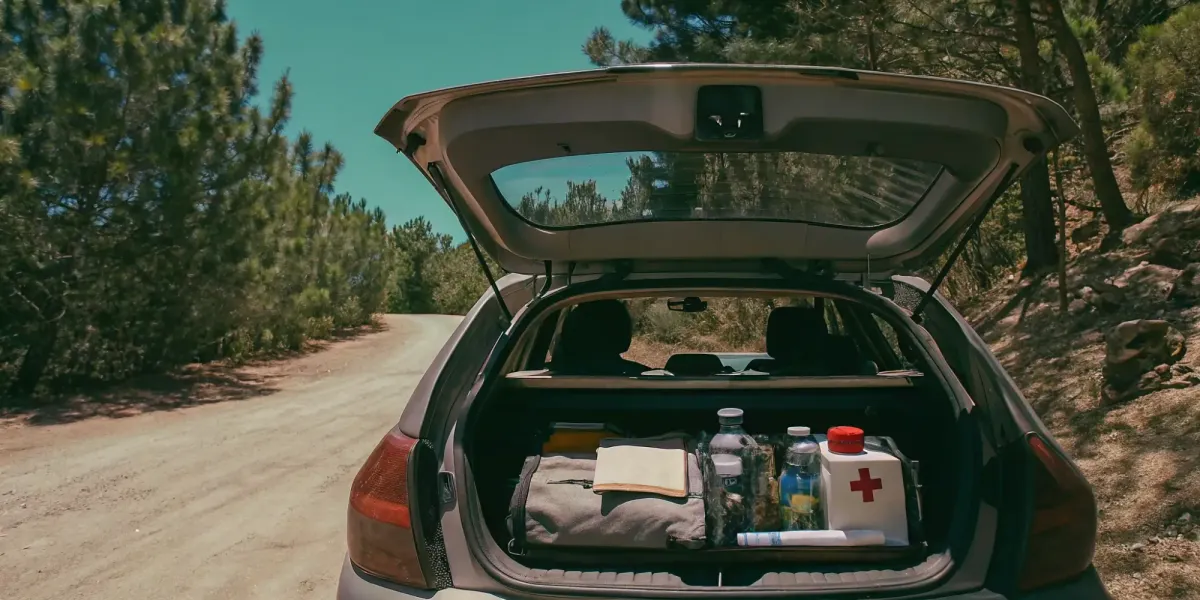
Most people know they should have an emergency kit in their car. The problem is, a standard roadside kit with jumper cables and a tire iron is not an evacuation kit. When a wildfire is approaching, you need supplies for survival, not just for a flat tire. The challenge is figuring out what you actually need without overpacking or forgetting something critical. This is where a clear, actionable plan makes all the difference. We’re cutting through the confusion to give you a straightforward guide. This definitive emergency kit list for car safety is tailored for wildfire threats, ensuring you have exactly what you and your family need to handle a sudden evacuation.
Pay Less for Home Insurance
and Avoid Non-Renewal?
Our partner, Five Bays Insurance Agency, offers a free policy checkup that spots hidden discounts to make sure you’re not paying more than you should.
Key Takeaways
- Think Beyond Roadside Breakdowns: Your car kit is a critical part of your evacuation plan, designed to keep you self-sufficient with food, water, and first aid during traffic jams or unexpected delays.
- Personalize and Perform Regular Check-Ups: Go beyond a basic store-bought kit by adding personal necessities like medications and pet supplies, and schedule a six-month check-up to replace expired items and test batteries.
- Prioritize Accessibility and Seasonal Swaps: Your kit is useless if you can't reach it quickly. Keep it in an easy-to-grab spot and adapt its contents for seasonal hazards, like adding extra water for summer heat or traction aids for winter ice.
Your Car's Go-Bag: What It Is and Why It's Non-Negotiable
When an evacuation order comes, your car is more than just a vehicle—it’s your escape route. A car go-bag, or emergency kit, is a pre-packed set of supplies stored in your vehicle to help you and your family stay safe during an emergency. Think of it as your lifeline on wheels, containing everything you need to handle unexpected challenges when you’re forced to leave home with little to no warning. This isn't just about having jumper cables for a dead battery; it's about having food, water, first aid, and communication tools ready for a wildfire evacuation.
The reality of living in a high-risk fire zone is that you might only have minutes to get out. In that chaos, you won’t have time to run around the house gathering supplies. Having a dedicated kit in your car means one less critical thing to worry about. You can focus on getting your family and pets to safety, knowing your essential supplies are already packed and waiting. A well-prepared car emergency kit can be a genuine lifesaver during a sudden evacuation or if you get stranded.
Evacuations often lead to jammed highways, unexpected road closures, and long delays. You could be stuck in your car for hours, far from any services. A good roadside kit helps you handle problems until you reach a safe destination or until help can arrive. Cell service may be down and emergency responders will be overwhelmed. Your go-bag ensures you have the resources to stay safe, hydrated, and comfortable while you wait. It’s a fundamental part of a complete emergency strategy and a non-negotiable tool for anyone living with wildfire risk.
Build Your Car Emergency Kit: The Ultimate Checklist
Knowing what to pack can feel overwhelming, so we’ve broken it down into essential categories. Think of this as your grab-and-go foundation for roadside safety and evacuation readiness. You can always add more based on your family’s specific needs, but these items are the non-negotiable basics for any car kit. Start here to build a kit that gives you confidence and control when you need it most.
Safety & Visibility
If you have to pull over, especially at night or in smoky conditions, being seen is your first line of defense. Pack items that make your vehicle stand out to prevent a bad situation from getting worse. This includes at least three reflective warning triangles to place behind your car, alerting other drivers from a distance. Emergency flares or modern LED road flares are also critical for cutting through darkness or low-visibility conditions. A reflective vest for yourself is another smart, inexpensive addition that can make a huge difference if you need to get out of your car on a busy road.
Basic Vehicle Repair Tools
You don’t need to be a mechanic, but having a few basic tools can solve common problems that might otherwise leave you stranded. A simple toolset with screwdrivers, pliers, and an adjustable wrench can handle minor fixes like tightening a loose battery terminal. A tire repair kit and a portable air compressor are also essential for dealing with small punctures, which can be the difference between waiting for a tow and getting back on the road safely. Don’t forget jumper cables—a dead battery is one of the most frequent roadside issues.
First Aid & Personal Supplies
An emergency isn’t just about your car; it’s about caring for yourself and your passengers. Your kit must include a well-stocked first aid kit with bandages, antiseptic wipes, sterile gloves, pain relievers, and any personal medications your family relies on. Remember to pack enough for several days. Beyond medical needs, include basic hygiene items. A pack of wet wipes, hand sanitizer, paper towels, and toilet paper can provide a sense of comfort and cleanliness when you’re stuck on the road or at a temporary shelter. These small items make a big difference in stressful situations.
Communication & Navigation
During an emergency like a wildfire, cell towers can become overloaded or damaged, making your phone an unreliable tool. Your kit needs backups. Always have a dedicated car charger and a fully charged portable power bank to keep your devices running as long as possible. More importantly, don’t rely solely on GPS. Keep physical, up-to-date paper maps of your local area and surrounding regions in your glove box. If you need to take an unfamiliar evacuation route, a map is an invaluable tool that never runs out of battery or loses its signal.
Food, Water & Comfort
If you’re stuck in traffic for hours during an evacuation or stranded on a remote road, having food and water is critical. Pack non-perishable, high-energy snacks like granola bars, nuts, or dried fruit that don’t require any preparation. For water, the standard recommendation is to have at least one gallon per person, per day. Store enough for a 72-hour period if possible. Finally, include a warm blanket or a compact sleeping bag for each person in your car. Even in California, nights can get cold, and a blanket provides both warmth and a sense of security.
Adapt Your Kit for Every Season
Your car emergency kit isn’t a one-and-done project. The threats you face on the road shift with the weather, from slick winter roads to the extreme heat that can fuel summer wildfires. A truly effective kit is a living one, adapted to give you the right tools for the current conditions. Taking a few minutes to swap out seasonal items ensures you’re prepared for whatever the year throws at you, whether it’s a sudden snowstorm or a sweltering day stuck in evacuation traffic. Think of it as rotating your wardrobe—you wouldn’t wear a parka in July, and your car kit shouldn’t be stuck in the wrong season, either. This simple habit can make a critical difference when you’re forced to rely on what’s in your trunk.
What to Add for Winter
When temperatures drop, your driving risks change. Icy roads and potential snow mean you need specific tools to stay safe and mobile. Adding a few winter-specific items can prevent a minor inconvenience from turning into a dangerous situation. Make sure your kit is ready for the cold with these essentials:
- Ice Scraper and Snow Brush: These are non-negotiable for clearing your windows and ensuring full visibility before you even start driving.
- Foldable Shovel: A compact shovel is invaluable for digging your tires out of a snowbank or clearing a path.
- Kitty Litter or Sand: A small bag of non-clumping kitty litter or sand can provide the emergency traction your tires need to get out of an icy spot.
- Hand Warmers and Emergency Blankets: If you’re stranded, staying warm is your top priority. Chemical hand warmers and mylar space blankets are lightweight, take up little space, and are incredibly effective at preventing heat loss.
Prepping for Summer Heat
Summer in wildfire-prone areas brings its own set of challenges, especially extreme heat. Being stuck in a car during a heatwave or a slow-moving evacuation can be dangerous without the right supplies. Your focus should be on hydration, sun protection, and keeping cool. Before the heat sets in, add these items to your kit:
- Extra Water: Double the amount of water you normally carry. You’ll need it for hydration if you’re stuck for hours, and it can also be used to wet a cloth to cool down.
- Sunscreen and a Wide-Brimmed Hat: If you have to leave your vehicle, you need to protect yourself from the sun.
- Sunshade for the Windshield: A reflective sunshade can significantly lower the temperature inside your car while you wait, making a long delay much more bearable for you, your family, and any pets.
Year-Round Items to Check Seasonally
Adapting your kit isn’t just about adding and removing items—it’s also the perfect time to perform routine maintenance. Many supplies in your kit have a shelf life or can degrade over time. A quick check-up every six months ensures everything is in working order when you need it most.
When you swap your seasonal gear, take a few extra minutes to inspect your year-round essentials. Check the expiration dates on food, water, and any medications in your first-aid kit. Test the batteries in your flashlight and portable radio, and replace them if needed. Make sure your tools aren’t showing signs of rust or wear. This simple habit keeps your kit reliable and ready for action, forming a key part of your overall wildfire action plan.
Avoid These Common Car Emergency Kit Mistakes
Building your kit is a huge step, but a few common missteps can make it less effective when you need it most. Let’s walk through the mistakes people often make so you can be sure your kit is truly ready for anything. Taking a few minutes to avoid these pitfalls ensures your preparation pays off when it matters.
Relying Solely on Pre-Made Kits
Store-bought emergency kits are a great starting point, but they’re designed to be one-size-fits-all. The problem is, emergencies aren’t generic. A basic kit won’t have the specific medications your family needs, extra water for California’s dry heat, or N95 masks for smoky air. Think of a pre-made kit as the foundation. Your job is to build on it by adding items tailored to your family, your car, and the unique risks in your area. A truly effective kit is a personalized emergency plan that travels with you, not just a box of generic supplies.
Forgetting to Check and Update Supplies
An emergency kit is a living system, not a time capsule. It’s easy to toss a kit in your trunk and forget about it, but supplies don’t last forever. Batteries corrode, food and water expire, adhesive on bandages loses its stick, and medications lose their potency. If you don’t maintain your kit, you might open it during a crisis only to find it’s useless. Set a recurring reminder on your phone—every six months is a good rule of thumb—to check your supplies. Swap out expired items, test your flashlight, and make sure everything is in working order before you need it.
Storing Your Kit Out of Reach
When an emergency hits, every second counts. You won’t have time to unload your entire trunk to get to your go-bag. One of the most common mistakes is burying the kit under luggage, sports equipment, or groceries. Your kit needs to be easily accessible. If you have a larger kit, consider keeping it in a designated spot in your trunk that’s always clear. It’s also smart to keep a smaller bag with absolute essentials—like a phone charger, water, and a first-aid kit—in the passenger cabin. The goal is to grab what you need and go without any delay or struggle.
Overlooking Personal and Family Needs
Your emergency kit needs to serve your family, not a hypothetical one. A standard kit won’t include the prescription medications your partner needs, the formula for your baby, or the anxiety vest for your dog. Take a few minutes to think through a normal day. What does each person in your household absolutely need? Make a list that includes medications (with dosages), copies of important documents, comfort items for kids, and supplies for pets. Customizing your kit for these specific family needs is what transforms it from a simple box of supplies into a genuine lifeline during a stressful evacuation.
Keep Your Kit Ready: A Simple Maintenance Plan
An emergency kit is only useful if its contents are ready when you need them. Building your kit is the first step, but maintaining it ensures your safety. A dead flashlight or expired medication won’t help in a crisis. A simple maintenance routine takes just a few minutes every few months and makes all the difference. Think of it as essential vehicle upkeep, just like changing your oil.
Set a Monthly Check-In
The easiest way to forget your kit is to tuck it away and never look at it again. Schedule a quick monthly check-in by setting a recurring reminder on your phone. During your check-in, turn on your flashlight to test the batteries, inspect tools for rust, and check the air pressure in your spare tire. This regular habit ensures everything is in working order. A quick inspection helps you replace old items before they fail, so you can trust your gear when an emergency strikes.
Track Your Expiration Dates
Many critical items in your kit have a shelf life, including food, water, medications, and first-aid supplies. Check these items every six months. A simple way to manage this is to create a small card listing all perishable items and their expiration dates. Keep it on top of your kit and update it when you swap out supplies. This system prevents you from being stuck with expired food or ineffective medical supplies. The American Red Cross recommends rotating these items to ensure they are always fresh.
Store It Smart for Quick Access
Where you store your kit is just as important as what’s inside it. Keep your supplies in a sturdy, easy-to-carry container like a duffel bag or a secure plastic bin. While the trunk is a common spot, make sure it’s accessible and not buried under other items. In a wildfire evacuation, you may need to grab it and go on foot. Consider keeping a smaller, essential "go-bag" in your backseat for immediate access. The goal is to grab your supplies in seconds during a stressful situation.
Link Your Kit to Your Evacuation Plan
Your car emergency kit is more than a tool for roadside breakdowns—it’s a critical part of your family’s evacuation strategy. When a wildfire forces you to leave, your vehicle is your transport to safety, and this kit is your lifeline. It’s designed to support you until you reach a shelter or safe location. Make sure everyone in your household knows where it is and what’s in it. This preparation is a fundamental part of building a complete Wildfire Action Plan to protect your family.
Related Articles
- Wildfire Car Emergency Kit: The Ultimate Checklist
- Essential Car Packing Tips for Wildfire Evacuation
- The Ultimate NorCal Wildfire Emergency Kit Checklist
- The Ultimate Wildfire Preparedness Checklist
- Family Fire Evacuation Plan: Northern California Guide
Pay Less for Home Insurance
and Avoid Non-Renewal?
Our partner, Five Bays Insurance Agency, offers a free policy checkup that spots hidden discounts to make sure you’re not paying more than you should.
Frequently Asked Questions
How is a wildfire-focused car kit different from a standard roadside emergency kit? A standard roadside kit is designed to fix your car—think jumper cables and a tire iron. A wildfire car kit is designed to keep you and your family safe when your car is your only shelter. It goes beyond basic tools to include essentials for survival during a prolonged evacuation, such as N95 masks for smoke, physical maps for when cell service fails, and enough food, water, and personal medication to last for up to 72 hours.
How much food and water should I actually pack? The goal is to be self-sufficient for at least three days. A good rule of thumb is one gallon of water per person, per day. For food, focus on non-perishable items that are high in energy and require no cooking, like protein bars, nuts, and dried fruit. Remember to pack more than you think you'll need, especially during hot summer months when dehydration is a serious risk during a long, stressful evacuation.
I already bought a pre-made emergency kit. Is that enough? A pre-made kit is a fantastic starting point, but it's rarely enough on its own. These kits are generic and won't include your family's specific prescription medications, copies of important documents like passports and insurance policies, or comfort items for your children. Use the pre-made kit as your base, then add the personal items that your family can't go without.
What are the most important items to add for my kids or pets? When you're personalizing your kit, think about what would keep your kids and pets safe and calm. For children, pack a favorite small toy, a book, and any necessary supplies like diapers or formula. For pets, include a sturdy leash and collar with ID tags, a few days' worth of food and water, a collapsible bowl, and any medications they need. A photo of you with your pet can also be helpful for identification if you get separated.
Where is the best place to store the kit in my car? The most important rule is to keep your kit somewhere you can grab it in seconds. While the trunk is a common spot, make sure it isn't buried under luggage or sports gear. Storing it in a durable duffel bag can make it easier to carry if you have to leave your vehicle on foot. It's also a great idea to keep a smaller bag with absolute essentials—like a phone charger, a bottle of water, and a first-aid kit—within reach in the main cabin.