
The Only Emergency Kit Checklist PDF You Need
Get a practical emergency kit checklist PDF with essentials for wildfire, evacuation, and power outages. Build your kit and protect your family today.
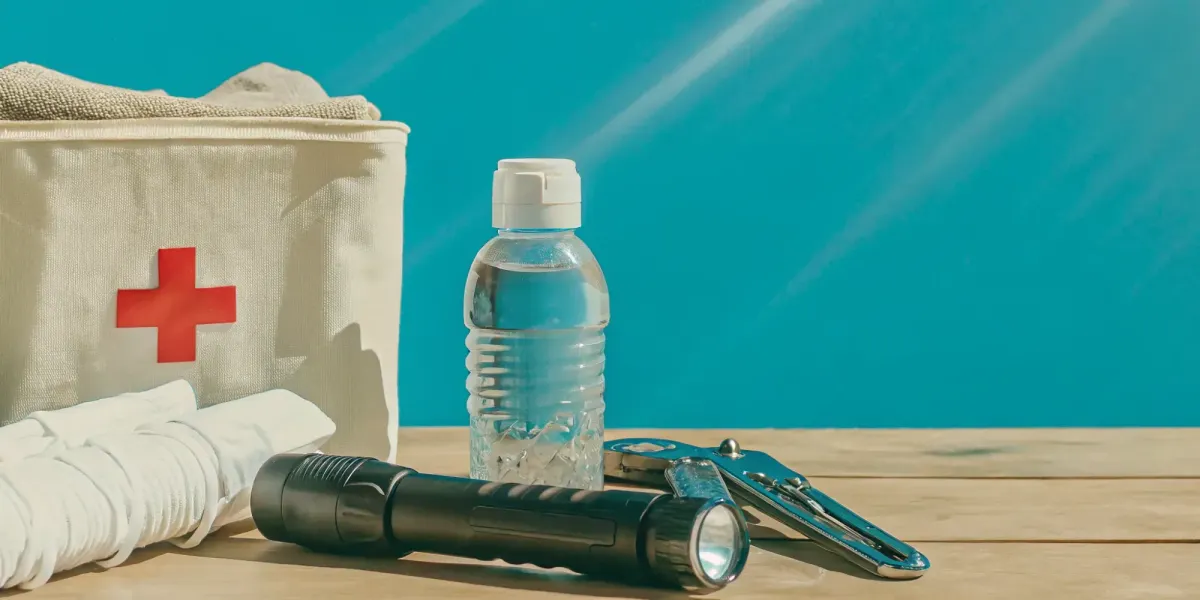
Many people think they have an emergency kit, but what they really have is a box of old batteries and expired granola bars in the back of a closet. An effective kit requires thoughtful planning and regular maintenance. It needs to be customized for your family, stored for quick access, and checked at least twice a year. This guide will help you avoid the common mistakes that make a kit unreliable in a real emergency. We’ll show you how to build a practical, grab-and-go bag that actually works when you need it most, starting with our expert-approved emergency kit checklist pdf.
Pay Less for Home Insurance
and Avoid Non-Renewal?
Our partner, Five Bays Insurance Agency, offers a free policy checkup that spots hidden discounts to make sure you’re not paying more than you should.
Key Takeaways
- Start with the Lifesaving Essentials: Before anything else, secure your core survival items. This means at least three days of water and non-perishable food for each person, a complete first-aid kit, and a week's supply of all necessary medications.
- Customize for Your Family and Keep It Current: A generic kit won't cover your family's unique needs. Personalize your supplies for children, pets, and older adults, and commit to a twice-yearly review to replace expired items and test your gear.
- Make Your Kit Immediately Accessible: An emergency kit is useless if you can't find it. Pack everything into a single grab-and-go bag, store it near your main exit, and create smaller backup kits for your car and workplace to stay prepared on the move.
What Is an Emergency Kit, and Why Do You Need One?
An emergency kit is your personal, dedicated stockpile of supplies to help you and your family survive in the event of a disaster. Think of it as your grab-and-go bag for the unexpected. When a wildfire is approaching and an evacuation order is issued, you won’t have time to run through the house searching for flashlights, medication, or important documents. The goal is to have everything you need packed and ready in one place, so you can leave quickly and safely.
Having a kit is a fundamental part of any solid wildfire action plan. It’s about taking control of your safety before a crisis hits. Emergency agencies recommend having enough supplies to be self-sufficient for several days, as it may take time for first responders to reach you or for services to be restored. Whether you’re sheltering in place during a power outage or evacuating your home, this kit is your lifeline. It’s not just a box of supplies; it’s a tool that empowers you to protect your family when it matters most.
Why a Kit Is Your First Line of Defense
In the first hours and days of a major emergency, first responders are often overwhelmed. Roads may be blocked, communication lines can go down, and immediate help might not be available. This is when your emergency kit becomes your first and most reliable line of defense. It ensures you have immediate access to the essentials for survival without relying on outside assistance.
Being prepared means having your own food, water, and other critical supplies to get you through the initial phase of a crisis. Instead of being caught off guard, you have the resources to manage the situation calmly and effectively. This proactive step shifts your family from a position of vulnerability to one of readiness, giving you the power to handle the first 72 hours on your own.
How an Emergency Kit Protects Your Family
A well-stocked emergency kit protects your family in two key ways: physically and psychologically. On a physical level, it provides the essentials for survival—clean water, non-perishable food, first-aid supplies, and tools to keep you safe. These items address your family’s immediate needs, preventing a difficult situation from becoming a dangerous one.
Just as importantly, a kit provides peace of mind. Knowing you have a plan and the resources to handle an emergency reduces fear and anxiety. In a high-stress situation like an evacuation, panic can lead to poor decisions. A prepared kit allows you to focus on getting your loved ones to safety, confident that you have what you need. This sense of control is invaluable, helping you lead your family through the crisis with a clear head.
What to Pack in Your Emergency Kit: The Essentials
When an evacuation order comes, you won’t have time to think. Having a well-stocked emergency kit is one of the most important steps you can take to protect your family. Think of it as your grab-and-go bag for survival and peace of mind. While every family’s needs are different, there are core items that every kit should have. These essentials cover your basic needs for at least 72 hours, giving you a critical buffer in a crisis. Let's walk through exactly what you need to pack to build a reliable kit that will be ready when you need it most.
Water and Food
This is the absolute foundation of your kit. You need to plan for at least three days without access to clean water or grocery stores. Pack at least one gallon of water per person, per day—this covers drinking and basic sanitation. For a family of four, that’s 12 gallons. Store commercially bottled water, as it’s the safest and most reliable option. For food, gather a three-day supply of non-perishable items that don’t require cooking or refrigeration. Think protein bars, dried fruit, canned goods with a can opener, and peanut butter. Remember to pack items your family will actually eat to keep morale up during a stressful time.
First Aid and Medical Needs
Minor injuries can happen during a stressful evacuation, so a well-stocked first aid kit is non-negotiable. You can buy a pre-made one or build your own with bandages, antiseptic wipes, pain relievers, and gauze. Beyond basic first aid, you must pack any personal medical necessities. This includes a seven-day supply of all prescription medications, a list of dosages, and copies of your prescriptions. Don’t forget to include backup eyeglasses or contact lenses and solution. Having these items on hand can prevent a medical emergency from compounding an already difficult situation.
Tools and Safety Gear
In an emergency, simple tools can make a huge difference. A wrench or pliers is essential for turning off utilities like water and gas before you evacuate, which can prevent further damage to your home. Every kit should also include a quality flashlight and a battery-powered or hand-crank radio to stay informed if cell service goes down. Make sure to pack extra batteries for both. A multi-tool, duct tape, and a whistle to signal for help are also smart additions. These items empower you to handle small challenges and stay connected to emergency broadcasts.
Hygiene and Sanitation
Staying clean is about more than just comfort—it’s crucial for health, especially if you’re displaced from your home for several days. Your kit should include basic hygiene items to help prevent the spread of germs and illness. Pack moist towelettes, garbage bags with plastic ties for sanitation, and toilet paper. You’ll also want to include personal items like toothbrushes, toothpaste, soap, and feminine hygiene supplies. Having these essentials packed and ready means you can maintain a sense of normalcy and well-being, even in a chaotic environment.
Important Documents and Cash
If you have to evacuate, you may not be able to return to your home for days or even weeks. Having copies of your critical paperwork is vital for recovery. Gather copies of your insurance policies, identification cards, birth certificates, and bank account records. Store them in a waterproof, portable container or save them digitally on a password-protected USB drive. It’s also wise to include cash or traveler’s checks, as ATMs and credit card machines may not be working during a power outage. This preparation will make it much easier to file claims and manage your affairs after the immediate crisis has passed.
Communication and Lighting
When the power goes out and cell towers are down, your ability to get information and see in the dark becomes critical. Your kit must include a reliable flashlight and a weather radio. A hand-crank radio is an excellent choice because it doesn’t rely on batteries you might run out of. Pack extra batteries for your flashlight and any other battery-powered devices. You should also have a fully charged power bank for your cell phone. This simple setup ensures you can receive emergency alerts, move around safely in the dark, and keep your primary communication device running as long as possible.
How to Customize Your Kit for Your Family
A basic emergency kit is a great start, but it’s just that—a start. Every family is unique, and your kit needs to reflect your specific circumstances. A household with a newborn has vastly different needs than one with an elderly parent or a beloved pet. Taking the time to personalize your supplies is one of the most important steps in creating a plan that actually works when you need it most. True preparedness means thinking through the day-to-day realities of each person (and animal) under your roof, ensuring their safety and comfort during a stressful evacuation.
Think beyond just food and water. What medications does your family rely on? What items provide comfort to your children during stressful times? Do you have the right supplies for your pets? Answering these questions now will make a world of difference during an actual emergency. The goal is to reduce stress and uncertainty, and a well-customized kit does exactly that. It ensures that when you have to leave your home, you’re not leaving critical needs behind. Federal resources like Ready.gov offer excellent frameworks for making a family plan, but you are the expert on what your family truly needs to feel safe and secure.
Packing for Children and Infants
When you have little ones, your emergency kit needs to cover their basic needs and their emotional well-being. For infants, pack essentials like formula, bottles, baby food, diapers, and wipes for several days. Don’t forget any necessary medications, diaper rash cream, and a portable changing pad. For all children, pack a few changes of comfortable clothes and a special comfort item, like a favorite blanket or stuffed animal. To help manage stress and boredom during a chaotic time, it’s a great idea to “include books, games, and puzzles for children.” A simple deck of cards or a coloring book can provide a much-needed sense of normalcy and distraction when everything feels uncertain.
Supplies for Older Adults
Older adults often have specific medical and personal needs that must be addressed in an emergency kit. Start with medications. Pack at least a seven-day supply of all prescription and over-the-counter medications, along with a list of dosages and the prescribing doctor’s contact information. Include a backup pair of glasses, hearing aids with extra batteries, and any necessary mobility aids like a cane or walker. It’s also wise to pack copies of important medical documents and insurance cards. By customizing your kit with these specific requirements in mind, you can better support their health and well-being during a crisis. Don’t forget to include any special dietary items they may need.
Essentials for Pets
Your pets are part of the family, and they need their own grab-and-go kit. The CDC recommends you prepare a disaster kit for your pet and consult your veterinarian for help. At a minimum, pack three to seven days of food and water, along with collapsible bowls. Include any medications your pet takes, a copy of their vaccination records, and a pet first-aid kit. For sanitation, pack pet litter and a small litter box, waste bags, and paper towels. A sturdy leash, harness, and a carrier labeled with your contact information are also essential for safe transport. Finally, add a favorite toy or blanket to help reduce their anxiety.
What Emergencies Should You Prepare For?
While our focus is often on wildfires, a well-stocked emergency kit is an all-purpose tool. The core items you pack will serve you in a variety of situations, from short-term power outages to life-threatening evacuations. Thinking through the most likely scenarios for your area helps you customize your kit so you’re ready for anything. Your preparation for one disaster often strengthens your readiness for others, ensuring your family has what they need no matter what happens.
Wildfires and Evacuations
For those of us in high-risk areas, this is the most urgent scenario. When an evacuation order is issued, you may only have minutes to leave. A "grab-and-go" kit is non-negotiable. This kit is your lifeline, containing essentials like water, medications, important documents, and first-aid supplies. It works hand-in-hand with your wildfire action plan, which outlines your evacuation routes and communication strategy. Subscribing to community alerts is also critical, but having your kit ready means you can act immediately when those alerts arrive, without scrambling to find what you need.
Power Outages
Power outages are more than an inconvenience; they can disrupt communication, water, and heating or cooling systems for days. Wildfires, storms, or heatwaves can all cause widespread outages. Your emergency kit becomes your primary resource during a blackout. The flashlights, batteries, and hand-crank radio keep you connected and safe in the dark. A supply of non-perishable food and water is crucial when your refrigerator isn't running. Your kit should also include hygiene items and a first-aid kit, ensuring you can handle minor issues without access to running water.
Other Natural Disasters
Depending on where you live, your risk profile might include earthquakes, floods, or severe storms. The good news is that a basic emergency supply kit is the foundation for preparing for almost any disaster. The core principle is self-sufficiency for several days. Having enough food, water, and medical supplies ensures you can shelter in place safely until services are restored or it’s safe to leave. By preparing for the most immediate threat in your area, like wildfires, you are already taking the most important steps to be ready for other potential emergencies.
Common Mistakes to Avoid When Building Your Kit
Building an emergency kit seems straightforward, but a few common missteps can make it less effective when you need it most. It’s not just about what you pack, but how you pack and how well you know your supplies. Thinking through these potential mistakes now will save you critical time and stress during an actual emergency. Let's walk through the most frequent errors so you can build a kit you can truly rely on.
Packing and Planning Errors
It's tempting to include everything, but a kit that’s too heavy is a liability. If you have to evacuate on foot, you won’t get far with a 50-pound bag. Focus on multi-use items and stick to the essentials. The goal is a manageable kit you can grab without a second thought. Equally important is checking your equipment. A dead flashlight or a leaky water container is useless in a crisis. Before you pack anything, test it. Make sure batteries are fresh and sealed items are intact. Schedule a quick review every six months to ensure everything is still in good working order.
The Most Commonly Forgotten Items
This is one of the most critical and easily overlooked categories. Pack at least a seven-day supply of all prescription medications, along with copies of your prescriptions. Don't forget over-the-counter basics like pain relievers or allergy medicine. While it's heavy, water is non-negotiable. The standard recommendation is one gallon of water per person, per day, for at least three days. Dehydration can set in quickly in a stressful situation. If storing that much water is difficult, include a reliable water filter or purification tablets as a backup, but having stored water is always the safest bet.
Why You Need to Test Your Gear
An emergency is the worst time to read an instruction manual. Unpack your gear and practice using it. Do you know how to turn on the hand-crank radio and find a weather station? Have you ever used your water filter? Familiarity builds confidence and speed. A few minutes of practice now can prevent critical mistakes when every second counts. This process also helps you identify issues—maybe the can opener is flimsy or the tent is complicated to set up. Testing your equipment ensures you have reliable tools and the skills to use them effectively. Think of it as a dress rehearsal for your family’s safety.
How to Organize and Store Your Emergency Kit
Having the right supplies is only half the battle. If you can’t find your kit or access it quickly during an evacuation order, it won’t do you much good. Organizing your supplies thoughtfully and storing them in a strategic location is just as critical as what you pack inside. When every second counts, a well-placed, organized kit can make all the difference.
Build a "Grab-and-Go" Kit
Your primary emergency kit should be a self-contained, portable unit that you can grab without a second thought. Think of it less as a collection of loose items and more as a single, ready-to-go package. A disaster supplies kit is a collection of basic items your household may need, and the best way to manage it is to pack it in one or two easy-to-carry containers. A large backpack, a duffel bag, or a plastic tote with wheels are all excellent options.
Inside the main container, use smaller pouches or waterproof bags to group similar items together. Keep all first-aid supplies in one pouch, hygiene items in another, and important documents in a sealed, waterproof folder. This organization prevents you from having to dig through everything to find a bandage or a flashlight in a high-stress situation.
Where to Store Your Kit for Quick Access
The most common mistake homeowners make is stashing their emergency kit in an inaccessible place, like the back of a cluttered closet or deep in the attic. Your kit needs to be stored along your primary exit path. The goal is to grab it on your way out the door without having to backtrack or search for it.
Consider storing your kit in a front hall closet, in the garage right next to the door leading into the house, or near the main exit you would use during an evacuation. Make sure every adult in the household knows exactly where it is. Run a drill: Can you grab your kit and get to your car in under a minute? If not, find a better spot for it.
The Three-Kit Strategy: Home, Car, and Work
A wildfire or other emergency won’t always happen when you’re safe at home. A comprehensive preparedness strategy includes having essential supplies in the different places you spend your time. An emergency kit at home won't help you if you're stuck in traffic during an evacuation, and a work kit is essential if an emergency strikes during the day.
This is why many experts recommend a three-kit strategy:
- The Home Kit: This is your main, most comprehensive kit. It should be the "grab-and-go" bag discussed above, containing enough supplies for at least 72 hours.
- The Car Kit: Keep a smaller kit in the trunk of your car. It should include water, non-perishable food, a first-aid kit, blankets, and car-specific items like jumper cables and flares. This is vital for anyone living in an area where evacuation routes can become congested.
- The Work Kit: A simple kit at your workplace can help you get home safely. Pack comfortable walking shoes, a dust mask, a water bottle, and some snacks.
Building out this system ensures you’re prepared no matter where you are when you need to take action. It’s a core part of a complete Wildfire Action Plan that covers you and your family in any scenario.
Where Can You Find a Reliable Emergency Kit Checklist?
Searching for an emergency kit checklist can feel overwhelming. You’ll find countless lists online, but many are either too generic or miss the specific needs of a family facing wildfire risk. A general disaster list might tell you to pack three days of water, but it won't remind you to include N95 masks for smoke or to digitize your home insurance policy. A good checklist is more than just a shopping list; it’s a foundational tool for your entire preparedness strategy. It should be comprehensive, easy to follow, and tailored to the real-world threats you face.
The right checklist gives you a clear roadmap, helping you gather everything from sterile bandages to clean water. A properly prepared kit can help you and your family respond effectively when it matters most. More importantly, it provides the confidence and peace of mind that comes from knowing you are prepared for an emergency. Let’s cut through the noise and focus on trusted resources that will help you build a kit that truly protects your family.
Download Our Comprehensive Checklist
The most effective emergency kit is one built for your specific risks. While a general kit is a good start, a wildfire evacuation demands unique supplies that other disaster lists often overlook. That’s why we built our checklist directly into the Wildfire Action Plan. Our guide is designed by wildfire safety experts to ensure you have exactly what you need when minutes count.
We go beyond the basics of food and water to include critical items for a wildfire scenario, like N95 masks, copies of insurance documents, and a detailed evacuation plan. By creating your free plan, you get a personalized checklist that accounts for your family’s specific needs—including children, pets, and medical requirements. This isn’t just another PDF; it’s an interactive tool that helps you build a complete readiness system.
Other Trusted Resources
While our plan is tailored for wildfire threats, it’s always smart to consult other authoritative sources to ensure your kit is well-rounded. Government agencies and disaster preparedness organizations offer excellent foundational checklists that cover a wide range of emergencies. These resources are backed by extensive research and are designed to provide a solid baseline for any household.
The federal government’s Ready.gov website offers a great starting point with its basic disaster supplies kit checklist. Similarly, organizations like the American Red Cross provide reliable guides that are easy to follow. These lists are perfect for understanding the core components every kit should have, such as a three-day supply of non-perishable food and water, a first-aid kit, and a battery-powered radio. Using these in combination with a wildfire-specific plan ensures you’re covered for any situation.
How Often Should You Review and Update Your Kit?
Building your emergency kit is a huge first step, but your work isn’t done. A kit is a living resource that needs regular maintenance to be effective when you need it most. Think of it like changing the batteries in your smoke detector. Forgetting to do it can have serious consequences. We recommend reviewing your supplies at least twice a year. A great way to remember is to schedule it when you change your clocks for daylight saving time.
Seasonal Updates and Wildfire Prep
As seasons change, so do potential risks. For those of us in California, the start of wildfire season is a critical reminder to check our emergency kits. Wildfires can start and spread with very little warning, forcing evacuations at a moment's notice. Your "grab-and-go" kit must be ready before the threat arrives. When you do your seasonal check, make sure you have N95 masks to protect against smoke, and review your evacuation routes. Is your car’s gas tank at least half full? Are your important documents easily accessible? Treating preparedness as an ongoing habit, not a one-time task, ensures you’re ready for whatever the season brings.
Check Expiration Dates and Replace Old Items
An emergency kit with expired supplies is almost as bad as having no kit at all. During your biannual review, make a point to check the expiration dates on all food, water, medications, and batteries. Canned goods can last for years, but it’s crucial to rotate them out before they expire. The same goes for prescription medications and over-the-counter pain relievers. Test your flashlights and radios to ensure the batteries still work, and replace them if needed. This is also a good time to check that your equipment is in working order and that you know how to use it. A can opener that doesn’t work won’t do you any good.
Update Your Kit as Your Family Changes
Your family isn’t static, and your emergency kit shouldn’t be either. Life changes—like having a baby, caring for an elderly parent, or even getting a new pet—mean your preparedness needs will change, too. As your family evolves, your kit must be updated to reflect everyone’s current needs. A new baby requires formula, diapers, and wipes. An older adult may need specific medications, hearing aid batteries, or other medical supplies. As children grow, you’ll need to swap out clothing sizes and update comfort items. Customizing your kit ensures every member of your household is safe and cared for during a crisis.
How to Build an Emergency Kit on a Budget
Building an emergency kit doesn’t have to be an expensive, all-at-once project. You can assemble a reliable kit over time without breaking the bank by being strategic, focusing on the most critical items first, and using budget-friendly methods to fill in the gaps. A well-stocked kit is one of the most important steps you can take to protect your family, and it’s completely achievable on a budget.
The goal is to gather the essentials your household would need to survive for several days if you had to evacuate or shelter in place. By starting small and adding items gradually, you can build a comprehensive kit that gives you peace of mind.
What to Buy First
If your budget is tight, prioritize the items that are most critical for survival and hardest to find during an emergency. Start with the absolute basics that form the core of any effective disaster supplies kit. Your first shopping trip should focus on water (one gallon per person, per day for several days) and non-perishable, easy-to-prepare food.
Next, purchase a good first-aid kit and gather any necessary prescription medications, making sure you have at least a week's supply. These items are non-negotiable. From there, add a flashlight with extra batteries and a hand-crank weather radio. By securing these essentials first, you build a solid foundation you can add to as your budget allows.
DIY and Budget-Friendly Options
You likely already own many items that belong in your emergency kit. Before you buy anything new, shop your own home. Look for extra flashlights, batteries, dust masks you bought for a home project, or a spare can opener. Canned goods from your pantry can be rotated into your kit, ensuring you have a food supply without extra cost.
To save money, add one or two items to your grocery list each week. Look for sales on canned foods, bottled water, and granola bars. Dollar stores are excellent sources for hygiene items, sanitation supplies, and basic tools. One of the most common mistakes is overpacking with expensive gadgets; focus on simple, multi-use items instead. A DIY kit built thoughtfully over time is just as effective as a costly pre-made one.
Related Articles
- How to Pack for a Wildfire Evacuation: A 5-Minute Guide
- Essential Car Packing Tips for Wildfire Evacuation
- Your Essential Fire Emergency Kit Checklist
Pay Less for Home Insurance
and Avoid Non-Renewal?
Our partner, Five Bays Insurance Agency, offers a free policy checkup that spots hidden discounts to make sure you’re not paying more than you should.
Frequently Asked Questions
I'm on a tight budget. What are the absolute first things I should get for my kit? Start with the items that are most critical for survival. Your first priority should be water—at least one gallon per person, per day. Next, focus on a simple first-aid kit and a supply of any essential prescription medications your family needs. After that, add a reliable flashlight with extra batteries and a few high-energy, non-perishable food items like protein bars or canned goods. You can build the rest of your kit over time by adding one or two items each week.
My kit feels really heavy. How do I make it portable enough for a real evacuation? This is a common problem, and it’s why focusing on essentials is so important. A kit is useless if you can't carry it. Go through your supplies and look for multi-use items, like a multi-tool instead of a full toolbox. Instead of packing bulky containers, repackage things into smaller, lighter bags. If you have a family, distribute the weight among several backpacks instead of one large tote. The goal is a kit you can comfortably grab and carry to your car or even on foot if necessary.
How is a wildfire-specific kit different from a general emergency kit? While the foundation of food, water, and first aid is the same, a wildfire kit has a few unique and critical additions. You absolutely need N95 masks for everyone in your family to protect their lungs from dense smoke. It's also vital to include digital and physical copies of your most important documents, especially your home insurance policy, in a waterproof container. A wildfire kit is built for a rapid evacuation, so it must be lightweight and paired with a clear evacuation plan.
I have my kit packed. Am I done now? Packing the kit is a fantastic first step, but preparedness is an ongoing process. At least twice a year, you need to review and update your supplies. Check expiration dates on food, water, and medicine, and swap out old batteries. It's also crucial to practice. Take out your gear, make sure you know how to use the hand-crank radio, and talk through your evacuation plan with your family. A kit you aren't familiar with can cause confusion during a real emergency.
Besides my main kit at home, where else should I have supplies? An emergency won't always happen when you're at home. It's smart to have a smaller, secondary kit in the trunk of your car. This should include water, snacks, a blanket, a first-aid kit, and basic car safety items like jumper cables. If you commute, consider a small kit for your workplace with comfortable walking shoes, a water bottle, and a power bank for your phone. This ensures you have a baseline of supplies no matter where you are when a disaster strikes.