Bug Out Bag vs. Go Bag: What's the Difference and Which One Do You Actually Need?
Go bag or bug out bag — do you know the difference? Learn which one actually protects your family in a wildfire evacuation, what to pack, and how to be ready to leave in minutes.
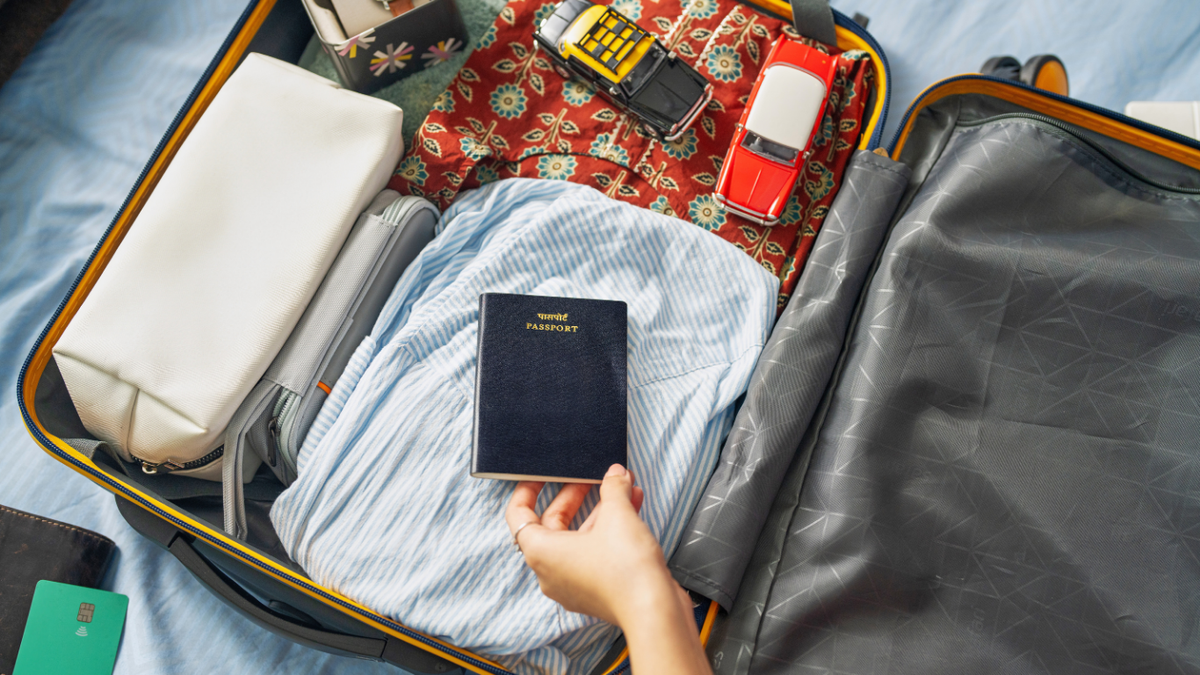
If you've spent any time researching emergency preparedness, you've probably seen both terms thrown around — sometimes interchangeably. But they're not the same thing. Understanding the difference could change how you prepare, what you pack, and how fast you can move when it counts.
FACING A NON-RENEWAL
OR RATE SPIKE?
Get a personalized home insurance quote from our partner Five Bays Insurance Agency to make sure you’re not paying more than you should.
Key Takeaways
- A go bag is built for evacuation; a bug out bag is built for survival. They solve different problems — and for most homeowners in wildfire zones, a go bag is what you actually need.
- The biggest wildfire risk isn't lack of gear — it's leaving too late. A pre-packed go bag removes the decision-making from a high-stress moment so you can move fast when an evacuation order hits.
- "Bug out bag" has become internet shorthand for any emergency kit, but the true bug out scenario (off-grid, no infrastructure, extended survival) is unlikely for most people facing a wildfire evacuation.
- You can get the best of both worlds by building a solid go bag and borrowing a few survival upgrades — a water filter, emergency radio, and multi-tool — for situations where your evacuation gets complicated.
The Short Answer
A go bag is built for quick evacuation — grabbing and leaving in minutes when you get an emergency alert. A bug out bag is built for survival over multiple days when normal systems (shelter, food, water, infrastructure) have completely broken down.
One is designed for the most likely scenario. The other is designed for the worst-case scenario. And for most homeowners in wildfire-prone areas, one of these is far more practical than the other.
What Is a Go Bag?
A go bag — also called an evacuation bag or 72-hour kit — is a pre-packed bag you can grab and go when you have minutes, not hours, to leave your home. It contains everything your household needs to survive for 72 hours away from home: documents, medications, water, food, clothing, phone chargers, and cash.
The whole point of a go bag is speed. When a wildfire evacuation order hits your neighborhood, you don't have time to think. You need to move. A well-packed go bag removes the decision-making from a high-stress moment and replaces it with a system.
A go bag typically includes:
- Copies of important documents (ID, insurance, passports, deed)
- Three days of water (one gallon per person per day)
- Three days of non-perishable food
- Prescription medications
- Phone charger and backup battery
- Basic first aid kit
- Cash in small bills
- Change of clothes
- N95 masks (especially for wildfire smoke)
- A list of emergency contacts
The go bag assumes you have a destination — a hotel, a family member's home, an emergency shelter. You're not disappearing into the woods. You're evacuating to somewhere safer while the emergency is managed.
What Is a Bug Out Bag?
A bug out bag (sometimes called a BOB or a 72-hour survival bag) comes from prepper and survivalist culture. The term "bugging out" means leaving civilization entirely — getting out and staying out, potentially for days or weeks, without access to utilities, stores, or emergency services.
Bug out bags are heavier, more gear-intensive, and designed for extended self-sufficiency in austere conditions. Think: water filtration systems, fire-starting tools, tactical flashlights, emergency bivouac shelters, multi-tools, and enough food to sustain you off-grid.
A bug out bag typically includes:
- Water filtration system or purification tablets
- Multi-day food supply (freeze-dried meals, energy bars)
- Fire-starting kit (lighter, waterproof matches, ferro rod)
- Emergency shelter (bivvy bag, tarp, or lightweight tent)
- Fixed-blade knife or multi-tool
- First aid kit with trauma supplies
- Navigation tools (compass, paper maps)
- Paracord
- Tactical flashlight with extra batteries
- Ham radio or emergency radio
- Self-defense items (varies by individual)
The bug out bag assumes a scenario where there's nowhere safe to go — no functioning hotels, no open roads, no operating emergency shelters. You are on your own, indefinitely, and you need to survive.
The Real Difference: Scenario Planning
The distinction between these two bags isn't really about the gear. It's about the scenario you're preparing for.
| Go Bag | Bug Out Bag | |
|---|---|---|
| Scenario | Evacuation to a known destination | Off-grid survival, no infrastructure |
| Duration | 72 hours | 72 hours to several weeks |
| Weight | Light to moderate (10–20 lbs) | Heavy (25–50+ lbs) |
| Skill required | Minimal | Significant |
| Primary threat | Wildfire, flood, gas leak | Societal collapse, extended disaster |
| Most likely to use | Very likely | Rare to unlikely |
Which One Do You Actually Need?
For the vast majority of homeowners in wildfire-prone areas — especially in California — a go bag is what you actually need.
Here's why: in a wildfire evacuation, you're not fleeing into the wilderness. You're driving out on a designated evacuation route to stay somewhere safe while firefighters work. The scenario a bug out bag is designed for — long-term, off-grid survival with no functioning infrastructure — is not the scenario you're going to face when the Saddleridge Fire or the Eaton Fire threatens your neighborhood.
What kills people in wildfires isn't a lack of paracord. It's leaving too late because they weren't packed and ready to go. It's not having medications. It's not having their documents. It's getting stuck in traffic because they spent 45 minutes trying to decide what to take.
A well-stocked, thoughtfully organized go bag — sitting by your door, checked twice a year — is worth ten expensive bug out bags sitting in a garage.
That said, there are some smart crossovers. Borrowing a few elements from bug out bag culture can make your go bag more robust for extended evacuation scenarios:
- A water filtration straw or tablets (in case shelter water is questionable)
- A hand-crank or battery-powered emergency radio
- A small multi-tool
- N95 respirator masks
- Backup navigation in case cell service is down
Think of it as a go bag with a survival upgrade — not a full bug out setup, but prepared for a situation where your evacuation takes longer or gets more complicated than expected.
The "Bug Out Bag" Search Problem
Here's something worth knowing: millions of people search for "bug out bag" every month, but what most of them actually need is a go bag. The term "bug out bag" has become cultural shorthand for emergency preparedness kit — even when the person searching has no intention of bugging out into the wilderness.
If you found this article searching for "bug out bag," there's a good chance what you actually want is a solid, practical evacuation kit for your household. And that's a go bag.
How to Build Your Go Bag: A Quick-Start Checklist
Not sure where to start? Here's a simple framework for building a go bag for a family of four:
Documents pouch:
- Passports or IDs (originals or certified copies)
- Insurance policies (home, health, auto)
- Medications list and prescriptions
- Emergency contact list (printed, not just saved on your phone)
- USB drive with digital copies of important files
Water and food:
- 12 gallons of water (3 liters per person, per day, for 3 days)
- 3-day supply of non-perishable food
- Manual can opener
- Collapsible water bottles
Health and safety:
- 7-day supply of all prescription medications
- Basic first aid kit
- N95 masks (wildfire smoke)
- Hand sanitizer and sanitation supplies
- Glasses or contacts with solution
Communication and power:
- Fully charged portable battery pack
- Phone charger cables
- Battery-powered or hand-crank radio
- Whistle
Cash and practical items:
- $200–$300 in small bills
- Change of clothes for each person
- Sturdy shoes
- Blanket or emergency mylar blanket
One Last Thing: Location Matters
Your go bag only works if it's accessible. Keep it near your main exit point — a hall closet, garage door, or mud room. Everyone in your household should know where it is and be able to grab it in under two minutes. Review it every six months: rotate food and water, update medications, swap out seasonal clothing, and replace expired items.
The best emergency kit is the one you can actually use when the alert sounds at 2am and you have eight minutes to get out.
Disclaimer: The information in this article is intended for general educational purposes only. It does not constitute professional emergency management, safety, or survival advice. Wildfire risk, evacuation procedures, and emergency preparedness recommendations vary by location — always follow the guidance of your local fire department, emergency management agency, and official evacuation orders. Wildfire Action Plan is not responsible for individual preparedness decisions made based on this content. In an emergency, always prioritize official instructions from local authorities.
Related Articles
- The Ultimate Emergency Kit List for Your Car
- The Only Emergency Kit Checklist PDF You Need
- The Essential Go Bag for Family Checklist
FACING A NON-RENEWAL
OR RATE SPIKE?
Get a personalized home insurance quote from our partner Five Bays Insurance Agency to make sure you’re not paying more than you should.
Frequently Asked Questions
Do I need both a go bag and a bug out bag? For most homeowners in wildfire-prone areas, a go bag is sufficient. A bug out bag makes sense if you live in an extremely remote area, have specific off-grid survival training, or want to prepare for extended infrastructure failure. If you're just getting started, build a solid go bag first — it covers the scenarios you're most likely to actually face.
How heavy should my go bag be? Aim for 10–20 pounds for an adult. Heavy enough to cover your essentials, light enough that you can carry it quickly without strain. If your bag is so heavy it slows you down, it's defeating the purpose. Kids and elderly family members should have lighter, scaled-down versions.
How often should I update my go bag? Review it twice a year — a good rule of thumb is to do it when the clocks change. Rotate food and water, check medication expiration dates, swap out seasonal clothing, and make sure documents are current. A go bag that hasn't been touched in two years may be missing critical items when you need them most.
What's the difference between a go bag and a 72-hour kit? They're essentially the same thing with different names. A 72-hour kit is the term often used by emergency management agencies and FEMA. A go bag is the more common everyday term. Both are designed to sustain you for roughly three days while you evacuate and find stable shelter.
Can one go bag cover my whole family? Not ideally. Each adult should have their own bag with personal items, medications, and documents. You can share some supplies like food and water across bags, but relying on a single bag for a family of four creates a single point of failure — if you get separated or one person leaves first, someone ends up without essentials.