Zone 0 Landscaping: A Step-by-Step Guide
Zone 0 landscaping protects your home from wildfire by creating a five-foot ember-resistant buffer. Learn practical steps for a safer, more insurable property.
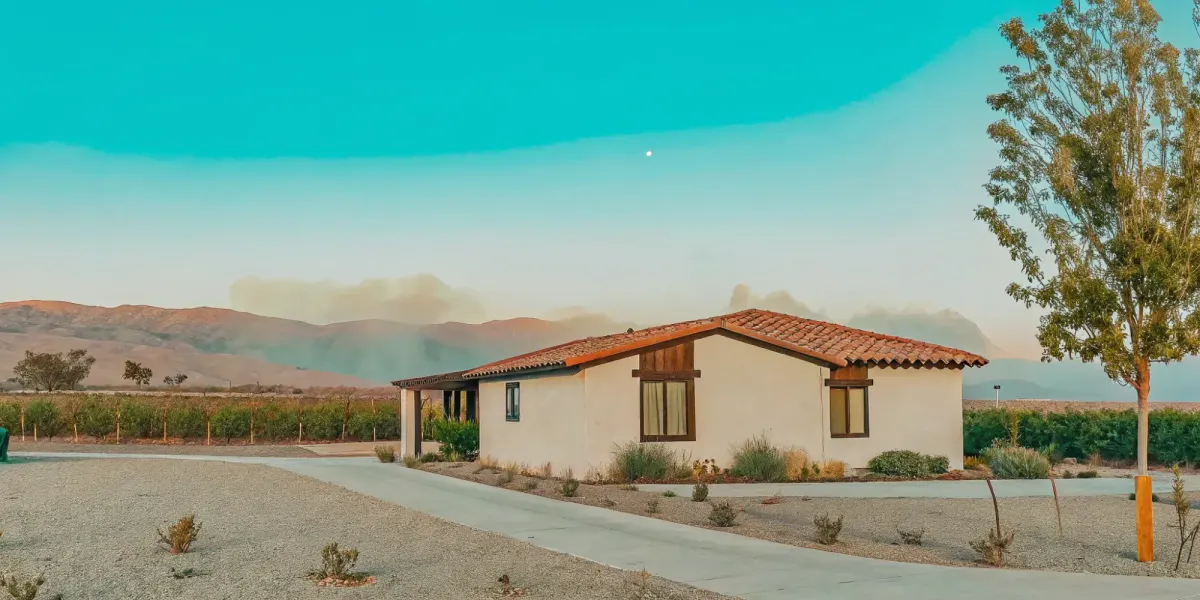
When you picture a wildfire threatening a home, you probably see a giant wall of flames. The reality is far more subtle and insidious. The primary threat to most homes comes from a blizzard of tiny, wind-blown embers that can travel a mile or more ahead of the fire itself. These embers are responsible for igniting more than 90% of homes lost in wildfires. Your best defense isn't miles away; it's in the five feet immediately surrounding your foundation. This is Zone 0. Creating a non-combustible buffer here is your first and most important line of defense. This guide focuses on effective zone 0 landscaping—the specific materials, plants, and maintenance routines that stop embers in their tracks and give your home a fighting chance.
Pay Less for Home Insurance
and Avoid Non-Renewal?
Our partner, Five Bays Insurance Agency, offers a free policy checkup that spots hidden discounts to make sure you’re not paying more than you should.
Key Takeaways
- Focus on the First Five Feet: The most critical step is creating an "ember-resistant zone" immediately around your home. This non-combustible buffer is your best defense against wind-blown embers, which are the primary cause of homes igniting during a wildfire.
- Replace Flammable Items with Safe Alternatives: Actively remove fuel sources from Zone 0. Swap wood mulch for gravel or stone, clear away flammable plants like junipers, and move firewood stacks and combustible patio furniture at least 30 feet from your house.
- Turn Action into Insurability: Creating and maintaining a clean Zone 0 is a powerful signal to insurance companies. This proactive step can lead to discounts, help you keep your policy, and make your property a lower risk in California's tough insurance market.
What is Zone 0? Your Home's Critical 5-Foot Buffer
If you live in a wildfire-prone area, you’ve probably heard about defensible space. But the single most important part of that space is the area immediately surrounding your home. This is Zone 0, also known as the "ember-resistant zone." It covers the area from the ground up to five feet out from your home's foundation and any attached structures, like decks.
Think of it as a non-combustible moat. Its entire purpose is to prevent wind-blown embers—the primary cause of homes catching fire during a wildfire—from finding anything to ignite. Creating and maintaining this buffer is one of the most effective actions you can take to protect your property. It’s a simple concept with a powerful impact on your home’s ability to survive a wildfire.
Why This Ember-Resistant Zone is Your First Line of Defense
During a wildfire, it’s not usually a giant wall of flame that destroys a home. The real threat comes from a blizzard of tiny, burning embers that can travel a mile or more ahead of the fire. In fact, research shows that wind-blown embers are responsible for igniting more than 90% of homes lost to wildfire.
Your Zone 0 is your first and best defense against this threat. The goal is to use materials that stop these embers from starting a fire right next to your house. By removing flammable mulch, dead leaves, and combustible plants from this five-foot perimeter, you deny embers the fuel they need to ignite your siding, crawl space, or deck. This simple step can make all the difference.
How Embers Threaten Your Home
Embers are small, but they are incredibly dangerous. They get carried by the wind and can pile up like snow drifts in corners, under decks, and against siding. They can also get sucked into vents, igniting your home from the inside. Many people believe that keeping plants watered is enough, but embers can ignite homes even if nearby landscaping is wet, because the house itself often has flammable materials.
Once a single home catches fire, it creates a new storm of even more dangerous embers, putting the entire neighborhood at risk. A burning structure releases far more heat and embers than burning vegetation does. By hardening your own Zone 0, you’re not just protecting your property; you’re helping to break the chain reaction that can devastate a community.
Meet Insurance Requirements and Stay Covered
In California’s challenging insurance market, taking proactive steps is more important than ever. Creating a clear, non-combustible Zone 0 is a powerful signal to your insurance provider that you are serious about reducing your wildfire risk. While it is not yet a statewide legal requirement, it is a critical component of the state’s new “Safer from Wildfires” framework.
Insurers are now required to offer discounts for specific home hardening and defensible space measures, and Zone 0 is a foundational element. Maintaining this zone can directly impact your ability to keep your coverage or find an affordable policy. It demonstrates that your property is a lower risk, making you a more attractive customer in a market where insurers are increasingly selective.
Build Your Defensible Space: What to Use in Zone 0
Creating a five-foot, ember-resistant buffer around your home is one of the most effective actions you can take to protect it from wildfire. This area, known as Zone 0, is your last line of defense against the tiny, wind-blown embers that are responsible for igniting the majority of homes during a wildfire. The goal is to eliminate anything that can easily catch fire right next to your house.
This doesn't mean your property has to look barren. A beautiful, fire-safe Zone 0 is entirely achievable with the right materials. By making strategic choices in hardscaping, plants, and ground cover, you can create a buffer that stops embers in their tracks. These steps are not just for your peace of mind; they are increasingly becoming requirements for securing and maintaining homeowners insurance in high-risk areas. A well-designed Zone 0 demonstrates to insurers that you are actively reducing your property's risk, making you a more attractive policyholder. The key is to replace flammable materials with non-combustible or fire-resistant alternatives that align with CAL FIRE’s defensible space guidelines.
Choose Non-Combustible Hardscaping
The foundation of a strong Zone 0 is non-combustible hardscaping. This means using materials that simply will not burn. Think of it as creating a fireproof welcome mat around your entire home. Replace flammable materials with hard surfaces like gravel, pavers, concrete, or stone. A simple gravel walkway or a stone patio adjacent to your house can effectively stop embers from finding fuel near your siding.
This is especially critical in the area directly against your foundation. Many homeowners use wood mulch or bark in their flower beds, but these materials act as kindling for embers. Instead, create a clean, non-combustible perimeter. This simple change removes a direct pathway for fire to reach your home, giving it a much better chance of survival.
Select Fire-Resistant Plants That Look Great
A fire-safe landscape can still be lush and beautiful. The key is choosing the right plants for Zone 0. Opt for species that are naturally fire-resistant, meaning they have a high moisture content, low amounts of flammable resins, and open, loose branching structures. Great choices include succulents, lavender, and native options like California lilac. These plants are not only beautiful but are also often drought-tolerant, making them a smart choice for our climate.
Remember, "fire-resistant" does not mean "fireproof." Even the best fire-resistant plants require maintenance. Keep them properly watered, pruned, and free of dead leaves or branches. Proper spacing is also crucial to prevent them from creating a continuous path of fuel for a fire to follow.
Replace Flammable Mulch with Safer Ground Covers
One of the most common mistakes homeowners make is using flammable mulch right up against their house. Wood chips, shredded bark, and pine needles are highly combustible and can be easily ignited by wind-blown embers. Once smoldering, this mulch can ignite your home’s siding.
The solution is simple: swap it out for a non-combustible alternative. Instead of wood mulch, use rocks or pebbles in the five feet closest to your home. Materials like decomposed granite, pea gravel, or river rock create an attractive and effective ember barrier. They help retain soil moisture without adding fuel to your landscape, giving you a clean, finished look that significantly improves your home's wildfire defense.
Install Smart Irrigation for Fire Safety
Well-hydrated plants are less likely to burn. A reliable irrigation system is essential for maintaining the health and fire resistance of the plants in and around your Zone 0. Drip irrigation systems and soaker hoses are excellent choices because they deliver water directly to the plant's roots, minimizing evaporation and conserving water.
Regular upkeep is critical. Before fire season begins, inspect your irrigation system to ensure it’s working correctly, with no leaks or clogged emitters. A properly functioning system keeps your fire-resistant plants healthy and less susceptible to ignition. This proactive maintenance is a simple but vital part of keeping your defensible space effective throughout the year.
What to Remove From Your Zone 0
Creating a fire-safe Zone 0 is as much about what you take away as what you add. Think of this five-foot perimeter as a non-combustible "welcome mat" for your home. Flying embers are the primary way wildfires spread to houses, and they need fuel to ignite. By removing flammable items from this critical zone, you deny embers the fuel they need to catch fire and threaten your home. This simple but powerful step is fundamental to home hardening and is something insurers look for when assessing your property’s risk.
Clear Away Flammable Materials and Debris
Your first task is to meticulously clean the area immediately surrounding your home’s foundation. Embers are tiny and can easily get trapped in small piles of flammable debris, quickly starting a fire. Start by clearing away all dead leaves, dry grass, pine needles, and twigs from within five feet of your home. Pay special attention to corners where debris naturally gathers.
Don’t forget to look up. Your roof and gutters are prime spots for embers to land. Keep them completely clean throughout the fire season. It’s also crucial to check the area under your deck or porch, as these spaces can become traps for dry leaves and other combustible materials. Maintaining this clean zone is a core principle of creating defensible space and one of the most effective actions you can take.
Avoid These High-Risk Plants
While greenery can be beautiful, certain plants are too risky to have in Zone 0. Many common landscaping choices are highly flammable due to their oils, resins, or tendency to accumulate dead, dry material. You should remove woody, resinous plants like Junipers, Cedars, Cypress, and some types of Palm trees from the five-foot zone around your house. These plants can ignite easily and burn intensely, creating a direct path for fire to reach your walls and eaves.
Also, be mindful of your ground cover. Traditional wood or bark mulch is combustible and should be replaced with non-flammable options like gravel, pavers, or rock. Synthetic turf is also a significant fire hazard and should not be used in Zone 0. Removing these high-risk plants and ground covers is a non-negotiable step for wildfire safety.
Relocate Firewood, Furniture, and Other Hazards
Many everyday items stored near our homes can become dangerous fuel in a wildfire. Take a walk around your property and identify anything combustible that can be moved. Firewood stacks are a major hazard and should be relocated at least 30 feet away from your home and any other structures, placing them in Zone 1. Similarly, move lumber piles, garbage bins, and recycling containers out of Zone 0.
Flammable patio furniture, doormats made of combustible materials, and wooden planters should also be moved away from the house, especially during Red Flag Warnings. If you have boats, RVs, or other vehicles, park them outside of this critical five-foot buffer. Clearing these items removes potential fuel sources that could allow a small ember-sparked fire to grow and spread directly to your home’s exterior.
Address Common Zone 0 Challenges
Creating a defensible space is one of the most powerful steps you can take to protect your home, but it’s normal to have questions. Tackling a project like this can feel overwhelming, especially when you’re trying to balance cost, aesthetics, and local rules. Let’s walk through some of the most common challenges homeowners face and how you can address them head-on. By breaking it down, you can create a Zone 0 that is safe, beautiful, and compliant without breaking the bank.
How to Manage Costs and Budget Effectively
The cost of establishing your Zone 0 is a valid concern, but it doesn’t have to be a barrier. The final price tag depends on your home’s size, what’s already in your yard, and the materials you choose. You can manage the expense by tackling the project in phases, starting with the most critical step: clearing away flammable debris and dead vegetation. From there, you can budget for hardscaping and new plants over time. It’s also worth looking into local assistance—some areas have grants to help cover the cost. Think of this as an investment that not only protects your family but also helps you create a Wildfire Action Plan that insurers want to see.
Balance Fire Safety with Curb Appeal
A fire-safe landscape does not have to be a barren one. The goal isn’t to surround your home with dirt and concrete; it’s to create a thoughtful, well-maintained space that resists embers. You can absolutely create a Zone 0 that looks great and fits your lifestyle. Use attractive, non-combustible materials like decomposed granite, pavers, or river rock as a base. Then, add color and life with carefully selected, fire-resistant plants. When properly spaced and irrigated, succulents, salvias, and other beautiful, low-growing plants can thrive in Zone 0 and enhance your home’s curb appeal while keeping it safe.
Understand Local Regulations and Codes
State guidelines provide a great starting point for defensible space, but your local fire department has the final say. It’s critical to check with them before you begin any work. Some cities or counties have stricter rules than the state. For example, while state law defines Zone 1 as extending 30 feet from your home, a local ordinance might require 50 feet of clearance. A quick call or visit to your local fire prevention office can clarify the specific defensible space requirements for your property. Following local codes ensures your efforts meet the standards that matter most for your area’s unique fire risk.
Debunking Common Myths About Defensible Space
Misinformation about fire-wise landscaping can lead to choices that are ineffective or even dangerous. One of the most common myths is that you should remove all vegetation to create the safest zone. While this might seem logical, completely clearing the land can backfire. According to landscaping experts, total vegetation removal can lead to soil erosion and create the perfect environment for fast-burning, invasive weeds to take over. The goal isn’t a sterile landscape; it’s a "lean, clean, and green" one. A well-maintained Zone 0 with strategic, fire-resistant plants is far safer than a patch of bare, neglected dirt.
Maintain Your Zone 0 for Year-Round Protection
Creating your Zone 0 is a huge step, but the work doesn’t stop there. Think of it as a living part of your home's defense system—it needs regular upkeep to stay effective. Wildfire risk is no longer a seasonal concern in many areas; dry, windy conditions can create a threat at any time of year. That’s why consistent maintenance is critical. It ensures that this 5-foot buffer around your house remains a true ember-resistant zone, free of the small, flammable debris that a stray ember could easily ignite.
Making these tasks a regular part of your yard work routine is one of the most powerful things you can do to protect your property. It’s a core part of any effective Wildfire Action Plan and a key signal to insurers that you are proactively managing your risk. When an inspector comes to your property, a well-maintained Zone 0 is one of the first things they look for. It demonstrates your commitment to safety and can make a real difference in your ability to find and keep affordable coverage. This ongoing effort is your best defense against embers and provides lasting peace of mind.
Follow a Seasonal Cleanup Schedule
Regular upkeep is the key to keeping your Zone 0 effective. Think of it as seasonal cleaning for the outside of your home. Throughout the year, and especially during the fall, make it a habit to remove fallen leaves, pine needles, and other flammable debris from your roof and gutters. These spots are prime real estate for hot embers to land and ignite. Don't forget to clear away any dead plant matter that collects on and around decks, patios, and fences. A clean, tidy Zone 0 leaves nothing for a flying ember to latch onto, dramatically lowering the chance of your home catching fire.
Prune and Irrigate for Fire Resistance
The plants you keep near your home need careful management. Start by looking up. According to CAL FIRE, you should trim tree branches so they are at least 10 feet away from your chimney and any stovepipes. Any limbs overhanging your roof should also be removed. This simple step prevents fire from climbing from the ground into your home’s most vulnerable areas. Keep your plants well-watered, as hydrated vegetation is much less likely to burn. A healthy, green lawn can act as a great firebreak, but make sure to keep it mowed and irrigated. Clear your decks and patios of flammable items like planters and furniture when fire risk is high.
Your Simple Zone 0 Maintenance Checklist
Keeping your Zone 0 in top shape can feel like a lot, but breaking it down into a simple checklist makes it manageable. Here are the essential tasks to perform regularly to maintain your home's most important line of defense.
- Clear all surfaces: Routinely sweep or blow leaves, pine needles, and dead plants off your roof, out of your gutters, and from under your deck.
- Manage vegetation: Remove all weeds and dead plants within the 5-foot zone.
- Trim trees: Keep tree branches at least 10 feet away from your chimney.
- Move flammable materials: Relocate firewood piles, lumber, and propane tanks to Zone 2 (at least 30 feet from your home).
- Rethink your fence: If you have a wooden fence or gate attached to your house, replace the section within 5 feet with a non-combustible material like metal.
- Store items safely: Move garbage cans, boats, RVs, and other large flammable items out of this zone whenever possible.
This checklist is a great starting point for your ongoing defensible space maintenance.
The Payoff: Long-Term Benefits of Zone 0
Creating and maintaining your Zone 0 is more than just a weekend project—it's a powerful investment in your home's future. While the immediate goal is to protect your property from wildfire, the benefits extend far beyond that. Taking control of this critical five-foot space around your home can have a positive impact on your finances, your property's marketability, and most importantly, your peace of mind. Think of it not as a defensive chore, but as a proactive step that delivers tangible returns. By clearing this small but vital area, you're building a foundation for long-term security and resilience in the face of wildfire risk.
Lower Your Insurance Costs and Stay Insurable
In California's challenging insurance market, demonstrating that you've taken steps to reduce your wildfire risk is critical. Insurers are increasingly looking for tangible proof of home hardening and defensible space, and a well-maintained Zone 0 is one of the most visible and effective measures you can take. Having this ember-resistant buffer can directly help with your home insurance by signaling to carriers that your property is a lower risk. This can lead to discounts on your premium and, crucially, may help you keep your coverage in an era of widespread non-renewals. It’s a clear, actionable way to show you’re a responsible homeowner committed to protecting your property.
Increase Your Property's Value and Appeal
A fire-safe landscape doesn't have to be a barren one. When done thoughtfully, creating a Zone 0 can actually enhance your home's curb appeal and increase its value. Replacing flammable mulch with attractive gravel or pavers, and choosing well-spaced, low-combustible plants creates a clean, modern, and low-maintenance look. For potential buyers in wildfire-prone areas, a home with established defensible space is a major selling point. It shows the property is well-cared-for and ready for the realities of its environment. Correcting common Zone 0 landscaping errors not only protects your home but also prevents these mistakes from reducing its overall value.
Gain Peace of Mind with a Proactive Plan
Living with wildfire risk can be a source of constant anxiety. Creating a Zone 0 is one of the most empowering actions you can take to regain a sense of control. The primary threat to most homes during a wildfire isn't the wall of flames, but the storm of embers that can travel a mile or more ahead of the fire. According to CAL FIRE, this zone is your best defense against these embers landing next to your house and igniting it. By clearing this space, you give your home a fighting chance. This single step transforms worry into action and is a cornerstone of a complete preparedness strategy. Integrating your Zone 0 plan into a comprehensive strategy is the next step, and you can start your free Wildfire Action Plan today to get it done.
Related Articles
- Wildfire Prevention for Northern California Homeowners
- The Essential Wildfire Proofing Checklist for Homeowners
- The Ultimate Fire Hardening Home Checklist
- Wildfire Risk Insurance: A Complete Guide
Pay Less for Home Insurance
and Avoid Non-Renewal?
Our partner, Five Bays Insurance Agency, offers a free policy checkup that spots hidden discounts to make sure you’re not paying more than you should.
Frequently Asked Questions
Does my Zone 0 have to be just dirt or concrete? Not at all. A fire-safe landscape can still be beautiful and full of life. The goal is to use non-combustible materials right up against your home's foundation. Think of a border made of gravel, pavers, or decorative rock. Within that zone, you can still plant carefully selected, fire-resistant plants like succulents or lavender, as long as they are properly spaced and maintained to prevent them from creating a continuous fuel source.
Is creating a Zone 0 a legal requirement in California? While it is not yet a statewide law, creating an ember-resistant Zone 0 is a core component of the state's "Safer from Wildfires" framework. This means it is a recognized best practice that insurers are now required to consider when offering discounts. More importantly, your local fire department or city may have its own specific ordinances that are stricter than state guidelines, so you should always check with them to ensure your work is compliant.
What's the single most common mistake people make in this zone? The most frequent and dangerous mistake is using flammable mulch, like wood chips or shredded bark, right up against the house. It seems harmless, but this material is essentially kindling for wind-blown embers. An ember can land in the mulch and smolder for hours before igniting your siding. Swapping flammable mulch for a non-combustible alternative like gravel or stone is one of the most impactful changes you can make.
Will doing this guarantee I can keep my home insurance? While no single action can guarantee coverage in today's complex insurance market, creating and maintaining a proper Zone 0 is one of the most powerful steps you can take. It provides clear, visible proof to an insurance provider that you are actively reducing your property's wildfire risk. This makes your home a much more attractive risk to underwrite and can significantly improve your chances of keeping your policy or finding an affordable new one.
I have a wooden deck attached to my house. How does Zone 0 apply to it? Your Zone 0 extends five feet out from any structure attached to your home, and that absolutely includes your deck. You should keep the area underneath your deck completely clear of leaves, weeds, and any stored items. On top of the deck, avoid using flammable doormats or storing combustible items like wicker furniture or planters directly against the house. This helps prevent an ember from igniting the deck and spreading fire to your home.