
Roof Vent Ember Guards: A Homeowner's Defense Guide
Protect your home with a roof vent ember guard. Learn how these vents work, top brands, installation tips, and how they can help lower insurance costs.
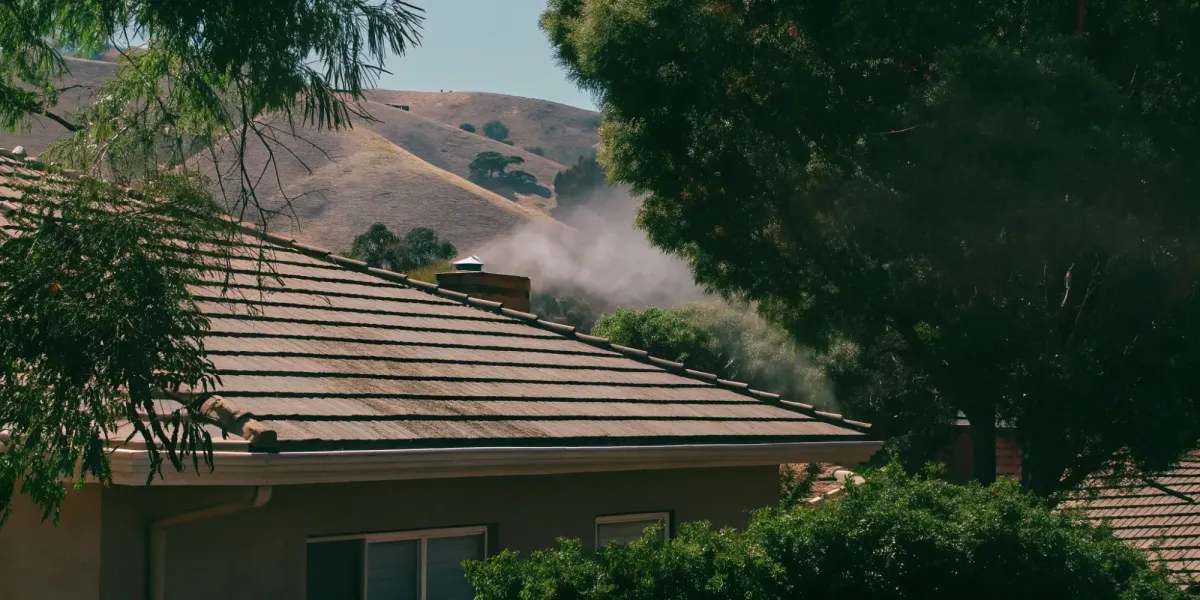
When you picture a home threatened by wildfire, you probably see a wall of flames. But the real threat is far sneakier. The primary way homes ignite is from a blizzard of tiny, wind-driven embers that can travel a mile or more ahead of the fire itself. These embers are relentless, searching for any small opening to exploit, and your home’s vents are their favorite entry point. Standard vents on your attic, foundation, and eaves are essentially open doors for fire. This is where a proper roof vent ember guard becomes one of the most critical upgrades you can make. It’s a specialized shield designed to block these fiery intruders while still allowing your home to breathe, addressing the way most homes are actually lost—from the inside out.
Pay Less for Home Insurance
and Avoid Non-Renewal?
Our partner, Five Bays Insurance Agency, offers a free policy checkup that spots hidden discounts to make sure you’re not paying more than you should.
Key Takeaways
- Protect Your Home's Weakest Link: Standard vents are open doors for wind-blown embers, the main cause of home ignition in a wildfire. Upgrading to ember-resistant vents is a critical home hardening step that blocks this primary threat and stops fires from starting inside your attic or walls.
- Prioritize Certified and Tested Designs: Not all vents are created equal. Look for products made from fire-resistant metal with a fine mesh (1/8-inch or smaller) and an internal baffle system. Verifying that a vent is compliant with local building codes, like California’s Chapter 7A, ensures it has been tested to perform under real-world fire conditions.
- Secure Savings with Correct Installation and Upkeep: An ember guard is only effective if it's installed without gaps and kept clear of flammable debris. Proper installation and routine maintenance are essential for both your safety and for qualifying for significant home insurance discounts from carriers like the California FAIR Plan.
What Are Ember-Resistant Vents and How Do They Work?
When you think about protecting your home from wildfire, you probably picture clearing brush or installing a fire-resistant roof. But one of the most vulnerable points of your house is also one of the smallest: your vents. Standard vents on your roof, attic, and foundation are essentially open doors for flying embers, which are the primary cause of home ignition during a wildfire. This is where ember-resistant vents come in, serving as a critical line of defense that many homeowners overlook.
Think of them as specialized guards for your home’s airways. Ember-resistant vents are designed with fine mesh screens and often a baffled or honeycomb structure to block wind-blown embers from entering your attic, crawlspace, or walls. They are a key part of home hardening—a term for retrofitting your house to make it more resistant to wildfire threats. While standard vents have openings of 1/4-inch or larger, building codes in high-risk areas now require vents with much smaller openings, typically 1/8-inch or 1/16-inch, to keep those dangerous sparks out. Upgrading your vents is one of the most effective steps you can take, because it addresses the sneaky way that most homes actually catch fire from the inside out.
How They Stop Fire's Sneakiest Threat
During a wildfire, it’s not usually the main wall of flame that destroys a home. The real danger comes from the blizzard of tiny, burning embers that can travel a mile or more ahead of the fire. These embers are relentless, searching for any small opening to exploit. Unprotected vents are a primary entry point, allowing embers to get inside your attic or foundation where they can smolder and ignite flammable materials like insulation, wood framing, or stored belongings.
Ember-resistant vents work by creating a physical barrier. Their design relies on a combination of fine metal mesh and intricate, overlapping baffles that stop embers in their tracks. It’s a common misconception that some vents use a heat-reactive material that seals up when exposed to high temperatures. In reality, their effectiveness comes from their clever engineering, which blocks embers while still allowing your house to breathe.
Balancing Airflow with Fire Protection
It’s important to set the right expectations: no vent can be 100% "ember-proof." Your home needs ventilation to prevent moisture buildup and regulate temperature, so any vent must allow for airflow. The goal of an ember-resistant vent is to drastically reduce the risk, not eliminate it entirely. They are designed to find the perfect balance between letting air move freely and keeping dangerous embers out.
The placement of your vents also matters. For example, vents located in the soffit (the underside of your roof eaves) are generally better protected and more effective at blocking embers than vents installed in open eaves. When choosing and installing fire-resistant vents, you’re making a strategic trade-off that heavily favors protecting your home while maintaining the essential airflow it needs to stay healthy and functional.
Why Your Roof Vents Are a Wildfire's Open Door
Your home’s vents are essential. They prevent moisture buildup, regulate temperature, and keep air circulating. But during a wildfire, these necessary openings become one of your home’s biggest vulnerabilities. Think of them as an open invitation for fire. It’s not usually a massive wall of flame that destroys a home, but a blizzard of tiny, wind-driven embers that can travel a mile or more ahead of the fire itself.
These embers are the primary way wildfires spread to homes. They are small, lightweight, and can stay hot for a long time. When they land on or near your house, they look for any small opening to get inside. Standard roof, attic, and foundation vents, often covered with a simple screen, provide the perfect entry point. Once inside, an ember can ignite dust, insulation, or stored belongings, starting a fire from within your walls or attic while the main fire is still far away. Protecting these openings is a critical step in home hardening and one that insurers are paying close attention to.
How Embers Get Inside Through Standard Vents
Most standard vents are covered with a 1/4-inch mesh screen designed to keep out pests, not fire. Unfortunately, wind-driven embers are often much smaller than that. They can easily pass through these screens and enter vulnerable areas of your home. As experts at BrandGuard Vents note, "Embers can easily slip through foundation, roof, or attic vents. Once inside, embers can ignite debris and items stored inside the house."
Your attic or crawl space is often full of flammable materials—wood framing, insulation, stored cardboard boxes, and dust bunnies. It only takes one stray ember to land in this dry, combustible environment to start a fire that can quickly engulf your entire home. This is why addressing your vents is a non-negotiable part of any serious wildfire preparedness plan.
Common Myths About Standard Vent Screens
Many homeowners believe their standard vent screens offer adequate protection, but this is a dangerous misconception. The simple mesh found on older vents is not designed to stop the shower of embers produced by a wildfire. Another common myth is that certain vents have a special matrix that reacts to heat to seal off the opening. This is not how approved ember-resistant vents work; they rely on physical barriers like baffles and fine mesh to block embers while maintaining airflow.
It’s also important to understand that ember-resistant vents are not just for single-family homes. Any structure in a high-risk area, including apartments, condos, and commercial buildings, needs this protection. By understanding the real risks and avoiding these common myths, you can make informed decisions to properly secure your home’s most vulnerable entry points.
A Guide to the Top Ember Guard Brands
Our Top Picks for Home Protection
Choosing the right ember-resistant vents is a critical step in hardening your home against wildfire. While many products are on the market, a few brands stand out for their proven designs, rigorous testing, and compliance with California’s strict building codes. These vents are engineered to block wind-blown embers—one of the primary ways homes ignite during a wildfire—while still allowing your home to breathe. Investing in a trusted brand not only protects your property but can also be a key factor for satisfying insurance requirements. Here are some of the top names in the industry to consider for your home.
BrandGuard Vents
BrandGuard Vents are a popular choice because of their patented overlapping baffle design, which is specifically engineered to block embers. These vents feature a 1/16-inch mesh that allows for necessary airflow but is fine enough to stop embers from getting through. What makes them a reliable option is their extensive testing and approval from organizations like CAL FIRE. They meet tough fire safety standards for flame, ember, and heat resistance (ASTM E2886/2912) and even carry a 1-hour fire rating. For homeowners looking for a product with a proven track record and official approvals, BrandGuard is a solid starting point.
Embers Out
If you’re looking for a vent that offers more than just ember protection, Embers Out is designed as an all-in-one solution. Their vents and filters are built to defend against six different threats: fire embers, wind-driven rain, dust, debris, pests, and even snow. The company states its products can block 100% of embers and direct flames, providing a robust seal for your attic and other vulnerable openings. This multi-threat protection makes them an excellent choice for homeowners who want to upgrade their home’s overall resilience, not just its fire defense. They are designed to completely replace your existing vents for a secure fit.
Vulcan Vents
Vulcan Vents are another leading option, engineered to act as a first line of defense against wildfire threats. Their design features a honeycomb matrix coated with an intumescent material that rapidly expands when exposed to high heat. This expansion seals the vent completely, preventing flames and embers from passing through into your home. Vulcan Vents are fully compliant with the latest California building codes for structures in the Wildland-Urban Interface (WUI) and have been rigorously tested to meet state fire safety standards. Their heat-activated closing mechanism provides an extra layer of defense when a fire is close.
O'Hagin Vents
Known for their low-profile designs that blend seamlessly with various roof types, O'Hagin Vents offer effective, code-compliant ember resistance. Their vents use a proprietary combination of baffles and screens to block embers while maintaining proper attic ventilation, which is crucial for your home’s energy efficiency and roof health. O'Hagin has been a long-standing name in the roofing and ventilation industry, and their fire-resistant products are designed to meet the specific requirements of California’s building codes for high-risk fire zones. They offer a range of styles to match different roof materials, from tile to asphalt shingle, making them a versatile and trusted choice.
How Much Protection Do Ember Guards Really Offer?
When you’re looking for ways to protect your home, you want to know what actually works. Ember-resistant vents are a critical upgrade, but it’s important to understand what they can and can’t do. Their primary job is to act as a shield against wind-blown embers, which are responsible for igniting the majority of homes lost in wildfires. Think of them less as a fireproof wall and more as a highly specialized filter designed to stop one of fire’s most persistent threats. By blocking these tiny, glowing firebrands from entering your attic or crawl space, ember guards significantly reduce the chance of your home igniting from the inside out. They are a key component of a home hardening strategy that gives your property a fighting chance.
Understanding Fire Resistance Ratings
When shopping for ember guards, you’ll see terms like “fire-rated” and “WUI-compliant.” These aren’t just marketing buzzwords; they signify that a product meets specific safety standards. In California, for instance, new construction in high-risk areas must follow the building codes outlined in Chapter 7A. Vents that are approved under this code have been tested to resist the intrusion of embers and flames. Looking for this certification is your best bet for ensuring a product has been proven to perform under wildfire conditions. It’s a clear indicator that the vent is designed specifically for the challenges of a Wildland-Urban Interface (WUI) fire.
What Are They Made Of? Materials and Heat Resistance
The effectiveness of an ember guard starts with its materials. You’ll find that top-rated vents are made from non-combustible metals like galvanized steel or aluminum. As manufacturers like BrandGuard Vents point out, these materials are designed to resist heat and won't burn when showered with hot embers. The design typically features a fine mesh, often layered with baffles or a honeycomb pattern. This intricate structure is the key: it’s small enough to block embers but large enough to maintain the essential airflow your attic and foundation need to stay dry and healthy. The combination of fire-resistant materials and a smart design is what makes these vents a powerful defense.
Are They Fireproof? Setting Realistic Expectations
Let’s be clear: no vent is completely “fireproof.” A vent’s job is to let air pass through, which means it can’t be hermetically sealed. The correct term is “ember-resistant.” As the Wildfire-Resistant Vents Buyer's Guide explains, these products are designed to greatly reduce the chance of embers getting inside, but they can’t eliminate the risk entirely. It’s also a common myth that some vents have a matrix that melts or seals shut when exposed to heat. That’s not how they work. Their protection comes from their physical design—the mesh and baffles that block embers from passing through. Ember guards are an essential piece of your home hardening puzzle, but they work best as part of a comprehensive strategy.
Key Features to Look For in an Ember Guard
When you start shopping for ember guards, you’ll quickly realize there are a lot of options out there. It’s easy to get overwhelmed, but focusing on a few key features will help you cut through the noise and choose a product that offers real protection. The right vent isn’t just a piece of metal; it’s an engineered system designed to keep your home safe during its most vulnerable moments. From the materials used to the internal design, every detail matters. Here’s what you need to look for to ensure you’re making a smart investment in your home’s defense.
Fire-Resistant Materials and Mesh Design
The first thing to check is what the vent is made of. You need materials that can stand up to extreme heat without failing. Look for ember guards constructed from fire-resistant metals like stainless steel, copper, or galvanized steel. Steer clear of any vents with plastic components, as they can melt in high heat and create an opening for embers to get through. The mesh screen is just as important. Standard bug screens won't do the job. For true ember resistance, the mesh openings should be no larger than 1/8-inch, with many top-rated vents using an even finer 1/16-inch screen to block wind-driven embers. These materials are tested and approved through programs like California's Building Materials Listing Program.
Baffle Systems and Other Protective Features
Beyond the basic screen, the most effective ember guards use more advanced designs to trap embers. Many feature a baffle system—a series of overlapping plates or channels inside the vent that create a maze-like path. This design allows air to flow out but makes it extremely difficult for embers to fly in. Some vents take this a step further with innovative technology. For example, Vulcan Vents use a honeycomb matrix with a special intumescent coating. When exposed to high heat, this coating expands rapidly to completely seal off the vent opening, forming a barrier against flames and embers. These smart designs provide a critical secondary layer of defense.
Durability and Weather Resistance
An ember guard is only effective if it’s intact when a fire arrives. That’s why durability is a non-negotiable feature. Your vents are exposed to the elements year-round, so they need to be built from non-combustible materials that can resist corrosion from rain and degradation from the sun. A flimsy vent that rusts or warps after a few seasons won’t provide reliable protection. When you invest in a quality, weather-resistant ember guard, you’re ensuring it will perform as designed for the long haul. This focus on durable, wildfire-resistant construction is a core principle of home hardening and is essential for maintaining your home's defenses over time.
Can Ember Guards Lower Your California Insurance Bill?
Yes, they absolutely can. In California’s challenging insurance market, taking proactive steps to protect your home is more important than ever. Insurers want to see tangible proof that you are lowering your property’s wildfire risk, and installing ember-resistant vents is a powerful way to do that. These vents directly address one of the biggest threats during a wildfire: wind-blown embers, which are responsible for igniting the majority of homes lost in these events. By showing your insurance provider that you’ve hardened your home against this specific danger, you can often qualify for meaningful premium discounts. It’s a practical investment in your home’s safety that can also provide a direct financial return.
What Insurers Want to See to Qualify for a Discount
Insurers need to see specific, documented home hardening measures to approve a discount. For many homeowners, the California FAIR Plan has become a necessary option, and it provides clear guidelines for savings. You can receive a significant discount for proving your home has been hardened against embers, which directly includes the installation of ember-resistant vents. Beyond the FAIR Plan, the statewide “Safer from Wildfires” framework outlines a list of actions that participating private insurers recognize. Installing compliant vents is a key part of this framework, signaling to carriers that you have taken a critical step to make your home—and their investment—safer.
How to Get the Biggest Savings on Your Premium
To maximize your savings, think of home hardening as a complete system rather than a single fix. While ember guards are a crucial starting point, insurers offer the biggest rewards for a layered defense strategy. You can unlock larger discounts by combining ember-resistant vents with other high-impact upgrades, such as installing a Class-A fire-rated roof and maintaining proper defensible space around your home. Some programs offer stacked discounts for multiple improvements, which can add up to substantial savings. Documenting every upgrade is essential. Keeping a clear record of your efforts will help you present a strong case to your insurer for the maximum discount available. You can track all your home hardening projects by starting your free Wildfire Action Plan today.
How to Install and Maintain Your Ember Guards
Once you’ve chosen the right ember-resistant vents, proper installation and upkeep are what make them effective. A perfectly designed vent won’t do its job if it’s installed incorrectly or clogged with debris. Taking the time to get this right is one of the most important steps you can take to protect your home. It’s not just about adding a new feature; it’s about maintaining a critical line of defense against wildfire.
Should You DIY or Hire a Pro?
Deciding whether to install ember guards yourself or hire a professional comes down to your comfort level, skills, and the complexity of the job. If you’re experienced with home repairs and comfortable working on a ladder or your roof, a DIY installation is definitely possible. Just be sure to follow the manufacturer’s instructions to the letter to avoid creating gaps where embers could get through.
However, for most people, hiring a professional is the safer and more reliable option. A licensed contractor ensures the vents are installed correctly, sealed properly, and compliant with local codes. If you’re unsure which vents are right for your home, some companies can help. For example, BrandGuard Vents can help you choose the right product and even connect you with a trusted contractor for a free estimate.
Checking Local Building Codes and Permits
Before you buy or install anything, you need to check your local building codes. This step is non-negotiable. Wildfire safety regulations are becoming more common and more specific, especially in high-risk areas. For example, California has specific rules for building materials used in the Wildland-Urban Interface (WUI), and your vents must be on the approved list.
Contact your local building department or fire marshal to understand the requirements for your property. They can tell you which vent ratings are acceptable and whether you need a permit for the installation. Getting this information upfront saves you from the headache and expense of having to replace non-compliant vents down the road. It also ensures your home hardening efforts will be recognized by insurers.
A Simple Maintenance Checklist to Stay Protected
Ember guards are not a "set it and forget it" solution. They need regular attention to keep working effectively. A vent clogged with leaves, pine needles, or other debris is not only less effective at providing airflow but can also become a fire hazard itself.
Here’s a simple checklist to follow:
- Inspect Vents Seasonally: At least twice a year (spring and fall are great times), walk around your property and visually inspect all your vents, including those on the roof, foundation, and eaves.
- Clear Debris Regularly: Use a brush or a vacuum to remove leaves, pine needles, and cobwebs from the vent screens. Pay special attention to roof vents where debris can easily accumulate.
- Check for Damage: After major storms or high-wind events, check your vents for any damage that could compromise their integrity.
- Consider a Temporary Fix: If you can't immediately replace your old, unsafe vents, you can cover the openings with 1/8-inch or 1/16-inch wire mesh as a temporary measure.
Add these tasks to your annual home maintenance schedule. Keeping your vents clear is a simple action that provides a huge return on your safety. You can track these tasks and other critical preparations in your personalized Wildfire Action Plan.
Where to Buy Ember Guards and How Much They Cost
Once you’ve decided to install ember-resistant vents, the next step is figuring out where to find them and what to budget for. The market includes everything from specialized, high-performance products to more generic options. Understanding the difference between suppliers and what drives the cost will help you make a confident investment in your home’s safety. It’s not just about buying a vent; it’s about buying a certified piece of your home's defense system.
Specialty Suppliers vs. Big Box Retailers
Your first choice is whether to go to a specialty supplier or a big box home improvement store. Specialty suppliers are companies that focus exclusively on fire-rated building products. Their staff have deep expertise in wildfire protection and can guide you to a product that meets your local building codes, like California’s strict Chapter 7A requirements. These are often the exact products that insurance companies recognize and may reward with discounts.
Big box retailers are convenient, but their staff may not have the specialized knowledge needed for wildfire retrofits. You might find basic vent screens, but it can be difficult to confirm if they carry the official fire ratings and certifications required for high-risk areas. For a critical safety feature like an ember guard, working with a specialty supplier ensures you’re getting a product specifically designed and tested to protect your home from embers.
Understanding Price Ranges, Warranties, and Reviews
The cost of ember guards varies widely, and the price tag often reflects the technology inside. A basic mesh vent will cost less than one with advanced features like an intumescent coating that swells with heat to seal the opening or a complex baffle design. High-quality brands like Vulcan Vents are known for superior airflow and robust construction, which is reflected in their price. Think of it as an investment—you’re paying for proven engineering and materials that stand up to extreme heat.
Beyond the initial price, look at the warranty. A strong, multi-year warranty shows the manufacturer stands behind its product’s durability. Finally, read reviews from homeowners in other fire-prone areas. They can offer real-world insight into the installation process, customer service, and overall quality. Don’t just shop for the lowest price; compare the fire rating, materials, and warranty to find the best long-term value for protecting your home.
Common Mistakes That Make Ember Guards Ineffective
Investing in ember-resistant vents is a fantastic step toward protecting your home. But it's not just about buying the right product—it's about making sure it can actually do its job. A few common, and easily avoidable, mistakes can leave your home just as vulnerable as it was before, giving you a false sense of security when you can least afford it. Let's walk through the critical errors in installation and maintenance so you can ensure your investment truly counts.
Avoiding Critical Installation Errors
Even the highest-rated ember guard is useless if it isn't installed correctly. The goal is to create a complete seal that blocks embers, and any gap, no matter how small, defeats the purpose. A common mistake is assuming the vent itself is the only thing that matters. If the frame isn't flush against the wall or roof, embers can get in around the edges. It's also important to understand how these vents work. Some designs use a honeycomb matrix, but they don't magically react to heat to close up. Their effectiveness comes from the intricate design and fine mesh that physically block embers. That’s why following the manufacturer’s installation guide precisely is non-negotiable. If you’re not confident, hiring a professional is the safest bet.
How Neglecting Maintenance Creates New Risks
Once your ember guards are installed, you can’t just forget about them. Because they are designed with fine mesh to stop embers, they can also trap leaves, pine needles, and other debris. This buildup creates two serious problems. First, that collection of dry debris becomes kindling. An ember that lands on a clogged vent can ignite the very material that has gathered there, creating a fire right at an entry point to your home. Second, blocked vents can’t provide proper airflow, which can lead to moisture and mold problems in your attic or crawlspace. A simple maintenance routine is all you need. Before fire season, inspect all your vents, clear away any buildup with a brush, and check for any damage. This small step ensures your vents protect you from fire without creating other issues.
Related Articles
- 9 Steps to Prepare for Wildfire Season in Northern CA
- 9 Ways to Improve NorCal Wildfire Insurability
- Protect Your Home: Top 10 Wildfire Prevention Measures
- 7 Fire Resistant Home Improvements for Northern California
Pay Less for Home Insurance
and Avoid Non-Renewal?
Our partner, Five Bays Insurance Agency, offers a free policy checkup that spots hidden discounts to make sure you’re not paying more than you should.
Frequently Asked Questions
Will installing ember-resistant vents guarantee my house survives a wildfire? No single action can guarantee a home will survive a wildfire. Instead, think of home hardening as creating a layered defense system. Ember-resistant vents are a critical piece of that system because they close off one of the most common ways homes ignite—from tiny embers getting into your attic or crawlspace. When you combine ember-resistant vents with other essential actions, like maintaining defensible space and having a Class A fire-rated roof, you give your home a much stronger fighting chance.
Do these vents automatically seal shut when they get hot? This is a common misconception, but most ember-resistant vents don't rely on a heat-activated sealing mechanism. Their effectiveness comes from smart engineering. They use a combination of fine metal mesh and intricate, overlapping baffles that create a physical barrier. This design is incredibly effective at stopping embers while still allowing your home the essential airflow it needs to prevent moisture buildup. A few specialized brands do use an intumescent coating that expands with heat, but the majority work by physically blocking the threat.
How do I prove to my insurance company that I've installed compliant vents to get a discount? Documentation is your best friend here. When you purchase the vents, save the receipt and any product information that shows they are compliant with local building codes, like California’s Chapter 7A. If you have them professionally installed, keep the invoice from the contractor. Take clear before-and-after photos of the vents. When you contact your insurance agent, present this information as a complete package to show you’ve taken a serious, verifiable step to lower your home’s risk.
Can I just put a finer mesh screen over my existing vents? While adding a 1/8-inch metal screen over an old vent is better than doing nothing, it’s not a reliable long-term solution. True ember-resistant vents are engineered systems that have been tested to withstand high heat and block embers effectively, often using baffles that a simple screen lacks. A DIY screen might also restrict airflow too much or corrode over time. To ensure your home is properly protected and that your efforts are recognized by insurers, it’s best to install a product specifically designed and certified for wildfire resistance.
What's more important: ember-resistant vents or clearing brush around my house? This isn't an either/or choice—you absolutely need to do both. They protect your home from two completely different wildfire threats. Clearing defensible space helps protect your home from direct flames, while ember-resistant vents protect it from the blizzard of embers that can travel a mile or more ahead of the fire. Neglecting one of these tasks leaves a major vulnerability. A truly resilient home is one where you’ve addressed the structure itself and the landscape surrounding it.