
Free Home Inventory Template for Wildfire Preparedness
Get a free home inventory template for wildfire preparedness. Document your belongings, simplify insurance claims, and protect your financial recovery.
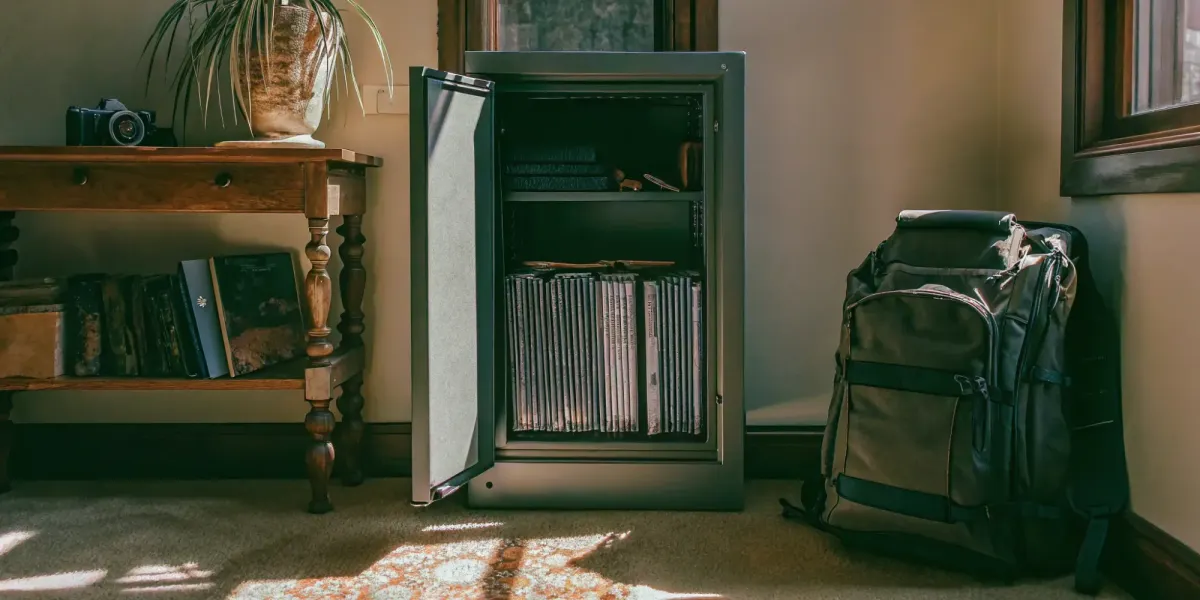
Many homeowners believe that simply having an insurance policy is enough protection against a wildfire. This is a critical misunderstanding. Your policy is a contract, but it doesn’t automatically pay out a lump sum. You have to document your losses to receive your settlement, and without proof, you risk leaving thousands of dollars on the table. A detailed home inventory is the evidence you need to validate your claim and recover what you're rightfully owed. It transforms an abstract loss into a concrete list your insurer can act on immediately. We’ll show you how to create a comprehensive record and provide a home inventory template for wildfire preparedness to make the process straightforward and effective.
Pay Less for Home Insurance
and Avoid Non-Renewal?
Our partner, Five Bays Insurance Agency, offers a free policy checkup that spots hidden discounts to make sure you’re not paying more than you should.
Key Takeaways
- Document Everything to Maximize Your Payout: After a fire, memory is unreliable. A detailed inventory with photos and values serves as undeniable proof for your insurer, helping you claim the full amount you're owed without leaving money on the table.
- Start with a Simple Video Walkthrough: The easiest way to begin is to record a video on your phone as you walk through your home. Narrate what you see and open every closet and drawer to create a fast, comprehensive visual record you can build on later.
- Store Your Inventory Safely and Keep It Current: An inventory is useless if it burns with your home. Save your files to a secure cloud service, share a copy with a trusted contact, and make a habit of adding major new purchases as you buy them.
What Is a Home Inventory (and Why You Need One Before a Wildfire)
A home inventory is a detailed list of your personal belongings. It’s a complete record of everything you own, from your sofa and television to the clothes in your closet and the tools in your garage. In the face of a wildfire threat, this document becomes one of the most critical tools you have for financial recovery.
When you’re preparing for an evacuation, your focus is on safety—getting your family, pets, and essential documents out. You don’t have time to think about cataloging your possessions. Creating an inventory before a fire strikes is a proactive step that gives you control. It provides concrete proof of what you owned, which is essential for navigating the insurance claims process and rebuilding your life after a disaster. It’s not just about listing items; it’s about creating a roadmap for your recovery.
Simplify Your Insurance Claim
After a wildfire, your insurance company will ask you to provide a list of everything you lost to process your personal property claim. Trying to create this list from memory after a traumatic event is an overwhelming and often inaccurate process. A pre-existing home inventory removes the guesswork. It serves as undeniable proof of ownership and value, making the entire claims process smoother and less contentious.
A detailed list helps ensure you don't forget items, especially the small things that add up quickly. Your insurer needs this documentation to pay your claim fairly and accurately. Having a complete inventory, like the sample spreadsheets used by public adjusters, gives your claim credibility and can prevent long delays. It allows you to substantiate your losses with confidence, turning a daunting task into a manageable one.
Speed Up Your Recovery
The period after losing a home is emotionally and logistically draining. An up-to-date home inventory is a powerful tool that can significantly ease this burden and accelerate your recovery. Instead of spending weeks or months trying to recall every item you owned, you can submit your claim almost immediately. A faster claim means a faster payout, giving you the financial resources you need to secure temporary housing, replace necessities, and begin planning your next steps.
This preparation provides more than just financial benefits; it offers peace of mind. Knowing you have a detailed record of your life’s belongings stored safely allows you to focus on your family’s well-being. It’s one less major stressor in a situation filled with them, helping you handle a difficult event with more clarity and control.
What Most Homeowners Get Wrong
Many people believe that having homeowners insurance is enough, but this is one of several common myths that keep people from being wildfire-prepared. Unlike life insurance, a homeowners policy doesn’t pay out a lump sum automatically. You must prove the value of what you lost. Without an inventory, you are unprepared to document your belongings after they are gone, and you will likely settle for far less than you are owed.
Another critical mistake is improper storage. An inventory saved on a laptop that burns in the fire is useless. You must store your inventory in a secure, accessible location away from your home. This could be a cloud service, a USB drive in a safe deposit box, or a copy shared with a trusted friend or family member. Failing to back up your inventory can make an already devastating situation much worse.
What to Include in Your Wildfire Home Inventory
Knowing what to document is the first step to creating an inventory that will actually help you after a disaster. A thorough list goes far beyond just your furniture and electronics. It should capture everything you own, from the clothes in your closets to the tools in your garage. Thinking about your home in distinct categories can make this process feel much more manageable and ensure you don’t miss anything important. Your goal is to create a complete record that leaves no doubt about the value of what you’ve lost, making it easier to work with your insurer and rebuild your life.
This breakdown covers the key areas you’ll need to focus on to build a comprehensive and effective home inventory.
A Room-by-Room Checklist
The most straightforward way to tackle your inventory is to go through your home one room at a time. Pick an easy spot to start, like a guest bathroom or hallway, to build momentum. Open every drawer, cabinet, and closet. You don’t need to list every single fork or t-shirt individually; instead, you can group items. For example, you can count clothing by general category, noting “15 dress shirts” or “8 pairs of jeans.” For bigger items like furniture and electronics, list them individually. The key is to be systematic. A detailed home inventory checklist can guide you through each space so you don’t have to rely on memory alone.
Documenting Valuables and Collections
Items like jewelry, art, antiques, and other collections require special attention. These often have significant financial or sentimental value and may need a separate insurance rider to be fully covered. Use your smartphone or camera to make a clear visual record of these possessions. Take photos of the entire item, along with close-ups of any signatures, serial numbers, or identifying marks. For very high-value items, such as fine art or heirloom jewelry, it’s a good idea to get a professional appraisal. This documentation is critical for proving their value to your insurance company and ensuring you receive a fair settlement for your most precious belongings.
Your Essential Documents and Records
Your personal documents are among the most critical items to protect. If your home is destroyed, having copies can save you from months of bureaucratic headaches. Gather important documents like birth certificates, passports, Social Security cards, wills, property deeds, tax papers, and medical records. Scan or take clear photos of each one and save the digital files to a secure cloud service. While a fireproof safe offers some protection, it may not survive a catastrophic wildfire. Having digital copies stored securely online ensures you can access them from anywhere, which is essential for starting your recovery process immediately.
Don't Forget Outdoor Items and Structures
It’s easy to focus on what’s inside your home and forget about the significant value of items outside. Walk around your property and document everything. This includes patio furniture, grills, sheds, fences, and landscaping features like mature trees or custom hardscaping, which can be expensive to replace. Power tools, lawnmowers, snow blowers, and garden tools are easy to forget, especially if they're stored in the garage or shed. These items add up quickly, so be sure to include them in your visual record and written list to account for the full value of your property.
Items You're Likely to Forget
Some of the most commonly overlooked items are the small things that fill our daily lives. Think about the contents of your kitchen drawers, the linens in your closet, holiday decorations stored in the attic, and the books on your shelves. Many homeowners also forget to document digital property, like purchased software, music, and movies. One of the biggest mistakes is failing to back up the inventory itself. A perfect inventory list stored on a laptop that’s destroyed in a fire is no help at all. Always save your completed inventory in multiple secure locations, including a cloud service and perhaps a flash drive stored in a safe deposit box.
How to Create Your Home Inventory: A Step-by-Step Guide
Creating a home inventory can feel like a massive project, but it’s one of the most powerful steps you can take to prepare for a wildfire. Think of it as your financial recovery plan. If you ever need to file an insurance claim, this document will be your proof of ownership and value, helping you get a fair and fast settlement. Without it, you’re left trying to remember every single item you owned from memory during an incredibly stressful time.
The good news is that you don’t have to do it all at once. Breaking the process down into simple, manageable steps makes it achievable. We’ll walk you through exactly how to get it done, from choosing the right method for you to capturing the details that matter most to your insurer. The goal isn’t perfection; it’s a thorough record that gives you peace of mind. By following this guide, you can build a comprehensive inventory that protects your financial future and simplifies the insurance claims process if you ever need it.
Choose Your Documentation Method
There’s no single right way to create an inventory, so pick the method that feels easiest for you to start and maintain. The most straightforward approach is to simply use your smartphone. You can make a visual record of your possessions by taking photos or, even better, shooting a slow, narrated video as you walk through your home.
If you prefer a more structured list, a simple spreadsheet works perfectly. For a more guided experience, consider using a dedicated home inventory app. Many apps are designed to help you categorize items, upload photos, and store receipts all in one place. The best tool is the one you’ll actually use, so don’t get stuck on finding the perfect system. Just pick one and begin.
Tips for Taking Photos and Videos
A picture is worth a thousand words, especially to an insurance adjuster. When documenting your belongings, aim for clarity and detail. Open every closet, cabinet, and drawer to show what’s inside. For electronics, appliances, and other high-value items, take close-up shots of the brand name, model, and serial number.
For smaller possessions like kitchenware, jewelry, or tools, don’t try to photograph each one individually. Instead, take clear photos of groups of these items laid out on a flat surface. If you’re shooting video, narrate as you go, describing what you’re recording. For example, say, “This is our living room sofa, purchased from Crate & Barrel in 2021,” or “Here is my collection of vintage cameras.”
Record the Right Details for Each Item
Your visual record is essential, but it needs to be paired with written details to be truly effective for an insurance claim. For each significant item, you should list its brand, age, how many you had, its condition, and what it would cost to replace it today. This information is exactly what your insurer will ask for when processing your claim.
Be as specific as possible. Instead of just writing “toaster,” write “Breville 4-slice toaster, model BTA840XL, purchased in 2022, excellent condition, replacement cost $180.” If you have receipts or appraisals, note that as well. The more detail you provide, the stronger your claim will be, leaving less room for dispute and helping you secure the full value you’re entitled to.
How to Organize Your Inventory: Room vs. Category
To ensure you don’t miss anything, you need a system. The two most common methods are organizing by room or by category. The best approach depends on what makes the most sense for you and your home. You can go through your home room by room (e.g., kitchen, primary bedroom, garage) or group items by type (e.g., furniture, electronics, clothing).
Organizing by room is often the most thorough method, as it forces you to systematically move through your space and document everything in a specific area. However, if you have large collections, like extensive camera gear or artwork, organizing by category might be more efficient. Whichever method you choose, stick with it to maintain consistency and make the process easier to manage.
Tools and Templates to Make Your Inventory Easier
Creating a home inventory doesn't have to start from a blank page. A number of digital tools, apps, and simple templates can streamline the process, helping you organize your information efficiently. Whether you prefer a dedicated app or a straightforward spreadsheet, the right tool can make this essential task feel much more manageable. The goal is to find a system that works for you and stick with it.
The Best Apps and Software
If you prefer a guided, digital approach, several home inventory apps can help. These tools often provide pre-built templates and prompts to ensure you don’t miss anything important. For example, HomeZada creates a starting inventory for you that you can personalize by uploading photos of your rooms and items. Other apps like Nest Egg focus on simplified data entry, while Sortly offers flexible organization using folders for either your home or a small business. Most of these apps are designed to be intuitive, allowing you to quickly capture photos, receipts, and other key details directly from your phone.
Free Inventory Checklists and Templates
You don’t need to pay for a special service to create a thorough inventory. Many reputable organizations offer free resources to get you started. The California Department of Insurance provides a home inventory guide to help you create a complete record of your belongings. Non-profits like United Policyholders also offer sample household inventory spreadsheets that show you exactly how to list items, organize them by room, and document their value. These templates are an excellent starting point and can be adapted to fit your specific needs.
What Your Insurance Company Offers
Before you start, it’s worth checking with your insurance agent or visiting your provider’s website. Many insurance companies offer their own resources to help policyholders create a home inventory. They might have a preferred spreadsheet format, a dedicated portal, or even a mobile app feature for this purpose. Using your insurer’s template can be beneficial because it ensures you’re collecting the exact information they will need if you ever have to file a claim. This simple step can save you time and reduce potential friction during the claims process.
Using Just Your Smartphone
The most powerful inventory tool you have might already be in your pocket. Your smartphone is perfect for creating a detailed visual record of your possessions. Walk through your home, room by room, and take clear photos and videos of everything you own. Open drawers, closets, and cabinets to document what’s inside. For high-value items, take close-up shots of serial numbers or other identifying marks. A simple video walkthrough where you narrate what you’re recording can also serve as a powerful and efficient record for your insurer.
How to Document Item Values for Insurance
Creating a list of your belongings is the first step, but proving their value is what ensures you get a fair settlement from your insurance company. After a disaster, you’ll be asked to provide a detailed list of lost items along with their estimated worth. Having this information ready will dramatically simplify the claims process and help you recover financially. An accurate valuation helps you confirm you have enough coverage and prevents you from leaving money on the table when you need it most.
Think of this part of your inventory as building a case for your claim. The more detailed and organized your records are, the smoother the process will be. Your insurer’s job is to verify your losses, and providing them with clear, documented proof of value makes their job easier and gets your claim approved faster. This isn’t just about listing a “sofa”; it’s about documenting a “$2,500 leather sofa purchased from Crate & Barrel in 2022.” That level of detail is your most powerful tool for a successful recovery.
Record Purchase Dates and Prices
For every significant item you own, try to note down when and where you bought it, and for how much. This might sound tedious, but it creates an essential paper trail. A great habit to start is saving the receipt for any new purchase, snapping a quick photo of it, and adding it to a digital folder. For each item, it’s helpful to document key details like the make, model, and serial number. This information is often required on claim forms and provides concrete evidence of ownership and value, leaving little room for dispute.
Estimate Replacement Costs
It’s crucial to understand the difference between an item’s original price and its replacement cost. Your goal is to determine what it would cost to buy a new, similar item today, not what you paid for it five years ago. Inflation and market changes mean that a couch you bought for $1,500 might cost $2,200 to replace now. Research current prices online for comparable items to get an accurate estimate. This ensures your homeowners insurance coverage is sufficient to actually rebuild your life, not just reimburse you for past expenses.
Find Receipts, Appraisals, and Warranties
Physical proof is your best friend in an insurance claim. Gather any receipts, invoices, and warranties you have for major purchases. For high-value items like jewelry, art, or antiques, a professional appraisal is essential. These documents serve as undeniable proof of value. Make sure you create digital copies of everything by scanning them or taking clear photos. Storing these files in a secure cloud service means you can access them from anywhere, even if the original paper copies are destroyed in a fire.
What to Do When You Don't Have a Receipt
Don’t panic if you can’t find a receipt for every single item. It’s a common situation, and there are other ways to establish value. You can search your email for online order confirmations or check old credit card and bank statements for proof of purchase. If those aren’t available, look up the price of a similar new item online from a retailer’s website. Documenting the current market price for a comparable product is a perfectly acceptable way to substantiate your claim and will help your insurance adjuster verify the loss.
Common Challenges (and How to Overcome Them)
Creating a home inventory is a significant task, and it’s completely normal to feel stuck before you even begin. The idea of cataloging a lifetime of possessions can feel monumental, causing many homeowners to put it off indefinitely. But an incomplete or nonexistent inventory is one of the biggest vulnerabilities you can have when facing a wildfire. It can complicate your insurance claim, delay your recovery, and add incredible stress to an already difficult time.
The good news is that the hardest part is getting started. You don’t have to document everything in a single weekend. The key is to break the process into manageable steps that fit your life. We’ve identified the most common roadblocks people face when creating their inventory and laid out simple, practical strategies to move past them. By tackling these challenges one by one, you can build a comprehensive record that will become your most powerful tool if you ever need to file a claim.
Feeling Overwhelmed? Start Small.
Don't try to inventory your entire house at once. That approach is a recipe for burnout. Instead, the most effective strategy is to pick an easy spot to start. This could be a single junk drawer, the medicine cabinet, or your small collection of tools in the garage. The goal is to create a small, quick win that builds momentum. Once you finish one area, you’ll feel a sense of accomplishment that makes it easier to tackle the next one. You could decide to inventory one room per week or even just commit to 15 minutes per day. A slow and steady approach will get you to the finish line without the stress.
Tackling Clutter and Large Collections
If you have a closet packed with clothes or shelves full of books, documenting every single item is impractical and unnecessary. For these categories, it’s more efficient to group them. For example, you can count clothing by general category (e.g., "20 dress shirts, 15 pairs of jeans") and take a few overview photos of the closet or shelf. For recent, more valuable purchases, list them individually. For specialized collections like art, antiques, or jewelry, you should spend more time documenting each piece. Note any appraisals or certificates of authenticity you have. This method balances efficiency with the level of detail your insurer will need for a major claim.
How to Ensure Your Inventory Is Complete
Your memory is not a reliable tool, especially after a traumatic event. A visual record is your best proof of ownership. Use your smartphone to take a slow, deliberate video of every room. As you record, open every closet, cabinet, and drawer. Narrate what you’re seeing, calling out specific items and any details you know about them, like when or where you bought them. This method helps you capture everything quickly. Don't forget to document items outside your main living space, including the contents of your garage, shed, and any outdoor structures. Your inventory should also include major assets like cars, boats, and recreational vehicles.
Stay Motivated from Start to Finish
Creating a home inventory is a marathon, not a sprint. To stay on track, it helps to stay organized and treat it like a formal project. Many disaster survivors recommend you keep a claim diary or a dedicated notebook just for your inventory. Use it to track your progress, make notes, and store receipts as you find them. Set small, achievable goals, like finishing the kitchen this week or documenting all your electronics by the end of the month. Seeing your progress in writing can provide the motivation you need to see the project through to completion. This organized record will become the foundation of a smooth and successful insurance claim.
Where to Safely Store Your Completed Inventory
Creating your home inventory is a huge step, but it’s only effective if you can access it after a disaster. Storing your only copy on a laptop inside your home won’t help if you have to evacuate and can’t return. The key is redundancy and accessibility. You need to store your inventory in multiple formats and locations, ensuring that at least one copy is safe from the fire itself. Think of it as creating backups for your most critical financial document—because that’s exactly what your home inventory is.
Secure Cloud Storage Options
This is your most flexible and accessible option. Using a secure cloud service like Google Drive, Dropbox, or iCloud means your inventory is stored remotely and can be accessed from any smartphone or computer with an internet connection. After an evacuation, you can immediately pull up your files to start your insurance claim without needing to return home. You can easily upload photos and videos directly from your phone as you create your inventory. This digital record is easy to share with your insurance adjuster, speeding up the entire process. Just be sure to use a strong, unique password to protect your account.
Why You Need an Off-Site Physical Copy
While digital storage is convenient, you should never rely on a single method. Power outages, internet disruptions, or even a forgotten password could lock you out of your digital files when you need them most. That’s why keeping a physical copy in a separate, safe location is critical. This could be a binder with printed photos and lists stored at a trusted relative’s house in another town or in a bank's safe deposit box. Failing to back up your inventory data is a common mistake that can seriously hinder recovery. An off-site physical copy ensures you always have a fallback.
Using a Fireproof Safe
For documents you need to keep at home, a high-quality fireproof safe is a smart investment. You can store a printed copy of your inventory or a USB drive containing all your digital files inside. This provides on-site protection from fire and theft. When choosing a safe, pay close attention to its fire rating, which indicates how long it can withstand intense heat while keeping the contents protected. A safe can be the last line of defense for your essential records, giving you peace of mind that a copy of your inventory will survive a fire even if your home is severely damaged.
Share a Copy with a Trusted Contact
One of the simplest backup strategies is to share a copy of your inventory with a trusted friend or family member who lives outside your immediate area. You can email them a password-protected digital file or give them a physical copy for safekeeping. This creates another off-site backup at no cost. Make it a habit to send them an updated version whenever you make significant changes, like after a major purchase. This person can be a crucial lifeline, providing you with the documents you need to start the recovery process if your other copies are inaccessible after an emergency.
How Often to Update Your Home Inventory
Creating a home inventory is a significant first step, but it’s not a one-and-done task. Your home and belongings change over time, and your inventory needs to reflect that to be useful when you need it most. An outdated list can cause major headaches during an insurance claim, potentially leaving you underinsured for new purchases or forgetting items you’ve acquired since your last update.
Think of your inventory as a living document. The goal is to build simple, repeatable habits that make keeping it current feel effortless rather than like a massive annual project. By integrating updates into your existing routines, you ensure your documentation is always ready, providing peace of mind and a powerful tool for financial recovery after a wildfire. Regular updates are the key to transforming your inventory from a static checklist into an active part of your home’s protection plan.
Set an Annual Review Date
The easiest way to ensure your inventory doesn't become obsolete is to schedule a dedicated time to review it each year. Pick a date that’s easy to remember, like your birthday, the start of a new year, or when you change the batteries in your smoke detectors. During this review, you can go through your list, photos, and videos to confirm everything is still accurate. This is your chance to add any significant new purchases you may have missed and remove items you no longer own. An annual check-in helps you maintain an accurate record for your homeowner's insurance policy and keeps your preparedness efforts on track.
Add New Items as You Buy Them
Don't wait for your annual review to document major purchases. The best habit you can build is to update your inventory as soon as you bring a new, valuable item home. Just bought a new laptop, television, or piece of furniture? Take a few minutes to snap photos of the item, its serial number, and the receipt. Immediately upload these to your digital inventory folder. Using your smartphone to create a visual record of new possessions makes the process quick and simple. This ensures your inventory always reflects your current belongings and prevents the daunting task of trying to remember a year's worth of purchases all at once.
Link Updates to Seasonal Home Maintenance
Another effective strategy is to tie your inventory updates to routine home maintenance tasks. When you’re doing spring cleaning, take a few extra minutes to photograph your outdoor furniture, grill, and garden tools. When you pull out holiday decorations, document any valuable new ornaments or gifts you received. As you switch out seasonal clothing, you can update the section of your inventory covering your wardrobe. By connecting this task to something you already do, it becomes a natural part of maintaining your home. This approach breaks the work into smaller, more manageable pieces throughout the year, ensuring your inventory remains thorough and accurate.
How Your Inventory Becomes Your Most Powerful Tool for Insurance Claims
After a wildfire, the last thing you want is a long, drawn-out battle with your insurance company. A home inventory is more than just a list; it’s your single most important piece of evidence for proving your losses. When you’re facing the overwhelming task of rebuilding, having a detailed record of your belongings prepared ahead of time can make the difference between a smooth, fair claims process and a frustrating, drawn-out ordeal. This document is your proof of ownership and the key to getting your life back on track as quickly as possible.
Think of it this way: your insurance policy is a contract, but your inventory is the proof that validates your side of the agreement. Without it, you are relying solely on memory during one of the most stressful times of your life. An inventory transforms an abstract loss into a concrete, itemized list that an insurance adjuster can work with immediately. It shifts the power back to you, ensuring you have the documentation needed to support your claim and recover what you're owed without unnecessary stress. It’s a proactive step that protects your financial future and provides peace of mind long before a disaster strikes.
Streamline the Claims Process
Trying to remember every single item you owned after a traumatic event like a wildfire is a nearly impossible task. The California Department of Insurance notes that strong emotions after a loss can make it incredibly difficult to recall your belongings. An inventory does the work for you. Instead of starting from a blank page, you can hand your insurance adjuster a comprehensive, organized list complete with photos and values. This immediately demonstrates the extent of your loss and gives them the information they need to start processing your claim without delay. It removes the guesswork and emotional strain from the equation, allowing you to focus on your family and your recovery.
Maximize Your Insurance Payout
Your insurance policy is designed to help you recover financially, but you can only claim what you can prove you lost. Without a detailed inventory, you’re almost certain to forget hundreds of items, from the expensive stand mixer in the kitchen to the collection of tools in the garage. Each forgotten item represents money you’re entitled to but may never receive. Properly documenting your belongings is essential to avoid leaving thousands of dollars on the table. A thorough inventory ensures every item is accounted for, giving you the documentation needed to claim the full value you are owed under your personal property coverage.
Give Your Insurer Exactly What They Need
Insurance adjusters need specific details to value your lost items and process your claim correctly. Simply listing "television" or "sofa" isn't enough. They need to know the brand, model, approximate age, and original cost to determine the replacement value. A great home inventory includes all of this information. By taking photos or videos of your belongings, you provide visual proof that helps with the insurance claim later. Providing this level of detail upfront makes the adjuster’s job easier, builds trust, and shows that you are organized and prepared, which can lead to a more positive and efficient claims experience.
Avoid Frustrating Claim Delays
One of the biggest sources of frustration during the claims process is delay. Often, these delays happen because the insurance company needs more information. An adjuster might repeatedly come back to you with questions about specific items, asking for proof of ownership or more details on their value. This back-and-forth can drag the process out for weeks or even months. A complete home inventory submitted at the very beginning of your claim provides everything they need in one package. As the nonprofit United Policyholders explains, a detailed list is critical for a smooth claim. It minimizes questions, reduces friction, and helps you get your settlement check faster.
Create Your Wildfire-Ready Home Inventory Today
Creating a home inventory can feel like a monumental task, but it’s one of the most powerful steps you can take to protect your financial future. In an environment where insurance is becoming harder to secure and more expensive, having a detailed record of your possessions is no longer just a good idea—it's a critical piece of your financial defense. After a wildfire, the last thing you want is to try and remember every single item you owned from memory while dealing with immense stress and loss. A detailed inventory is your proof. It’s the tool that helps you file an accurate insurance claim, speeds up the recovery process, and ensures you get the full value you’re entitled to. Without it, you risk leaving thousands of dollars on the table because you simply can't recall every book, kitchen utensil, or piece of clothing. Think of it as your personal financial recovery plan, ready to go before disaster strikes. Taking the time to do this now gives you control and peace of mind when you need it most.
Your First Three Steps
Getting started is the hardest part, so let's break it down into three simple actions you can take right now. First, create a comprehensive list. Walk through your home, room by room, and document your belongings—from furniture and electronics to clothing and kitchenware. The California Department of Insurance provides a great guide for this process. Second, use your phone to create a visual record. Take photos or a continuous video of your possessions, opening drawers and closets to capture everything. This visual evidence is invaluable for validating your claim. Finally, make a habit of keeping your inventory current. Add major new purchases as you make them so your list is always an accurate reflection of what you own.
Download Our Free Home Inventory Template
To make this process even simpler, we’ve created a free home inventory template to guide you. It removes the guesswork by providing a clear structure for documenting your possessions, ensuring you don’t miss critical details your insurer will need. You can see an example of a completed spreadsheet from United Policyholders to understand what a thorough inventory looks like. Our template is designed to work seamlessly with your overall preparedness strategy. Download it today and take the first concrete step toward building your complete Wildfire Action Plan.
Related Articles
- Is Your Wildfire Insurance Coverage Enough?
- SoCal Wildfire Insurance Readiness: A Complete Guide
- What Does Wildfire Insurance Cover? A Simple Guide
Pay Less for Home Insurance
and Avoid Non-Renewal?
Our partner, Five Bays Insurance Agency, offers a free policy checkup that spots hidden discounts to make sure you’re not paying more than you should.
Frequently Asked Questions
This feels overwhelming. What's the most important first step if I only have a little time? Don't try to do everything at once. If you only have an hour, grab your smartphone and take a slow, narrated video of your entire home. Walk through each room, opening every closet, cabinet, and drawer. This creates a powerful visual record that serves as a baseline. It’s not a perfect inventory, but it’s an incredibly valuable starting point that is far better than having nothing at all. You can always go back later to add written details.
Is a video of my home enough, or do I also need a written list? A video is an excellent start, but a written list is what turns that visual proof into a strong insurance claim. Think of it this way: the video proves you owned the items, while the written list provides the specific details—like brand, model, and replacement cost—that your insurer needs to value them. The two work together to make your claim as smooth and accurate as possible, so it's best to have both.
What if I don't have receipts for older items? How do I prove what they're worth? It's completely normal not to have receipts for everything you own. Your goal is to establish a reasonable replacement cost. You can do this by searching your email for online order confirmations or looking through old bank and credit card statements. If that isn't an option, simply find a similar item for sale online today and document its current price. This research shows the adjuster what it would cost to replace your lost item with a new one of like kind and quality.
How detailed should I be? Do I really need to list every single t-shirt and fork? No, you don't need to list every single small item individually. For categories like clothing, kitchen utensils, or books, it's much more efficient to group them. For example, you can note "15 pairs of jeans" or "8-piece cookware set" and take a clear photo of the collection. Reserve the detailed, individual documentation for your more significant possessions, such as furniture, electronics, appliances, jewelry, and artwork.
Will my insurance company actually accept this, or is it just a waste of time? An inventory is one of the most valuable tools you can provide to your insurer. It is absolutely not a waste of time. Insurance companies require you to provide a list of lost property to process your claim, and a pre-existing inventory gives them exactly what they need in an organized format. It demonstrates the extent of your loss, builds credibility, and helps the adjuster process your claim more efficiently, which ultimately helps you get your settlement faster.