
7 Fire Wise Landscaping Maintenance Tips for Your Home
Protect your home with these 7 fire wise landscaping maintenance tips. Learn how to reduce wildfire risk and keep your property safer year-round.
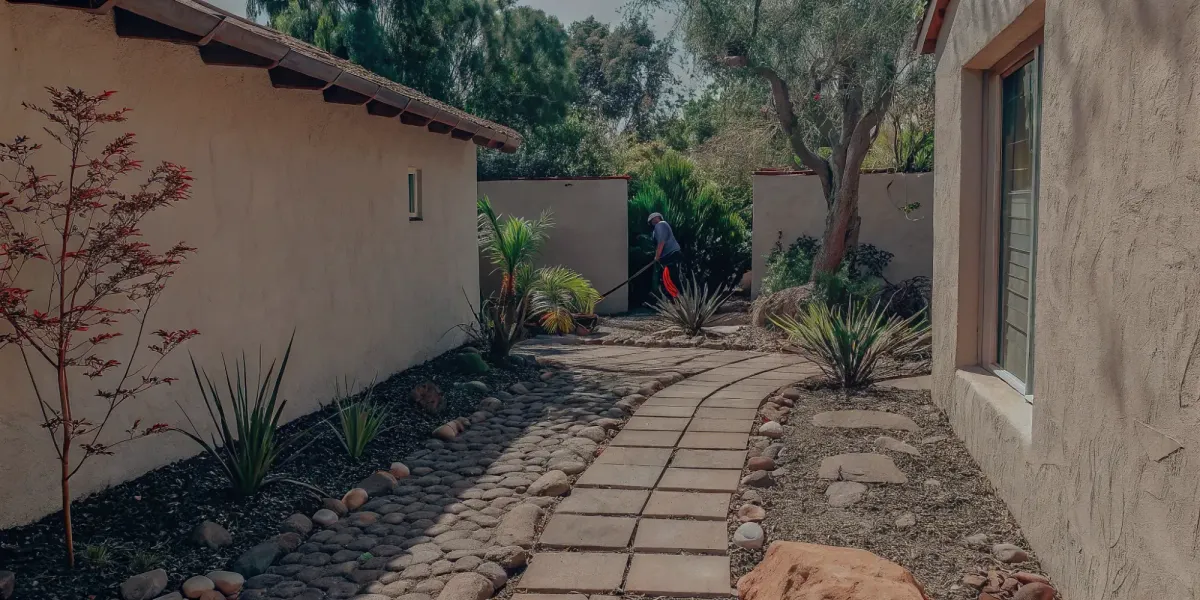
When a wildfire threatens, your home’s first line of defense isn’t the fire department—it’s the 100 feet of property surrounding it. How you manage this space can determine whether your house survives. For many of us in wildfire-prone regions, this reality is compounded by the stress of keeping our homes insured. The good news is that the steps you take to protect your property are the same ones that insurers want to see. This guide is designed to empower you with a clear, actionable strategy. We will break down the principles of defensible space and provide the essential fire wise landscaping maintenance tips needed to create a resilient, insurable, and beautiful yard that stands ready.
Pay Less for Home Insurance
and Avoid Non-Renewal?
Our partner, Five Bays Insurance Agency, offers a free policy checkup that spots hidden discounts to make sure you’re not paying more than you should.
Key Takeaways
- Create Layers of Protection with Defensible Space: Start by making the five feet closest to your home non-flammable with materials like gravel (Zone 0). Then, systematically reduce flammable vegetation in the surrounding zones (1 & 2) through strategic clearing and pruning to slow a fire's approach.
- Swap Fuel for Firebreaks: Your landscaping choices can either feed a fire or stop it. Remove highly flammable plants like junipers and pines, especially near your house, and replace them with high-moisture, fire-resistant alternatives. Use non-combustible materials like gravel paths and stone walls to build barriers that halt the spread of flames.
- Make Maintenance a Year-Round Habit: A fire-resistant yard requires consistent upkeep to remain effective. Treat it like any other home maintenance by building a simple, seasonal routine of clearing leaves, pruning vegetation, and cleaning gutters. This ongoing effort is what truly protects your property and demonstrates your commitment to risk reduction for insurers.
What is Firewise Landscaping? (And Why It Matters for Your Insurance)
Firewise landscaping is a strategic approach to managing the plants and materials around your home to reduce its vulnerability to wildfire. Think of it less as traditional gardening and more as creating a critical safety buffer. The primary goal is to establish what fire professionals call "defensible space"—an area around your property cleared of flammable vegetation. This space is designed to slow or stop the spread of wildfire and protect your home from catching fire from direct flames or intense radiant heat.
This isn't just about aesthetics; it's a fundamental part of home defense. A well-designed firewise landscape provides a safer area for firefighters to work, giving them a tactical advantage. In an era where insurance non-renewals and soaring premiums are the new normal, demonstrating that you have taken these proactive steps is more critical than ever. It’s one of the most effective ways to take control, protect your investment, and keep your family safe.
Lower Your Risk, Keep Your Coverage
For many homeowners, a non-renewal notice from an insurance company is a major source of stress and uncertainty. Firewise landscaping is one of the most powerful tools you have to respond. Insurers evaluate risk, and a home with a well-maintained defensible space is simply a lower risk. Why? Because it dramatically increases the odds that your home will survive a wildfire. According to the Utah State University Extension, this space gives firefighters a much better chance to protect your property during an emergency. By actively reducing the fuel on your land, you're not just protecting your home—you're making it a more insurable asset in a very challenging market.
Go Beyond Rules for Real-World Protection
While meeting local codes and satisfying your insurer is important, the ultimate goal is real-world protection for your family and property. Firewise landscaping isn't a one-time task you check off a list; it's an ongoing commitment to maintaining your property's safety. This continuous effort of planning, pruning, and clearing debris results in less fuel for a fire to consume, better access for emergency responders, and crucial protection against wind-blown embers, which are a primary cause of home ignition. A well-managed landscape significantly raises the chance your house will still be standing after a wildfire passes. A great way to stay on top of these tasks is to build them into your personalized Wildfire Action Plan.
The Building Blocks of a Fire-Resistant Yard
Your yard can either be a pathway for wildfire or a barrier that protects your home. The difference comes down to strategic landscaping choices that reduce fuel and slow a fire’s spread. Insurers are paying close attention to these details, and so should you. A fire-resistant yard isn't about stripping your property bare; it's about making smart, intentional decisions that create layers of defense. Think of it as building a buffer between the wildlands and your front door.
This approach is about more than just following rules; it’s about understanding how fire behaves and using that knowledge to your advantage. By focusing on three core components—defensible space, smart plant selection, and the strategic use of non-flammable materials—you can significantly lower your property’s risk. These aren't just cosmetic changes; they are fundamental safety measures that can make all the difference when a wildfire threatens your neighborhood and can help you maintain your insurance coverage.
Create Defensible Space
Defensible space is the buffer you create between your home and the flammable vegetation surrounding it. The goal is to reduce the amount of fuel—flammable plants, dead leaves, and other materials—near your structures. This space is critical for two reasons. First, it slows or stops the spread of wildfire, preventing flames from reaching your house. Second, it provides a safer area for firefighters to work in. As CAL FIRE emphasizes, creating a defensible space gives firefighters a much better chance to protect your home during an emergency. It’s one of the most effective actions you can take to safeguard your property.
Select and Space Plants Wisely
The plants you choose and where you place them matter immensely. Some plants are naturally more flammable than others due to high oil or sap content, like juniper and pine. Instead, look for low-flammability plants that have high moisture content, compact shapes, and green stems. Deciduous plants, which lose their leaves in the fall, tend to be more fire-resistant than evergreens. Just as important as plant choice is spacing. Avoid creating "fire ladders"—arrangements where flames can climb from low-lying shrubs to taller tree canopies. A good rule of thumb is to trim tree branches so the lowest ones are at least six feet from the ground.
Use Hardscaping as a Firebreak
Hardscaping refers to the non-living elements of your landscape, and it’s your best friend in creating a fire-resistant yard. Materials like gravel, pavers, concrete walkways, and stone retaining walls don't burn. You can use them to create fuel breaks that stop a ground fire in its tracks. For example, surround the immediate perimeter of your home with a five-foot-wide walkway of gravel or pavers instead of flammable wood mulch. On larger properties, a well-maintained strip of low-growing, irrigated plants or a wide gravel path can separate your main yard from wilder, unmanaged areas, acting as a crucial firebreak.
How to Maintain Your Firewise Landscape
Creating a fire-resistant yard is a great first step, but it’s the ongoing upkeep that truly protects your home and keeps you insurable. Think of it less like a one-time project and more like regular home maintenance, similar to cleaning your filters or checking your smoke detectors. Wildfires don’t wait for you to be ready, and a landscape that was safe in the spring can become a hazard by late summer if neglected. Dry leaves, overgrown shrubs, and dead branches are fuel waiting for an ember.
Regular maintenance sends a clear signal to insurance providers that you are actively managing your property’s risk. It demonstrates a commitment to safety that can make a real difference when it comes time to renew your policy. These simple, repeatable actions are the foundation of a resilient property. By integrating them into your routine, you take control of your home’s defense system. Each task, from pruning a tree to cleaning your gutters, is a critical part of your overall Wildfire Action Plan, turning your yard into a buffer against flames instead of a path for them to follow.
Prune Trees and Shrubs
One of the most effective ways a wildfire spreads is by climbing from low-lying shrubs into the branches of taller trees. This creates a “fire ladder,” allowing flames to reach the tree canopy and potentially your roof. To prevent this, you need to create a vertical gap. Trim the lower branches of trees at least six to ten feet from the ground. For mature trees, a good rule of thumb is to ensure the space between the top of the shrubs and the lowest tree branches is at least three times the height of the shrubs. This simple pruning practice breaks the ladder and can stop a ground fire in its tracks.
Clear Flammable Debris Regularly
Embers can travel a mile or more ahead of a wildfire, and they are looking for the perfect kindling to start a new fire. Don’t let that kindling be in your yard. Make it a regular habit to remove all flammable debris from your property, especially within 30 feet of your home. This includes sweeping up fallen leaves, pine needles, twigs, and dead weeds. Pay special attention to areas where debris collects, like against fences, under decks, and at the base of your foundation. A clean yard offers fewer opportunities for embers to ignite and threaten your home.
Water Smartly for Fire Resistance
A well-hydrated plant is a less flammable plant. While no plant is truly fireproof, those that are healthy and moist will resist ignition much better than dry, stressed vegetation. Focus your watering efforts on the plants within 30 feet of your home—your most critical defense zone. In areas with water restrictions, this doesn’t have to mean a huge water bill. You can water efficiently by using drip irrigation systems that deliver moisture directly to the roots and by choosing native, drought-tolerant plants that are naturally adapted to the climate and require less water to stay healthy and green.
Keep Roofs, Gutters, and Decks Clean
Your roof and gutters are prime landing spots for wind-blown embers. A buildup of dry leaves or pine needles in these areas can easily ignite and spread fire to the structure of your home. Regularly inspect and clean your roof and gutters, removing all accumulated debris. This is one of the most important parts of creating defensible space. Don’t forget to clear away flammable materials from underneath your deck, as this is another common spot where embers can gather and ignite the underside of your home. Installing non-combustible gutter guards can also help reduce how often you need to clean.
How to Create Your Defensible Space: A Zone-by-Zone Guide
Creating defensible space is one of the most effective actions you can take to protect your home from wildfire. Think of it as a buffer zone you create between your house and the surrounding grass, trees, and wildland. This space is designed to slow or stop the spread of wildfire and protect your home from catching fire—either from direct flame contact or from flying embers. Insurers are paying close attention to this, and a well-maintained defensible space can be the key to keeping your coverage.
State and local laws often mandate defensible space, but following the guidelines is about more than just compliance. It’s about giving firefighters a safe area to work in and giving your home a real chance of survival. The concept is broken down into three distinct zones, starting from your house and moving outward. Each zone has a specific job to do, and managing them correctly creates layers of protection. Let's walk through how to tackle each one.
Zone 0: The Ember-Resistant Zone (0-5 feet)
This is the most critical area and your home’s last line of defense. The five feet immediately surrounding your foundation must be an environment where embers cannot ignite a fire. Embers are the primary way homes catch fire during a wildfire, so this zone needs to be practically non-flammable. Start by removing wood mulch, flammable plants, and anything combustible right next to your walls. Instead, use hardscaping materials like gravel, pavers, or concrete. Keep this area clear of stored items, and make sure the space under your deck is free of leaves and debris. Trim any tree branches that extend into this zone, especially those near your chimney.
Zone 1: The Lean, Clean, and Green Zone (5-30 feet)
In this zone, the goal is to create a landscape that won't carry a fire to your doorstep. It’s all about interrupting the fire’s path. You can have plants and trees here, but they need to be carefully selected and maintained. Remove all dead plants, grass, and weeds. Clear away fallen leaves and pine needles from your yard. The key is spacing: trim trees regularly to keep their canopies at least 10 feet apart. This prevents fire from jumping from treetop to treetop. You should also remove lower branches to create vertical space between the ground and the tree canopy, which helps stop a ground fire from climbing into the trees.
Zone 2: The Reduced Fuel Zone (30-100+ feet)
This outer zone acts as a transition between your manicured yard and the surrounding wildland. The objective here isn’t to clear the land completely but to reduce the amount of fuel available to a fire. Cut or mow annual grass down to a maximum height of four inches. Create horizontal and vertical space between shrubs and trees to break up the continuous vegetation. You can leave some leaf litter on the ground (up to three inches deep is fine), but you should remove piles of dead branches and debris. By thinning out the vegetation in this zone, you effectively slow a wildfire down and reduce its intensity before it gets anywhere near your home. Creating this space is a foundational part of your Wildfire Action Plan.
How to Choose Fire-Resistant Plants
Choosing the right plants is one of the most powerful steps you can take to create a fire-resistant landscape. It’s not about surrounding your home with rock and concrete; it’s about making strategic choices that reduce fuel for a fire. The goal is to select beautiful, healthy plants that are less likely to ignite from embers and will burn slowly if they do catch fire. This proactive approach is a critical part of your home hardening strategy and something insurers are increasingly looking for when assessing a property’s risk. Making smart plant selections demonstrates you are actively managing your property’s wildfire vulnerability.
What to Look For in a Fire-Safe Plant
No plant is truly "fireproof," but many are considered fire-resistant. These plants share a few key characteristics. Generally, deciduous plants are more fire resistant because their leaves hold more moisture and their chemical makeup is less flammable. When you’re at the nursery, look for plants with supple, moist leaves and avoid those that accumulate a lot of dead, dry material. Plants with waxy, oily, or resinous leaves and bark—like many conifers—tend to be highly flammable. A good rule of thumb is to choose high-moisture plants that are low-growing and have a low sap or resin content.
Our Top Picks for Fire-Resistant Plants
Building a firewise garden doesn't mean sacrificing beauty. Many stunning, low-maintenance plants can help protect your home. When planning your garden, consider incorporating a mix of shrubs, perennials, and groundcovers that are known for their fire-resistant qualities. It's always a good idea to consult with a local nursery to find native options that are also drought-tolerant.
Some excellent fire-resistant plants for home gardeners include:
- Shrubs: Lilac, Mock Orange, Rose of Sharon, and Ceanothus (California Lilac)
- Perennials: Lavender, Daylily, Coneflower, and Coral Bells
- Groundcovers: Ice Plant and Dead Nettle
Plants to Remove from High-Risk Areas
Just as important as what you plant is what you remove. Certain plants act like gasoline in a wildfire due to their high content of flammable oils and resins. These should be cleared out, especially within the first 30 feet of your home (Zones 0 and 1). Their removal drastically reduces the fuel a fire has to work with, slowing its spread and lowering its intensity near your structures.
Pay special attention to removing these common culprits:
- Junipers
- Pines, Firs, and Spruces
- Eucalyptus
- Russian Olive trees
- Many ornamental grasses
These plants burn hot and fast, creating intense flames and embers that can easily threaten your home. Replacing them is a critical step in making your garden more firewise and wildfire-resistant.
Avoid These Common Firewise Landscaping Mistakes
Creating a fire-resistant landscape is one of the most powerful steps you can take to protect your home. But even with the best intentions, it’s easy to make mistakes that can accidentally increase your risk. Understanding these common pitfalls is just as important as knowing what to do right. It’s not about achieving perfection; it’s about making smart, informed choices that give your home its best chance of survival.
Many homeowners work hard to clear brush and choose the right plants, only to overlook a few critical details that can undermine their efforts. From choosing the wrong materials near your foundation to letting maintenance slide during a busy season, these small missteps can create pathways for fire. The goal is to interrupt a wildfire’s path, not give it an easy route to your front door. Let’s walk through some of the most frequent mistakes so you can avoid them and ensure your hard work truly pays off in protecting your family and property.
Myth: "Fireproof" Plants Exist
It’s a tempting idea, but one of the biggest misconceptions is that you can find and plant "fireproof" plants. The truth is, no plant is completely immune to fire. All vegetation will burn if conditions are hot and dry enough. Instead, the goal is to use fire-resistant plants, which have characteristics that make them less likely to ignite or spread flames. These plants typically have supple leaves, high moisture content, and a low-growing habit. But even a fire-resistant succulent can become a hazard if it’s not maintained and accumulates dead, dry material. Think "fire-resistant," not "fireproof," and remember that healthy, well-watered plants are always the safer choice.
Forgetting That Maintenance is Key
Creating defensible space is not a one-time project you can check off your list and forget. A firewise landscape is a living system that requires consistent upkeep. Plants grow, leaves fall, and weeds sprout. A yard that was perfectly prepared in the spring can become a significant fire hazard by late summer if left unattended. Firewise landscape maintenance means regularly clearing dead leaves, pine needles, and overgrown vegetation. It’s an ongoing commitment, but it’s absolutely essential. Your efforts are only as effective as your most recent cleanup, so building a simple, year-round maintenance routine is critical for keeping your home safe.
Ignoring Plant Spacing and Fire Ladders
You can have the most fire-resistant plants in the world, but if they are planted too closely together, they can still carry a fire right to your home. Proper spacing is crucial for interrupting a fire’s path. This is especially true when it comes to "fire ladders." A fire ladder is created when low-lying shrubs or grasses allow flames to climb up into taller trees. Once a fire reaches the tree canopy, it becomes much more intense and difficult to control, spreading embers for miles. To prevent this, trim the lower branches of large trees and remove smaller shrubs and plants from directly underneath them. This separation is a simple but vital step in breaking the chain of fuel.
Using Flammable Mulch Too Close to Home
Mulch is a gardener’s best friend for retaining moisture and suppressing weeds, but the wrong kind can be a serious fire hazard. Shredded wood, bark, and pine straw are highly flammable and can act like kindling right next to your foundation. Within the first five feet of your home—what experts call the Ember-Resistant Zone—you should avoid using any flammable mulch. Instead, create defensible space with non-combustible materials like gravel, pavers, or concrete. These hardscaping features create a critical firebreak that can stop embers from igniting your siding. If you use wood-based mulch in other parts of your yard, make sure it’s well-irrigated and broken up by non-flammable walkways.
Your Year-Round Firewise Maintenance Calendar
Keeping your property fire-resistant isn’t a one-time project; it’s an ongoing cycle of care. Wildfire risk changes with the seasons, and so should your maintenance routine. Breaking down the work into a year-round calendar makes it manageable and ensures your home is always prepared. Think of it as seasonal cleaning for your home’s first line of defense. This simple schedule helps you stay on top of the most critical tasks, from spring cleanup to winter planning, so you can reduce your risk and protect what matters most. A great way to track these tasks is by building them into your own Wildfire Action Plan.
Spring: Clean Up and Assess
As the weather warms and plants start growing again, it’s time for a thorough spring cleaning. Your main goal is to clear out the flammable debris that accumulated over winter. Rake up and remove dead leaves, pine needles, and fallen twigs from your entire property, paying special attention to the area immediately around your home. This is also the perfect time to clear your roof and gutters, as embers can easily ignite the dry material trapped there. Walk your property and assess what needs attention for the coming fire season. This initial cleanup sets the stage for a safer summer.
Summer: Water and Monitor Growth
Summer brings heat and dry conditions, making it the most critical time to keep your landscape healthy. Well-hydrated plants are less likely to burn than dry, stressed ones. Stick to a regular watering schedule, focusing on deep watering early in the morning to minimize evaporation. Keep a close eye on your plants for any signs of stress, like wilting or browning, and address them immediately. Continue to mow dry grasses and remove any weeds that pop up. Consistent firewise landscape maintenance during these peak months is essential for reducing the fuel available to a wildfire.
Fall: Prune and Prepare for Winter
As the growing season winds down, shift your focus to pruning and removing excess vegetation. Trim tree branches so they are at least 10 feet away from your chimney and roof. If you have trees on a slope, ensure there is even more clearance. Prune shrubs and remove any dead or dying limbs from plants throughout your yard. This is also when deciduous trees drop their leaves, so continue to rake and remove them, especially from the zones closest to your home. Reducing this fuel load before winter is a critical step in preparing for the next year.
Winter: Plan and Maintain Tools
Winter is the ideal time for planning and tackling bigger projects. With vegetation dormant, you can get a clearer view of your property’s layout and structure. Walk your yard and plan any changes for the spring, like removing a flammable plant or creating a new hardscape firebreak. This is also a good time to inspect and enclose the areas under decks and porches with fire-resistant materials. Make sure your landscaping tools—like chainsaws, trimmers, and chippers—are clean and in good working order. A little preparation now makes your firewise landscaping work in the spring much easier.
Where to Get Expert Help and Tools
Making your property more fire-resistant can feel like a huge project, but you don’t have to do it alone. A wealth of local and digital resources are available to guide your decisions, from choosing the right plants to understanding specific clearance requirements. Tapping into this expertise ensures your efforts are effective and aligned with what local fire officials and insurance carriers want to see. Here are the best places to start.
Find Local Experts: Fire Safe Councils and Master Gardeners
Your best defense is often local knowledge. Organizations like Fire Safe Councils are community-led groups focused on wildfire preparedness and can offer grants, workshops, and neighborhood-specific advice. Similarly, your county’s Master Gardener program can provide tailored recommendations for fire-resistant plants that thrive in your specific climate and soil. They can give you specific advice for your area, helping you choose beautiful, low-fuel options for your landscape. These experts translate general guidelines into practical steps for your own backyard, making the process much more manageable.
Connect with Your Local Fire Department
Before you start a major landscaping project, your local fire department should be one of your first calls. While state agencies like CAL FIRE set baseline standards, your city or county may have stricter rules. For example, some areas might require 50 feet of clearance in Zone 1 instead of the standard 30 feet. You should always check with your local fire department to confirm the exact requirements for your property. They are the ultimate authority on defensible space in your community and can often provide free consultations or inspections to help you comply.
Build Your Custom Wildfire Action Plan
Protecting your home is not a one-time task. Creating a firewise landscape is an ongoing process of planning, planting, pruning, and maintaining. To keep track of it all and ensure nothing falls through the cracks, you need a centralized plan. This is where a dedicated tool can make all the difference. By using the Wildfire Action Plan, you can consolidate your risk assessment, home hardening checklist, and evacuation routes in one place. It turns your research and hard work into a clear, actionable strategy that helps protect your family and property year after year.
Related Articles
- The Essential List of Fire Resistant Plants & Trees
- 9 Fire Wise Landscaping Ideas for Your Front Yard
Pay Less for Home Insurance
and Avoid Non-Renewal?
Our partner, Five Bays Insurance Agency, offers a free policy checkup that spots hidden discounts to make sure you’re not paying more than you should.
Frequently Asked Questions
Will creating a firewise landscape guarantee that my insurance company won't drop me? While there's no absolute guarantee, taking these steps significantly improves your standing with insurers. Insurance is all about risk assessment. By creating a well-maintained defensible space, you are actively demonstrating that your property is a lower risk than a neighboring one that is overgrown. It shows you are a proactive homeowner, which can make a real difference in a competitive insurance market and is one of the most effective actions you can take to remain insurable.
This feels overwhelming. What is the single most important thing I should do first? Start with Zone 0, the five-foot area immediately surrounding your home's foundation. This is your last line of defense against embers, which cause most homes to ignite during a wildfire. Clear this area of all flammable materials—swap wood mulch for gravel, remove flammable plants, and clean out any leaves or debris hiding under your deck. Securing this small but critical zone provides the biggest and most immediate return on your safety efforts.
Do I have to remove all of my large trees to be safe? Not at all. A fire-resistant yard doesn't have to be a barren one. The goal is to manage your trees, not necessarily eliminate them. The key is to prune lower branches at least six to ten feet from the ground to remove "fire ladders" that allow flames to climb into the canopy. Also, ensure tree canopies are spaced at least ten feet apart. Healthy, well-maintained trees can absolutely be part of a beautiful and safe landscape.
What's the real difference between a "fire-resistant" plant and a "fireproof" one? This is a critical distinction. The truth is, no plant is truly fireproof; everything will burn if conditions are hot and dry enough. Fire-resistant plants are simply those with characteristics that make them less likely to ignite, like high moisture content and supple leaves. They burn slower and with less intensity. Think of them as less-flammable fuel, not non-flammable material. Your goal is to choose these smarter options and keep them healthy and well-watered.
Is it okay to use wood mulch in my garden beds? You should avoid using any flammable mulch, like wood chips or pine straw, within the first five feet of your home and other structures. This area is highly vulnerable to embers, and flammable mulch acts like kindling right next to your siding. Beyond that five-foot zone, you can use it more safely, but it's always a good practice to break up large mulched areas with non-flammable walkways made of gravel or pavers to slow a fire's spread.