Fire Inspection Near Me: A Guide to Staying Insurable
Find out why a fire inspection near me matters for your insurance, what inspectors look for, and how to prepare your home to stay covered and protected.
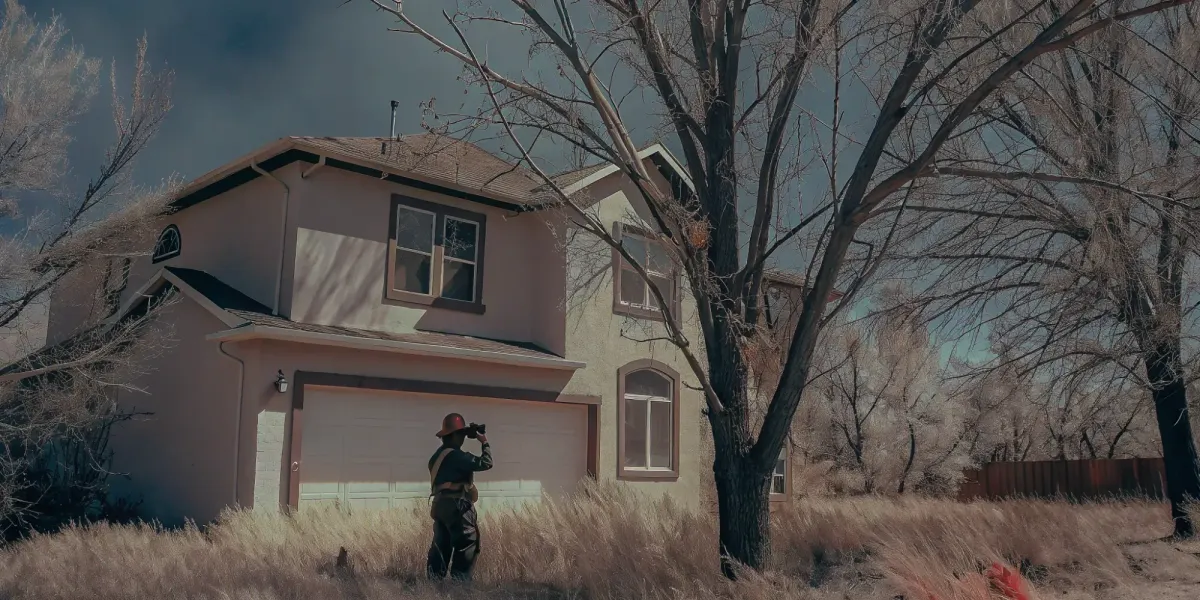
If you’ve found yourself typing ‘fire inspection near me’ into a search bar, you’re likely feeling the pressure from California’s chaotic insurance market. You’re not just looking for an inspector; you’re looking for answers and a way to secure your home’s future. You need to know if the money you’ve spent on a new roof or clearing brush actually matters to an underwriter. A professional inspection provides that crucial third-party validation. It documents your mitigation efforts and gives you a clear report to share with your insurance agent, turning your hard work into tangible proof of a lower risk. This article will guide you through finding a credible inspector and using their report to make your case.
Pay Less for Home Insurance
and Avoid Non-Renewal?
Our partner, Five Bays Insurance Agency, offers a free policy checkup that spots hidden discounts to make sure you’re not paying more than you should.
Key Takeaways
- Treat an Inspection as Proof for Your Insurer: A professional wildfire inspection report provides the concrete evidence insurers need to see you as a responsible partner. It documents your home's safety features and mitigation work, turning assumptions about your property's risk into facts that can help you keep your coverage.
- Prioritize Home Hardening and Defensible Space: Inspectors focus on two key areas: the fire-resistant materials your home is made of (roofing, vents, siding) and the cleared space around it (especially the first 5-30 feet). Making improvements here offers the greatest impact on both your safety and your insurability.
- Take Control by Hiring the Right Professional: Don't wait for your insurer to mandate an inspection. Proactively find a certified inspector through trusted sources like your local fire department, verify their credentials, and use their report as your personal guide for making meaningful safety upgrades.
What is a Wildfire Risk Inspection (and Why Do You Need One)?
A wildfire risk inspection is a detailed evaluation of your property to identify fire hazards and check how well your home is protected. Think of it as a specialized check-up for your home’s ability to withstand a wildfire. An inspector walks your property, looking at everything from the type of roof you have to the plants growing near your foundation. The goal is to give you a clear picture of your specific vulnerabilities and a list of actionable steps to reduce your risk.
For homeowners in high-risk areas, these inspections are becoming essential. As insurance companies pull back from entire regions, a professional inspection report can be one of the most powerful tools you have. It provides documented proof of the safety measures you’ve taken, moving your home from an unknown liability to a calculated risk in the eyes of an underwriter. It’s no longer enough to just hope for the best; you need to proactively manage and demonstrate your home’s resilience.
Why Your Insurance Company Cares About Inspections
Insurance is all about managing risk. For an insurer, a property in a wildfire-prone area without a recent inspection is a huge question mark. They don’t know if you have a wood shake roof or a Class A fire-rated one. They don’t know if you have 100 feet of defensible space or a yard full of flammable brush. An inspection replaces their assumptions with facts. When you provide a report showing that your home’s protective measures are in place and functioning correctly, you reduce your risk profile. This documented effort shows you are a responsible partner in protecting your property, which can be a key factor in their decision to offer or renew your coverage.
What Happens if You Skip an Inspection?
Skipping a wildfire risk inspection can have serious consequences, with the most immediate being the loss of your insurance. If your carrier requests an inspection and you don’t complete one, they may see it as a red flag and issue a non-renewal notice. Without that professional assessment, you have no way to prove your home meets modern safety standards. This can leave you scrambling for coverage, often forcing you onto more expensive, last-resort options like a state’s FAIR Plan. Worse, if a fire occurs and your insurer later finds that your property had significant, unaddressed hazards, they could have grounds to deny your claim, leaving you to face the financial devastation alone.
How an Inspection Can Help You Keep Your Insurance
A professional wildfire inspection is more than just a requirement; it’s a roadmap to keeping your home insurable. The final report provides a clear, prioritized list of what you need to do to harden your home and improve your defensible space. By completing these recommendations—like installing ember-resistant vents or clearing flammable vegetation—you are actively lowering your property’s risk. This proactive approach is exactly what insurers want to see. You can use the completed inspection report as leverage during renewal discussions, demonstrating the concrete steps you’ve taken. Documenting these efforts in a comprehensive Wildfire Action Plan provides a powerful, organized way to present your case and prove your home is a risk worth taking.
What Do Inspectors Look for at Your Home?
When a wildfire risk inspector visits your property, they aren't just looking for problems. They are conducting a thorough assessment of your home's ability to withstand a wildfire. Think of it as a comprehensive check-up for your property's safety, focusing on the specific vulnerabilities that embers and flames exploit. The goal is to understand your overall risk level, which helps insurers decide if they can offer you coverage.
Inspectors typically focus on three main areas: the condition of your home itself (known as home hardening), the landscape immediately surrounding it (defensible space), and whether emergency crews can safely access your property. Each element plays a crucial role in your home's survivability. An inspector will evaluate how these pieces work together to create a complete picture of your wildfire risk. Understanding what they’re looking for is the first step toward making meaningful improvements and protecting your home.
Defensible Space and Vegetation Management
An inspector’s first stop will be your yard. They are assessing your defensible space—the buffer you create between your home and flammable vegetation. This isn't just about a one-time cleanup; inspectors want to see evidence of ongoing maintenance. They will examine the area within 100 feet of your home, paying special attention to the first 5 feet, which should be an ember-resistant zone, free of flammable mulch, dead leaves, and combustible items. They’ll check for tree limbs overhanging your roof, dead plants or weeds near the foundation, and woodpiles stacked against the house. Creating and maintaining this space is a legal responsibility for property owners in many high-risk areas.
Home Hardening: Vents, Roofing, and Siding
Next, the inspector will turn their attention to the structure of your house. Home hardening refers to using building materials and installation techniques that resist ignition from flying embers, which are the primary cause of homes burning in a wildfire. The inspector will look closely at your roof, checking for a Class A fire rating—materials like asphalt shingles, metal, or tile are best. They’ll also examine your vents (attic, foundation, and eaves) to ensure they are covered with a fine metal mesh (1/8-inch is the standard) to block embers. Your siding will also be evaluated; non-combustible materials like fiber cement and stucco offer far more protection than wood.
Access for Emergency Responders
If firefighters can't get to your house, they can't defend it. That’s why inspectors carefully evaluate access to your property. They will check that your address is clearly visible from the street, even at night. Your driveway needs to be wide enough and have enough vertical clearance to accommodate a large fire engine. They will also walk the perimeter of your home to ensure there are clear, unobstructed pathways. A good rule of thumb is to maintain at least 36 inches of clearance around the house and key utilities, giving first responders the space they need to work safely and effectively during an emergency.
Reviewing Your Action Plan and Documentation
Finally, an inspector wants to see that you are proactive about your safety. This is where having a documented plan makes a real difference. Showing them your family’s evacuation routes, your emergency preparedness checklist, and records of mitigation work you’ve completed demonstrates a serious commitment to wildfire safety. This documentation proves you understand your risk and are taking concrete steps to manage it. Having a clear, organized strategy shows that you are a responsible homeowner. You can create your own personalized wildfire plan to have everything ready before an inspector ever arrives.
How Much Does a Home Wildfire Inspection Cost?
Investing in a professional wildfire inspection is one of the most practical steps you can take to protect your home and maintain your insurance coverage. Think of it less as a cost and more as an investment in your property's future. The price for these assessments can vary, but understanding the typical range and what influences it will help you budget for this crucial service. A detailed report from a qualified inspector gives you a clear, actionable roadmap, which is exactly what insurers want to see.
Typical Cost for a Home Assessment
A comprehensive wildfire risk assessment from a certified professional generally costs between $250 and $750. While that might seem like another expense, it’s a small price compared to a massive premium hike or the struggle to find new coverage after a non-renewal. This isn't a standard home inspection for a real estate deal; it’s a specialized evaluation focused entirely on your property's unique wildfire vulnerabilities. The fee covers a thorough on-site visit and a detailed report outlining specific risks and mitigation steps. Think of this report as your key to unlocking insurability—it’s the document you’ll use to prove you’re taking action.
What Factors Change the Price?
Not all properties are the same, so inspection costs can shift based on a few key factors. The size and complexity of your property is a major one—a multi-acre parcel with steep slopes and dense vegetation will require more time than a standard suburban lot. The inspector’s qualifications also influence the price. An assessor with advanced credentials, like a Certified Wildfire Mitigation Specialist (CWMS) from the NFPA, may charge more for their expertise. Finally, the level of detail in the report plays a role. Some offer a basic checklist, while others provide an in-depth analysis with photos, diagrams, and a prioritized action plan to guide your efforts.
Are There Additional Fees to Expect?
The inspection fee is usually a flat rate, but it’s smart to plan for the costs that come next. The primary expense will be implementing the report's recommendations. This could involve creating defensible space by clearing vegetation in zones around your home or making structural home hardening upgrades like installing ember-resistant vents. While these projects have a cost, they are direct investments in your home's safety and your ability to stay insured. Some insurers may also require a follow-up inspection to verify the work, which could involve another fee. Always ask your inspector upfront if they charge for re-inspections or follow-up consultations.
How to Find a Qualified Wildfire Inspector
Finding the right inspector is one of the most important steps you can take to protect your home and maintain your insurance coverage. A thorough, knowledgeable professional won’t just check boxes; they’ll give you a clear, actionable roadmap to reduce your wildfire risk. But not all inspectors have the specific expertise needed for wildfire mitigation. You need someone who understands how embers travel, how vegetation acts as fuel, and what specific structural weaknesses insurers are looking for. Taking the time to find a qualified professional ensures the report you receive is credible, useful, and helps you make the changes that matter most.
Where to Look for Certified Professionals
Your search for a qualified inspector should start with trusted local and state resources. Your local fire department is an excellent first point of contact; they can often recommend certified professionals or provide a list of approved assessors in your area. The office of your state’s Fire Marshal is another reliable source for finding licensed and registered inspection companies.
You can also look for professionals affiliated with nationally recognized organizations. The National Fire Protection Association (NFPA) maintains a network of wildfire mitigation specialists through its Firewise USA® program. Asking for recommendations from neighbors in your community who have recently had inspections can also lead you to experienced local experts who are familiar with the specific risks and building codes in your region.
What Certifications Should They Have?
Certifications are your proof that an inspector has the right training and knowledge. While requirements vary by state, you should look for professionals who hold credentials specifically related to wildfire risk assessment. In California, for example, the state is developing programs for certified Wildfire Assessment Specialists. Look for inspectors who can show they are certified by a state agency or a reputable national organization like the NFPA.
When you contact a potential inspector, ask them directly about their qualifications for assessing wildfire risk. A qualified professional should be able to clearly explain their training and provide a certification number or license that you can verify. This isn’t just about compliance; it’s about ensuring the person evaluating your home has the specialized expertise to identify true vulnerabilities.
Key Questions to Ask Before You Hire
Before you commit to an inspection, take a few minutes to interview potential candidates. Their answers will tell you a lot about their experience and professionalism. A qualified inspector will welcome your questions and provide clear, confident answers.
Here are a few essential questions to ask:
- Are you licensed and insured to perform wildfire risk assessments in my area?
- What specific training or certifications do you have related to home hardening and defensible space?
- Can you provide a sample report so I can see what to expect?
- How much experience do you have with homes like mine in this specific community?
- Will your final report include a prioritized list of actionable recommendations?
Once you have your report, you can use it to build your own preparedness plan. The Wildfire Action Plan tool can help you track your mitigation efforts and keep all your important documents in one place.
What to Expect on Inspection Day
An insurance inspection can feel like a high-stakes test for your home, but it’s better to think of it as a collaborative review. The inspector’s goal is to assess your property’s wildfire risk, and your goal is to show you’re actively managing that risk. This is your opportunity to demonstrate that your home is a defensible, insurable property. Being prepared can make all the difference, turning a potentially stressful day into a productive one.
The process is straightforward. An inspector will evaluate your home and its immediate surroundings against a set of established safety standards, looking for vulnerabilities that could make it susceptible to embers and flames. They’ll examine your defensible space, the materials your home is built with, and your property’s overall accessibility. Afterward, you’ll receive a report detailing their findings. This report is more than just a grade; it’s a clear, actionable list of what you need to do to protect your home and maintain your insurance coverage. By understanding what inspectors look for, you can prepare your property and walk into inspection day with confidence.
How to Prepare Your Property
Your responsibility for fire safety doesn’t just start on inspection day; it’s an ongoing commitment. Before the inspector arrives, walk your property and look at it through their eyes. Start with the basics: ensure your address is clearly visible from the street. Clear your defensible space zones, removing dead vegetation, flammable materials, and any debris from under decks and near the foundation. Clean your roof and gutters of leaves and pine needles. It’s also wise to gather any relevant documents, such as receipts for a new fire-resistant roof or records of recent vegetation management work. Proving you’ve already invested in wildfire mitigation shows the inspector—and your insurer—that you are a proactive partner in reducing risk.
The Step-by-Step Inspection Process
The inspection itself is a methodical walkthrough. The inspector will typically start outside, measuring your defensible space and identifying the types of vegetation near your home. They will examine your home’s exterior, paying close attention to the roof, siding, vents, windows, and decks to assess their fire resistance. They’ll also check for clear access for emergency vehicles. The inspector may review documents like previous inspection reports or blueprints to understand your property’s history. They are essentially following a detailed fire safety checklist to ensure your home meets current standards for wildfire resilience. The entire process is designed to be thorough, leaving no stone unturned in assessing your home’s vulnerabilities.
Understanding Your Final Report
After the walkthrough, you’ll receive a final inspection report. This document will list any areas where your property fails to meet compliance standards. Don’t panic if you see a list of required fixes. Instead, view this report as your personalized roadmap to insurability. It will detail specific actions you need to take, such as clearing brush, installing ember-resistant vents, or replacing a wood fence attached to your home. The report will likely give you a deadline for completing these tasks. Failing to address these issues can lead to fines or even non-renewal of your policy. Use this report to build your to-do list and create a Wildfire Action Plan to track your progress and share it with your insurer.
How Often Do You Need a Home Wildfire Inspection?
There isn't a single, one-size-fits-all answer to how often you should get a wildfire inspection. The right frequency depends on your insurance carrier, where you live, and how quickly conditions change on your property. For some, it’s an annual requirement dictated by their insurer. For others, it’s a proactive choice made every couple of years to stay ahead of risks. Think of it less as a one-time task and more as a regular health checkup for your home’s wildfire resilience. Understanding the different triggers for an inspection can help you create a schedule that keeps your family safe and your property insured.
When Your Insurer Requires an Inspection
For many homeowners in high-risk areas, the answer is simple: you need an inspection whenever your insurance company asks for one. This often happens at renewal time, especially if you live in a designated high-risk fire zone or if there have been recent fires nearby. Insurers use these inspections to verify that you’ve taken necessary steps to mitigate risk. They want to see that your defensible space is clear and your home has been hardened against embers. Failing an inspection can lead directly to a non-renewal notice, making it a critical hurdle to clear. Think of it as your opportunity to prove that your property is a risk they can continue to take on.
Staying Proactive in High-Risk Zones
Don't wait for a letter from your insurer to tell you it's time for an inspection. If you live in a wildfire-prone area, being proactive is your best defense. Scheduling your own inspections—say, every one to two years—puts you in control. It allows you to identify and fix vulnerabilities on your own timeline, rather than scrambling to meet an insurer's deadline. This is about more than just keeping your policy; it’s about your responsibility to maintain a safe property. As fire safety experts often note, property owners are responsible for maintaining compliance at all times, not just when an inspector is on the way. A proactive inspection is your best tool for doing just that.
Keeping Your Home Compliant Year-Round
A successful inspection report is a snapshot in time, not a permanent certificate of safety. Vegetation grows back, gutters fill with leaves, and new building codes or insurance standards can emerge. That’s why ongoing maintenance is key. A regular inspection schedule helps you ensure your home’s protective measures—from ember-resistant vents to a clean roof—are always functioning correctly. This consistent effort not only reduces your risk of expensive damage but is also the most effective way to maintain your insurance coverage long-term. By treating wildfire preparedness as a year-round activity, you build a stronger, more resilient home. Ready to see where your home stands? Start your personalized Wildfire Action Plan today to assess your risk and create a clear path to safety.
Can You Get a Free or Discounted Inspection?
Paying for a professional wildfire inspection is an investment in your home's safety and insurability, but the cost can be a concern. The good news is you might not have to cover the full expense out of pocket. Several programs exist to help homeowners get the expert guidance they need, often for free or at a reduced cost. These initiatives are designed to encourage community-wide risk reduction, making it easier for you to take proactive steps.
Exploring these options is a smart first move. A free or discounted assessment can provide a clear, actionable roadmap for hardening your home and creating defensible space without a significant financial burden. Think of it as a starting point that helps you prioritize your efforts and budget for any necessary upgrades. By taking advantage of these resources, you can get a professional opinion on your property's specific vulnerabilities and learn what steps will make the biggest impact on your safety and your insurance eligibility.
Checking with Your Local Fire Department
Your local fire department is often the best place to start. Many departments, especially in high-risk areas, offer free home assessments or defensible space consultations as part of their community outreach. These inspections are educational, not punitive; the goal is to help you identify and fix potential hazards before a wildfire strikes. A firefighter or prevention officer can walk your property with you, pointing out risks like overgrown vegetation, flammable debris near the house, or vulnerable vents.
To find out what’s available, simply call your local fire station’s non-emergency line and ask if they provide wildfire risk assessments for homeowners. It’s a valuable service that gives you direct access to local expertise and shows your insurance company you’re serious about wildfire preparedness.
Exploring Community and State Programs
Beyond your local fire station, look into broader community and state-level programs. Organizations like local Fire Safe Councils or county resource conservation districts often have grant-funded programs that provide free or low-cost property assessments. These groups are dedicated to helping entire neighborhoods become more fire-resilient. California, for example, has a network of Fire Safe Councils that frequently offer these types of services to residents in their area.
These programs can sometimes provide more than just an inspection. They may also offer financial assistance for vegetation removal or home hardening projects. A quick search for "wildfire mitigation assistance" or "Fire Safe Council" in your county can uncover resources you didn't know were available, helping you protect your home while saving money.
Red Flags to Watch for When Choosing an Inspector
Choosing a wildfire risk inspector is a critical step in protecting your home and keeping your insurance. The right professional provides a clear, actionable roadmap, but the wrong one can leave you with a useless report and a false sense of security. Your inspector’s assessment directly influences your insurance carrier’s decision, so it’s vital to hire someone credible and thorough. Think of it as hiring a trusted partner for your home’s safety.
Unfortunately, not all inspectors are created equal. As demand for these services grows, it’s important to know how to spot the warning signs of an unqualified or unprofessional assessor. Being prepared can save you from wasting money and, more importantly, from getting bad advice that could put your home at greater risk.
Common Warning Signs to Avoid
When you’re vetting potential inspectors, trust your gut and watch for these red flags. An inspector who is vague about their process or pricing should be an immediate concern. They should be able to clearly explain what their inspection covers, what kind of report you’ll receive, and how much it will cost upfront. Also, be wary of anyone using high-pressure sales tactics. An inspector’s primary job is to assess risk, not to sell you specific products or services from a partner company. While they should provide recommendations, you should feel empowered to choose your own contractors for any mitigation work. Finally, look for an inspector with a proven track record in wildfire mitigation, not just general home inspections.
How to Verify Credentials and Insurance
Before hiring anyone, do your homework. Start by asking for proof of their certifications and professional licenses. A qualified inspector should be able to provide documentation showing they are certified to perform wildfire risk assessments. Don’t just take their word for it; many certifying bodies have online databases where you can verify a professional’s status. You can also check with your state’s consumer protection agency for guidance on verifying local licenses.
It’s also essential to confirm they carry both general liability and “Errors and Omissions” (E&O) insurance. General liability protects your property in case of accidental damage during the inspection, while E&O insurance protects you if the inspector makes a critical mistake in their assessment. Ask for a copy of their insurance certificate. This simple step ensures you’re working with a legitimate professional and protects you from unnecessary risk.
Take Control of Your Wildfire Risk
A wildfire risk inspection isn’t just a pass-fail test from your insurance company—it’s a powerful tool that puts you in the driver’s seat. Instead of waiting for a non-renewal notice to land in your mailbox, you can use an inspection report as a personalized roadmap. It shows you exactly where your property is vulnerable and gives you a clear to-do list for making your home safer and more insurable. This proactive approach shifts the dynamic from feeling helpless to feeling empowered.
Managing your wildfire risk is an ongoing commitment, not a one-time task you complete before an inspector arrives. As a homeowner, you are responsible for maintaining a fire-safe property year-round. This means regularly clearing defensible space, cleaning gutters of flammable debris, and ensuring your home’s vents are properly screened. Consistent maintenance demonstrates to insurers that you are a responsible partner in reducing risk, which can be a critical factor in their decision to continue your coverage.
The most effective way to manage this process is by turning your inspection findings into a documented strategy. Maintaining your fire safety equipment according to standards from the National Fire Protection Association (NFPA) is a great start. By organizing your mitigation efforts, you create a clear record of improvements to share with your insurance agent. Creating a personalized Wildfire Action Plan helps you prioritize projects, track your progress, and build a comprehensive file that proves your home is a lower risk.
Related Articles
- What's in a Wildfire Risk Report for Insurance?
- Wildfire Risk Insurance: A Complete Guide
- What Is Wildfire Insurance Coverage for Homeowners?
- Exactly How Much Wildfire Insurance Do You Need?
- How to Do a Property Wildfire Risk Evaluation
Pay Less for Home Insurance
and Avoid Non-Renewal?
Our partner, Five Bays Insurance Agency, offers a free policy checkup that spots hidden discounts to make sure you’re not paying more than you should.
Frequently Asked Questions
Will a good inspection report guarantee I can keep my insurance? While a positive inspection report isn't an absolute guarantee, it is the single most powerful tool you have to stay insured. Think of it this way: an insurer's biggest fear is the unknown. A professional report replaces their assumptions with facts, showing them you are a responsible homeowner who is actively managing risk. It proves your property is a calculated risk, not a blind gamble, which can make all the difference in their decision to offer or renew your policy.
I received a list of required fixes after my inspection. What should I do first? Don't feel overwhelmed. Your report is a roadmap, not a judgment. Start with the most critical area: the first five feet around your home. This "ember-resistant zone" should be completely free of flammable mulch, dead leaves, and anything combustible. After that, focus on other high-impact fixes that are often low-cost, like cleaning gutters and installing 1/8-inch metal mesh over all vents. Tackling these priorities first shows an inspector and your insurer that you're serious about making meaningful changes.
Can I just do the inspection myself to save money? You absolutely should inspect your own property regularly to stay on top of maintenance. However, for insurance purposes, you need a formal report from a qualified, third-party professional. An insurer sees a self-assessment as biased, whereas a report from a certified inspector provides the credible, objective documentation they need to accurately underwrite your policy. The professional's report is what carries weight and proves your home meets specific safety standards.
How is a wildfire inspection different from the one I got when I bought my house? A standard home inspection for a real estate transaction is a broad overview of a house's condition, covering everything from the plumbing to the foundation. A wildfire risk inspection is highly specialized. It has one focus: to assess your property's specific vulnerabilities to wildfire. The inspector is trained to see your home through the eyes of a fire, looking for weaknesses that embers could exploit, like flammable vegetation near the house or unscreened vents.
My insurance company wants to send their own inspector. Should I still hire my own? Yes, it’s a smart move to hire your own inspector first. An inspection ordered by your insurer is for their benefit—to determine if you are too risky to cover. By getting your own independent assessment beforehand, you can identify and fix problems on your own timeline. This puts you in control, allowing you to present your property in the best possible light when their inspector finally arrives.