5 Best N95 Masks for Wildfire Smoke, Ranked
Find the best N95 masks for wildfire smoke. Compare top-rated, NIOSH-approved options to protect your family’s health during wildfire season.
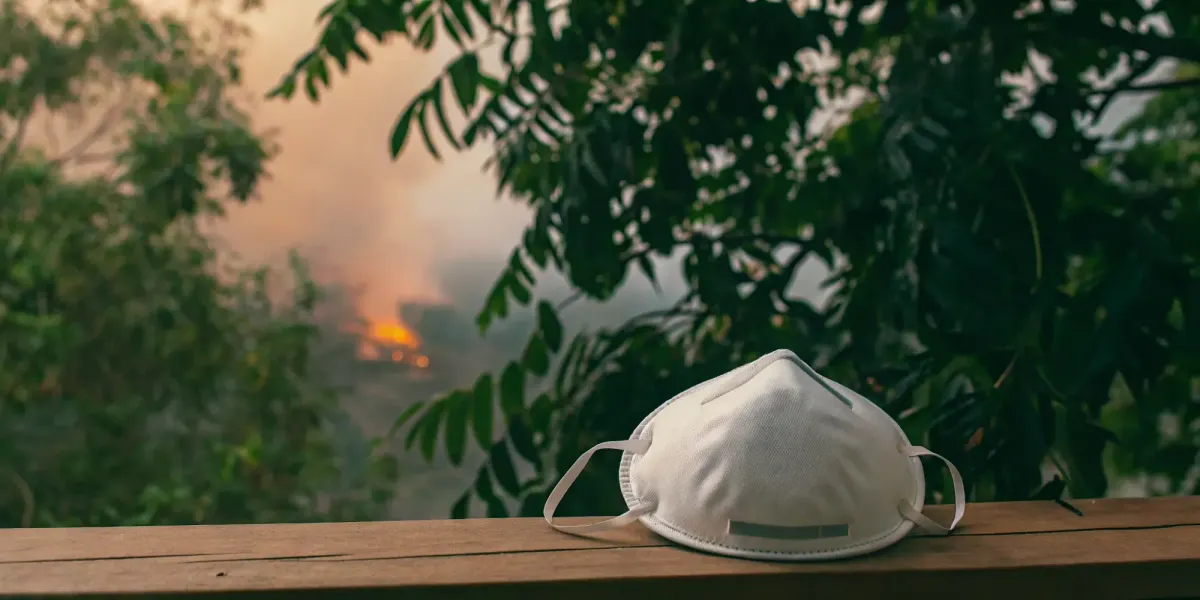
An N95 mask is a non-negotiable part of any wildfire preparedness kit, just as important as your evacuation plan or go-bag. But with a flood of counterfeits on the market, buying a mask can feel like a gamble. A fake mask provides a false sense of security, leaving your lungs vulnerable when you need protection the most. To truly be prepared, you need to know how to identify a legitimate, NIOSH-approved respirator. We’ll show you exactly what to look for, the red flags to avoid, and where to buy the best N95 masks for wildfire smoke from trusted sources you can rely on.
Pay Less for Home Insurance
and Avoid Non-Renewal?
Our partner, Five Bays Insurance Agency, offers a free policy checkup that spots hidden discounts to make sure you’re not paying more than you should.
Key Takeaways
- N95s Are the Only Effective Choice for Smoke: Cloth and surgical masks can't stop the dangerous fine particles (PM2.5) in wildfire smoke. For real protection, you must use a NIOSH-approved N95 respirator—look for the certification printed directly on the mask itself.
- A Proper Seal is Everything: An N95 only works if it creates an airtight seal against your skin. Use both headbands (not ear loops), mold the nosepiece securely, and check for leaks, because any gap allows harmful smoke particles to get through.
- Think Beyond the Mask for Total Safety: N95s are essential for filtering particles but don't block toxic gases. Your best defense is to limit time outdoors and create a clean-air room in your home using a HEPA air purifier to reduce your overall smoke exposure.
Why You Need an N95 Mask for Wildfire Smoke
When smoke fills the air, it’s easy to feel helpless. But choosing the right mask is a simple, powerful step you can take to protect your family’s health. Unlike cloth or surgical masks, N95 respirators are specifically designed to filter out the most dangerous components of wildfire smoke. Think of it as a critical piece of safety equipment, just as important as having a defensible space or an evacuation plan. Understanding why an N95 is necessary is the first step toward breathing easier when air quality drops.
How N95s Filter Dangerous Smoke Particles
The name "N95" isn't just a brand—it's a performance standard. It means the respirator is certified to filter at least 95% of airborne particles. Wildfire smoke is filled with dangerous microscopic particles known as PM2.5, which are 30 times smaller than the width of a human hair. These particles are too small for cloth masks to block effectively. An N95 mask, however, uses a web of tangled electrostatic fibers that create a powerful barrier. As you breathe, the harmful smoke particles get trapped in this filter, so you inhale cleaner, safer air. This is why having a supply of N95s is a key part of any wildfire action plan.
What NIOSH Certification Actually Means
To ensure you're getting real protection, look for masks approved by the National Institute for Occupational Safety and Health (NIOSH). NIOSH is the U.S. agency responsible for testing and certifying respirators to ensure they meet strict safety and performance standards. A NIOSH-approved N95 will have "NIOSH" and the model number printed directly on the mask. This certification is your guarantee that the mask has been rigorously tested and performs as advertised. Without it, you could be wearing a counterfeit or a less effective mask that provides a false sense of security when you need protection the most. Always check for the NIOSH label before you buy.
Why Filtering PM2.5 Is Critical for Your Health
Filtering PM2.5 particles is not just about avoiding a scratchy throat or coughing. Because these particles are so tiny, they can bypass your body's natural defenses, lodging deep within your lungs and even entering your bloodstream. Short-term exposure can trigger asthma attacks, bronchitis, and other respiratory issues. According to health experts, long-term or repeated exposure to wildfire smoke is linked to more severe problems, including heart disease, reduced lung function, and even cancer. For vulnerable individuals like children, the elderly, and people with pre-existing conditions, the risks are even greater. An N95 mask is your first line of defense against these invisible but serious health threats.
5 Vetted N95 Masks for Wildfire Smoke
When smoke fills the air, finding a reliable mask shouldn't be another source of stress. We’ve sorted through the options to find NIOSH-approved N95 respirators that are effective, relatively comfortable, and widely available. These aren't just random picks; they are chosen based on their design, user reviews, and features that matter most during a wildfire event, like a secure fit and breathability for extended wear. A mask is useless if the straps snap or if it’s so uncomfortable you’re constantly adjusting it and breaking the seal. Your goal is to find a mask that you can wear correctly and consistently, because the best mask is one that you’ll actually use when you need it most.
1. 3M Aura Particulate Respirator N95
The 3M Aura Particulate Respirator N95 is a top choice for a reason: it’s designed for comfort without sacrificing protection. Its three-panel, flat-fold design conforms to a wide range of face shapes and sizes, helping create a secure seal. A soft nose foam and adjustable nose clip reduce the potential for eyewear fogging—a small but critical detail. Many users praise its unique head strap design, which goes around the head instead of the ears, preventing the discomfort common with other disposable masks. As one customer review noted, it's the "most comfortable tight fitting N95 I've worn," making it ideal for extended wear during smoky conditions.
2. Honeywell DF300 N95 Respirator
If you prefer a more traditional cup-style mask, the Honeywell DF300 is a solid, no-nonsense option. It’s known for its soft, latex-free inner lining that prevents skin irritation, which is a huge plus if you have sensitive skin or need to wear it for long periods. The mask features a flexible, contoured nose clip that you can mold to your face for a tight seal, keeping smoke particles out. Its dual welded head straps are durable and designed to stay in place. The Honeywell DF300 is a great, reliable choice to keep in your emergency kit or car for when air quality suddenly drops.
3. Moldex 2200 N95 Particulate Respirator
The Moldex 2200 stands out for its durability. It features a proprietary Dura-Mesh shell that helps the mask hold its shape in hot and humid conditions, so it won’t collapse against your face while you’re working outdoors. This makes it a great workhorse mask for tasks like clearing defensible space when the air isn't clear. The molded nose bridge provides a secure seal without needing a metal noseband, which many people find more comfortable. The soft foam nose cushion adds to the comfort and helps ensure a snug fit. For a mask that can handle tough conditions without losing its form, the Moldex 2200 is a dependable pick.
4. Kimberly-Clark PFR95 N95 Respirator
Often used in healthcare settings, the Kimberly-Clark PFR95 N95 Respirator is an excellent choice for anyone who feels claustrophobic in other masks. Its pouch-style design creates a large breathing chamber, making it feel less restrictive and stuffy than many cup-style models. It’s also incredibly lightweight, so you’ll barely notice you’re wearing it. The headbands are bonded, not stapled, to the mask, eliminating potential irritation points. This focus on breathability and a lightweight feel makes it a great option for wearing around the house or for quick trips outside when smoke levels are high. It provides serious protection without feeling heavy or cumbersome on your face.
5. MSA Safety Works N95 respirator
You can often find the MSA Safety Works N95 respirator at your local hardware store, making it an accessible and reliable choice. This is a straightforward, effective mask built for protection. It features a soft foam nose cushion and an adjustable nose clip to help you get a custom, secure fit. The non-latex straps are designed for comfort and durability. While it may not have the advanced design features of some other models, it’s a trusted, NIOSH-approved respirator that does its job well. It’s a practical, affordable option to stock up on for your family’s emergency preparedness kits.
N95 vs. Other Masks: What's the Real Difference?
When smoke fills the air, you might be tempted to grab any mask you have on hand. But not all masks provide the same level of protection against the fine particles in wildfire smoke. Understanding the key differences between respirators like N95s and other common face coverings is critical for keeping your lungs safe. Choosing the right mask ensures you’re filtering out the most dangerous pollutants instead of getting a false sense of security.
N95 vs. P100: Is More Protection Better?
You may see other respirators labeled N100 or P100 and wonder if they offer superior protection. While N95 masks filter at least 95% of airborne particles, P100 respirators filter 99.97%. That extra filtration sounds great, but it comes at a cost. According to health experts, N100 or P100 filters can make breathing significantly more difficult. For most people, especially during prolonged wear or physical activity, the N95 provides the ideal balance of effective filtration and breathability. Unless you have a specific occupational need, the N95 is the most practical and effective choice for protection from wildfire smoke.
N95 vs. KN95: Spotting the Key Differences
N95 and KN95 masks look similar and are designed to filter the same small particles. The main difference lies in their certification: N95s are certified by the U.S. National Institute for Occupational Safety and Health (NIOSH), while KN95s meet a Chinese standard. While some research shows that high-quality KN95 masks can be just as effective as N95s, the KN95 market has been flooded with counterfeits and products that don't meet quality standards. For guaranteed performance and safety, your best bet is to stick with a NIOSH-approved N95 from a trusted retailer. This ensures the mask you’re relying on has been rigorously tested to meet U.S. safety requirements.
Why Cloth and Surgical Masks Don't Work for Smoke
Cloth and surgical masks are designed to block large respiratory droplets, not the microscopic particles found in wildfire smoke. The primary threat from smoke comes from fine particulate matter known as PM2.5, which can penetrate deep into your lungs and enter your bloodstream. The weave of cloth masks and the material of surgical masks are simply too porous to stop these tiny particles. Furthermore, their loose fit allows contaminated air to leak in around the edges. One study found that N95 respirators may reduce hospitalizations from wildfire smoke by about 30%, while cloth and surgical masks are far less effective.
How to Choose the Right N95 for Your Family
Not every N95 mask is the right choice for every person or situation. Your family’s needs will vary, from having masks ready for an evacuation to finding one that fits a smaller face. Thinking through these scenarios ahead of time ensures you have the right protection when you need it most. A mask that doesn't fit or is too difficult to breathe through won't do you any good. Here’s how to select the right N95s for your loved ones.
For Extended Time Outdoors
If you absolutely must be outdoors during a wildfire smoke event, your mask is your first line of defense. For yard work, commuting, or any other necessary outdoor activity, a standard N95 is essential. According to health experts, N95 masks offer the best protection against the dangerous fine particles found in wildfire smoke. Choose a model with a secure fit and two straps that go around the head, not just the ears. A mask with an exhalation valve can also make breathing easier and reduce heat buildup, which is a major plus if you’re working outside for a while.
For Your "Go-Bag" or Evacuation Kit
When you’re building your family’s evacuation kit, N95 masks are a non-negotiable item. In a high-stress evacuation scenario, air quality can be dangerously poor, and protecting your lungs is critical. Research shows that N95 respirators may reduce hospitalizations from wildfire smoke by a significant margin. Pack at least two masks per person in a sealed bag to keep them clean and ready to go. Having them pre-packed means one less thing to worry about when time is of the essence. This is a key part of any complete wildfire action plan.
For People with Respiratory Conditions
For anyone with asthma, COPD, or other respiratory issues, wildfire smoke can be especially hazardous. While it might seem like a higher-rated mask like a P100 is better, they can be much harder to breathe through. For this reason, N95 masks are often the recommended choice because they provide excellent filtration while being easier on the lungs. If you or a family member has a pre-existing condition, talk to your doctor before a wildfire event to make a plan. They can help you decide which mask is most appropriate and what other precautions you should take.
For Children and Smaller Faces
Finding a mask for a child is challenging, and safety comes first. It’s critical to know that masks should not be worn by children under two years old. For older children, an adult N95 will be too large to create a proper seal, rendering it ineffective. You must find a respirator specifically designed for smaller faces. Look for NIOSH-approved N95s available in small or extra-small sizes. A proper fit is the most important factor for protection, so take the time to find a mask that seals snugly against your child’s face without gaps.
How to Use Your N95 Mask Correctly
Owning a box of N95s is a great first step, but these masks are only effective if you use them correctly. A poorly fitted mask can give you a false sense of security while still allowing dangerous smoke particles to enter your lungs. Think of it like a high-tech window screen—if it’s not sealed tightly in the frame, pests can still get inside. The same principle applies to your mask and the microscopic particles in wildfire smoke. Getting the details right is what turns a simple piece of equipment into a powerful tool for protecting your health. Following a few simple steps for fit, replacement, and storage ensures you get the full protection your N95 is designed to offer.
Get a Proper Fit and Seal (It Matters)
An N95 mask only works if it forms a complete seal against your face. Any gaps around the edges will allow harmful particles to leak in, defeating the purpose of wearing it. To get a proper fit, place the respirator over your nose and mouth, then pull the straps over your head. Use your fingertips to mold the metal nose clip to the bridge of your nose for a snug fit. It’s critical to know that facial hair can prevent a mask from sealing properly, so a clean shave is best. Once it feels secure, perform a quick seal check: exhale sharply. If you feel air leaking from the sides, adjust the straps and nosepiece until the leakage stops.
Know When to Replace Your Mask
While N95 masks can be reused, they don’t last forever. The filter material gets clogged with particles over time, making it harder to breathe and reducing its effectiveness. You should replace your mask immediately if it becomes dirty, damaged, or difficult to breathe through. As a general rule, inspect it before each use; if the mask looks cracked, the straps are stretched out, or it’s soiled, it’s time to throw it away. During periods of very heavy smoke, it’s safest to use a new mask for each outing. There isn't a hard-and-fast rule for the exact number of hours a mask is good for, so use your best judgment and prioritize safety by replacing it when in doubt.
Store Your Mask Safely Between Uses
If you plan to reuse your N95, storing it correctly is key to keeping it clean and functional. Tossing it on a counter or stuffing it in a pocket can contaminate it and damage its shape, compromising the seal. The best method is to store your mask in a clean, breathable container, like a paper bag labeled with your name to avoid mix-ups with others in your household. Avoid plastic bags, as they can trap moisture and lead to contamination. Keep the bag in a cool, dry place away from direct sunlight. This simple step not only preserves the integrity of your mask but also helps you get the most out of each one safely, ensuring it’s ready when you need it most.
Common Myths About N95 Masks and Wildfire Smoke
When wildfire smoke fills the air, there’s a lot of conflicting information about how to stay safe. N95 masks are one of the most important tools you have, but myths about how they work can leave you unprotected. Getting clear on the facts helps you make the right choices for your health when air quality drops. Let’s clear up a few common misconceptions so you can breathe easier.
Myth: N95s Block All Harmful Gases
This is one of the most critical misunderstandings about N95 masks. While they are incredibly effective at what they do, they don’t do everything. N95s are designed to filter out fine solid particles, like the dangerous PM2.5 soot and ash found in wildfire smoke. However, they do not protect you from harmful gases like carbon monoxide or formaldehyde, which are also present in smoke. Think of it this way: the mask is a physical barrier for tiny particles, but gases can pass right through it. That’s why even with a mask, your best defense is to limit your time outdoors and create a clean room in your home.
Myth: Any N95 Mask Will Do the Job
Not all masks are created equal, even if they look similar. For a mask to be a true N95, it must be certified by the National Institute for Occupational Safety and Health (NIOSH). This certification ensures it meets strict filtration and fit standards. Counterfeit masks are common, so it’s essential to buy from reputable sources. Beyond certification, the fit is everything. A mask that doesn’t seal properly to your face will let smoky air leak in around the edges, defeating the purpose. While some research shows that KN95 masks can offer similar protection, the key is always finding a high-quality mask that fits you snugly and forms a tight seal.
Myth: You Can Reuse a Mask Indefinitely
While you don’t need to throw out your N95 after a single use, it doesn’t last forever. The mask’s material and the elastic straps degrade over time, compromising the fit and filtration. You should inspect your mask before each use. If it looks dirty, damaged, or the straps have lost their elasticity, it’s time for a new one. A good rule of thumb is to discard a mask if it appears cracked, wrinkled, or soiled. Another sign it’s time for a replacement is if it becomes more difficult to breathe through, which means the filter is getting clogged with particles. Storing it in a clean, dry paper bag between uses can help extend its life, but plan on having several masks on hand during smoke season.
Where to Buy Authentic N95 Masks (and Avoid Fakes)
When wildfire smoke fills the air, the last thing you want to worry about is whether your N95 mask is a fake. Unfortunately, counterfeit masks are common, especially when demand is high. A fraudulent mask offers a false sense of security and fails to protect your lungs from dangerous particles. Getting an authentic, properly-fitted N95 is one of the most important steps you can take to protect your health. Here’s how to find a legitimate mask and spot the red flags that signal a counterfeit.
Trusted Retailers to Check First
Your best bet for finding authentic N95s is to stick with established, reputable sellers. Start with major hardware stores like The Home Depot or Lowe’s, as they regularly stock NIOSH-approved respirators for occupational safety. National pharmacy chains like CVS and Walgreens are also reliable sources. If you prefer to shop online, look for specialty suppliers like Bona Fide Masks, which is an authorized distributor for several N95 brands.
While you can find N95s on Amazon, be cautious. To avoid counterfeits, make sure the product is listed as "shipped and sold by Amazon.com" or sold directly by the manufacturer’s official storefront, like 3M’s. Avoid third-party sellers with limited reviews or suspicious-looking listings.
How to Verify NIOSH Approval
The most critical thing to look for on any N95 mask is proof of NIOSH approval. NIOSH (the National Institute for Occupational Safety and Health) is the U.S. agency that certifies these respirators. A real N95 will have specific markings printed directly on the mask—not just the box.
Look for the NIOSH name or logo, the manufacturer's name, the model number, and a TC approval number (which looks like TC-84A-XXXX). It should also clearly state "N95." If a mask is missing any of this information, don't buy it. For extra peace of mind, you can verify the TC approval number on the NIOSH Certified Equipment List to confirm it’s a legitimate product.
Red Flags That Signal a Counterfeit Product
Once you know what to look for, spotting fakes becomes much easier. Be on the lookout for these common red flags that often indicate a counterfeit mask:
- No markings: Any mask without the required NIOSH approval markings printed on it is a fake.
- Ear loops: A true NIOSH-approved N95 will always have two headbands that go around the back of your head for a secure seal. Masks with ear loops are not certified N95s.
- Claims of child sizing: NIOSH does not certify N95 respirators for children, so any mask marketed this way is not an approved N95.
- Misspellings or typos: Legitimate manufacturers have quality control. Obvious spelling errors on the mask or packaging are a major warning sign.
- Decorative elements: N95s are functional safety equipment. Any mask with decorative fabric or add-ons is not a certified respirator.
When an N95 Mask Isn't Enough
An N95 mask is a critical tool in your wildfire safety kit, but it's just one layer of protection. Relying on a mask alone isn't enough, especially when smoke levels are high or you're trying to keep your family safe at home. True preparedness means understanding the limitations of your gear and building a multi-faceted plan to protect the air you breathe, both inside and out. Your goal should be to reduce your total smoke exposure, and that requires more than just a mask.
Recognizing the Limits of Your Mask
While an N95 is your best defense against the fine particulate matter (PM2.5) in wildfire smoke, it’s important to know what it can't do. These masks are designed to filter solid particles, not gases. Wildfire smoke is a complex mixture that includes harmful vapors and gases like carbon monoxide, which an N95 simply can't block. Think of it as a very fine sieve—it catches the soot and ash, but gases pass right through. This is why even with a mask, you might still smell smoke. It’s a crucial reminder that a mask reduces your exposure but doesn't eliminate all risk, especially during prolonged periods outdoors.
Other Essential Steps for Clean Air at Home
When smoke blankets your neighborhood, your first line of defense is to stay inside. The most effective way to protect yourself is to create a clean air space within your home. Keep all windows and doors shut to prevent smoke from seeping in. Run an air purifier with a HEPA filter, which is designed to capture the same tiny particles as an N95 mask. If you don't have a purifier, you can make a DIY version with a box fan and a high-efficiency furnace filter (look for MERV 13 or higher). Having a safe room with clean air is a fundamental part of your family's Wildfire Action Plan, ensuring you have a healthy space to wait out the smoke.
Related Articles
- Your Essential NorCal Wildfire Preparedness Plan
- What Is a Wildfire? Causes, Risks & How to Prepare
- Wildfire Prevention for Northern California Homeowners
Pay Less for Home Insurance
and Avoid Non-Renewal?
Our partner, Five Bays Insurance Agency, offers a free policy checkup that spots hidden discounts to make sure you’re not paying more than you should.
Frequently Asked Questions
How long can I safely reuse a single N95 mask? There isn't a strict time limit, but you should replace your mask when it becomes dirty, damaged, or difficult to breathe through. The mask’s effectiveness depends on its physical condition. If the straps are stretched or it no longer seals tightly to your face, it’s time for a new one. During periods of intense smoke, it's safest to use a fresh mask each time you need to go outside.
I have a beard. Will an N95 mask still protect me? Unfortunately, no. For an N95 respirator to work correctly, it must form a tight seal directly against your skin. Facial hair, even just a day or two of stubble, will break that seal and allow dangerous smoke particles to leak in around the edges. To get the full protection an N95 offers, you must be clean-shaven in the area where the mask makes contact with your face.
Why can I still smell smoke even when I'm wearing a properly fitted N95? This is a common experience and it doesn't mean your mask is broken. N95s are designed to filter out fine solid particles, which are the most dangerous components of wildfire smoke. However, the smoke also contains gases, and those gas molecules are small enough to pass through the mask's filter. The smell comes from the gases, but rest assured that the mask is still trapping the harmful particles.
Are masks with a plastic valve on the front better for wildfire smoke? A valve is a comfort feature, not a filtration feature. It’s a one-way port that opens when you exhale, making it easier to breathe out and reducing heat and moisture buildup inside the mask. It does not affect the air you breathe in, which is still filtered through the mask material. For personal protection against wildfire smoke, a valved N95 is perfectly effective and can make wearing the mask more comfortable.
What's the best way to protect my young children who are too small for an N95? This is a critical concern, as N95 masks are not designed for young children and should never be used on anyone under two years old. For children who are too small to get a proper seal from a certified mask, the absolute best protection is to keep them indoors as much as possible. Create a clean room in your home using a HEPA air purifier and keep all windows and doors closed to minimize their exposure to the smoke.