Your Wildfire Risk Evaluation Report for Insurance Explained
Get clear answers on your wildfire risk evaluation report for insurance, what it means for your coverage, and practical steps to protect your home.
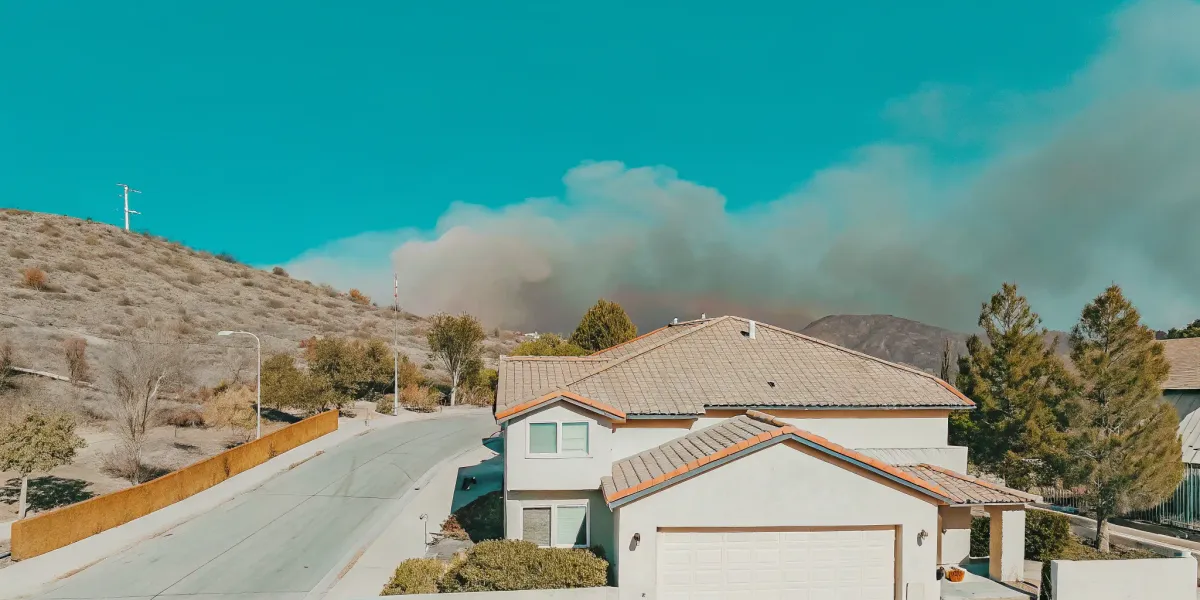
That letter from your insurance company probably landed with a thud. A non-renewal notice, or a premium that has suddenly doubled, can feel like a punch to the gut. You’re left wondering what changed and what you can do about it. The answer often lies in a document you may have never seen: a wildfire risk evaluation report for insurance. This detailed assessment is what insurers use to decide your home's fate, scoring everything from your roof material to the trees in your yard. Understanding this report isn't just about satisfying an insurer; it's about taking back control of your home's safety and financial future.
Pay Less for Home Insurance
and Avoid Non-Renewal?
Our partner, Five Bays Insurance Agency, offers a free policy checkup that spots hidden discounts to make sure you’re not paying more than you should.
Key Takeaways
- Treat Your Report as a To-Do List: Your wildfire risk report isn't a final judgment; it's a diagnostic tool. Use it to identify the specific vulnerabilities, like your roof material or nearby vegetation, that you can fix to make your home safer and more insurable.
- Prioritize High-Impact Upgrades: Insurers focus on what stops a home from igniting. Concentrate your efforts on the two most critical areas: creating defensible space by managing vegetation and hardening your home by screening vents and ensuring you have a Class A fire-rated roof.
- Communicate Proactively with Your Insurer: Don't wait for a non-renewal notice. Share your report and your improvement plan with your agent to show you're actively managing risk. Ask them directly what changes will have the most positive impact on your policy.
What is a wildfire risk evaluation report?
If you’ve received a notice from your insurance company mentioning a wildfire risk report, you’re not alone. These reports are becoming a standard part of the home insurance process, especially in states like California. They are detailed assessments that insurance companies use to understand how vulnerable your specific property is to wildfire.
Think of it as a specialized scorecard for your home’s wildfire safety. The report analyzes everything from the slope of your land to the type of siding on your house to determine the likelihood and potential intensity of a fire reaching your property. For insurers, it’s a critical tool for making business decisions. For you, it’s a roadmap that shows exactly where your home is most vulnerable and what you can do about it.
What it is and why it matters
A wildfire risk evaluation report is a comprehensive assessment that identifies your property’s specific vulnerabilities to wildfire. It goes beyond just saying you live in a high-risk county. Instead, it looks at factors unique to your home, including your roof material, the vegetation on your property, and your home’s proximity to dense wildlands. The goal is to calculate a score that helps an insurer decide whether to offer you a policy and how much to charge for it.
This matters because these reports are directly influencing your ability to get and keep affordable home insurance. As wildfire seasons intensify, insurers are relying more heavily on this data. California law now requires insurance companies to be more transparent about how they use this information, pushing for more consistency in how wildfire risk is reported and evaluated across the state. Understanding your report is the first step toward taking control of your home’s insurability.
How it's different from a home inspection
It’s easy to confuse a wildfire risk evaluation with a standard home inspection, but they serve very different purposes. A home inspector looks at the general condition and functional aspects of your house—the plumbing, electrical systems, foundation, and overall structural integrity. Their job is to find existing problems like a leaky roof or faulty wiring that could cost you money down the road.
A wildfire risk evaluation, on the other hand, is laser-focused on one thing: how your home would fare in a wildfire. The inspector isn’t checking your faucets; they’re measuring the distance from your house to the nearest trees, identifying flammable plants in your landscaping, and checking if your vents are properly screened to block embers. It’s a forward-looking assessment designed to predict future risk, not identify current defects.
Why does your insurer care about wildfire risk reports?
Your wildfire risk report is more than just a piece of paper; it’s a critical business tool for your insurance company. In an era of increasing wildfire frequency and severity, insurers are trying to accurately measure the risk they take on with every policy they write. These reports give them a standardized way to evaluate a property’s specific vulnerabilities. Think of it as their financial defense plan. Understanding why they rely so heavily on these reports is the first step to figuring out how you can work with them to keep your home protected and insured.
To decide if they'll cover you
At the most basic level, your wildfire risk report helps an insurer answer one question: Is your home an acceptable risk to cover? If the report assigns your property a high-risk score, the company may decide not to offer you a new policy or to non-renew your existing one. This isn't personal; it's a portfolio management strategy. Insurers need to avoid concentrating too much risk in one geographic area. If they insure too many high-risk homes that are all threatened by the same fire, a single event could lead to catastrophic financial losses for them. Your report is their primary data point for making that tough call.
To set your insurance premiums
If an insurer does agree to cover your home, the risk report is a key factor in determining how much you’ll pay. Your insurance premium is the price you pay for coverage, and it’s directly tied to your perceived risk. A home with a lower risk score is less likely to file a claim, so its premium will be lower. Conversely, a home with a high-risk score will face a higher premium to offset the greater chance of a large payout. The California Department of Insurance reviews rate changes to ensure they are fair, but the fundamental principle remains: higher risk equals higher cost.
To follow state rules and reduce losses
Insurers don’t operate in a vacuum. They are required to follow state regulations designed to manage the insurance market and collect data on wildfire risk. For example, a California law passed in 2018 requires large insurance companies to report detailed information about their wildfire-related losses and risk assessments to the state. This helps regulators understand the scale of the problem and ensure companies are making decisions based on consistent data. By using standardized risk reports, insurers can justify their coverage decisions and premium calculations to state officials while contributing to a broader understanding of wildfire risk across California.
What's inside a wildfire risk report?
A wildfire risk report is more than just a single number; it’s a detailed breakdown of the specific factors that contribute to your home’s unique risk level. Insurers use sophisticated models that look at everything from the type of roof you have to the history of fires in your county. Understanding these components is the first step toward taking control of your situation. Think of it as a diagnostic tool that shows you exactly where you can make the most impactful improvements.
Your area's fire history
Insurers are in the business of predicting the future, and they often do it by looking at the past. Your report will analyze historical fire data for your specific location, considering the frequency and intensity of previous wildfires. It looks at how often fires have occurred nearby and how severe they were. This helps the insurance company understand the baseline threat level for your community before even looking at your specific property. While you can’t change your area’s history, knowing this context helps you understand why taking personal mitigation steps is so important.
Your home's specific vulnerabilities
This part of the report gets personal, focusing on the construction and materials of your house. It’s an assessment of how well your home could resist ignition from embers, which are the leading cause of home loss in a wildfire. The report will flag vulnerabilities like old single-pane windows, wooden siding, or open eaves where embers can get trapped. It also looks at your roof’s material and condition, as the roof is the most vulnerable part of a home. Identifying these weak points gives you a clear roadmap for home hardening projects that can make a real difference.
The fuel on and around your property
“Fuel” isn’t just gasoline; in wildfire terms, it’s anything that can burn. This section of your report evaluates the vegetation and other combustible materials on and immediately surrounding your property. It assesses the density of trees and shrubs, the presence of dry grass or leaves, and flammable items like woodpiles or patio furniture stored too close to the house. This is all about your defensible space—the buffer you create between your home and the flammable vegetation around it. A report might flag an overgrown hillside or a tree with branches overhanging your roof as high-risk factors you can directly control.
Your property's location and surroundings
Where your home is situated plays a huge role in its risk profile. The report analyzes factors like topography—for example, homes on steep slopes are at greater risk because fire spreads faster uphill. It also considers your property’s access, looking at whether roads are wide enough for emergency vehicles to get in and for you to get out. Proximity to dense wildlands or a canyon can also increase your risk score. These elements—likelihood, intensity, and exposure—are largely determined by your location, highlighting why managing the things you can control, like your home and defensible space, is critical.
Your final risk score (and what it means)
After analyzing all the individual factors, the report will assign your property a final risk score. This score—whether it’s a number, a letter grade, or a category like “High Risk”—is the insurer’s summary of your home’s vulnerability. It’s easy to feel discouraged by a high score, but don’t view it as a final judgment. Instead, see it as a call to action. A high score is a signal to dig into the details of the report, understand the specific drivers, and create a plan. This score isn’t permanent; it’s a snapshot in time that you have the power to change.
How California laws affect your risk report
It’s easy to feel powerless when you’re facing a confusing risk report from your insurance company, especially if it comes with a non-renewal notice or a massive premium hike. But in California, you have rights. As the wildfire crisis has grown, the state has passed laws to bring much-needed transparency to the risk assessment process, ensuring homeowners aren't left in the dark. These regulations define exactly what information your insurer must share with you and how they report your risk to state regulators.
Understanding these rules is a critical step in taking back control. It helps you read your report with confidence, ask the right questions, and hold your insurer accountable for their decisions. This isn’t just about bureaucratic compliance; it’s about creating a more balanced conversation between you and your insurance company. When you know what they know—and what they have to report—you can challenge unfair assessments and focus your home hardening efforts on what truly matters. These laws give you the clarity you need to take effective, meaningful action to protect your home and your financial future.
What insurers must disclose to you
You have a right to know why your insurer views your home as a certain level of risk. Thanks to state law, insurance companies can’t keep their models a complete secret. They must provide you with a clear explanation of your property’s risk assessment and, if you are non-renewed, the reasons why. This transparency gives you a fair chance to address specific issues. Instead of a vague denial, you should get actionable information—like whether your risk score was high due to your roof material or the vegetation near your home. This is the first step in creating a targeted plan.
How insurers report risk to the state
Your insurer’s assessment doesn’t just stay between you and them. Insurance companies in California must report detailed wildfire risk data to the state’s Insurance Commissioner every two years. This includes your policy’s fire risk score, any fire-related losses, and the premium charged, all organized by ZIP code. This process creates a large dataset that state regulators can analyze to spot trends and understand how risk is being priced across different regions. It’s a system of checks and balances designed to oversee the entire insurance market, not just individual policies.
Your right to clear information
This state-level oversight protects you from unfair rate hikes. The California Department of Insurance has the authority to review this data and can limit how it’s used to justify rate increases. The goal is to ensure your premiums are fair and accurately reflect your actual risk, not an inflated model. If an insurer’s risk assessment or proposed rates seem excessive, state regulators can step in. This gives you an important layer of protection and reinforces that your insurance rates must be based on sound, transparent data.
What your wildfire risk report means for your insurance
Receiving your wildfire risk report can feel overwhelming, but understanding it is the first step toward taking control. This report is more than just a score; it’s the primary tool your insurance company uses to decide whether to cover your home and how much you’ll pay. In a stable insurance market, a high-risk rating might have meant a moderate price increase. Today, it can have far more significant financial consequences, from steep premium hikes to the outright loss of your policy.
For many homeowners, a poor score is the trigger for a cascade of problems. Insurers are in the business of managing risk, and as wildfires become more frequent and destructive, they are scrutinizing properties more closely than ever. If your home is deemed too risky, they will take steps to limit their financial exposure. This can mean charging you more, reducing your coverage, or dropping you entirely. This isn't just about numbers on a page; it's about your financial security and peace of mind. Knowing what’s in your report gives you the power to understand their decision and, more importantly, to take action to improve your score and protect your home.
Higher premiums or limited coverage
A high-risk score often translates directly to higher insurance costs. Your insurer sees your home as a greater financial gamble, and your premium will reflect that increased risk. In many cases, it’s not just about paying more—it’s about finding coverage at all. As wildfire seasons intensify, many private insurance companies are hitting pause on writing new policies or are completely pulling out of high-risk areas, especially in the western U.S. This shrinking market forces homeowners into a desperate search for coverage, often leaving them with fewer, more expensive options.
The risk of being dropped by your insurer
Perhaps the most stressful outcome of a high-risk report is receiving a non-renewal notice. This means your current insurer has decided your property’s risk is too high to continue providing coverage. While this feels personal, it’s a business decision driven by the data in your risk report and the insurer’s broader strategy for managing its exposure to wildfire losses. In California, insurance companies must report detailed information about their wildfire risks and losses to the state. The California Department of Insurance uses this data to monitor the market, but it doesn’t stop insurers from making tough choices about individual policies.
Why you might need the FAIR Plan
If you’ve been non-renewed and can’t find a policy in the private market, you’re not out of options. This is where the California FAIR Plan comes in. It’s a state-mandated insurance pool of last resort, created to ensure all homeowners have access to basic fire insurance. You are not alone in needing it; over 452,000 homes in California are now on the FAIR Plan, more than double the number from 2020. While it provides a critical safety net, it’s important to know that it typically offers less comprehensive coverage and at a higher cost than a standard policy. It usually only covers damage from fire, requiring you to buy a separate policy for liability and other risks.
How to read your wildfire risk report
Getting a wildfire risk report can feel overwhelming. It’s often filled with technical terms, scores, and data that don’t immediately make sense. But this report is one of your most powerful tools. Understanding it is the first step toward protecting your home, your family, and your ability to get insurance. Let’s walk through how to make sense of your report so you can turn its insights into a clear action plan.
What do the ratings and scores mean?
Your final risk score isn’t just an arbitrary grade; it’s a summary of a detailed analysis. Insurers and risk modelers look at several key factors to arrive at that number. These typically include the likelihood of a wildfire reaching your property, the potential intensity of a fire in your specific area, your home’s exposure to embers, and its susceptibility to ignition based on its construction materials and surrounding landscape.
Think of your score as a starting point for a conversation. If the rating seems surprisingly high—or even low—it’s a signal to ask more questions. A score is a snapshot, and it’s worth talking to a local expert to understand the specific conditions driving that number and the most effective ways to address them.
Breaking down the technical terms
Wildfire risk reports are notorious for jargon. Here are a few of the most common terms and what they actually mean for you:
- Fuel Load: This refers to the amount of flammable vegetation on and around your property. It includes everything from trees, shrubs, and grasses to dead leaves and pine needles. The more fuel, the higher the risk.
- Defensible Space: This is the buffer zone you create between your home and the surrounding vegetation. It’s designed to slow or stop a wildfire’s spread and give firefighters a safe area to defend your home. Creating defensible space is one of the most effective actions you can take.
- Home Hardening: This involves using fire-resistant materials and construction techniques to make your house itself less vulnerable to catching fire from embers or radiant heat. This includes things like Class A roofing, non-combustible siding, and double-paned windows.
Who to ask for help
You don’t have to decipher your report alone. In fact, local experts are your best resource for turning your report’s findings into a practical to-do list. Your local fire department is an excellent place to start. Many departments offer free property assessments and can provide specific advice tailored to your home and landscape.
You can also reach out to community organizations like a local Fire Safe Council. These groups are dedicated to helping residents prepare for wildfires and often have resources, workshops, and even grant programs available. By working with these experts and your neighbors, you can help build a more fire-adapted community where everyone is safer. Don’t hesitate to ask for an on-site inspection to get personalized, actionable guidance.
Take action: How to lower your wildfire risk score
Your wildfire risk report isn't a final verdict—it's a roadmap. It shows you exactly where your property is vulnerable and gives you a clear list of things you can improve. Taking these steps not only makes your home safer but also demonstrates to insurers that you are proactively managing your risk. This can be the key to keeping your coverage or finding a more affordable policy.
Focus your efforts on three key areas: creating a buffer zone around your home, strengthening the structure itself against embers, and having a solid plan for when it's time to leave. By tackling these items, you can directly address the concerns outlined in your report and show any insurance carrier that you are a lower-risk partner.
Create defensible space
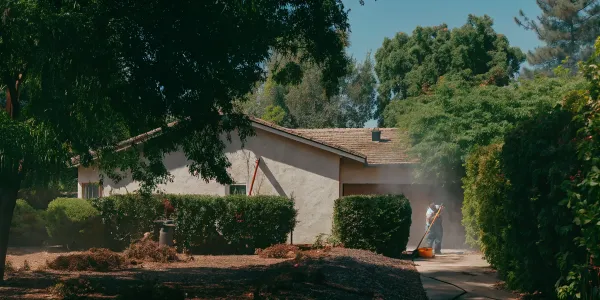
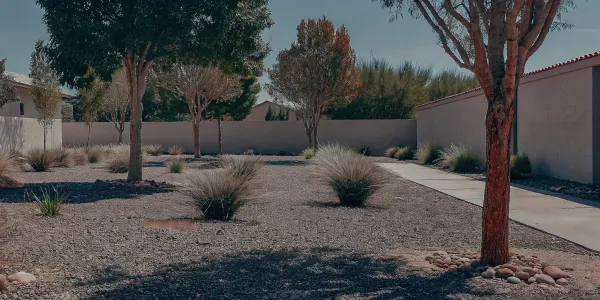
Defensible space is a buffer you create between your home and the surrounding grass, trees, and shrubs. This buffer is designed to slow or stop a wildfire from reaching your house. Your first priority should be the area immediately surrounding your foundation. California law requires a five-foot "ember-free zone" cleared of all flammable materials—think mulch, dead leaves, and dry grass.
From there, extend your efforts out to 30 feet, keeping vegetation lean and green. It’s also important to move flammable objects like patio furniture, woodpiles, and RVs at least 30 feet away from your home. These items can act as fuel for an approaching fire, and moving them is a simple, no-cost action that significantly reduces your risk.
Harden your home with the right materials
Home hardening involves using building materials and installation techniques that make your home more resistant to heat, embers, and flames. Embers are the biggest threat, as they can travel over a mile and ignite vulnerable spots on your house. Start with the most critical areas. Your roof is your home's largest surface, so having a Class A fire-rated roof made of materials like asphalt shingles, metal, or tile is essential.
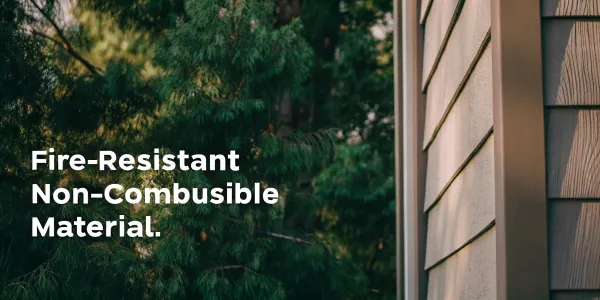
Next, cover vents with 1/8-inch metal mesh to block embers from entering your attic or crawlspace. Use noncombustible materials for siding, such as stucco or fiber cement, and consider dual-pane tempered glass for windows. These upgrades are investments that insurers value highly because they directly address how most homes ignite during a wildfire.
Build your evacuation plan
While your evacuation plan doesn't directly change your home's physical risk score, it's a critical part of your overall preparedness. Having a clear, documented plan shows you are ready for an emergency. Start by preparing an emergency kit and signing up for your community's emergency alerts.
Your plan should detail multiple escape routes and a designated meeting place for your family. A great way to organize this is by using the "6 P's" framework: People & pets; Papers, phone numbers & important documents; Prescriptions; Pictures; Personal computer; and Plastics (credit cards). A comprehensive Wildfire Action Plan ensures you don’t have to make critical decisions under pressure, allowing you to get your family to safety quickly and efficiently.
How to keep your home insurable in a high-risk area
Receiving a high-risk evaluation can feel like a verdict you can’t appeal. But it’s not the end of the story. While you can’t change your property’s location, you can take meaningful steps to lower your risk profile and demonstrate to insurers that your home is a safer bet. It’s about shifting from a reactive mindset to a proactive one. By focusing on the right improvements and maintaining open communication with your insurance provider, you can significantly improve your chances of staying insured, even in an area with high wildfire hazard. Think of it as building a case for your home’s insurability, one action at a time.
Focus on the fixes insurers value most
Not all home improvements are created equal when it comes to insurance. Insurers prioritize actions that directly reduce the likelihood of your home igniting from embers, which cause the majority of home losses in wildfires. Your top priority should be creating and maintaining defensible space around your home. This involves carefully managing vegetation—clearing dead plants, trimming trees, and choosing fire-resistant landscaping. Beyond the yard, focus on “hardening” your home itself. Insurers look favorably on upgrades like installing fine mesh screens on vents to block embers, ensuring you have a Class A fire-rated roof, and enclosing the eaves to eliminate spots where embers can get trapped and ignite your home.
Partner with your insurer to stay covered
Don’t wait for a non-renewal notice to land in your mailbox. Treat your insurance agent as a partner in protecting your home. If your wildfire risk score seems high, use it as a conversation starter. Reach out and ask them directly: “What specific actions can I take to lower my risk and maintain my policy?” They can provide a clear roadmap based on what their underwriters value most. Some insurers even offer discounts for specific mitigation efforts under California’s Safer from Wildfires framework. Being proactive shows you’re a responsible homeowner and gives you the best chance to address their concerns before they make a final decision about your policy.
Create a long-term risk reduction plan
A one-time fix isn’t enough; insurers want to see a long-term commitment to safety. Wildfire preparedness is an ongoing effort that requires regular maintenance. You should monitor and evaluate your home’s immediate surroundings—the "home ignition zone"—at least once a year, especially before fire season kicks off. This means clearing leaves from your gutters and roof, trimming back any new vegetation growth near the house, and inspecting your vents. Documenting these efforts in a formal plan demonstrates your commitment. A tool like the Wildfire Action Plan can help you create a comprehensive, long-term strategy and provides a clear record of your mitigation work to share with your insurer.
Related Articles
- Wildfire Risk Insurance: A Complete Guide
- How to Evaluate Your NorCal Property's Wildfire Risk
- CA High Risk Fire Insurance Map: A 2025 Guide
Pay Less for Home Insurance
and Avoid Non-Renewal?
Our partner, Five Bays Insurance Agency, offers a free policy checkup that spots hidden discounts to make sure you’re not paying more than you should.
Frequently Asked Questions
I just got my wildfire risk report. What's the first thing I should do? Before you do anything else, take a deep breath and read the report thoroughly. Your goal is to understand the specific reasons behind your score. Is it the dense trees near your house, your wood shake roof, or the slope of your property? Once you identify the key issues, you can have a focused, productive conversation with your insurance agent about which improvements will make the most impact on your insurability.
Is my wildfire risk score permanent, or can I actually change it? Your score is absolutely not permanent. It’s a snapshot of your property's condition at a specific moment. By taking action—like clearing vegetation to create defensible space or upgrading your vents to be ember-resistant—you can directly lower your risk. After you’ve completed the work, you can and should ask your insurance company to reassess your property.
Will making these home improvements guarantee I can keep my insurance? While there are no absolute guarantees in today's insurance market, proactively reducing your risk is the most powerful move you can make. It demonstrates to insurers that you are a responsible homeowner committed to protecting your property. Documenting your upgrades and maintaining open communication with your agent can significantly improve your chances of keeping your policy or finding a new one.
What's the difference between 'home hardening' and 'defensible space'? Think of them as two essential layers of protection. Defensible space is about managing the area around your home to slow or stop an approaching fire. This means clearing flammable vegetation and creating a buffer zone. Home hardening focuses on the structure itself—using fire-resistant materials for your roof and siding or installing fine mesh screens on vents to block embers from getting inside. You need both for a truly resilient home.
Why is my risk score different from my neighbor's, even though we live so close? These reports are hyper-specific to each property. Seemingly small details can result in very different scores. For instance, your home might have different construction materials, more vegetation overhanging the roof, or be situated on a slightly steeper part of the hill. The evaluation models analyze dozens of unique data points, so even homes right next to each other can have very different risk profiles.