Your Ultimate Wildfire Proofing Checklist for Homeowners
Get a practical wildfire proofing checklist for homeowners. Learn proven steps to protect your home, reduce risk, and stay insurable in fire-prone areas.
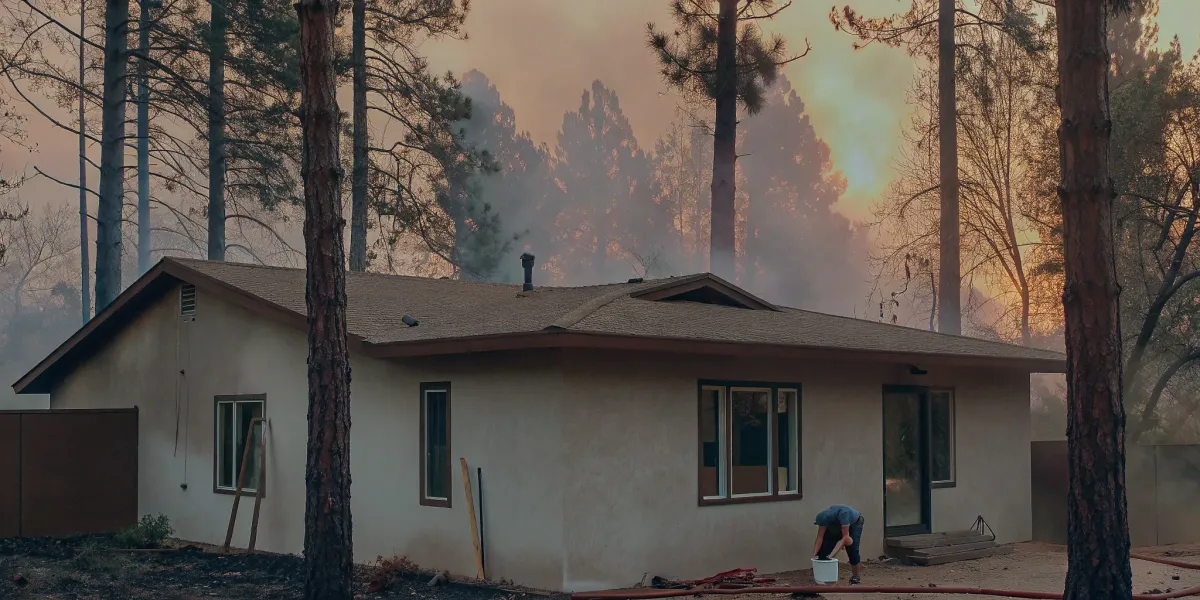
When you think of a wildfire, you probably picture a massive wall of flames. But the greatest threat to your home is much smaller and more insidious: a shower of wind-blown embers. These tiny, burning particles can travel a mile or more ahead of a fire, landing in gutters, under decks, and against siding, searching for fuel to ignite. In fact, embers are responsible for igniting the majority of homes lost in wildfires. Understanding this threat is the first step to truly protecting your property. This guide breaks down the science of home ignition and provides a practical wildfire proofing checklist for homeowners to help you systematically eliminate these vulnerabilities and make your home resilient.
Pay Less for Home Insurance
and Avoid Non-Renewal?
Our partner, Five Bays Insurance Agency, offers a free policy checkup that spots hidden discounts to make sure you’re not paying more than you should.
Key Takeaways
- Prioritize the Ember Threat: The real danger to your home isn't a wall of flames, but tiny, wind-blown embers. Your most effective defense is creating a five-foot, fuel-free zone around your foundation and covering all vents with 1/8-inch metal mesh to keep them out.
- Build a Two-Layered Defense: True resilience comes from hardening your home's structure and managing the space around it. Use fire-resistant materials for your roof and siding, and commit to year-round maintenance of your defensible space to starve a fire of fuel.
- Document Everything for Your Insurer: Your wildfire proofing efforts are your best argument for getting and keeping insurance. Keep a detailed record of your work—with photos and receipts—to demonstrate to your carrier that you’ve actively lowered your property’s risk.
What is "Wildfire Proofing" and Why Does It Matter Now?
"Wildfire proofing" isn't about building an indestructible fortress. It’s about taking strategic, proven steps to make your home more resilient and give it the best possible chance of surviving a wildfire. You’ll often hear this called “home hardening,” and it means strengthening your property against the specific threats a wildfire poses. With wildfires having destroyed over 35,000 buildings in the last 10 years alone, this is no longer a distant problem for a few remote homes. It's a critical reality for communities across California and other high-risk states, and it's at the heart of the current home insurance crisis.
Most people picture a giant wall of flames when they think of a wildfire, but a home’s survival often comes down to its ability to withstand three key threats: direct contact with flames, intense radiant heat from nearby burning structures or vegetation, and the most common culprit, wind-blown embers. These tiny, burning pieces of debris can travel a mile or more ahead of a fire, landing on roofs, in gutters, and against walls, looking for a place to ignite. Understanding these threats is the first step toward effectively protecting your home. Taking action now is essential for both physical safety and financial security, giving you a clear path forward when insurers are raising premiums or issuing non-renewals.
Facing the New Reality of Wildfire Risk
The nature of wildfire risk has changed. It’s no longer just about homes bordering wildlands. The greatest threat for most homeowners comes from a shower of embers. According to the National Fire Protection Association, most homes lost to wildfire are ignited by these wind-driven embers, not the main fire front. These embers can get lodged in flammable materials like dry leaves in your gutters, pile up against your siding, or even enter your home through unscreened vents. Because embers can travel so far, even neighborhoods that seem a safe distance from the flames are vulnerable. This is why even small, targeted improvements can dramatically increase your home's odds of survival.
How to Protect Your Home and Secure Your Insurance
Protecting your home from wildfire is now directly tied to your ability to keep it insured. As insurers pull back from high-risk areas, homeowners who take proactive steps are in a much stronger position. Wildfire proofing demonstrates to insurance carriers that you are actively reducing your property's risk, which can be the deciding factor in whether you can get or keep your coverage at a reasonable price. But physical preparation is only half the battle. You also need a clear, practiced emergency plan for your family. This includes knowing your evacuation routes, having a designated meeting spot, and understanding how to get reliable updates during a fire. Don't wait until you see smoke to figure this out. Taking control starts with creating a comprehensive Wildfire Action Plan that protects both your property and your loved ones.
Your Essential Home Wildfire Proofing Checklist
Taking action to protect your home can feel overwhelming, but it doesn't have to be. Think of it as a series of manageable steps that significantly lower your risk and strengthen your position with insurers. This checklist breaks down the most critical tasks into four key areas: your home’s exterior, its interior, your surrounding property, and your emergency supplies. By tackling these items, you’re not just preparing for a potential wildfire—you’re taking control of your family’s safety and your home’s future.
Harden Your Home's Exterior
Your home's structure is its first line of defense against wind-blown embers, which are responsible for igniting the majority of homes during a wildfire. The goal of "home hardening" is to make your house less welcoming to these fiery intruders. Start with the most vulnerable areas.
- Roof and Gutters: Your roof is the most exposed part of your home. If it’s time for a replacement, choose Class A fire-rated materials like asphalt shingles, metal, or tile. No matter your roof type, keep it and your gutters completely clear of leaves, pine needles, and other flammable debris.
- Vents: Embers can easily slip through vents and ignite your attic or foundation. Cover all attic, eave, and foundation vents with 1/8-inch metal mesh to block them without impeding airflow.
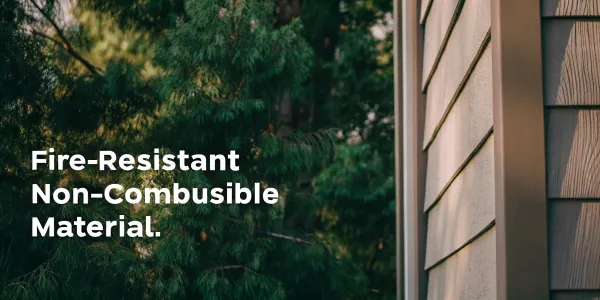
- Siding and Windows: If your siding is made of a combustible material like wood, consider replacing it with fire-resistant options like stucco or fiber cement. Ensure you have dual-paned windows, as the outer pane can help shield the inner one from breaking due to extreme heat.
Prepare Your Home's Interior
While hardening your home’s exterior is crucial for preventing ignition, preparing the inside ensures your family is safe and your assets are protected if you need to evacuate. These steps are simple but can make a world of difference during an emergency.
- Alarms and Documents: Install smoke alarms on every level of your home and in each bedroom. Test them monthly to ensure they’re working. Gather your most important documents—passports, birth certificates, insurance policies, and deeds—and store them in a fireproof safe. Better yet, create digital copies and save them to a secure cloud service you can access from anywhere.
- Home Inventory: Walk through your home and take a video of your belongings. This creates a visual record that can be invaluable for insurance claims. Narrate the video, noting valuable items. Store this file with your other digital documents.
Maintain Your Property Year-Round
What surrounds your home is just as important as the home itself. Creating and maintaining defensible space is a year-round job that starves a fire of the fuel it needs to reach your house. This is one of the most effective actions you can take.
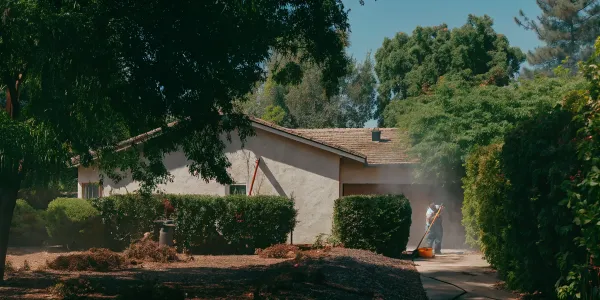
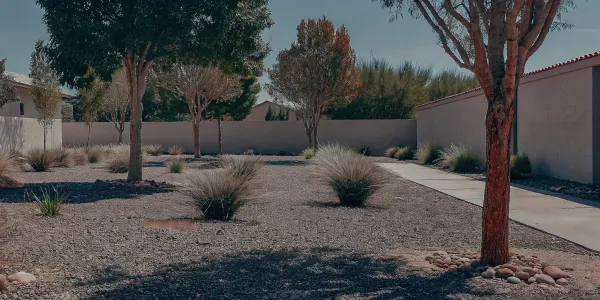
- The First Five Feet: The area immediately surrounding your home's foundation is the most critical. CAL FIRE calls this the Ember-Resistant Zone. Remove everything flammable within this five-foot perimeter. This includes bark mulch, dead plants, firewood stacks, and even patio furniture. Use non-combustible materials like gravel or pavers instead.
- General Landscaping: Regularly clear dead leaves, branches, and weeds from your entire property. Prune tree limbs so the lowest branches are at least six to ten feet from the ground. Keep your lawn mowed and watered, as healthy green grass is less likely to burn.
Stock Your Emergency Supplies
When an evacuation order is issued, you may only have minutes to leave. Having your supplies ready ahead of time eliminates panic and ensures you don’t leave anything critical behind. It also equips you to handle small issues before they become big ones.
- Firefighting Tools: Keep a fire extinguisher in an accessible location and make sure everyone in the house knows how to use it. Have a long garden hose connected to an outdoor water source that can reach all areas of your home. Shovels, rakes, and buckets can also be useful for putting out small spot fires.
- Go-Bags: Every person in your household, including pets, should have a "go-bag" packed and ready. This emergency kit should contain essentials like water, non-perishable food, medications, a flashlight, a first-aid kit, and copies of important documents. Store them somewhere you can grab them quickly, like your car or by the front door.
Create and Maintain Your Defensible Space
Creating defensible space is one of the most effective actions you can take to protect your home from wildfire. Think of it as a buffer zone you create between your house and the surrounding vegetation. This space is designed to slow or stop the spread of wildfire and protect your home from catching fire—either from direct flame contact or from flying embers. Insurers see a well-maintained defensible space as a clear sign that you are actively managing your property’s risk, which is critical for maintaining coverage. The National Fire Protection Association provides excellent guidelines for preparing homes for wildfire, which are broken down into manageable zones around your property.
Zone 1: The Ember-Resistant Zone (0-5 Feet)
This is the most critical area and requires the most attention. The five feet immediately surrounding your home should be a non-combustible zone, designed to prevent embers from igniting your house. Embers are the leading cause of home ignition during a wildfire, so this zone is your first and best line of defense. In this zone, it is crucial to remove all flammable materials such as dry leaves, mulch, woodpiles, and plants. Instead, use non-flammable materials like gravel or concrete to create a barrier against embers. This also means clearing any flammable items stored under your deck or next to the house, such as woodpiles, patio furniture, or brooms.
Zone 2: The Lean, Clean, and Green Zone (5-30 Feet)
In the space between 5 and 30 feet from your home, the goal is to interrupt a fire’s path and keep flames small. This doesn't mean you have to clear-cut your yard. Instead, focus on creating separation between islands of vegetation. To effectively manage this zone, keep plants spaced apart, trim tree branches, and remove any dead plants. This helps to reduce the risk of fire spreading to your home. Keep your lawn mowed and well-irrigated. Prune tree branches so the lowest limbs are 6 to 10 feet from the ground. This "lean, clean, and green" approach ensures that if a fire does enter this zone, it will have less fuel to burn and will be less likely to reach your home.
Zone 3: The Reduced Fuel Zone (30-100+ Feet)
The goal for this outer zone is to reduce the energy and speed of an approaching wildfire. You don't need to remove all vegetation, but you should thin it out. In the outer zone, it is important to keep the area tidy by removing dead trees and thinning out dense vegetation. This reduces the amount of fuel available for a potential fire. Create space between trees—at least 10 feet between canopies is a good rule of thumb. By reducing the density of vegetation, you can significantly slow a wildfire's spread and lower its intensity, giving firefighters a much better chance to defend your property.
Keep Your Defensible Space Effective All Year
Defensible space isn't a one-time project; it requires ongoing work. Regular maintenance is key to ensuring your defensible space remains effective. Clean your roof, gutters, decks, and wall bases regularly to remove leaves and other flammable debris. This proactive approach can significantly reduce damage and increase the chances of your home surviving a wildfire. A well-maintained defensible space not only increases your home’s chance of survival but also demonstrates to your insurer that you are a responsible homeowner. You can track these tasks and more by starting your free Wildfire Action Plan today.
Choose the Right Fire-Resistant Materials
Choosing the right materials is one of the most powerful actions you can take to harden your home. While defensible space manages the fuel around your house, your building materials determine if the structure itself can resist ignition from the two biggest wildfire threats: radiant heat and wind-blown embers. Embers are the real danger here, responsible for igniting the majority of homes lost in wildfires. These tiny, burning bits of debris can travel a mile or more ahead of a fire, landing on your roof, in your gutters, and against your walls, searching for anything flammable.
Your home's ability to fend off these embers is exactly what insurers are looking at when they assess your property. Using materials rated for fire resistance isn't just a smart safety measure; it's becoming essential for securing and keeping affordable homeowners insurance in high-risk areas. Upgrades like a Class A fire-rated roof or non-combustible siding are tangible proof to an insurer that you are actively reducing your risk. These are the kinds of structural improvements that can mean the difference between being insurable and receiving a non-renewal notice. Keeping track of these upgrades in your own Wildfire Action Plan is key to managing your insurance and building a truly resilient home.
Your First Line of Defense: Fire-Resistant Roofing
Think of your roof as the most exposed part of your home—a wide-open landing pad for embers. This is why a fire-resistant roof is non-negotiable in wildfire country. If you have wood or shake shingles, they are highly flammable and should be your first priority for replacement. Instead, you should opt for materials with a Class A fire rating, which is the highest level of resistance available. These materials include asphalt composition shingles, metal, concrete, and clay tiles. A Class A roof is designed to withstand severe fire exposure from the outside, giving your home its best chance of survival when embers start to fall.
Siding and Walls That Stand Up to Heat
Your home's exterior walls are the next barrier against embers and the intense radiant heat from a nearby fire. Siding made from non-combustible materials like stucco, fiber cement, and brick offers excellent protection. While some wood siding can be treated with fire retardants, it requires diligent maintenance to remain effective. For maximum protection, it’s crucial that your fire-resistant siding extends from the foundation all the way to the roof eaves. This creates a continuous, seamless barrier that leaves no gaps where heat or embers could penetrate the more vulnerable parts of your home’s structure.
Secure Windows, Doors, and Vents from Embers
Embers are small enough to find their way into your home through the tiniest openings, and vents are a common entry point. To secure your attic, crawlspace, and roof vents, cover all openings with 1/8-inch metal mesh screening. It’s important to use metal, as plastic or fiberglass mesh can easily melt or burn through. Your windows are another weak point. The heat from a wildfire can cause single-pane windows to shatter, allowing embers to blow inside. The standard for protection is dual-paned windows, with at least one pane made of tempered glass for added strength. You can find more detailed guidance in the CAL FIRE home hardening guide.
Build Smarter Decks and Fences
Attached decks and fences can act like a fuse, carrying fire from your yard directly to your house. If you have a wood deck, make sure to keep the area underneath it completely clear of flammable debris like leaves, pine needles, and stored items. When building a new deck or replacing an old one, use fire-resistant materials like treated wood or modern composites. For fences, the five feet closest to your house are the most critical. If your fence is made of wood, you can stop a fire in its tracks by replacing the section attached to your home with a metal gate or another non-combustible material.
Avoid These Common Wildfire Proofing Mistakes
Taking action to protect your home is a huge step, but it’s important to make sure your efforts are focused on what truly matters. Even with the best intentions, homeowners can fall into common traps that leave their property vulnerable. Understanding these mistakes is the key to creating a defense that holds up when it counts. By avoiding these pitfalls, you can ensure your time and investment are spent on measures that genuinely reduce your home’s wildfire risk and help you stay insurable.
Believing Common Landscaping Myths
One of the most persistent myths is that planting "fire-resistant" landscaping makes your property safe. While choosing the right plants helps, no plant is truly fire-proof. All vegetation is potential fuel. The real difference comes from how you maintain it. A so-called fire-resistant succulent planted next to a wooden fence or surrounded by dry mulch can still carry fire to your home. Focus on creating space between plants, removing dead material, and keeping everything well-watered. Your landscaping strategy should prioritize separation and maintenance over specific plant species alone.
Ignoring the Threat of Wind-Blown Embers
Many people picture a giant wall of flames when they think of wildfire, but the real threat to most homes is much smaller. Wind-blown embers can travel a mile or more ahead of the main fire, landing in gutters, under decks, and on flammable materials near your house. According to fire safety experts, these tiny embers are responsible for destroying the majority of homes in a wildfire. This is why creating an ember-resistant zone within the first five feet of your home is non-negotiable. Clearing this area of anything that can burn—from mulch and dead leaves to firewood piles and patio furniture—is one of the most effective actions you can take.
Forgetting That Maintenance is Key
Wildfire proofing isn’t a one-and-done project; it’s a year-round commitment. You can install the best vents and clear your defensible space perfectly, but if you don’t maintain it, your home’s defenses will weaken. Gutters fill with leaves, grass grows tall and dries out, and dead branches accumulate. Regular maintenance is essential for keeping your home prepared. Make it a habit to walk your property each season to perform key tasks: clean your roof and gutters, inspect vents for damage, and ensure your defensible space zones are clear of new fuel. A consistent routine is your best defense against complacency.
Thinking It Can't Happen in Your Neighborhood
It’s easy to assume wildfires are a problem for remote homes deep in the wilderness, but the lines are blurring. The expansion of the Wildland-Urban Interface (WUI) means millions of suburban homes are now on the front lines. Wildfires have destroyed tens of thousands of buildings in recent years, many in communities that never considered themselves at high risk. Complacency is a significant threat. Every homeowner in a fire-prone state should take proactive steps, regardless of their specific location. The first step is understanding your actual risk and creating a clear, actionable plan to address it.
How Wildfire Proofing Impacts Your Home Insurance
Taking proactive steps to wildfire-proof your property does more than just protect your home and family—it directly addresses the growing crisis in the home insurance market. For many homeowners in high-risk areas, it can feel like the ground is shifting beneath your feet. Insurers are pulling back, non-renewal notices are becoming more common, and premiums are climbing to unsustainable levels. In this environment, demonstrating that you’ve actively reduced your home’s wildfire risk is one of the most powerful tools you have to fight back.
This isn't just about checking boxes for a potential discount. It's about fundamentally changing your property's risk profile in the eyes of an underwriter. The home hardening and defensible space work you do can be the deciding factor in whether you can get coverage, how much you pay for it, and how smoothly a claim is handled if the worst happens. Every upgrade is an investment in both your physical safety and your financial stability, giving you a measure of control when it feels like you have none. It’s your best strategy for staying in the home you love without being priced out by insurance costs.
Meet Insurer Requirements and Lower Your Premiums
Insurers are looking for reasons to see your home as a manageable risk in a volatile landscape. By implementing the measures in this checklist—like creating defensible space and installing a Class A fire-rated roof—you show them you’re a responsible homeowner. This can make the difference between getting a renewal and a non-renewal notice. While it’s not a guarantee, these actions can help you qualify for coverage that might otherwise be unavailable. The impact of wildfires on property insurance is clear, with homes in high-risk zones often facing significantly higher premiums. Proving you’ve lowered your risk is your best strategy for securing more favorable terms.
Document Your Upgrades for Coverage and Claims
Don’t just do the work—document it. Keep a detailed file with receipts, photos (before and after), and contractor invoices for every wildfire-proofing upgrade you make. This record is your proof when speaking with insurance agents. When applying for a new policy or renewing an old one, this documentation can support your case for being a lower-risk property. If you ever need to file a claim, this file will be invaluable for showing the full extent of your investments and ensuring you are properly compensated. In a market where insurers are scrutinizing every policy, your documentation demonstrates a clear commitment to risk reduction.
The Key to Staying Insurable in High-Risk Areas
Ultimately, staying insurable in a high-risk area comes down to taking control of what you can. You can’t change your home’s location on a fire hazard map, but you can change how vulnerable it is. Consistently maintaining your defensible space, choosing fire-resistant materials for renovations, and hardening your home against embers are the essential actions that insurers want to see. As the cascading issues of wildfire insurance affect more communities, these proactive steps become less of a suggestion and more of a necessity for homeowners who want to protect their investment and maintain their coverage.
Take Control with Your Personalized Wildfire Action Plan
Putting all these pieces together—from home hardening to defensible space—can feel like a massive project. It’s easy to get overwhelmed by checklists and wonder where to even begin. But you don’t have to figure it out alone. A personalized plan translates these principles into a clear, step-by-step strategy tailored to your specific property, giving you a roadmap to follow.
This is about more than just ticking boxes. A true action plan helps you prioritize the most critical home hardening measures for your house, whether that’s sealing vents or upgrading your siding. It goes beyond a generic 100-foot rule, helping you create effective defensible space that accounts for your property’s unique slopes and vegetation, a key factor in avoiding wildfire damage.
Wildfires often destroy homes not with a wall of flame, but with a storm of tiny embers. A detailed plan helps you prepare your home to withstand ember attacks by pinpointing vulnerabilities like attic vents and unenclosed eaves. Beyond protecting your structure, a comprehensive plan ensures you have clear evacuation routes and that your property allows for critical emergency access for first responders when every second counts.
Instead of guessing what matters most for your family’s safety and to your insurance carrier, you get a clear, documented strategy. This proactive approach is your strongest tool for protecting your home and staying insurable. Take the first step toward securing your home and your peace of mind. Create your personalized Wildfire Action Plan today.
Related Articles
- Wildfire Risk Insurance: A Complete Guide
- The Ultimate Wildfire Preparedness Checklist
- What Does Wildfire Insurance Cover? A Simple Guide
Pay Less for Home Insurance
and Avoid Non-Renewal?
Our partner, Five Bays Insurance Agency, offers a free policy checkup that spots hidden discounts to make sure you’re not paying more than you should.
Frequently Asked Questions
I'm overwhelmed. What's the single most important thing I can do to start? Start with the five feet immediately surrounding your home's foundation. This is your ember-resistant zone, and it's the most critical area for preventing your house from igniting. Clear out everything flammable: bark mulch, dead leaves, firewood, and even brooms leaning against the wall. Replace mulch with non-combustible options like gravel or pavers. This single action creates a powerful barrier against wind-blown embers, which are the primary threat to most homes. It's a manageable first step that delivers the biggest impact.
Will doing all this work actually guarantee I can keep my insurance or lower my premium? While there are no guarantees in the current insurance market, taking these steps is the most effective strategy you have. Insurers make decisions based on risk. By hardening your home and maintaining defensible space, you are actively lowering your property's risk profile. This makes you a much more attractive client and can be the deciding factor in getting renewed or finding affordable coverage. Think of it as building the strongest possible case for why your home is a manageable risk worth insuring.
Does creating "defensible space" mean I have to clear-cut my entire yard? Not at all. A well-designed defensible space isn't a barren landscape; it's a thoughtfully maintained one. The goal is to create separation between flammable things to slow a fire down and reduce its intensity. This means trimming tree limbs, removing dead plants, and spacing out shrubs so fire can't easily jump from one to the next. It's about being lean, clean, and green—not clear-cutting your property.
My house isn't new. Can I still effectively wildfire-proof an older home? Absolutely. Many of the most effective wildfire-proofing measures are retrofits that can be applied to homes of any age. Covering your vents with 1/8-inch metal mesh, ensuring your gutters are consistently clean, and creating that five-foot non-combustible zone around your foundation are all powerful actions that don't require a major renovation. You can significantly increase an older home's resilience by focusing on these key vulnerabilities.
What's the difference between "home hardening" and "defensible space"? Think of it this way: home hardening is about the house itself, while defensible space is about the yard around it. Home hardening involves strengthening the structure—using a fire-resistant roof, dual-paned windows, and non-combustible siding—to make it less likely to ignite. Defensible space is the managed buffer zone you create in your yard to slow or stop an approaching fire before it ever reaches your house. You need both to create a truly effective defense.