Essential Wildfire Prevention for NorCal Homeowners
Get practical wildfire prevention for homeowners Northern California with proven steps for home hardening, defensible space, and insurance readiness.
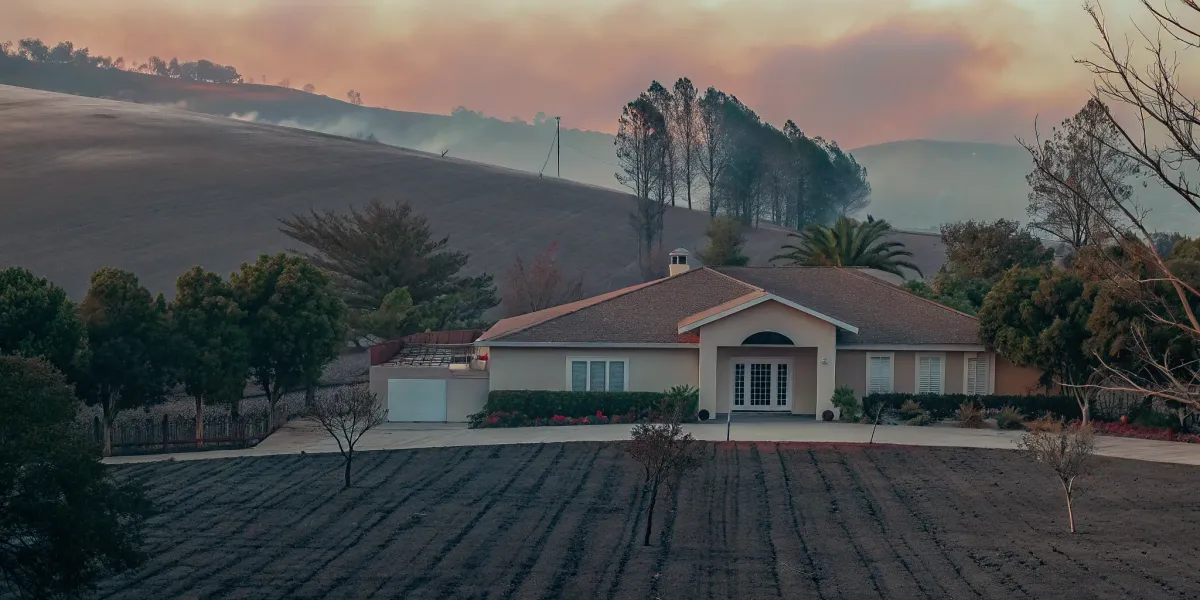
Many people think of wildfire as a distant wall of flame, something that only threatens homes deep in the woods. This is one of the most dangerous myths out there. The real threat for most homes comes from tiny, wind-driven embers that can travel a mile or more, igniting flammable materials around your house. Understanding this single fact changes everything. It means that even if you’re not right next to a forest, your home is still at risk. Effective wildfire prevention for homeowners in Northern California isn't about building a bunker; it's about making smart, targeted changes to your home and property to defend against these embers. This guide will show you exactly how to do it.
Paying Too Much
For Insurance?
Our partner, Five Bays Insurance Agency, offers a free policy checkup that spots hidden discounts to make sure you’re not paying more than you should.
Key Takeaways
- Focus on embers, not a wall of flame: The primary threat to your home is from tiny, wind-driven embers that can travel over a mile. Prioritize home hardening actions that block them, like sealing small gaps, installing 1/8-inch metal screens on vents, and choosing a Class A fire-rated roof.
- Create a layered defense with defensible space: You have direct control over your home’s immediate surroundings. Systematically clear flammable materials in zones—starting with a non-combustible 5-foot perimeter—to slow a fire’s spread and give your home a fighting chance.
- Proactive mitigation is your key to insurability and safety: The steps you take to reduce risk are exactly what insurers want to see. Document every upgrade to qualify for discounts, and complete your strategy with a practiced family evacuation plan so you're prepared for anything.
Why Is Wildfire Risk So High in Northern California?
Understanding why Northern California is so susceptible to wildfires is the first step toward protecting your home and family. It’s not just about bad luck; it’s a combination of environmental conditions, historical trends, and common misunderstandings that can leave homeowners unprepared. When you know what you’re up against, you can create a plan that directly addresses the real threats to your property.
The environmental factors that increase fire danger
California faces a growing wildfire crisis due to a combination of past fire suppression policies and the effects of climate change. For nearly a century, the standard practice was to extinguish all fires as quickly as possible. While well-intentioned, this prevented smaller, natural fires from clearing out dead trees and undergrowth, leaving our forests with a massive buildup of dry fuel. Now, add in climate change—which brings hotter temperatures, prolonged droughts, and powerful winds—and you have the perfect recipe for explosive wildfires that are harder to control. These conditions are a key reason why improving California's wildfire and forest resilience has become a top priority for the state.
A look at historical wildfire trends
It’s easy to imagine a wildfire as a giant wall of flame consuming everything in its path, but that’s not how most homes are lost. The real culprit is often much smaller: embers. These burning particles can be carried by the wind for a mile or more, far ahead of the main fire. According to fire experts, most homes are destroyed when these embers land on or near the house, igniting flammable materials like dry leaves in a gutter, a woodpile stacked against the wall, or even a doormat. Understanding how wildfires spread via embers is critical because it means even homes that aren't directly adjacent to wildlands are still at significant risk.
Common myths that put your home at risk
Many homeowners operate under a false sense of security based on outdated myths. One of the most dangerous is believing that wildfires only threaten homes deep in the woods. As we know from the threat of embers, suburban and even some urban neighborhoods can be vulnerable. Another common misconception is that your insurance policy is a safety net that will automatically cover a full rebuild. With non-renewals on the rise, this is far from guaranteed. Finally, many people think that basic landscaping is enough. Simply creating distance between plants and your home doesn't fully address the complexities of fire behavior. A truly fire-wise landscape requires a more strategic approach to fuel reduction.
How Do You Harden Your Home Against Wildfires?
When you hear the term “home hardening,” you might picture a concrete bunker. But it’s really about making smart, strategic upgrades to your home to help it withstand a wildfire. The primary threat during most wildfires isn’t a massive wall of flame, but a shower of tiny, wind-driven embers that can travel a mile or more ahead of the fire itself. These embers are relentless, searching for any small opening or flammable material to ignite. Hardening your home means closing off those entry points and swapping out vulnerable materials for fire-resistant ones.
Taking these steps does more than just protect your property—it gives you a measure of control in a situation that can feel overwhelming. These are the exact measures that insurance companies evaluate when assessing your home’s risk. By proactively hardening your home, you’re not only building a stronger defense against fire but also making a powerful case for your insurability. Every improvement you make is a step toward securing your home and your peace of mind. You can start by identifying your home's specific vulnerabilities with a personalized Wildfire Action Plan.
Choose fire-resistant roofing and siding
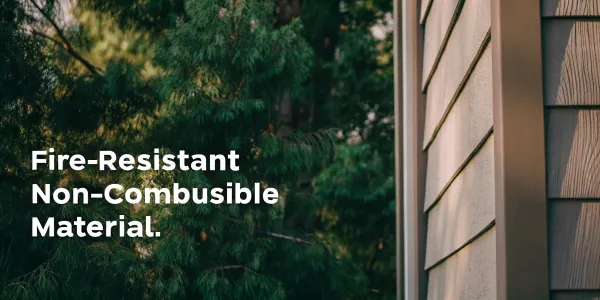
Your roof is the most vulnerable part of your house, acting as a large, flat surface where embers can land and accumulate. If you have a wood or shingle roof, it’s a major liability. The best defense is a Class A fire-rated roof. Materials like composite shingles, metal, concrete, and clay tiles are excellent choices because they don't ignite. The same logic applies to your siding. Wood siding can easily catch fire, so consider replacing it with fire-resistant materials like stucco, fiber cement, or brick. These upgrades are significant, but they are the most important investments you can make in hardening your home.
Seal gaps to block embers
Embers are tiny and can find their way into your home through the smallest of openings. Think like an ember: where could you sneak in? Walk around your house and look for gaps where different materials meet, especially around the foundation and under the roofline. Use caulk to seal cracks in siding and around windows and doors. One of the most common entry points is the garage. Make sure your garage door has weather stripping along the bottom and sides to create a tight seal. Blocking these small entryways is a low-cost, high-impact way to prevent embers from getting inside and starting a fire from within.
Install ember-resistant vents and screens
Vents are necessary for your home’s attic, foundation, and crawl spaces, but they are also open invitations for embers. The solution is to cover all vent openings with fine metal mesh screens. The openings should be no larger than 1/8 of an inch to effectively block embers. Avoid plastic or fiberglass screens, as they can melt or burn. For an even higher level of protection, you can install specially designed ember-resistant vents, many of which are tested and approved by the California State Fire Marshal. This simple fix ensures your home can breathe without inhaling dangerous embers during a wildfire.
Upgrade windows and doors for fire protection
The intense heat from a wildfire can shatter single-pane windows, allowing embers and flames to enter your home. Double-pane windows provide a much stronger barrier, especially if one of the panes is made of tempered glass. Tempered glass is more resistant to breaking under high heat. When it’s time to replace your windows, this upgrade is essential for homes in high-risk fire areas. Also, consider the placement of your windows. Large windows facing dense vegetation pose a greater risk. For doors, make sure all exterior doors are solid-core and form a tight seal with the doorframe to keep embers out.
Box in eaves and protect other vulnerable areas
Eaves—the part of your roof that overhangs the walls—can be a dangerous weak spot. Open eaves can trap hot air and embers, creating a perfect spot for a fire to start and spread to your roof and attic. To prevent this, you can "box in" your eaves by covering the open space with fire-resistant materials like fiber cement or stucco. Don’t forget about other attachments to your home. Decks, patios, and fences can act as a wick, carrying fire directly to your house. Use non-combustible or fire-resistant materials for these structures, especially for any part that connects directly to your home.
What Are the Essential Steps for Creating Defensible Space?
Creating defensible space is one of the most effective actions you can take to protect your home from wildfire. It’s the buffer you create between your house and the surrounding grass, trees, and wildland. This space is designed to slow or stop the spread of wildfire and protect your home from catching fire—either from direct flame contact or radiant heat. It’s also a critical factor for insurers when they assess your property’s risk. The good news is that you have complete control over this.
The process is based on a series of zones, a concept standardized by agencies like CAL FIRE to give homeowners a clear, actionable roadmap. By focusing on these specific areas around your property, you can systematically reduce flammable materials and give your home a fighting chance. Let’s walk through what you need to do in each zone.
Zone 0: The critical 5-foot ember-resistant zone
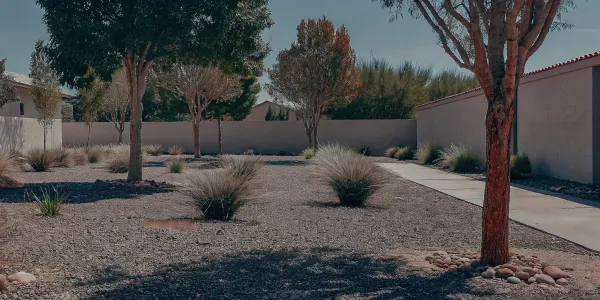
Think of this as your home’s non-combustible bubble. Extending five feet out from the base of your house, this is the most important area for preventing ignition from wind-blown embers. Embers are the leading cause of homes burning down in a wildfire, and your goal here is to give them nothing to burn. Start by removing all flammable materials. Replace bark mulch with non-combustible options like gravel, pavers, or concrete. Clear away all dead leaves, pine needles, and other debris from this zone, especially under decks and in corners where they accumulate. Move firewood piles, outdoor furniture with flammable cushions, and even coconut-fiber doormats to at least 30 feet away from the house.
Zone 1: Lean, clean, and green (5-30 feet)
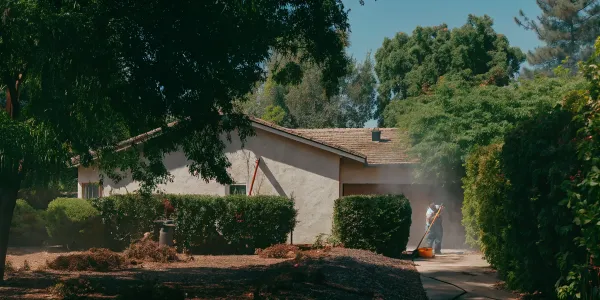
This next layer of defense, extending from 5 to 30 feet from your home, is all about interrupting a fire’s path. The guiding principle here is to keep the landscape “lean, clean, and green.” Remove all dead plants, dry grass, and weeds. Create separation between trees and shrubs to prevent fire from climbing from the ground into the tree canopy. Prune tree branches so they are at least 10 feet away from your roof, chimney, and other trees. You should also clear away any low-hanging branches up to six feet from the ground. This spacing disrupts the fuel continuity, forcing an approaching fire to lose momentum and intensity before it can reach your home.
Zone 2: Reduce fuel density (30-100+ feet)
In the outer ring of your defensible space, from 30 to 100 feet (or your property line), the focus shifts to reducing the overall density of flammable vegetation. You don’t need to clear-cut this area. Instead, your goal is to thin out the fuel. Remove any stressed, diseased, or dead trees and shrubs. Mow annual grasses down to a maximum height of four inches. Create horizontal and vertical space between remaining trees and shrubs to break up the continuous path a fire could follow. This strategic thinning helps slow a wildfire’s advance, lowers flame heights, and gives firefighters a safer area to work if they need to defend your home.
Select and space fire-resistant plants
Your landscaping choices play a huge role in your home’s defense. When planning your garden, it’s smart to pick plants that are less likely to ignite and burn slowly. Species like California lilac, sage, and succulents are great options because they retain moisture and have a low fuel volume. Just as important as plant selection is spacing. Group vegetation into small, irrigated “islands” separated by hardscaping like gravel paths, stone retaining walls, or bare earth. These non-combustible breaks act as firebreaks, preventing flames from spreading from one part of your yard to another and ultimately stopping them from reaching your house.
Maintain your space year-round
Creating defensible space isn’t a one-time project; it requires ongoing commitment. Your landscape is constantly changing as plants grow and seasons shift. Regular maintenance is essential to keep your property fire-safe. Make it a habit to walk your property and look for new risks. Clean your roof and gutters of fallen leaves and pine needles, especially in the spring and fall. Mow dry grass before it becomes a hazard, and prune back any vegetation that has grown too close to your home. As fire safety experts advise, these regular evaluations are crucial for adapting to changes and ensuring your defensive zones remain effective year after year.
How Does Wildfire Prevention Impact Your Insurance?
Taking steps to protect your home from wildfire does more than just give you peace of mind—it directly affects your ability to get and keep affordable home insurance. In California, the insurance landscape is changing rapidly. Insurers are looking closely at the specific actions homeowners take to reduce their property’s risk. Proving that you’ve hardened your home and created defensible space is no longer just a good idea; it’s becoming essential for your financial security. By being proactive, you can improve your home's resilience and position yourself as a lower-risk client in the eyes of insurance carriers.
The reality of insurance non-renewals and the FAIR Plan
If you’ve received a non-renewal notice, you’re not alone. As wildfire risk grows, many insurers are reducing their coverage in high-risk areas, leaving homeowners scrambling for options. For many, the last resort is the California FAIR Plan, which serves as a crucial backstop. However, it’s important to understand that the FAIR Plan is basic, often providing less coverage than a standard policy and requiring you to purchase a separate plan for liability. This can leave you underinsured, covering only a fraction of your home's value. The market is challenging, but understanding your options is the first step toward finding a solution.
How mitigation can lower your premiums
The good news is that your prevention efforts can lead to real savings. A state regulation now requires California insurers to offer discounts to homeowners who invest in home hardening or live in a recognized Firewise community. This means the work you do—like installing a Class A fire-rated roof or clearing vegetation near your home—has a direct financial benefit. Be sure to document every upgrade and share the details with your insurance agent. These actions demonstrate your commitment to reducing risk, making you a more attractive customer and potentially lowering your annual premium.
What Northern California fire codes require
Following local fire codes is the absolute baseline for insurability. Insurers want to see that you’re meeting all legal requirements for wildfire safety. In most Northern California communities, this includes maintaining defensible space by clearing dead vegetation and ensuring there is adequate distance between trees and your home. It also means having clear access for emergency vehicles, a visible address, and a reliable water supply. These aren't just suggestions; they are mandatory requirements that serve as the foundation for any effective wildfire action plan. Check with your local fire department to ensure you are fully compliant.
Find local community programs and resources
You don’t have to bear the cost of wildfire mitigation alone. Several programs exist to help homeowners fund these critical improvements. The California Wildfire Mitigation Program (CWMP) was created to provide financial assistance for home hardening projects, especially for vulnerable households in high-risk areas. Many counties and local fire-safe councils also offer their own grants, rebates, or free chipping services. A quick search for programs in your specific county can uncover resources that make protecting your home more affordable. Taking advantage of these programs is a smart way to increase your home’s safety and insurability.
What Belongs in Your Emergency Preparedness Plan?
After you’ve hardened your home and created defensible space, the final piece of the puzzle is knowing what to do when an evacuation order comes. A solid emergency plan isn't just a document; it's your family's roadmap to safety when minutes count. Building a comprehensive Wildfire Action Plan means thinking through every detail before a crisis hits, so you can act decisively and without panic. Here are the core components every household needs.
Plan your evacuation routes and communication
When it’s time to go, you need to know where you’re going. Start by mapping at least two evacuation routes from your neighborhood and familiarize yourself with them. When planning your evacuation routes, ensure they are clear and accessible. Make sure to communicate your plans with family members and establish a meeting point in case of separation. Designate one spot nearby (like a specific tree or landmark) and a second one outside your immediate area (like a relative’s house or a community center) in case you can’t get home. Keep a paper map in your car, as cell service and GPS may be unreliable during an emergency.
Protect essential documents and create backups
Imagine having to rebuild your life from scratch. What papers would you need? Ensure that important documents such as insurance policies, identification, and medical records are stored in a safe, easily accessible location. This includes birth certificates, passports, social security cards, and property deeds. Consider creating digital backups of these documents to ensure they are not lost in the event of a wildfire. You can scan them and save them to a secure cloud service or an encrypted USB drive that you keep in your go-bag or a safe deposit box. This simple step can save you immense stress during recovery.
Prepare your emergency supply kits and go-bags
When an evacuation order is issued, you won’t have time to search for supplies. Prepare emergency supply kits that include essentials such as water, non-perishable food for several days, first aid supplies, flashlights, and batteries. Additionally, create “go-bags” for each family member that contain personal items and necessities for a quick evacuation. This should include prescription medications, eyeglasses, cash, chargers for your devices, and comfort items for children. Don’t forget to pack a kit for your pets with food, water, and any necessary medications. You can find helpful checklists from resources like the Community Wildfire Preparedness and Mitigation program.
Practice and update your plan regularly
A plan is only effective if everyone knows their role. Regularly practice your emergency plan with all family members to ensure everyone knows what to do in case of a wildfire. Running a drill helps build muscle memory and can make a real emergency feel less chaotic, especially for children. It’s also critical to update your plan as necessary, especially after any changes in your household or community. Set a calendar reminder to review your plan every six months. Check the expiration dates on food and batteries in your kits, update contact information, and walk through your evacuation routes again.
Related Articles
- Wildfire Risk Insurance: A Complete Guide
- What Does Wildfire Insurance Cover? A Simple Guide
- Defensible Space Creation in NorCal: A Complete Guide
- How to Do a Wildfire Home Assessment in NorCal
- How to Get CA Home Insurance in High Fire Risk Areas
Paying Too Much
For Insurance?
Our partner, Five Bays Insurance Agency, offers a free policy checkup that spots hidden discounts to make sure you’re not paying more than you should.
Frequently Asked Questions
I can't afford to do everything at once. What are the most important home hardening steps to start with? Start with the projects that give you the most protection for your effort. Your roof is the most vulnerable surface, so if a replacement is already on your radar, prioritize a Class A fire-rated material. For lower-cost but high-impact fixes, focus on blocking embers. Walk the perimeter of your home and use caulk to seal any small gaps in your siding. Then, cover all your vents with 1/8-inch metal mesh screening. These two steps are relatively inexpensive and directly address the number one way homes ignite in a wildfire.
What's the difference between "home hardening" and "defensible space"? It’s helpful to think of them as two distinct layers of defense. Home hardening refers to the physical structure of your house—the building materials you use. This includes things like fire-resistant roofing, siding, and double-pane windows. Defensible space is all about the area around your house. It’s how you manage your landscaping and yard in zones to slow a fire’s approach and prevent flames from reaching your home in the first place. You need both for a truly resilient property.
My insurance company sent a non-renewal notice. What are my next steps? First, take a deep breath. It’s a stressful situation, but you have options. Contact your agent immediately to understand the specific reason for the non-renewal. Then, start shopping for a new policy, making sure to highlight every single fire mitigation measure you’ve taken. If you can't find coverage, your next step is the California FAIR Plan, which provides basic fire insurance. Just be aware that you'll likely need to buy a separate policy for liability and other coverages.
If I only have one weekend to work on my yard, what's the most critical part of defensible space to focus on? Concentrate all your energy on Zone 0. This is the five-foot area that extends out from the foundation of your house in every direction. It is the most critical space for preventing embers from igniting your home. Remove everything flammable from this zone. Rake away leaves and pine needles, replace bark mulch with gravel or pavers, and move firewood piles and flammable patio furniture at least 30 feet away. If you do nothing else, clearing this immediate zone gives your home a much better chance of survival.
How will I know when it's actually time to evacuate? Your primary source of information should be official alerts from your county's emergency services or local fire department. Sign up for these alerts on their websites so you get them directly on your phone. Pay close attention to the difference between an evacuation warning (be ready to go) and an evacuation order (leave immediately). The most important rule is to go as soon as an order is issued. If you feel unsafe at any point, even during a warning, trust your gut and leave early. It's always better to be safe.