Your Guide to Wildfire Insurance Readiness in SoCal
Get practical wildfire insurance readiness Southern California tips. Learn how to review your policy, harden your home, and protect your family and property.
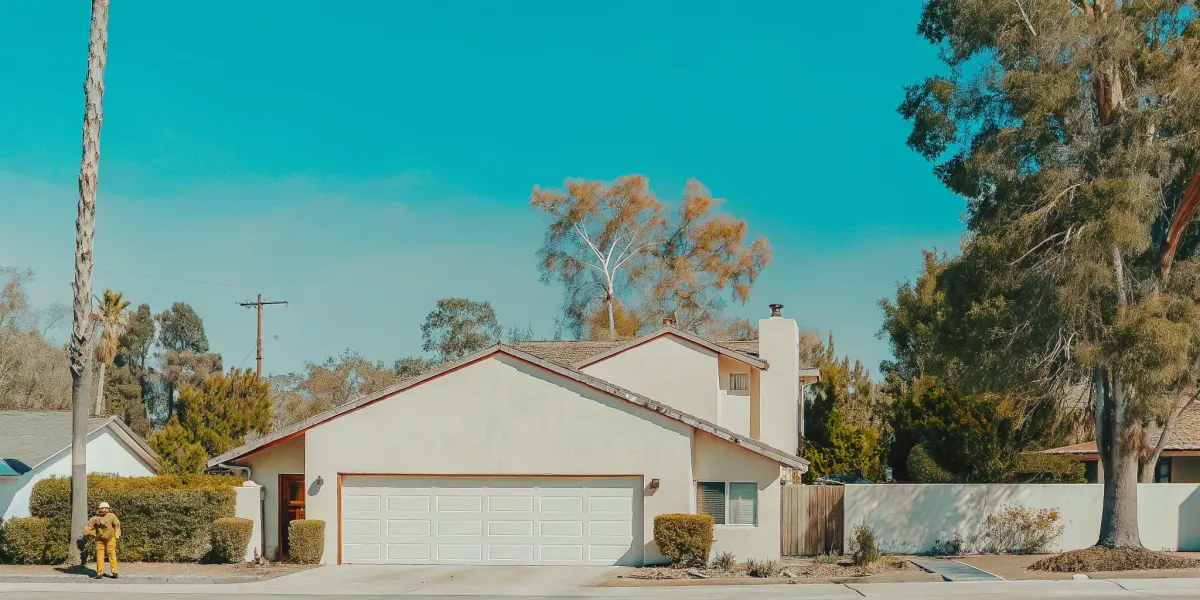
There are dangerous myths floating around about wildfire insurance. Some homeowners believe their policy will automatically cover a full rebuild, while others think there’s nothing they can do to avoid being dropped by their carrier. In today’s market, these misconceptions can be incredibly costly. The truth is, insurance policies are filled with complex terms, exclusions, and limits that can leave you underprotected when you need it most. We’re here to cut through the confusion. This guide debunks the common myths and gives you the facts about what your policy actually covers. We’ll provide a clear, straightforward roadmap for achieving wildfire insurance readiness Southern California so you can make informed decisions to protect your home.
Pay Less for Home Insurance
and Avoid Non-Renewal?
Our partner, Five Bays Insurance Agency, offers a free policy checkup that spots hidden discounts to make sure you’re not paying more than you should.
Key Takeaways
- Review Your Coverage Annually to Match Rebuilding Costs: Your policy's dwelling limit must be high enough to cover today's construction prices, not your home's market value. Ensure you have key add-ons like extended replacement cost and building code coverage to avoid falling short after a disaster.
- Make Your Home a Lower Risk to Stay Insured: Insurers are dropping homes they see as too risky. You can directly influence their decision by implementing home hardening measures, especially creating a five-foot non-combustible zone around your foundation and maintaining defensible space.
- Understand Your Last-Resort Insurance Options: If you're non-renewed, the California FAIR Plan offers basic fire coverage. You will need to pair it with a separate Difference in Conditions (DIC) policy to get the comprehensive protection of a standard homeowners policy.
What Is Wildfire Insurance and Why Do You Need It in Southern California?
If you live in Southern California, you’re no stranger to wildfire season. But lately, the threat isn’t just the fire itself—it’s the chaos in the home insurance market. You might be facing a non-renewal notice, skyrocketing premiums, or the frustrating search for a new carrier. It’s easy to feel powerless, but understanding your insurance is the first step toward taking back control.
Wildfire insurance isn’t a separate policy you buy. It’s the part of your standard homeowners insurance that covers damage from fire, including wildfires. The problem is that as fires become more frequent and destructive, insurers are rethinking who and what they’re willing to cover. For homeowners in high-risk areas, this means the policy you’ve had for years might no longer be available, or its coverage might not be enough to help you recover after a disaster. Getting clear on what your policy does—and doesn’t—do is essential for protecting your family and your biggest investment.
What does wildfire insurance actually cover?
At its core, the fire peril portion of your homeowners insurance policy is designed to cover three main areas. First is your dwelling—the physical structure of your house. Second is your personal property, which includes everything inside your home, from furniture to clothing. The third is Additional Living Expenses (ALE), which helps pay for temporary housing and other costs if a fire makes your home uninhabitable.
However, a standard policy might not be enough. Even if your homeowners insurance includes coverage for wildfire damage, it may not completely cover the cost of rebuilding your home, especially with construction costs on the rise. This is where the details matter. Understanding the difference between your home’s market value and its replacement cost is critical, as these figures can be wildly different.
Why is Southern California at such high risk?
Southern California’s beautiful landscape—with its rolling hills, dry chaparral, and seasonal Santa Ana winds—creates a perfect storm for wildfires. Long periods of drought have only made the vegetation more flammable, turning entire communities into high-risk zones. This isn’t just a problem for homes bordering wildlands; embers can travel for miles, igniting homes in dense suburban neighborhoods.
This increased frequency and intensity of wildfires is what’s driving the current insurance crisis. From an insurer’s perspective, the risk has become too high and unpredictable. As a result, many are pulling out of high-risk areas, non-renewing policies, and raising premiums to levels that feel unsustainable. For homeowners, this means the ground rules are changing, and staying insured requires a more proactive approach to managing your property’s risk.
What are the most common myths about wildfire insurance?
Navigating wildfire preparedness is confusing enough without the myths that circulate. Let’s clear up a few common misconceptions so you can focus on what really matters.
One of the biggest myths is that your insurance payout is based on your home’s market value. In reality, your policy is designed to cover the cost to rebuild, which is often much higher than what you could sell it for. Another common myth is that making your home fire-resistant costs a fortune. While big upgrades like a new roof are expensive, many of the most effective home hardening measures are low-cost or even free, like clearing dead vegetation from your yard. Knowing the facts helps you create a realistic and effective preparedness strategy. You can start by building your own personalized Wildfire Action Plan today.
How to Review Your Current Wildfire Insurance Policy
Before you can figure out what you need, you have to understand what you have. Pulling out your current homeowners insurance policy and giving it a thorough review is the single most important first step you can take. It’s easy to file it away and forget about it, but in a high-risk area, an outdated policy can leave you dangerously underinsured. Think of this as a financial health check-up for your home.
Reading an insurance policy can feel like trying to decipher a foreign language. It’s dense, full of jargon, and frankly, a little boring. But buried in that fine print are the details that determine whether you can rebuild your life after a fire. Let’s break down exactly what you need to look for, section by section, so you can feel confident in your coverage and identify any red flags. Taking the time to do this now gives you the power to make changes before you ever need to file a claim.
Check your policy limits and replacement costs
First, find the "declarations page," which is usually the first page of your policy. This page summarizes your coverage. Look for the "dwelling" coverage limit—this is the maximum amount the insurance company will pay to rebuild your home's structure. The critical question is: Is this number high enough? With construction and labor costs rising sharply, a policy that was adequate five years ago might not even come close to covering a full rebuild today. It’s essential to update your insurance policy to reflect current costs, not what you originally paid for your house or its market value. If you’re not sure, an agent or a local contractor can help you estimate today’s rebuilding expenses.
Understand dwelling vs. personal property coverage
Your policy makes a key distinction between your house itself and everything inside it. "Dwelling coverage" protects the physical structure, while "personal property coverage" is for your belongings—furniture, clothes, electronics, and so on. Many homeowners are surprised to learn these are separate limits. Even if your dwelling coverage is sufficient, your personal property limit might be too low to replace everything you own. The best way to assess this is to create a home inventory. Walk through your home, room by room, and estimate the value of your possessions. This exercise will give you a clear picture of whether your personal property coverage is truly enough to get you back on your feet.
Find your policy's gaps and exclusions
Every insurance policy has limitations. It’s your job to find out what they are before a fire does. Read the "exclusions" section carefully to see what isn’t covered. Common gaps in wildfire-prone areas can include landscaping, detached structures like sheds or guest houses, and the full cost of debris removal. Some policies may also have specific requirements or limitations related to wildfire risk that you need to be aware of. Identifying these gaps now allows you to purchase additional coverage, known as an endorsement or rider, to fill them. Don’t assume something is covered; if you don’t see it listed, ask your agent directly.
Schedule an annual policy check-up with your agent
Your life and your home are not static, and your insurance policy shouldn't be either. Make it a habit to schedule a review with your insurance agent at least once a year. This is the perfect time to discuss any changes that could affect your coverage needs. Did you complete a major renovation, like adding a room or remodeling the kitchen? Those improvements increase your home's value and need to be reflected in your policy. An annual check-up ensures your coverage keeps pace with your life and with economic factors like inflation. It’s a simple, proactive step that provides peace of mind and keeps your financial protection up to date.
Which Home Hardening Steps Can Lower Your Risk and Insurance Costs?
When insurers assess your property, they’re looking at more than just your zip code. They’re evaluating the specific actions you’ve taken to make your home more resilient to wildfire. This process, known as “home hardening,” involves using construction materials and landscaping techniques that help your property resist damage from embers and flames. Taking these steps not only makes your home safer but can also be the key to keeping your insurance coverage or finding a more affordable policy. It’s one of the most direct ways you can take control in a challenging insurance market.
Insurers want to see that you are actively reducing their risk. By hardening your home, you are demonstrating that your property is a safer bet. These upgrades can directly address the factors that lead to non-renewal or high premiums. While some steps are significant investments, many are low-cost maintenance tasks that make a huge difference. The key is knowing which actions will have the biggest impact on your home’s specific vulnerabilities. Creating a personalized Wildfire Action Plan can help you identify, prioritize, and track the upgrades that matter most to insurers and, more importantly, to your family’s safety.
Create defensible space around your home
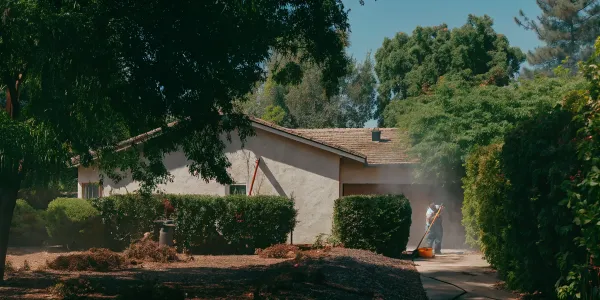
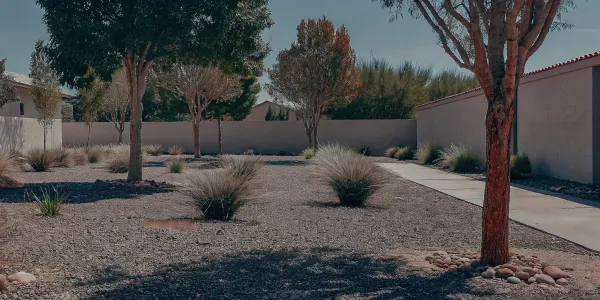
The single most effective thing you can do is create a buffer between your home and the surrounding vegetation. This is called defensible space, and its primary job is to stop a fire before it reaches your house. Most homes aren't lost to a giant wall of flame but to tiny, wind-blown embers that land on flammable materials nearby. Creating a non-combustible zone within the first five feet of your home is critical. This means removing mulch, dead leaves, and flammable plants, and using materials like gravel or concrete instead. Beyond that, thinning trees and removing dead vegetation up to 100 feet out gives firefighters a chance to defend your home.
Choose fire-resistant building materials
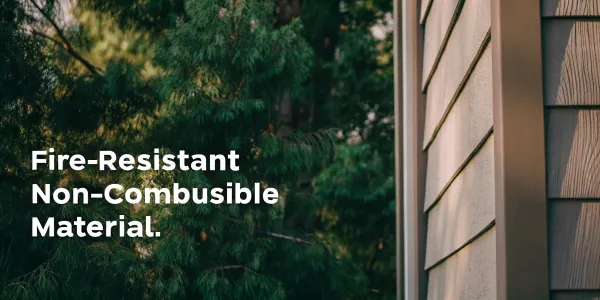
The materials your home is made of are its first line of defense. If you’re building or remodeling, prioritize fire-resistant options. Your roof is the most vulnerable surface, so a Class A fire-rated roof made of asphalt shingles, metal, or tile is essential. For siding, materials like stucco and fiber cement are far safer than wood. While retrofitting an existing home can be a significant investment, these upgrades are what insurers look for when determining your home’s risk level. Making smart choices in building materials can directly influence your ability to secure and maintain coverage and may be required to qualify for certain policies in high-risk areas.
Install spark arresters and tempered glass windows
Wildfires find their way into homes through small openings. Vents in your attic, foundation, and eaves are open doors for flying embers. You can close them off by installing fine metal mesh screens (with 1/8-inch mesh) over these openings. Windows are another weak point; the intense heat from a wildfire can shatter standard glass, allowing embers and flames inside. Upgrading to dual-paned windows with tempered glass makes them much more likely to withstand the heat. As experts note, "Proper attention to these vulnerable, easily-ignited areas of the home helps to decrease the home’s risk to being destroyed by wildfire."
Maintain clear gutters, roofs, and ember-free zones
Home hardening isn’t a one-time project; it requires consistent upkeep. Gutters and roofs clogged with dry leaves and pine needles are perfect kindling for embers. You should clean them regularly, especially before and during fire season. Maintaining the five-foot ember-free zone around your home is also an ongoing task. This means keeping the area clear of anything that can easily ignite, from firewood piles to patio furniture with flammable cushions. According to FEMA, removing these hazards is a simple but powerful way to protect your property and show an insurance company that you are a responsible homeowner.
What Are Your Options If You Can't Find Affordable Coverage?
Receiving a non-renewal notice or seeing your insurance premium skyrocket can feel overwhelming and unfair. It’s a frustrating reality for many homeowners in Southern California, but it doesn't mean you're out of options. If you’re struggling to find a policy you can afford in the traditional market, it’s time to look at the alternatives designed specifically for situations like yours.
Think of this as your roadmap. We’ll walk through the state’s safety-net plan, how to supplement it for better protection, and where to find specialized insurers who understand high-risk areas. Your goal is to find the best possible protection for your home and family, and sometimes that means looking beyond the big-name companies. From the California FAIR Plan to specialized brokers who work with non-admitted carriers, there are resources available to help you secure coverage and peace of mind.
The California FAIR Plan: What it is and its limits
If you’ve been rejected by traditional insurers, your next stop is likely the California FAIR Plan. Think of it as an insurer of last resort for homeowners who can’t find coverage anywhere else. It was created to provide basic fire insurance, covering damage from wildfire, smoke, and other fire-related events. While it’s an essential option, it’s important to understand its limitations. The FAIR Plan is not a comprehensive homeowners policy; it won’t cover things like theft, liability, or water damage. It’s a foundational policy designed to protect your structure from fire, but it leaves significant gaps you’ll need to fill.
Difference in Conditions (DIC) policies explained
Because the FAIR Plan is so limited, you’ll almost always need to pair it with a second policy called a “Difference in Conditions” (DIC) policy. A DIC policy is designed to wrap around the FAIR Plan and fill in the missing pieces of coverage. It typically adds protection for personal liability (in case someone is injured on your property), theft, and water damage, creating a package that more closely resembles a standard homeowners insurance policy. You buy a DIC policy from a traditional insurer, so you’ll end up with two separate policies and two separate bills, but together they provide more complete protection for your home and finances.
Explore non-admitted carriers and surplus lines
When standard insurance companies (called "admitted carriers") decide the risk is too high, you can often find coverage from "non-admitted" or "surplus lines" carriers. These are insurance companies that are permitted to cover risks that standard insurers won't take on. While they aren't backed by the state's guarantee fund, they are still regulated and can be a perfectly safe and viable option for homeowners in high-risk fire zones. These policies can sometimes be more expensive and have different terms, so it’s crucial to work with a trusted broker who can help you understand the details of the coverage.
Work with a specialized wildfire insurance broker
Instead of going it alone, consider partnering with an independent insurance broker who specializes in high-risk properties. Unlike a "captive" agent who only works for one company, an independent broker can shop around with many different insurers, including the surplus lines carriers we just discussed. A good broker who understands the wildfire landscape can be your strongest advocate. They know which companies are still writing policies in your area and can help you compare complex quotes to find the best possible coverage. Their expertise can save you time, stress, and money while helping you find the right insurance preparedness solutions.
What Key Features Should Your Wildfire Policy Include?
When you’re facing a non-renewal notice or staring at a policy with confusing terms, it’s easy to feel overwhelmed. But understanding the key features of a strong insurance policy is one of the most powerful steps you can take. Not all coverage is created equal, and the details in the fine print can make the difference between a smooth recovery and a financial nightmare. Think of your policy as a toolkit for rebuilding your life. You need to make sure it has the right tools for the job before a disaster strikes.
Extended replacement cost and building code coverage
After a major wildfire, the demand for contractors and building materials skyrockets, driving up prices. That’s where extended replacement cost coverage becomes essential. This feature provides an additional buffer—typically 25% to 50% above your dwelling limit—to cover these unexpected cost surges. It ensures you have enough funds to rebuild your home, even if the initial estimate falls short.
Equally important is building code coverage. If your home is destroyed, you’ll have to rebuild it according to the latest building codes, which are often stricter and more expensive than the ones in place when your home was first built. This coverage helps pay for those mandatory, and often costly, upgrades, so you aren’t stuck covering them out of pocket.
Protection for additional living expenses (ALE)
If a wildfire forces you out of your home, where will you live? This is the question that additional living expenses (ALE) coverage answers. ALE pays for the costs you incur while your home is uninhabitable, helping you maintain your family’s standard of living. This can include rent for a temporary house or apartment, restaurant meals if you don’t have a kitchen, and even laundry services. It’s a critical safety net that provides stability during one of life’s most stressful events, allowing you to focus on recovery without the added burden of daily expenses.
Annual inflation adjustments
The cost to rebuild a home doesn’t stay the same year after year. Labor and material costs steadily rise with inflation. An annual inflation adjustment is a feature that automatically increases your coverage limits each year to keep pace with these rising costs. Without it, a policy that was adequate five years ago might leave you significantly underinsured today. This simple, automated feature is one of the easiest ways to protect the value of your investment and ensure your coverage doesn’t become outdated, giving you one less thing to worry about as you prepare for wildfires.
Market value vs. rebuilding costs: What's the difference?
It’s a common misconception that your home’s market value—what you could sell it for—is the same as its rebuilding cost. They are two very different numbers. Market value includes the land, location, and other factors, while rebuilding cost is the specific price of materials and labor needed to reconstruct the physical structure from the ground up. After a widespread disaster, rebuilding costs can soar far beyond a home’s market value. Your policy needs to be based on the actual cost to rebuild, not its sale price, to ensure you have the funds to make yourself whole again.
How to Manage a Wildfire Insurance Claim
The aftermath of a wildfire is overwhelming. Between the emotional toll and the logistical chaos, filing an insurance claim can feel like one more impossible task. But this process is your lifeline to recovery. Knowing what to do—and when—can make a significant difference in how smoothly your claim proceeds and how quickly you can start rebuilding. Think of it as the first step toward taking back control.
File a claim, even if you're evacuated
Don't wait for evacuation orders to lift before contacting your insurance company. The sooner you start the process, the better. Call your agent or the insurer’s claims hotline immediately to report the loss. Give them your policy number and the best phone number and email address to reach you.
It’s also critical to ensure your home’s title is correctly listed on your policy. After recent California wildfires, some homeowners discovered too late that a missing trust designation complicated, delayed, or even denied their claims. If your home is held in a trust, verify that the trust is named as an insured party on your policy before a disaster strikes. This small detail can prevent major delays when you need support the most.
Work with your adjuster and understand the payout process
Your insurance company will assign a claims adjuster to assess the damage to your property. Your job is to be your own best advocate. Document everything with photos and videos before you move or clean anything. Create a detailed home inventory of everything you lost, from furniture to clothing. The more detailed your list, the more accurate your claim will be.
It's also important to understand how you'll be paid. A common myth is that your home's market value determines your payout. In reality, your insurance payout is based on the coverage limits in your policy and the actual cost to repair or rebuild your home. Keep a log of every conversation with your insurer, noting the date, time, and who you spoke with. This record is invaluable if disputes arise.
Use your temporary living expense coverage
If your home is uninhabitable, your policy’s Additional Living Expense (ALE) coverage is designed to help. This provision pays for the extra costs you incur while displaced, like hotel bills, a temporary rental, and even restaurant meals if you don’t have access to a kitchen.
Additional living expense (ALE) coverage is a critical part of your safety net, but it isn’t unlimited. Your policy will specify a maximum payout amount or a time limit, often 12 to 24 months. To get reimbursed, you must keep meticulous records and receipts for all your expenses. Don’t assume something isn’t covered—ask your adjuster and save every receipt.
Plan your rebuild and meet new building codes
Rebuilding is more than just replacing what you lost. Building codes, especially in California, are updated frequently to improve fire resistance. This means your rebuilt home will likely need to meet stricter standards than the original.
Even if your homeowners insurance policy includes coverage for wildfire damage, it may not completely cover the expenses of rebuilding to meet new building codes. Standard policies often provide limited coverage for these upgrades. That’s why having “Ordinance or Law” or “Building Code Upgrade” coverage is so important. Check your policy for this provision and talk to your local building department early to understand what will be required for your rebuild.
Where Can You Find Help to Create a Complete Wildfire Plan?
Facing the threat of wildfire can feel isolating, and the sheer number of tasks—from clearing brush to reviewing insurance policies—is overwhelming. But you don’t have to figure everything out on your own. A complete wildfire plan is more than just an evacuation route; it’s a comprehensive strategy that connects your home’s physical defenses with your family’s safety and your financial protection. Creating this plan is a critical step, and thankfully, there are excellent resources available to guide you. From state-level agencies to specialized tools, you can find the support you need to build a plan that covers everything from home hardening to insurance readiness. The key is knowing where to look and how to pull all the pieces together into a single, actionable strategy.
Tap into state and local preparedness programs
Your first stop for reliable information should be state and local fire agencies. Organizations like CAL FIRE offer a wealth of free resources designed to help you prepare. Their official guidance emphasizes that a well-thought-out Wildfire Action Plan is crucial for every household and should be tailored to your family’s specific needs. Their website walks you through creating evacuation plans, assembling emergency supply kits, and communicating with your family when a fire strikes. These programs provide the foundational knowledge you need to understand your risk and take the first crucial steps toward protecting what matters most.
Find resources and discounts from the Department of Insurance
Since insurance is a major concern for homeowners in high-risk areas, the California Department of Insurance (CDI) is another vital resource. The CDI’s mission is to help homeowners get ready for wildfires and ensure they have access to fair insurance coverage. Their Wildfire Response and Readiness hub provides information on finding coverage, understanding the FAIR Plan, and navigating the claims process after a fire. They also oversee programs that encourage insurers to offer discounts for homeowners who take proven steps to harden their homes. Checking with the CDI can help you understand your rights and find potential savings.
Create your own personalized wildfire action plan
State resources provide a great framework, but a truly effective strategy is one that’s personalized to your home, family, and property. Generic checklists can leave dangerous gaps. This is where a dedicated tool can bring all the pieces together into a single, actionable plan. The Wildfire Action Plan helps you create a custom roadmap that includes detailed evacuation routes, property-specific checklists, and crucial insurance insights. It’s designed to move you from awareness to action, delivering an expert-built readiness plan that helps your family stay safe and prepared. This level of detail empowers you with a clear, step-by-step guide to follow before, during, and after a wildfire threat.
Related Articles
- What Does Wildfire Insurance Cover? A Simple Guide
- How to Get CA Home Insurance in High Fire Risk Areas
- Is Your Wildfire Insurance Coverage Enough?
Pay Less for Home Insurance
and Avoid Non-Renewal?
Our partner, Five Bays Insurance Agency, offers a free policy checkup that spots hidden discounts to make sure you’re not paying more than you should.
Frequently Asked Questions
Why did my insurance get so expensive or non-renewed, even though I've never had a claim? It’s incredibly frustrating, but your personal claims history is only a small part of the picture. Insurers are looking at the bigger risk across entire regions. Due to more frequent and destructive wildfires in recent years, the potential for massive losses has grown. As a result, many companies are reducing their exposure in areas they now consider too high-risk, leading them to non-renew policies or raise premiums for everyone in that zone, regardless of individual history.
What's the difference between my home's market value and its replacement cost? This is a critical distinction that trips up many homeowners. Market value is what someone would pay to buy your house and land today. Replacement cost is the actual price of the labor and materials needed to rebuild your home from the ground up if it were destroyed. After a major wildfire, construction costs often surge, making the replacement cost much higher than the market value. Your insurance policy should always be based on the replacement cost to ensure you have enough funds to actually rebuild.
If I do all the recommended home hardening, will my insurer lower my premium or guarantee my coverage? While home hardening significantly reduces your home's risk and makes it more attractive to insurers, it doesn't come with a guarantee. Some insurers do offer discounts for specific actions, but the practice isn't universal yet. The primary benefit is making your property a much safer bet, which can be the deciding factor in keeping your policy or finding a new one. Think of it as the best way to improve your odds in a very tough market.
Is the California FAIR Plan a complete substitute for a regular homeowners policy? No, it's not. The FAIR Plan is an essential safety net, but it's a basic, fire-only policy. It covers damage from fire and smoke but leaves major gaps, offering no protection for things like theft, water damage, or personal liability. To get coverage that resembles a standard homeowners policy, you almost always need to purchase a separate "Difference in Conditions" (DIC) policy to fill in those missing pieces.
My home is in a dense suburban neighborhood, not the woods. Do I still need to worry about wildfire risk? Yes, absolutely. One of the biggest dangers from a wildfire isn't the main wall of flame but the millions of tiny, wind-blown embers that can travel a mile or more ahead of the fire. These embers can land in gutters, on flammable plants near a house, or enter homes through vents, igniting structures far from the wildland. This is why creating an ember-resistant zone in the first five feet around your home is so critical, no matter where you live.