Your Guide to Wildfire Insurance Coverage for Homeowners
Get clear answers on wildfire insurance coverage for homeowners, including what’s covered, common gaps, and practical steps to protect your property.
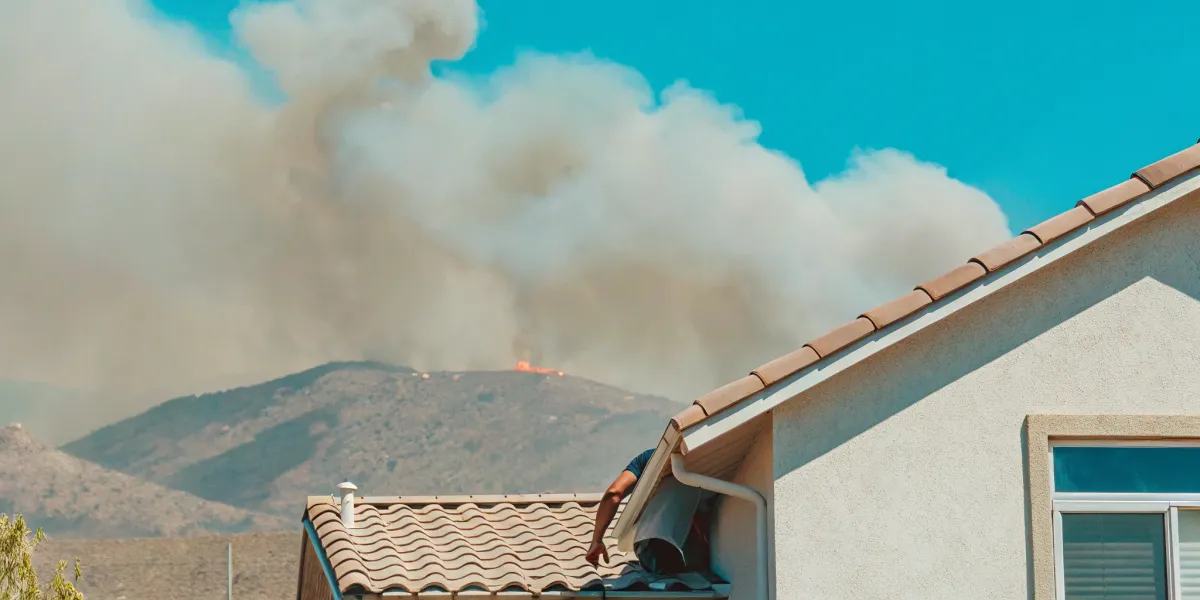
You’ve done the work. You’ve cleared defensible space, cleaned your gutters, and maybe even invested in a fire-resistant roof. So why is finding affordable insurance still such a struggle? It’s because insurers see risk through a very specific lens, and it’s not always clear what actions they value most. This guide will pull back the curtain on how insurance companies assess your property. We’ll show you which home hardening and mitigation efforts make the biggest impact on your insurability, helping you turn your hard work into tangible results. We’ll provide a clear roadmap for securing the wildfire insurance coverage for homeowners you deserve.
Pay Less for Home Insurance
and Avoid Non-Renewal?
Our partner, Five Bays Insurance Agency, offers a free policy checkup that spots hidden discounts to make sure you’re not paying more than you should.
Key Takeaways
- Know Your Policy's Limits: Standard home insurance covers wildfire damage, but it's not a blank check. Be aware of common gaps like limited coverage for landscaping, home-based businesses, and certain cleanup costs that can leave you with significant out-of-pocket expenses.
- Take Action to Lower Your Risk: You have the power to make your home more insurable. Proactively creating defensible space and hardening your home with fire-resistant materials are the most effective ways to reduce your property's risk and demonstrate to insurers that you are a responsible partner.
- Piece Together Your Coverage: If you can't find a traditional policy, the solution is often a two-part strategy. Combine the California FAIR Plan for basic fire damage with a separate "Difference in Conditions" (DIC) policy to cover essential gaps like personal liability and theft.
What Is Wildfire Insurance?
Let’s clear up a common point of confusion: wildfire insurance isn’t a separate, standalone policy you need to buy. Instead, coverage for wildfire damage is almost always included as a standard peril in your homeowners insurance policy. If your home, belongings, or other structures on your property are damaged or destroyed in a wildfire, your home insurance is what protects you financially.
The real challenge isn't finding a special "wildfire policy," but securing a standard homeowners policy in the first place if you live in a high-risk area. As insurers become more cautious about wildfire risk, they are non-renewing policies and tightening their requirements, leaving many homeowners scrambling for this essential protection. Understanding what your policy covers—and what it doesn't—is the first step toward making sure you're adequately protected.
Is It Different From Standard Home Insurance?
No, wildfire coverage is a core component of a standard homeowners insurance policy. Your policy is designed to protect you from various disasters, and fire—including wildfire—is one of them. This typically includes coverage for damage to your house itself, other structures like a detached garage or shed, and your personal belongings inside. It also provides for "additional living expenses" (ALE), which covers costs like hotel stays and meals if a wildfire forces you to evacuate your home. However, living in a wildfire-prone region means your policy might have unique features, such as a higher premium or a separate, higher deductible specifically for wildfire damage.
Clearing Up Common Wildfire Coverage Myths
Feeling powerless after a non-renewal notice is common, but you have more options than you might think. If your insurer drops your policy due to wildfire risk, you have the right to find alternative coverage. Many homeowners turn to options like the California FAIR Plan, which acts as a last-resort insurer. While there are concerns about the FAIR Plan taking on so much risk, it is designed with financial backstops to ensure it can pay out claims. It is not on the verge of collapse. Understanding these realities helps you move forward with a clear plan instead of fear.
What Does Wildfire Insurance Actually Cover?
When you’re worried about wildfire risk, it’s easy to get lost in the details of insurance policies. The good news is that most standard homeowners insurance policies do cover damage from wildfires. Think of it less as a separate "wildfire insurance" and more as a peril covered under your existing home insurance. Understanding exactly what your policy protects is the first step toward feeling secure.
Coverage is generally broken down into a few key areas, each designed to help you recover and rebuild after a disaster. These include protecting the physical structure of your home, replacing your personal items, covering temporary living costs, and handling the cleanup. Let’s look at what each of these categories means for you.
Protecting Your House and Other Structures
The core of your homeowners policy is dwelling coverage. This is what helps pay to repair or completely rebuild your house if it’s damaged or destroyed in a wildfire. It’s not just the main house, either. This coverage typically extends to other structures on your property that aren’t attached to your home. This can include a detached garage, a workshop, a shed, or even fences and gazebos. When reviewing your policy, pay close attention to your dwelling coverage limit to ensure it’s high enough to cover the full cost of rebuilding in your area, which can be much higher after a widespread disaster.
Covering Your Personal Belongings
A home is more than just walls and a roof; it’s filled with your personal belongings. Your insurance policy includes personal property coverage to help you replace these items after a fire. This includes everything from furniture and clothing to electronics and kitchenware. Most policies cover your belongings on an "actual cash value" (depreciated) or "replacement cost" basis. Creating a detailed home inventory is one of the most important steps you can take before a fire. It provides a clear record for your insurer and makes the claims process much smoother during a stressful time.
Paying for a Place to Stay
If a wildfire forces you out of your home or makes it unlivable, you’ll need a temporary place to stay. This is where Additional Living Expenses (ALE) coverage comes in. Part of most standard homeowners policies, ALE helps pay for the extra costs you incur while displaced, such as hotel bills, rent for a temporary apartment, and even restaurant meals if you don’t have access to a kitchen. This coverage is a critical lifeline that allows you to maintain a normal standard of living while your home is being repaired or rebuilt. Keep all your receipts, as you’ll need them to get reimbursed.
Handling Debris Removal and Cleanup
After a fire, the cleanup process can be extensive and expensive. Your property may be covered in ash, soot, and the debris of damaged structures. Fortunately, most homeowners insurance policies include coverage for debris removal. This helps pay for the professional cleanup required to clear your land so that rebuilding can begin. This coverage is often a percentage of your total dwelling coverage limit. It’s an essential part of the recovery process that ensures you have a clean, safe site to rebuild your home and your life.
What Isn't Covered by Wildfire Insurance?
Knowing what your home insurance policy covers after a wildfire is crucial, but understanding what it doesn’t cover is just as important. A standard policy provides a strong foundation of protection, but there are common gaps and exclusions that can leave you with unexpected costs. Being aware of these limitations ahead of time allows you to find the right supplemental coverage or plan accordingly, ensuring there are no surprises when you need to rebuild.
Damage From Firefighting Efforts
This is a common point of confusion for homeowners. Generally, if firefighters need to break down your door or punch a hole in your roof to extinguish a fire, that damage is considered part of the fire loss and is covered by your policy. However, actions taken to prevent the spread of fire across your property, such as bulldozing a firebreak through your yard, are typically not covered. Your policy is designed to protect your structures and personal property, not the land itself. Always review your policy’s specific language on damage caused by civil authorities to understand the exact terms.
Your Landscaping and Yard
While you may have invested thousands of dollars in your yard, your home insurance policy likely offers very little protection for it. Most standard policies either completely exclude landscaping or place a very low cap on coverage—often around 5% of your dwelling coverage, with a per-item limit of just a few hundred dollars for any single tree or plant. This amount is rarely enough to replace mature trees, custom hardscaping, or extensive gardens lost in a fire. If your outdoor space is a major feature of your property, you may want to look for a policy endorsement that offers higher limits for landscaping coverage.
Your Home Business
If you run a business from your home, your standard homeowner's policy won't protect it. These policies are designed for personal liability and property, not commercial operations. Any business equipment, inventory, or client data stored in your home is likely excluded from coverage or has a minimal limit of around $2,500. If a wildfire destroys your home office, you could lose everything your business needs to operate. To properly protect your livelihood, you’ll need a separate business owner's policy or a specific home business endorsement added to your existing homeowner's insurance.
Why Is It So Hard to Get Wildfire Insurance?
If you’ve received a non-renewal notice or struggled to find an affordable policy, you’re not imagining things. Securing homeowner's insurance in wildfire-prone areas has become incredibly challenging. The core of the problem is that the risk landscape has fundamentally changed. Wildfires are more frequent and destructive than ever before, and the insurance industry is scrambling to adapt to this new reality. This has created a difficult market where insurers are cautious, and homeowners are left feeling vulnerable and confused. Understanding the forces behind this shift is the first step toward finding a solution.
Why Insurers Are Pulling Back
For insurance companies, the decision to stop offering coverage in certain areas comes down to financial risk. Over the last decade, catastrophic wildfires have resulted in staggering losses for insurers, far exceeding the premiums they collected. Faced with this reality, many have chosen to reduce their exposure by not renewing policies or halting new ones in areas they deem too risky. This isn't a personal decision against you; it's a business strategy to remain solvent. As a result, countless homeowners who have paid their premiums for years are suddenly left searching for a new insurance carrier.
Understanding California's Insurance Crisis
California is at the center of this crisis, and regulators are trying to stabilize the market. Recently, the state began allowing insurers to use forward-looking catastrophe models to set their rates, rather than relying only on historical data. In exchange for this more accurate risk pricing, insurers must agree to cover at least 85% of homes in the high-risk areas where they operate. While this Sustainable Insurance Strategy is designed to make coverage more available, the market is still in a period of adjustment, and homeowners continue to face significant hurdles.
The Problem of the "Insurance Gap"
This market turmoil has created a dangerous "insurance gap." This is the situation where homeowners are dropped by their traditional insurer but haven't secured alternative coverage, often due to high costs or limited options like the state's FAIR Plan. Falling into this gap means you might be underinsured or, worse, completely uninsured. Without coverage, you bear the full financial burden of rebuilding after a fire, which can be devastating for a family and the wider community. Taking proactive steps to reduce your property's risk is the most powerful way to make your home more insurable and bridge this gap. You can start by creating a personalized Wildfire Action Plan.
How Insurers See Your Wildfire Risk
Trying to understand why an insurer non-renews your policy can feel like trying to solve a puzzle with missing pieces. It often seems arbitrary and unfair, leaving you frustrated and searching for answers. From an insurer's perspective, however, it’s all about calculating risk. They use complex catastrophe models and risk scores to predict the likelihood that your home will be part of a future claim. While you can't change every factor they look at, understanding their criteria is the first step toward taking back control.
When you know what they value—and what they penalize—you can focus your efforts on changes that not only make your home safer but also make it more attractive to insurers. This isn't just about checking boxes; it's about showing them you are actively managing your property's wildfire risk. In a market where insurers are increasingly cautious, demonstrating proactive risk reduction can make all the difference. Below, we’ll break down the three main areas insurers scrutinize when assessing your home.
Your Home's Location and Fire Zone
Your home’s physical location is the first thing an insurer considers. You can’t move your house, but knowing how an insurer sees its location helps you understand your baseline risk. They look at your property’s proximity to wildlands and its history of fire activity. They also rely heavily on official maps, like California’s Fire Hazard Severity Zones, to assign a risk score. Beyond the landscape, they assess practical details like how close you are to the nearest fire station and fire hydrants. A home in a designated high-risk zone that is also far from emergency services will face the most scrutiny.
Your Home's Construction and Defensible Space
This is where you have the most power to change an insurer’s perception of your home. They are increasingly looking for homeowners who take proactive steps to reduce risk. This involves two key concepts: home hardening and defensible space. Home hardening means using fire-resistant building materials, like Class A roofing and ember-proof vents. Defensible space is the buffer you create between your home and the surrounding vegetation. Insurers are starting to reward homeowners who make these improvements, as it shows a clear commitment to reducing potential losses. Making even a few key upgrades can significantly lower your home's vulnerability and improve its insurability.
Your Access to Fire Departments and Water
Even if your home is well-protected, insurers need to know that firefighters can reach it in an emergency. They will evaluate the accessibility of your property. Can a large fire truck easily navigate your road? Is your driveway clearly marked and wide enough for emergency vehicles? They also consider your proximity to a reliable water source. Living in a rural area far from a fire station or without a nearby fire hydrant can increase your perceived risk. This is because it could take firefighters longer to arrive and they may have a harder time getting enough water to fight a fire, making your personal risk reduction efforts even more critical.
How to Lower Your Risk (and Your Premiums)
When insurers see your property as a high risk, they respond by raising premiums or refusing coverage altogether. The good news is that you have the power to change that perception. By taking concrete steps to reduce your home’s vulnerability to wildfire, you not only make your family safer but also make your property a more attractive risk for insurers. These actions demonstrate that you are a proactive partner in managing wildfire risk, which can be a critical factor in securing and maintaining affordable coverage. A detailed Wildfire Action Plan can help you prioritize these efforts and document them for your insurance provider.
Create Defensible Space
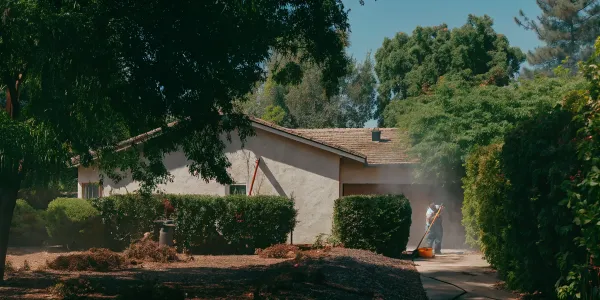
Defensible space is the buffer you create between your home and the surrounding grass, trees, and wildland. This space is essential for slowing or stopping the spread of wildfire and protecting your home from direct flame contact and radiant heat. It’s one of the most effective actions you can take. In fact, making just a few improvements to your property can greatly reduce the risk of losing your home to a wildfire.
Start by focusing on the area immediately surrounding your home, often called Zone 0 or the Ember-Resistant Zone. This is the 0-5 foot area directly adjacent to your foundation. Remove all flammable materials here, including dead plants, mulch, and outdoor furniture. In the next zone, extending out to 30 feet, keep vegetation lean, green, and clean. Trim trees, remove dead leaves, and ensure there’s space between shrubs. The goal is to create a landscape that won’t carry a fire directly to your doorstep. For detailed guidelines, you can review CAL FIRE's defensible space requirements.
Harden Your Home With Key Upgrades
Home hardening involves using building materials and installation techniques that increase your home’s resistance to heat, flames, and embers. Embers are the primary threat, as these small, burning pieces of debris can travel miles ahead of a fire and ignite vulnerable spots on a house. Your goal is to eliminate places where embers can land and start a fire.
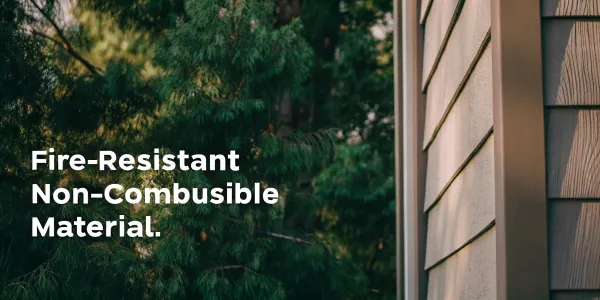
Key upgrades include installing a Class A fire-rated roof, which is the most fire-resistant. You should also cover all attic and foundation vents with 1/8-inch metal mesh to block embers from entering. It’s critical to regularly keep gutters clean of leaves and other debris that could easily ignite. Other important steps include installing dual-pane, tempered glass windows and ensuring your siding is made from non-combustible materials like fiber cement or stucco. These upgrades are an investment in your home’s survival and a clear signal to insurers that your property is well-protected.
Choose Fire-Resistant Landscaping and Materials
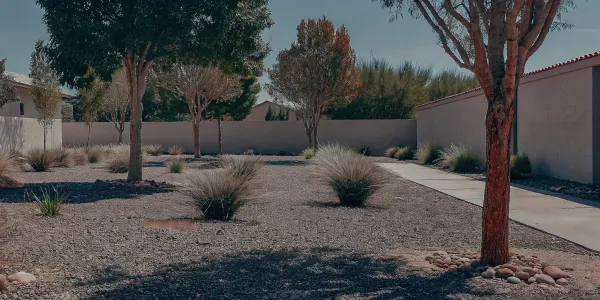
What you plant and place around your home matters just as much as what you clear away. Your landscaping choices can either create a path for fire or help stop it in its tracks. The key is to select materials and plants that are less likely to burn. For the 5-foot zone around your home, replace flammable wood mulch with non-combustible options like gravel, pavers, or stone.
When it comes to plants, choose varieties that don't burn easily, such as those with high moisture content and low sap or resin. Think succulents, lavender, or native California plants like sage and manzanita, when properly maintained. Avoid highly flammable plants like juniper, cypress, and bamboo, especially close to the house. Keep lawns green and mowed low. These landscaping strategies are a visible and effective way to reduce your property’s overall risk profile.
What to Do When You Can't Find Coverage
Receiving a non-renewal notice or being denied coverage can feel overwhelming, especially after you’ve worked hard to protect your home. The good news is that you have options. While the path forward may be different from what you’re used to, securing protection for your property is still possible. It requires understanding the available alternatives and taking strategic steps to piece together the coverage you need.
This situation highlights why proactive risk reduction is so critical. Taking measurable steps to lower your home's wildfire risk not only makes your property safer but can also make you a more attractive candidate for insurers. Creating a detailed Wildfire Action Plan is the first step toward taking back control. By documenting your home hardening and defensible space efforts, you build a strong case for why your home is a manageable risk.
The California FAIR Plan: What It Is and Isn't
If you've been turned away by traditional insurers, your next stop will likely be the California FAIR Plan. Think of it as the state's insurer of last resort, created to ensure that homeowners have access to basic fire coverage. The number of Californians relying on the FAIR Plan has grown dramatically, so you are certainly not alone in needing it.
However, it's crucial to understand its limitations. The FAIR Plan is not a comprehensive homeowners policy. It primarily covers property damage from fire, lightning, and internal explosions. It does not cover common risks like theft, water damage, or personal liability. It’s a foundational policy, not a complete solution.
Exploring Surplus and Specialty Insurers
Because the FAIR Plan leaves significant gaps, you'll need to find additional coverage. This is where a "Difference in Conditions" (DIC) policy comes in. Often called a "wrap-around" policy, a DIC is purchased from a separate insurer and covers the risks the FAIR Plan excludes, like liability and theft. This two-policy approach—FAIR Plan for fire, DIC for everything else—is the new normal for many homeowners in high-risk areas.
You may also encounter "surplus lines" or "non-admitted" insurers. These are specialty companies that cover risks standard insurers won't take on. They can be a viable, and sometimes only, option for securing comprehensive coverage for a high-risk property.
The Risks of Going Without Insurance
Going uninsured is a gamble you can’t afford to take. Without coverage, you are personally responsible for the entire cost of rebuilding your home and replacing your belongings after a fire—a financial burden that is impossible for most families to bear. It puts your life savings, your financial future, and your home itself in jeopardy.
Furthermore, if you have a mortgage, your lender requires you to maintain an active insurance policy. A lapse in coverage is a violation of your loan agreement and can lead to your lender force-placing an expensive policy on your property or even starting foreclosure proceedings. The bottom line is that securing some form of coverage, even if it's a combination of policies, is essential for your financial stability and peace of mind.
How to Get Insured in a High-Risk Area
Finding home insurance in a high-risk fire area can feel like an impossible task. With major companies pulling back from states like California, many homeowners are left feeling frustrated and vulnerable. But getting coverage isn't impossible—it just requires a more strategic approach. The key is to proactively manage your risk and know where to look for the right policy.
Smart Strategies for Finding a Policy
Securing a policy in a wildfire-prone area often means facing higher costs or specific deductibles for fire damage. The first step is to shop around with a clear understanding of your property's risk profile. Start by documenting every step you've taken to harden your home and create defensible space. These actions demonstrate to insurers that you are actively reducing your risk.
If your policy is canceled or non-renewed, ask your current insurer exactly why. Sometimes, specific home upgrades could convince them to retain your coverage. Don't wait until the last minute to start your search. Give yourself plenty of time to explore private insurance options before turning to last-resort plans. A well-documented wildfire action plan can be a powerful tool in these conversations, showing you're a prepared and responsible homeowner.
Find an Agent Who Understands Wildfire Risk
Not all insurance agents are created equal, especially when it comes to wildfire risk. You need an independent agent who specializes in high-risk properties. These professionals work with multiple carriers and understand the specific underwriting criteria for your area. They know which companies are still writing policies and what mitigation efforts they value most.
An experienced agent can help you highlight your home's strengths, such as its proximity to a fire department or hydrant. They act as your advocate, navigating the complex market to find the best available coverage. They can also explain the nuances of different policies, helping you compare options from standard carriers, specialty insurers, and the California FAIR Plan.
What to Look for in a Policy
When you do find a potential policy, it’s critical to read the fine print. Don't just look at the premium; understand what you're actually paying for. Your policy should provide enough coverage to make you whole after a total loss. Look for three key components: full replacement cost for your home and other structures, replacement value for your personal belongings, and "loss of use" coverage.
"Loss of use" is especially important, as it pays for temporary housing and living expenses if an evacuation forces you from your home. Also, check for a separate wildfire deductible, which could be a percentage of your home's value rather than a flat dollar amount. Understanding these details ensures you won't face devastating financial surprises after a disaster.
What to Do If You Need to File a Claim
Facing the aftermath of a wildfire is overwhelming, and the last thing you want to worry about is a complicated insurance claim. But being prepared can make a world of difference in your financial recovery. The process is much smoother when you know what to expect and have the right documentation ready. Think of it as part of your overall preparedness strategy—a financial fire drill that protects your future. Taking these steps can help ensure you receive the full compensation you’re entitled to under your policy.
Prepare Your Documents Before a Fire
The best time to prepare for a claim is long before a fire ever threatens your home. The single most important document you can create is a home inventory. Walk through your home and make a detailed list or, even better, a video of everything you own, from furniture and electronics to clothing and kitchenware. This documentation is your proof of loss if you ever need to file a claim. Remember to store a copy of this inventory somewhere safe and accessible outside your home, like a cloud service or a bank safety deposit box. Having this ready will save you immense stress and help you account for your belongings accurately.
The Claims Process: From Adjuster to Settlement
As soon as it’s safe, contact your insurance company to start the claims process. Document everything you can by taking photos and videos of all the damage before you clean up or move anything. Keep a detailed log of every conversation you have with your insurer, including the date, time, and who you spoke with. If you have to move out temporarily, track all your living expenses, as your policy likely covers these costs. A crucial tip: don’t throw away any damaged items until your insurance adjuster has seen them. Be mindful of your policy’s deadlines for filing, which can be as short as 60 days.
How to Handle Common Claim Issues
Unfortunately, the claims process isn't always straightforward. If your claim is denied, don't give up; you have the right to appeal the decision. If your policy is canceled after a fire, contact your insurer immediately to see if making home hardening upgrades could help you regain coverage. If you feel the cancellation was unfair, you can file a complaint with the California Department of Insurance or consult with a property insurance attorney. And if your home is a total loss, know that some policies may give you the option to rebuild on a new property instead of the same spot, offering flexibility during a difficult time.
How to Keep Your Wildfire Coverage
Losing your insurance can feel like the ground is shifting beneath your feet, but you aren't powerless. Staying insured in a high-risk area requires a proactive approach. It’s about consistently demonstrating to insurers that you are actively managing your property’s risk. This means treating your insurance not as a "set it and forget it" utility, but as an ongoing partnership. By regularly reviewing your coverage, maintaining your risk reduction efforts, and knowing where to turn for help, you can significantly improve your chances of keeping your policy and protecting your home.
Review Your Policy and the Market Annually
Your insurance needs can change from one year to the next, and so can the insurance market itself. Set a calendar reminder to conduct an annual home insurance review well before your renewal date. Check your coverage limits to ensure they’re still high enough to cover the cost of rebuilding your home and replacing your belongings at current prices. If you’ve done any major renovations or additions, you must inform your insurance company to update your coverage. This is also the time to shop around. Even if you’re happy with your current provider, getting quotes from other insurers can give you a sense of the market and ensure you have a backup plan.
Keep Up With Your Risk Reduction Efforts
The single most important thing you can do to stay insurable is to actively reduce your home’s wildfire risk. Insurers are increasingly looking for homeowners who take this seriously. Consistent maintenance of your defensible space is non-negotiable. This means clearing dead leaves, dry brush, and wood piles from the area at least 30 feet around your home and thinning vegetation up to 100 feet out. Document your efforts with photos and receipts. When your insurer sends an inspector, or when you’re applying for a new policy, this proof shows you are a responsible homeowner committed to mitigation. It’s an ongoing job, but it’s your best defense—both against fire and against non-renewal.
Where to Find Help and Resources
You don’t have to figure this all out on your own. Several organizations offer excellent tools and guidance. The Firewise USA™ program helps entire communities organize to reduce their collective wildfire risk, which can have a positive impact on insurance availability for everyone in the neighborhood. For a personalized approach, you need a clear, actionable strategy for your specific property. A comprehensive tool like the Wildfire Action Plan delivers expert-built readiness plans that include evacuation routes, preparedness checklists, and crucial insurance insights. Creating your plan helps you stay safe and demonstrates to insurers that you have a documented strategy for protecting your home.
Related Articles
- How to Get CA Home Insurance in High Fire Risk Areas
- What Does Wildfire Insurance Cover? A Simple Guide
Pay Less for Home Insurance
and Avoid Non-Renewal?
Our partner, Five Bays Insurance Agency, offers a free policy checkup that spots hidden discounts to make sure you’re not paying more than you should.
Frequently Asked Questions
My insurer just dropped my policy. What's the first thing I should do? First, don't panic. While it’s a frustrating situation, you have a path forward. Your immediate goal is to avoid a lapse in coverage. Start by contacting an independent insurance agent who specializes in high-risk properties. They have access to multiple carriers, including specialty insurers, and can quickly assess your options. While you search for a new comprehensive policy, you should also begin the application process for the California FAIR Plan to ensure you have at least basic fire protection in place.
Is the California FAIR Plan a complete replacement for my old homeowners policy? No, it is not. This is a critical point to understand. The FAIR Plan is designed as a last-resort option that provides foundational coverage for damage from fire and smoke. It does not include protection for other common risks like theft, water damage, or personal liability. To get that essential protection, you will need to purchase a separate "Difference in Conditions" or "wrap-around" policy from a private insurer to cover the gaps left by the FAIR Plan.
Will making all these home improvements actually guarantee I can get or keep my insurance? While there are no absolute guarantees in the current insurance market, taking proactive steps is the most powerful way to improve your chances. Creating defensible space and hardening your home with fire-resistant materials directly addresses the factors insurers use to calculate risk. It shows them that your property is a more manageable risk than others in your area. These actions can make the difference between getting a policy and being denied, and they are your best strategy for staying insurable long-term.
What's the single most important thing insurers look for when deciding to cover a home? Insurers are increasingly focused on a homeowner's proactive efforts to reduce risk. More than anything, they want to see evidence of a well-maintained defensible space, especially within the first 30 feet of your home. This includes clearing away flammable vegetation and debris. They also look for key home hardening features, like a Class A fire-rated roof and ember-resistant vents. These physical upgrades demonstrate a clear commitment to protecting the property, which can make your home much more attractive to an underwriter.
How can I prove to an insurance company that I’ve made my home safer? Documentation is your best tool. Keep detailed records of all the risk-reduction work you’ve done, including receipts for materials and invoices from contractors. Take before-and-after photos of your defensible space and any home hardening upgrades you’ve installed. Compiling this information into an organized file or a formal Wildfire Action Plan gives you concrete proof to share with an insurance agent or inspector. This shows you are a serious and responsible homeowner, which can be a deciding factor in their evaluation.