
Your Essential Wildfire Go Bag Checklist for Family
Get a practical wildfire go bag checklist for family safety. Learn what to pack, how to store your kit, and tips to keep your loved ones ready to evacuate.
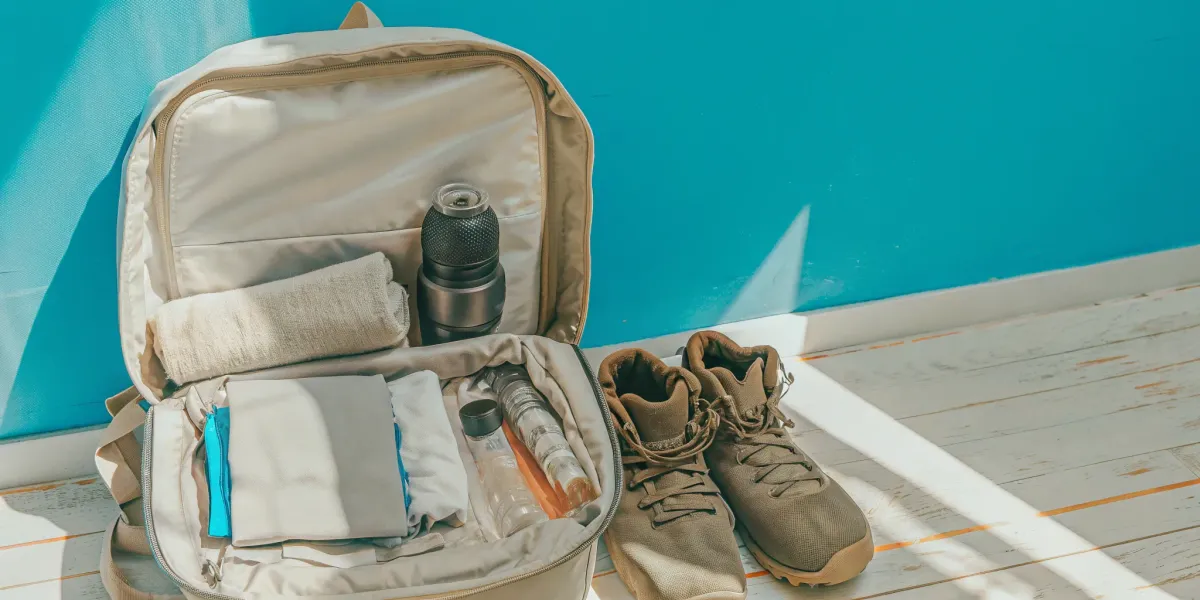
Your home is filled with things, but only a handful are truly irreplaceable. When you have mere minutes to evacuate, how do you ensure you grab what’s essential for your family’s safety and future recovery? You need a system. The “6 P’s” of evacuation is that system—a simple, effective checklist designed to guide you through the crucial first moments of an emergency. It helps you focus on securing your loved ones, vital documents, and necessary supplies without hesitation. By thinking through these categories ahead of time, you can turn panic into purposeful action. Let’s explore this method and build out your wildfire go bag checklist for family to ensure you’re ready for anything.
Key Takeaways
- Prioritize with the 6 P's to beat evacuation panic: In a crisis, rely on this simple framework—People, Papers, Prescriptions, Pictures, Personal Computer, and Plastic—to ensure you grab your most critical, irreplaceable items without hesitation.
- Assemble a Go Bag for 72-hour self-sufficiency: Your kit must contain practical survival supplies for your entire family, including pets. Focus on essentials like water, food, medications, a first-aid kit, and N95 masks to stay safe after leaving home.
- Make preparedness an ongoing habit, not a one-time task: A Go Bag is only effective if it's ready when you are. Store it in an accessible spot, refresh supplies every six months, and regularly practice your family's evacuation plan so your response is automatic.
What Are the "6 P's" of Evacuation?
When an evacuation order is issued, you might only have minutes to leave your home. In that high-stress moment, trying to remember every essential item is nearly impossible. That’s why emergency responders and preparedness experts developed a simple memory aid to help you focus on what truly matters: the “6 P’s” of evacuation.
This framework is designed to cut through the chaos, giving you a clear, prioritized list of what to grab before you go. It covers the critical items you’ll need for your immediate safety and for the process of recovery after the danger has passed. Thinking through these categories ahead of time and preparing them in a designated spot can make all the difference when every second counts. It’s a straightforward strategy to ensure you don’t leave behind something irreplaceable or essential for your family’s well-being.
The 6 P's: People, Papers, Prescriptions, Pictures, Personal Computer, and Plastic
The 6 P’s provide a simple but comprehensive emergency evacuation checklist to guide your packing. By organizing your priorities into these categories, you can act quickly and confidently.
- People and Pets: Your first priority is always the safety of your family and animals. Account for everyone and have a plan for getting them out safely.
- Papers: Gather critical documents like driver’s licenses, birth certificates, social security cards, passports, and insurance policies.
- Prescriptions: Pack all necessary medications, eyeglasses, hearing aids, and copies of your prescriptions.
- Pictures: Grab irreplaceable photos, family heirlooms, and other sentimental items that cannot be replaced.
- Personal Computer: Secure your laptops, external hard drives, and any other devices containing important digital files and information.
- Plastic: Don’t forget your credit cards, debit cards, and cash.
Why This Method Simplifies Preparedness
In a crisis, your ability to think clearly is compromised. The sheer panic of an approaching wildfire can make it difficult to recall a detailed list of items. The 6 P’s method simplifies the process by giving your brain an easy-to-remember framework. Instead of trying to mentally scan every room in your house, you can focus on just six key categories.
This approach helps you prioritize on the fly, ensuring you secure the most critical items first. Knowing the six P’s of preparedness allows you to build muscle memory around your evacuation plan. By thinking through and even practicing what you’ll grab for each “P,” you reduce confusion and hesitation, allowing your family to evacuate faster and more safely.
A Quick Look at What to Pack
While the 6 P’s cover your most critical and irreplaceable items, a complete go-bag should also include supplies to keep you safe and comfortable for at least 72 hours. Think of these as the foundational items that support your family once you’ve evacuated.
Your basic wildfire evacuation checklist should include a three-day supply of non-perishable food and at least one gallon of water per person, per day. Also pack a first-aid kit, sanitation supplies like wet wipes, N95 masks to protect from smoke, flashlights with extra batteries, and a map of your evacuation route. Having car keys, cash, and portable chargers ready to go will also make the process much smoother.
Your Family's Wildfire Go Bag Checklist
When an evacuation order comes, time is critical. Having a well-stocked Go Bag ready for your family and pets means you can leave quickly and safely, without the panic of trying to gather essentials at the last minute. Think of this as your 72-hour survival kit. This checklist breaks down exactly what you need, so you can feel confident that your family is prepared for anything.
People & Pets
Your first priority is the safety and well-being of every member of your household, including the furry ones. Pack a sturdy, easy-to-carry bag for each person with items to keep them comfortable and safe for several days. This should include a change of clothes with layers for fluctuating temperatures, sturdy closed-toe shoes, and a flashlight. Don’t forget to pack N95 masks to protect everyone’s lungs from smoke. For your pets, prepare a kit with food, water, a leash, and a carrier. If you have children, include comfort items like a favorite book or small toy to help reduce stress. Finally, a well-stocked first-aid kit is essential for handling minor injuries on the go.
Papers & Personal Computer
In the aftermath of a wildfire, proving your identity and ownership of your property is crucial for recovery. Gather your family’s critical records—like birth certificates, passports, social security cards, and property deeds—and place physical copies in a waterproof bag. You should also include copies of insurance policies and recent financial statements. To be extra safe, create digital backups of these documents and irreplaceable family photos, and save them on a password-protected USB drive. Since power may be out, a portable power bank is a must-have for keeping your phone charged. It’s also wise to have a written list of emergency contacts, just in case your phone battery dies.
Prescriptions & Personal Items
Personal health and hygiene are vital during a stressful evacuation. Pack at least a week’s supply of any necessary medications for your family members and pets. It’s also a good idea to include copies of your prescriptions, which will make getting refills much easier if you are displaced for an extended period. Remember to pack any medical devices you rely on, such as glasses, contact lenses, or hearing aids with extra batteries. Basic hygiene supplies like a toothbrush, soap, and deodorant can provide a sense of normalcy. Finally, build a kit that accounts for the unique needs of your family, whether that means diapers and formula for an infant or specific supplies for an elderly relative.
Keep Your Go Bag Ready
Packing a go bag is a critical first step, but your work isn’t done once it’s zipped up. A well-stocked kit is only effective if you can grab it in a moment’s notice and trust that its contents are ready for use. When an evacuation order comes, you won’t have time to search for your bag or wonder if the batteries in your flashlight still work. Maintaining your go bag and practicing your evacuation plan are just as important as assembling it. Think of it as a living part of your home safety system—one that requires regular attention to ensure it functions when you need it most.
Store Your Bag for a Quick Getaway
Where you keep your go bag can make all the difference. Store it in a consistent, accessible spot that’s easy to reach on your way out the door, like a hall closet near the garage or front entry. Avoid stashing it in a cluttered attic or basement where it might get buried. The bag itself should be durable and easy to carry, like a backpack, which keeps your hands free to carry pets, help family members, or open doors. Many families find it helpful to prepare multiple kits: a primary one at home and smaller versions in each car with essentials like water, snacks, a first-aid kit, and walking shoes.
Refresh Your Kit Twice a Year
Your go bag is not a time capsule. Its contents need regular updates to be useful. A good habit is to review your kit every six months—when you change your clocks for daylight saving time is an easy reminder. During your check-in, swap out food, water, or medications nearing their expiration date. Check batteries in flashlights and radios, replacing them as needed. This is also the perfect time to update documents, add new insurance paperwork, and swap out seasonal clothing. Your family’s needs change, so your emergency kit should, too.
Practice Your Family Evacuation Plan
A go bag is only one component of a successful evacuation. The bag, your family, and your plan must work together seamlessly. Don’t wait for an emergency to test your strategy. Practice your evacuation plan with your entire household at least twice a year. Review your communication plan, confirm evacuation routes, and check your designated meeting spots. Then, run a drill: have everyone grab their bags, secure pets, and get in the car. Assigning roles ahead of time prevents confusion and saves precious time. A complete strategy, like the one you can build with a Wildfire Action Plan, makes these drills even more effective.
Related Articles
- How to Pack for a Wildfire Evacuation: A 5-Minute Guide
- What to Put in a Wildfire Go Bag: The Ultimate Guide
- The 5 P's of Evacuation Packing Explained
- How to Build an Emergency Kit for Wildfire
Frequently Asked Questions
What’s the difference between the “6 P’s” and a “go-bag”? Think of the 6 P’s as your last-minute mental checklist for the irreplaceable things you can’t pack ahead of time, like your laptop, photos, and the people themselves. Your go-bag is the 72-hour survival kit you prepare in advance with essentials like water, food, clothes, and a first-aid kit. You grab your go-bag and then run through the 6 P’s to make sure nothing critical is left behind.
How can I prepare my children for an evacuation without scaring them? Involve them in the process in an age-appropriate way. Frame it as a family safety drill, similar to what they do at school. Let them help pack their own small bag with a favorite toy, a book, and some snacks. When you practice your evacuation plan, focus on teamwork and staying together. A calm, prepared parent helps a child feel secure, even in a stressful situation.
What’s the best way to back up important documents and photos digitally? The safest strategy is to have multiple copies. Scan or take clear photos of your documents and irreplaceable pictures. Save these files to a secure, password-protected cloud service like Google Drive or Dropbox. For an extra layer of security, also save them to a password-protected USB drive that you keep in your go-bag or a safe deposit box.
What about large, irreplaceable items that won’t fit in a bag? It’s a tough reality that you can’t take everything with you. For large items like family furniture, artwork, or heirlooms, the best preparation is documentation. Take detailed photos and videos of these items from all angles. If you have receipts or appraisals, scan those as well. Store these digital records with your other backed-up documents to make any potential insurance claims process much smoother.
Is it better to have one big bag for the whole family or individual bags? A combination of both works best. Have a primary, larger bag that contains shared supplies like the first-aid kit, water, non-perishable food, and sanitation items. Then, each family member should have their own smaller backpack with personal items like a change of clothes, medications, sturdy shoes, and a comfort item for kids. This approach keeps everything organized and makes it easier for everyone to grab their gear and go.