The Essential Wildfire Emergency Supply Kit Checklist
Get a complete wildfire emergency supply kit checklist with practical tips for packing, updating, and storing your go-bag to keep your family safe.
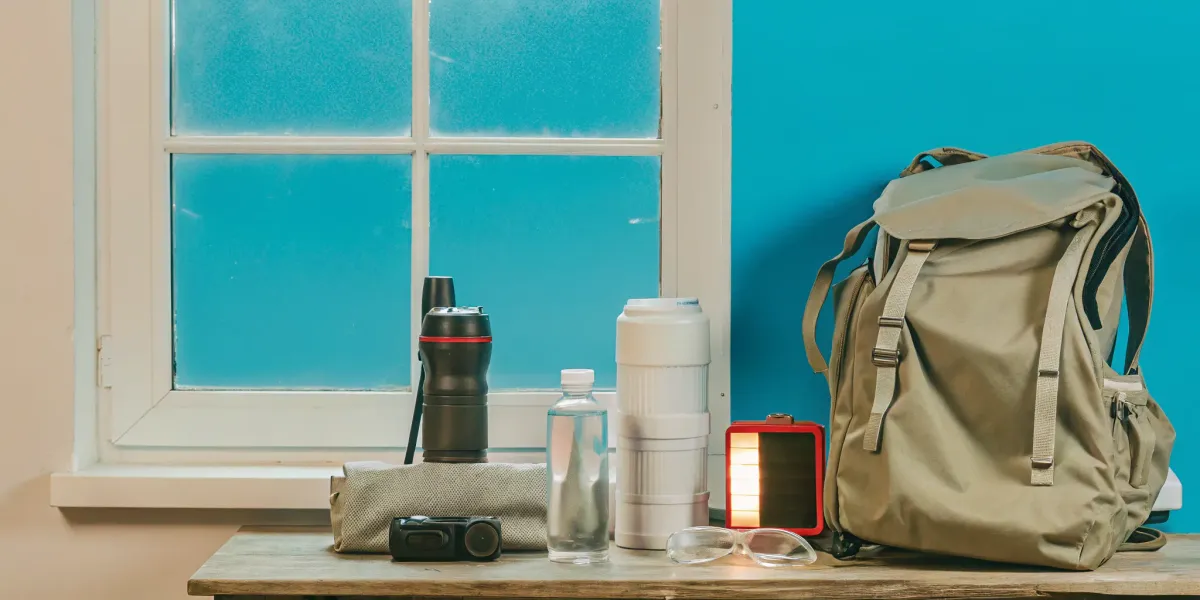
In the chaos of an evacuation, your focus will be on getting your family to safety. But what happens after the immediate danger has passed? Rebuilding your life starts with paperwork. Having your critical documents organized and ready to go can make a world of difference in the days and weeks that follow a wildfire. These papers are the key to filing insurance claims, proving your identity, and accessing financial aid. Think of your Go-Bag as your administrative first-aid kit. A comprehensive wildfire emergency supply kit checklist ensures you pack not just survival gear, but also the documents that will help you navigate the bureaucracy and get back on your feet as quickly as possible.
Pay Less for Home Insurance
and Avoid Non-Renewal?
Our partner, Five Bays Insurance Agency, offers a free policy checkup that spots hidden discounts to make sure you’re not paying more than you should.
Key Takeaways
- Assemble Your Essentials Before an Evacuation Order Hits: The time to pack is now, not when you're under pressure. Build the foundation of your Go-Bag with at least a three-day supply of water and food, a seven-day supply of medications, and copies of your critical documents.
- A Generic Kit Isn't Enough—Personalize and Maintain It: True preparedness accounts for everyone in your home. Pack specific items for children, pets, and those with medical needs, and schedule a simple check-in twice a year to replace expired supplies and update for life changes.
- Make Your Kits Grab-and-Go Ready: A well-packed bag is useless if it's buried in a closet. Store your primary kit near an exit, keep a separate one in your car, and make sure every family member knows exactly where to find them for a fast, no-hesitation getaway.
Why You Need a Wildfire Emergency Kit
When a wildfire threatens your community, the window to act can be incredibly small. The smoke, the sirens, and the emergency alerts create a high-stress environment where clear thinking is difficult. Trying to decide what to pack in those moments is a recipe for panic and forgetting critical items. This is why having a pre-packed emergency supply kit, often called a "Go-Bag," is one of the most important steps you can take to protect your family.
As CAL FIRE advises, it's essential to get your emergency supply kit ready before a disaster happens. It’s not just about having supplies; it’s about reclaiming a sense of control when everything feels chaotic. A well-stocked Go-Bag is your lifeline, ensuring you have the essentials to keep your family safe and comfortable if you need to leave your home behind. It transforms a frantic scramble into a simple, decisive action: grab the bag and go. This single act of preparation can make all the difference in an emergency, allowing you to focus on what truly matters—getting to safety.
What Wildfire Evacuations Are Really Like
An evacuation order isn't a suggestion; it's an urgent command to move out of harm's way, and you may not have much time. Roads can become gridlocked with traffic, smoke can reduce visibility, and communication networks might be overloaded. In this confusion, every minute counts. Having a plan in place is the only way to get your family out of danger quickly and efficiently. You won’t have time to search for birth certificates, hunt down prescriptions, or argue over what to bring. The reality is that you need to be ready to leave at a moment's notice, with everything you need already packed and waiting by the door.
How a Go-Bag Protects Your Family
Your Go-Bag is more than just a collection of items; it’s a tool for self-sufficiency during a crisis. When you evacuate, you might be in your car for hours or end up at a shelter with limited resources. Your kit ensures you have immediate access to drinking water, non-perishable food, necessary medications, and first-aid supplies. It should be an easy-to-carry kit that you can grab without a second thought. Having these essentials on hand reduces stress and allows you to care for your loved ones, especially children and pets, without relying on overwhelmed emergency responders for basic needs. It’s your personal safety net in an uncertain situation.
Your Wildfire Go-Bag Checklist: The Essentials
When an evacuation order comes, you won’t have time to think. Your focus needs to be on getting your family out safely. That’s why having a well-stocked “go-bag” is one of the most critical steps you can take. This isn’t just a box of supplies; it’s your lifeline during the first 72 hours of an emergency. Think of it as a pre-packed kit with everything you need to survive and start the recovery process if you can't return home immediately.
Building your kit doesn't have to be overwhelming. Start with the absolute basics that every person and family needs. These core items cover hydration, nutrition, health, communication, and personal security. Once you have this foundation, you can customize it with items specific to your family’s needs, which we’ll cover later. For now, let’s focus on the non-negotiables. Having these essentials ready to go gives you peace of mind and control in a chaotic situation. You can start your own personalized checklist with a Wildfire Action Plan to make sure nothing gets missed.
Water and Food
During an evacuation, you may be stuck in traffic for hours or find that stores are closed or sold out. Emergency shelters may also take time to get supplies. That’s why you need to be self-sufficient. The standard recommendation is to pack at least a three-day supply of water and non-perishable food for each member of your family. For water, this means one gallon per person, per day. For food, think of items that are high in protein and calories and require no cooking or refrigeration, like protein bars, dried fruit, and canned goods. Don’t forget to include a manual can opener.
First Aid and Medications
Minor injuries can happen during a stressful evacuation, and access to medical care might be limited. A well-stocked first aid kit is essential for treating cuts, burns, and other common issues. Just as important are your personal medications. Pack at least a seven-day supply of any prescription drugs you or your family members rely on. It’s also wise to include over-the-counter pain relievers, allergy medicine, and any other items you use regularly, like glasses or contact lens solution. Keep a list of all medications, dosages, and allergies in the kit.
Key Documents and Cash
If your home is damaged or destroyed, proving your identity and ownership of your property will be critical for recovery and insurance claims. Power outages and downed cell service can make accessing digital files impossible, so physical copies are a must. Pack copies of important documents in a waterproof bag. This includes passports, driver’s licenses, birth certificates, social security cards, insurance policies, and property deeds or leases. You should also include extra cash in small bills, as ATMs and credit card machines may not be working. Don’t forget a spare set of car and house keys.
Communication and Lighting
Wildfires often cause power outages, leaving you in the dark and cut off from communication channels. Your cell phone is a great tool, but you can’t rely on it alone. Your go-bag should include a flashlight or headlamp with extra batteries. Even better, pack a battery-powered or hand-crank radio so you can receive emergency broadcasts and weather alerts from officials. A NOAA Weather Radio is specifically designed for this purpose and can be a crucial source of information when other lines of communication are down. A portable power bank to recharge your phone is also a smart addition.
Pack for Your Family's Specific Needs
A generic checklist is a great starting point, but your family isn't generic. True preparedness means customizing your go-bag for the people (and pets) who depend on it. An evacuation is stressful enough without realizing you forgot your child’s asthma inhaler or your dog’s anxiety medication. Thinking through these specific needs now will make a chaotic situation much more manageable. A personalized Wildfire Action Plan can help you track these details so nothing gets missed. Take a few extra minutes to pack items that provide not just physical safety but also emotional comfort for everyone in your household.
For Infants and Children
Evacuating with little ones requires special planning. Their needs are immediate and non-negotiable. Pack enough formula, bottles, baby food, and diapers to last for several days. Don't forget wipes and any necessary creams. Beyond the basics, think about comfort. A favorite stuffed animal, a familiar blanket, or a few small books can provide a sense of normalcy and security when their world feels turned upside down. A calm child also helps you stay focused on the task at hand: getting everyone to safety. You can find more ideas for a family-focused emergency kit to ensure you're fully prepared.
For Pets
Your pets are family, and they rely on you completely during an emergency. Your pet's go-bag should be right next to yours. Pack at least a three-day supply of their food and water, along with collapsible bowls. Include a sturdy leash, harness, and a pet carrier labeled with your contact information. Make sure their ID tags are up-to-date and consider microchipping as a permanent backup. If your pet takes medication, pack extra. A photo of you with your pet can also help with reunification if you get separated. Planning for their safety is a critical part of your family's overall disaster preparedness.
For Medical Needs and Prescriptions
For anyone in your family with medical conditions, this part of your kit is life-sustaining. Pack at least a seven-day supply of all prescription medications. Keep a waterproof list of all medications, dosages, and the prescribing doctor’s information. If you use medical equipment that requires power, such as a CPAP machine, have a plan for a backup power source. It’s also smart to include copies of your health insurance cards and any other critical medical records. Having these items organized and ready means you won't have to scramble for essential health supplies during an evacuation order.
For Older Adults
Older family members may have unique needs that require careful consideration. Pack their medications and a list of dosages, just as you would for anyone else with medical needs. Also, think about mobility and comfort. Include any necessary items like a spare cane or walker, extra batteries for hearing aids, and non-perishable food that meets their dietary requirements. Having a list of emergency contacts, doctors, and family members readily available is also crucial. The goal is to ensure their safety and well-being during a potentially disorienting event. Ready.gov offers detailed checklists to help you account for everyone's needs.
Protect and Pack These Critical Documents
In the chaos of an evacuation, your focus will be on getting your family to safety. But what happens after the immediate danger has passed? Rebuilding your life starts with paperwork. Having your critical documents organized and ready to go can make a world of difference in the days and weeks that follow a wildfire. These papers are the key to filing insurance claims, proving your identity, accessing financial accounts, and getting the help you need to recover. Think of this part of your go-bag as your administrative first-aid kit—it’s what will help you navigate the bureaucracy and get back on your feet.
Your goal is to have physical copies in your go-bag and digital backups stored securely. This redundancy ensures that even if one set is lost or inaccessible, you have another way to access the information you need. Don’t wait until you see smoke on the horizon; gathering these documents now is one of the most important steps you can take to prepare.
Insurance Policies and Property Records
After a wildfire, your insurance policy is one of the first things you’ll need. Having a copy of the declarations page—which summarizes your coverage—is essential for starting a claim. You should also include contact information for your insurance agent and the company’s claims department. Along with insurance, pack copies of property records like the deed or title to your home, vehicle titles, and any recent appraisals. These documents will be vital for proving ownership and value during the claims process. Having them on hand will help you begin the recovery process without delay, saving you from the stress of trying to track them down later.
IDs and Medical Information
Proving who you are is fundamental to accessing aid and financial resources. Your go-bag should contain copies of essential identification for every member of your family. This includes driver’s licenses, passports, birth certificates, and Social Security cards. Equally important is your medical information. Pack a list of all prescription medications, dosages, and the prescribing doctor’s contact information. Include copies of health insurance cards and any important medical records, especially for family members with chronic conditions. In an emergency, you may not have access to your usual pharmacy or doctor, and this information can be life-saving.
Create Digital Backups
Physical copies are great, but they can be lost or damaged. That’s why creating digital backups is a non-negotiable part of modern preparedness. Use your phone to scan or take clear photos of all your important documents. Store these files in a secure, password-protected cloud service like Google Drive, Dropbox, or a similar platform. You can also save them on an encrypted USB flash drive that you keep in your go-bag or a safe deposit box. This simple step ensures you can access your critical information from anywhere with an internet connection. The federal government’s Ready.gov site offers more guidance on how to build a kit and safeguard your essential records.
Life-Saving Tools and Safety Gear
Beyond food and documents, your go-bag needs tools that can protect you and help you navigate a chaotic situation. When power grids fail and cell service disappears, these low-tech items become lifelines. Think of this part of your kit as your active safety net—the gear that helps you communicate, find your way, and protect yourself from immediate physical hazards during an evacuation. Having the right tools on hand ensures you can stay informed, signal for help, and move safely, even when modern technology is no longer an option.
Protective Gear
When you need to leave in a hurry, especially at night, personal safety is paramount. The smoke and confusion of a wildfire evacuation can create unexpected hazards. Start with the basics: CAL FIRE suggests you keep sturdy shoes and a flashlight near your bed so you can move quickly and safely in the dark. You should also pack N95 masks for everyone in your household to protect their lungs from smoke. Think about the specific needs of your family, too. This includes packing extra medical supplies like hearing aids with spare batteries, glasses, or contact lenses, ensuring everyone can function effectively during a stressful time.
Communication Tools
During a wildfire, you can’t count on your cell phone. Power outages and overloaded networks often render them useless. That’s why your kit needs reliable, off-grid communication tools. A battery-powered or hand-crank radio is essential for receiving official updates and emergency broadcasts. Look for one that includes a NOAA Weather Radio band for the most reliable alerts. It’s also smart to pack a whistle for each family member. It’s a simple but effective tool that can be used to signal for help if you get separated or trapped, cutting through noise far better than a human voice.
Navigation and Signaling
Your usual GPS app may not work during an emergency, leaving you without directions when you need them most. Your go-bag must include physical local maps with your evacuation routes clearly marked. Before an emergency strikes, sit down with your family and identify at least two different ways to leave your neighborhood and town. Highlighting these on your map ensures you have options if one route is blocked by fire or traffic. This simple preparation can make a critical difference when seconds count and you need a clear, reliable path to safety.
Avoid These Common Go-Bag Mistakes
A well-packed Go-Bag can be the difference between a chaotic evacuation and a controlled one. But even the most well-intentioned efforts can fall short. Building the right kit means avoiding a few common, but critical, mistakes that can leave you unprepared when it matters most. It’s easy to get overwhelmed by checklists, but focusing on what not to do can be just as helpful. Let's walk through the most frequent missteps so you can pack with confidence, knowing your family is truly ready.
Ignoring Evacuation Realities
The most common mistake is also the most dangerous: procrastination. It’s easy to think you’ll have time to throw things together when an evacuation warning comes. But the reality is that when you’re under that kind of pressure, you won’t be thinking clearly. Your only focus will be on getting your family out the door safely. That’s why fire officials are so clear that your emergency supply kit must be packed and ready to grab at a moment’s notice. Treating it as a "someday" task is a gamble with your family’s safety. An evacuation is chaotic and fast-moving; your preparation needs to happen in the calm before the storm.
Underpacking Water and Medications
It’s easy to underestimate the basics when you’re packing. Two of the most critical items people underpack are water and medication. When you evacuate, you can’t assume you’ll have access to clean drinking water or an open pharmacy. The standard guideline is to pack one gallon of water per person, per day, with enough for at least three days. For medications, don’t just grab the current bottle—pack at least a seven-day supply of all prescriptions, along with copies of the prescriptions themselves. This includes things like contact lenses, pain relievers, and allergy medicine. Forgetting these essentials can quickly turn an already stressful situation into a health emergency.
Forgetting Pets and Unique Family Needs
Your Go-Bag needs to work for every single member of your household, and that includes the ones with paws or tiny feet. It’s incredibly common for people to forget to pack for their pets until the last minute. A complete pet disaster preparedness plan means having a separate Go-Bag for them with food, water, a leash, and medications. The same goes for others with unique needs. Do you have an infant who needs formula and diapers? An older parent who relies on specific medical devices? Take a few minutes to think through the daily essentials for everyone in your care. This simple step ensures that no one’s critical needs are overlooked in the chaos of an evacuation.
Keep Your Kit Updated: A Simple Schedule
Building your wildfire go-bag is a huge first step, but it’s not the last one. Your kit isn’t a time capsule; it’s a living resource that needs regular maintenance to be effective when you need it most. Food expires, batteries lose their charge, and your family’s needs change over time. Forgetting to update your supplies can leave you with spoiled food, dead flashlight batteries, or clothes that no longer fit your kids—problems you absolutely don’t want to discover during an evacuation.
The best way to stay on top of this is to set a simple, recurring schedule. A great habit is to check your kits twice a year, perhaps when you change your clocks for daylight saving time. This turns a potentially overwhelming task into a manageable routine that becomes second nature. A quick 30-minute check-in every six months ensures your go-bag is always ready, giving you one less thing to worry about when wildfire season approaches. This small investment of time provides invaluable peace of mind, knowing that your preparation efforts won't go to waste when it matters most. Think of it as insurance for your insurance plan—a small, regular action that guarantees your primary safety net is strong and reliable.
Your Six-Month Check-In
Think of your six-month check-in as a quick tune-up for your emergency plan. During this review, pull everything out of your bags. Check batteries in flashlights and radios, and make sure clothes still fit, especially for growing children. This is also a good time to reassess your family's needs and confirm your supplies still make sense. Is the season changing? You might want to swap a light jacket for a warmer one. Did you use a few bandages from the first-aid kit? Now is the time to restock them. Making this a consistent habit ensures that when an evacuation order comes, you can grab your kit with confidence, knowing everything inside is current and functional.
Track Expiration Dates
Many critical items in your go-bag have a shelf life. Canned goods, energy bars, bottled water, medications, and batteries all expire. Relying on expired supplies can be useless or even dangerous. Get into the habit of checking every label. A simple trick is to use a permanent marker to write the earliest expiration date on a piece of masking tape on the outside of your kit. This way, you can see at a glance when it’s time for a refresh. When you replace items, use the “first in, first out” method: move the older supplies to your pantry to be used soon and put the new items in your kit.
Update for Life Changes
Your family isn’t static, and your emergency kit shouldn’t be either. Life events—big and small—require you to update your supplies. If you’ve had a new baby, you’ll need to add formula, diapers, and other infant necessities. Have you recently welcomed a pet into your home? Add a leash, pet food, and a copy of their vaccination records. Has a family member started a new prescription or gotten glasses? Make sure you have an extra supply and a copy of the prescription. As you consider the needs of all family members, you ensure your kit truly serves everyone it’s meant to protect.
Pack and Store Your Kit for a Quick Getaway
Once you’ve gathered your supplies, the final step is to pack them so they’re ready for a fast departure. When an evacuation order comes, you may only have minutes to leave. Having a well-organized, accessible kit removes the panic of trying to find things at the last second. The goal is to create a system that allows you and your family to grab what you need and go without hesitation. This isn't just about checking a box on a preparedness list; it's about giving yourself clarity and control in a chaotic moment when every second counts.
Thinking through where and how you store your kit is just as critical as what you put inside it. A perfectly packed bag is useless if it’s buried in the back of a closet or if no one else knows where to find it. We’ll walk through how to choose the right container, organize your supplies for quick access, and strategically place your kits so they’re always within reach. This preparation is a key part of a successful wildfire action plan and gives you peace of mind knowing you’re ready for anything. A well-placed kit is one of the most tangible steps you can take to protect your family from harm.
Choose the Right Bag
Your "Go Bag" should be easy to grab and carry, especially if you need to leave on foot. A sturdy backpack is often the best choice because it keeps your hands free to carry other items, hold a child’s hand, or manage pets. Look for one with multiple compartments to help with organization and consider a bright color to make it easy to spot. For families or those with extensive medical needs, a duffel bag with wheels can also work well, particularly for your car kit. Whatever you choose, make sure it’s durable enough to handle rough conditions and that it’s not too heavy for one person to lift and carry comfortably.
Organize for Easy Access
During an emergency, stress is high, and you won’t have time to dig through a disorganized bag for a flashlight or first-aid supplies. Keep your supplies in an easy-to-carry kit, and organize the contents logically. Use clear, resealable plastic bags or small packing cubes to group similar items together—one for first aid, one for documents, one for toiletries, and another for tools. Labeling these smaller bags can save precious seconds. It's also important to think about your family's unique needs when packing. As you build a kit, make sure supplies for pets, children, or older adults are packed near the top for easy access.
Store Kits in Key Locations
You should have emergency kits in the key places you spend your time: at home, at work, and in your car. You never know where you’ll be when a disaster strikes. At home, store your go-bag in a designated, easy-to-reach spot like a hall closet near your primary exit or in the garage next to your car. Make sure every member of your household knows where it is. Your car kit can be a separate, more robust collection of supplies stored in your trunk. A smaller kit at your workplace with walking shoes, a water bottle, and a dust mask is also a smart idea. Because you might not have much time to evacuate, having these kits ready to go is a critical part of getting your family out of danger quickly.
Build Your Go-Bag on a Budget
Putting together an emergency kit can feel like a huge, expensive task, but it doesn’t have to be. The most important thing is to start with what you have and build from there. A well-stocked Go-Bag is one of the most critical tools for your family’s safety, giving you peace of mind and the ability to leave at a moment’s notice. You can assemble an effective kit without spending a fortune by focusing on the essentials first and getting creative with sourcing your supplies. Let’s break down how to do it.
Start with the Must-Haves
Before you worry about fancy gadgets, focus on the core items that will keep you safe and comfortable for at least 72 hours. Think of this as your survival foundation. According to CAL FIRE, your Go-Bag should be light enough to grab and carry without a second thought. Their official emergency supply kit checklist is a great starting point.
Your non-negotiable items include:
- Water (one gallon per person, per day) and non-perishable food
- A flashlight, hand-crank radio, and extra batteries
- A complete first-aid kit
- A seven-day supply of any necessary medications
- Copies of critical documents (IDs, insurance policies)
- Cash in small bills
- A multi-purpose tool and personal hygiene items
- An emergency blanket and a map of your area
Find Budget-Friendly Options
You don’t need to buy everything from a specialty survival store. One of the most common mistakes people make is assuming preparedness has to be expensive. Many essential items for your kit can be found at dollar stores or discount retailers. You can easily find affordable flashlights, batteries, first-aid supplies, toiletries, and shelf-stable snacks there. Start by gathering items you already have around the house—an old backpack, extra toiletries from a trip, or canned goods from the pantry. The goal is to have a functional kit ready, not a perfect one. Once it’s packed, store your emergency supplies somewhere cool, dry, and easy to access, like a hall closet or in your car.
Take the First Step: Build Your Kit Today
Looking at a long checklist can feel overwhelming. It’s easy to put it off for another day when life isn’t so busy. But when it comes to wildfire preparedness, waiting isn’t an option. The most important thing you can do is start, even if it’s small. An incomplete kit is infinitely better than no kit at all when an evacuation order comes.
The entire purpose of a Go-Bag is to have it ready before a disaster strikes. During an actual emergency, there is no time to run around your house searching for supplies. Being prepared means having your own food, water, and essentials packed and waiting, giving you and your family the ability to leave quickly and safely when every second counts.
So let’s start right now. Don’t worry about the full list. Just gather these five things today:
- A gallon of water for each person in your household.
- A few non-perishable snacks, like granola bars or nuts.
- Any prescription medications you can’t go a day without.
- A flashlight with extra batteries.
- Copies of your driver’s licenses or other essential IDs.
That’s it. By gathering just these few items, you’ve already taken a huge step toward protecting your family. Building your kit is one of the most direct ways you can take back control in the face of uncertainty. It’s a tangible action that makes a real difference. Once you have the basics covered, you can add a few more items each week.
When you’re ready to build a complete and personalized kit, the Wildfire Action Plan can guide you through every step. Our tool helps you create a tailored plan that ensures you don’t miss a single detail, from critical documents to your family’s specific needs. Start your free plan today and turn that feeling of uncertainty into confidence.
Related Articles
- Wildfire Car Emergency Kit: The Ultimate Checklist
- 5 Best Pre-Made Wildfire Go Bags (2025 Review)
- NorCal Wildfire Go Bag Services: The Ultimate Guide
Pay Less for Home Insurance
and Avoid Non-Renewal?
Our partner, Five Bays Insurance Agency, offers a free policy checkup that spots hidden discounts to make sure you’re not paying more than you should.
Frequently Asked Questions
How much should my Go-Bag weigh? There's no magic number, but the goal is for it to be manageable. A good rule of thumb is to pack a bag that you can carry comfortably for at least 15 minutes without struggling. Remember, you might have to walk some distance if roads are blocked. It’s far better to have a lighter, well-organized bag with the absolute essentials than a massive one you can barely lift. Pack for your own physical abilities, and if you have a family, distribute the weight among multiple bags.
Do I really need physical copies of my documents if I have them saved in the cloud? Yes, you absolutely do. During a wildfire or any major disaster, power outages and overloaded cell networks are extremely common. You cannot count on having internet access to pull up your digital files when you need them most. Physical copies stored in a waterproof bag are your foolproof backup for proving your identity at a shelter, starting an insurance claim, or accessing emergency services. Think of digital backups as your secondary system, not your primary one.
What’s the difference between the Go-Bag at home and the kit in my car? Your home Go-Bag is your primary evacuation kit, designed to be grabbed in a hurry and containing your most critical, personalized items like medications, documents, and a change of clothes. Your car kit serves as a backup and can hold heavier, bulkier supplies that you wouldn't want to carry on foot. This is a great place to store extra gallons of water, non-perishable food, warm blankets, jumper cables, and a more extensive first-aid kit.
This feels overwhelming. What are the most important things to pack if I can only start with a few items? Don't let perfection be the enemy of getting started. If you do nothing else today, gather these five things and put them in a bag by your door: a gallon of water for each family member, a few high-energy snacks, a seven-day supply of essential prescription medications, a flashlight with extra batteries, and copies of your photo IDs. This simple kit is a huge first step and is infinitely better than having nothing prepared. You can always add to it over time.
Once my Go-Bag is packed, am I fully prepared for a wildfire? Packing your Go-Bag is one of the most important steps you can take, but it's one piece of a larger safety puzzle. A complete wildfire action plan also includes preparing your home by creating defensible space and hardening it against embers. It also means knowing and practicing at least two evacuation routes out of your neighborhood. Your Go-Bag prepares you to leave safely, while these other steps give your home a better chance of survival and ensure you know how to get out when the time comes.