
The Essential NorCal Wildfire Emergency Kit Checklist
Get a practical wildfire emergency kit checklist Northern California families can trust. Learn what to pack, where to store it, and how to keep your kit ready.
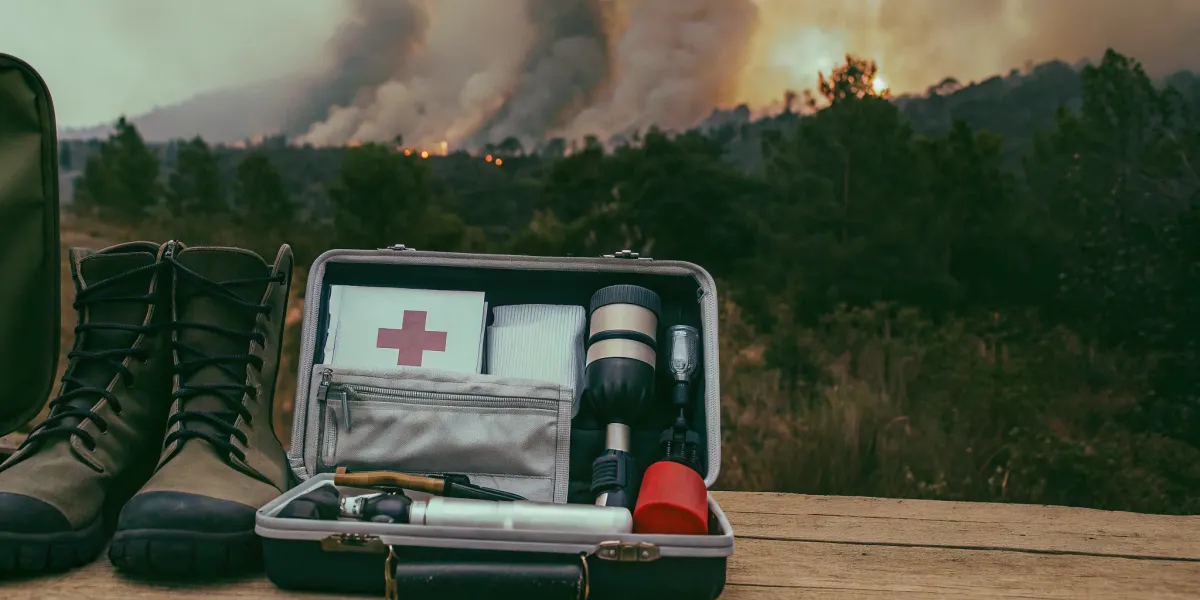
In a wildfire, time is the one thing you can’t get back. Modern fires move faster than ever, and evacuation windows can shrink from hours to minutes without warning. When that alert comes, you won’t have time to search for medications, documents, or supplies. The decisions you make today are what will protect your family tomorrow. A ready-to-go emergency kit is your answer to that time crunch. This isn't just a suggestion; it's a necessity. We’ve created the essential wildfire emergency kit checklist Northern California families can rely on to be prepared for a rapid departure.
Key Takeaways
- Personalize Your Go-Bag Beyond the Basics: A generic checklist won't cover your family's specific needs. Pack a seven-day supply of essential medications, items for kids and pets, and copies of critical documents to ensure your kit is a true lifeline, not just a box of supplies.
- Make Your Kit Accessible and Keep It Fresh: Your go-bag is useless if it's buried in a closet. Store your main kit by a primary exit, keep a smaller version in your car, and set a recurring calendar reminder to swap out expired food, water, and batteries annually.
- Turn Your Plan into Muscle Memory: A plan on paper isn't enough. Regularly practice grabbing your kit and driving your evacuation routes with your family. Drills build confidence and reveal weaknesses in your plan before an emergency, ensuring you can act calmly and decisively when it counts.
Your Essential NorCal Wildfire Go-Bag Checklist
When an evacuation order comes, you might only have minutes to leave. Having a pre-packed "go-bag" is one of the most important steps you can take to protect your family. This isn't about panic; it's about taking control in a situation that feels uncontrollable. Knowing your essential supplies are ready gives you the peace of mind to act quickly and calmly when it matters most. Think of it as your family's lifeline, containing everything you need to survive for at least 72 hours on your own, since emergency services will be focused on fighting the fire.
Building your kit is a foundational part of any solid emergency strategy. While this checklist covers the universal basics, remember that the best plans are tailored to your specific situation. Creating personalized wildfire action plans can help you think through every detail, from your go-bag contents to your evacuation routes and communication strategy. The goal is to remove the guesswork during a high-stress event. Below are the core components every Northern California household should have packed and ready to go at a moment's notice. For a comprehensive list, you can always reference an official emergency supply kit checklist from CAL FIRE.
Water and Food
You need a three-day supply of non-perishable food and at least one gallon of water per person, per day. During an evacuation, you can't count on stores being open or tap water being safe. Pack high-energy, no-cook foods like protein bars, dried fruit, nuts, and canned goods (and don't forget a manual can opener!). For water, store it in sturdy, sealed containers. If you have pets, remember to pack their food and water too. Mark a calendar to rotate your food and water supplies every six to twelve months to ensure everything stays fresh and safe to consume when you need it most.
Light and Communication Tools
Power outages are almost a guarantee during a major wildfire. Your cell phone is not a reliable tool—batteries die and networks get overloaded. Your kit must include a flashlight, preferably a durable LED one, and a battery-powered or hand-crank radio. Pack extra batteries for both, and consider storing them separately or turned around in the device to prevent corrosion. A hand-crank radio is an excellent choice because it never runs out of power. This radio will be your direct link to emergency broadcasts and evacuation updates from officials when other lines of communication are down. A headlamp is also a great, hands-free option.
First Aid and Personal Hygiene
Minor injuries can happen during a hasty evacuation, and access to medical care will be limited. Your go-bag should contain a well-stocked first aid kit with bandages, antiseptic wipes, gauze, adhesive tape, and pain relievers. Be sure to add a seven-day supply of any prescription medications your family members need, along with copies of the prescriptions. Don't overlook personal hygiene. Packing items like hand sanitizer, wet wipes, toilet paper, and feminine hygiene products can make a difficult situation more comfortable and help prevent the spread of germs. These small comforts can make a big difference in your family's well-being.
Key Documents and Cash
If you have to leave your home behind, you'll need critical documents to start the recovery process. Pack copies of birth certificates, passports, social security cards, driver's licenses, and insurance policies in a waterproof, portable container. It's smart to have both physical copies and digital backups on a password-protected USB drive. Also, include an emergency contact list with phone numbers. Power outages can knock out ATMs and credit card systems, so having a supply of cash in small bills is essential for buying gas, food, or other necessities. Don't forget a spare set of car and house keys.
Don't Forget These Critical Items
Beyond the absolute basics, a few extra items can make a huge difference. Pack a change of clothes for each family member, focusing on layers and sturdy, closed-toe shoes. Wildfire smoke is hazardous, so include N95 respirator masks to protect your lungs. A multi-tool, duct tape, and a whistle to signal for help are also smart additions. To make your kit manageable, use backpacks for lighter items like documents and clothing. For heavier supplies like water and canned food, a small, wheeled container or suitcase can save your back and make it easier to move quickly when you need to.
Tailor Your Go-Bag to Your Family's Needs
A generic emergency kit checklist is a great starting point, but it’s just that—a start. True preparedness means customizing your go-bag for the unique needs of every person (and pet) in your household. When stress is high and time is short, you don’t want to be scrambling to find your child’s asthma inhaler or your dog’s anxiety medication. Thinking through these specific needs now is one of the most important steps you can take to protect your family during a wildfire evacuation.
Your go-bag should reflect the realities of your daily life. Do you have an infant who relies on a specific formula? An elderly parent with essential prescriptions and mobility challenges? A teenager who needs contact lenses? Each of these requires specific additions to your kit that a standard list won't cover. A personalized Wildfire Action Plan is the perfect place to document these individual needs, ensuring that when an evacuation order comes, you have a clear, customized checklist ready to go. This simple step turns a generic kit into a lifeline truly built for your family, providing peace of mind when you need it most.
Packing for Kids and Infants
When you have little ones, your go-bag needs to cover their basic needs and provide comfort. Pack diapers, wipes, formula, bottles, and baby food for at least three days. Don’t forget any necessary medications, like teething gel or fever reducer, along with a thermometer. More importantly, include a favorite small toy, book, or blanket. These familiar items can provide immense comfort during a stressful and confusing time.
Beyond packing, it’s critical to prepare your family by practicing your evacuation plan. Walk through the steps with your children in an age-appropriate way. Show them the go-bag and explain what it’s for. Practicing helps demystify the process and gives them a sense of control, making a real evacuation feel less frightening.
Prepping for Your Pets
Your pets are part of the family, and they depend on you entirely during an emergency. Their go-bag should include a three-to-seven-day supply of food and water, collapsible bowls, and any medications they take. Pack a sturdy leash, harness, and a pet carrier labeled with your contact information. It’s also wise to include a current photo of you and your pet together to help with identification if you get separated.
Just as with kids, you need to practice your wildfire evacuation plan with your animals. Animals can sense stress and may hide when they feel scared. Regularly getting your cat comfortable with its carrier or practicing loading your dog into the car can make a huge difference when every second counts.
Managing Medical Needs
For anyone with chronic health conditions, a well-stocked go-bag is non-negotiable. Pack at least a seven-day supply of all prescription medications, along with a list of the medications, dosages, and allergies. Include copies of your prescriptions if possible. Don’t forget other essentials like extra eyeglasses, contact lenses and solution, hearing aids with extra batteries, or blood sugar monitoring equipment.
A common mistake is having survival gear without knowing how to use it. Make sure you’re comfortable with any medical devices you’ve packed. It’s also vital to have a solid family communications plan. Ensure every family member has a list of emergency contacts, including doctors, and knows how to reach each other if you get separated.
What to Grab When You Have to Evacuate Now
When an evacuation order is issued, there’s no time for second-guessing. The goal is to get yourself and your family to safety as quickly and calmly as possible. This is where your preparation becomes critical. Having your emergency kits packed and ready to go eliminates the need to make stressful decisions when every second counts. You won’t have to scramble for supplies or wonder what to take. Instead, you can focus on executing your plan. The following items are essential for your "Go-Bag," your car, and for protecting yourself during the evacuation itself.
Your "Grab-and-Go" Bag
A "Go Bag" is the emergency supply kit you pack long before a wildfire threatens your home. Its purpose is simple: to help you evacuate immediately with everything you need to survive for at least three days. Each person in your household should have one. Pack non-perishable food and at least three gallons of water per person. Include a first-aid kit, any necessary medications, a flashlight with extra batteries, and a battery-powered or hand-crank radio. Don’t forget a map marked with at least two evacuation routes. As a simple but crucial step, always keep a pair of sturdy shoes and a flashlight right by your bed in case you need to leave in the middle of the night.
Your Car Kit
Your car should have its own emergency kit, especially since you might not be home when an evacuation order comes. This kit ensures you’re prepared even when you’re on the road. Key items include jumper cables, a small fire extinguisher, a first-aid kit, and sanitation supplies like hand sanitizer and wipes. Pack face masks or N95 respirators to protect against smoke inhalation. Remember to include a supply of water—the standard is one gallon per person, per day—and don’t forget to pack extra for your pets. Having these important items stashed in your trunk provides peace of mind, knowing you have a baseline of supplies no matter where you are.
Protecting Yourself from Smoke
During an evacuation, communication can be difficult and smoke can be a serious health hazard. To keep phone lines clear for emergency services, use text messages or social media to check in with loved ones. The American Red Cross has a "Safe and Well" website where you can register yourself to let family know you’re okay. Protect your lungs by wearing an N95 respirator. It’s also critical to have plans that account for every family member’s needs. For those with disabilities, the American Red Cross provides detailed strategies to help create personalized disaster plans, ensuring everyone has a clear path to safety when it matters most.
Where Should You Store Your Wildfire Emergency Kit?
Creating a comprehensive emergency kit is a critical first step, but it’s only half the battle. Where you store your kit is just as important as what’s inside. If you can’t access your supplies quickly during a chaotic evacuation, they won’t do you any good. The key is to think strategically, placing your kits in locations that are immediately accessible along your primary evacuation routes.
Your goal should be to grab your supplies and go without hesitation. This means avoiding places like a cluttered attic or the back of a packed storage closet where you might waste precious minutes searching. By placing kits in multiple, easy-to-reach spots, you create a reliable safety net for you and your family, ensuring you're prepared no matter where you are when an alert comes through. Once you’ve decided on the best locations, be sure to document them in your personalized Wildfire Action Plan so every member of your household knows exactly where to find them in an emergency. This simple step removes guesswork when stress is high and every second counts, turning a good plan into an actionable one.
Your Main Kit's Location
Your primary emergency kit, often called a "Go Bag," should be your most comprehensive one. Store it in a cool, dry place that you can get to in seconds. For most people, the best spot is in a front hall closet, near the garage door, or another main exit you would use during an evacuation. The goal is to integrate it into your escape path so you can grab it on your way out without thinking.
Make sure this kit is packed in a sturdy, comfortable backpack. During an evacuation, you may need to walk, and you’ll want your hands free to carry other essential items, help family members, or handle pets. A rolling suitcase might seem convenient, but it can be useless on uneven terrain or in crowded shelters.
Where to Keep a Backup Kit
A wildfire won't wait for you to be home to strike. Evacuation orders can come down when you’re at work, running errands, or when your kids are at school. That’s why having backup kits is so important. These don’t need to be as extensive as your main Go Bag, but they should contain core essentials to get you through the first 24 hours.
Consider keeping a smaller kit in your office or even with a trusted neighbor or family member who lives outside your immediate area. This creates redundancy in your plan. If you can’t get home, you still have access to critical supplies. The idea is to ensure that no matter where you are when an emergency alert is issued, you have a personal go bag within reach.
Keeping a Kit in Your Car
Your vehicle is one of the most vital tools you have during an evacuation, making it the perfect place for an emergency kit. A car kit ensures you’re prepared even if you’re stuck in traffic or rerouted. This kit should be compact enough to not get in the way but stocked with essentials.
Include bottled water, non-perishable snacks like energy bars, a phone charger or power bank, a first-aid kit, and a flashlight. It’s also smart to keep a sturdy pair of walking shoes and a warm blanket in your trunk. If you have to abandon your vehicle, you’ll be able to leave on foot with comfortable footwear and basic supplies. Think of it as your mobile safety net.
How Often Should You Update Your Emergency Kit?
Building your go-bag is a huge first step, but it’s not a one-and-done task. Your emergency kit is a living resource that needs regular attention to be effective when you need it most. Supplies expire, batteries die, and your family’s needs change over time. A kit packed five years ago might not have the right-sized clothes for your kids, the current medications your family needs, or even food that’s safe to eat.
Think of it like maintaining your car; you don’t wait for it to break down on the side of the road to check the oil. Regular maintenance ensures your kit is reliable. The key is to create a simple, repeatable schedule. A quick monthly check-in and a more thorough annual review will keep your supplies fresh and your plan relevant. This proactive approach turns a daunting task into a manageable habit, giving you peace of mind that you’re truly prepared for a wildfire emergency. Setting reminders on your phone or calendar can help you stay on track and make sure this critical task doesn't get forgotten.
What to Check Monthly
Set a recurring calendar reminder for a quick monthly check of your emergency kit. This isn't a full overhaul; it's a simple once-over to make sure everything is still in place and in good condition. Did someone borrow the flashlight and forget to put it back? Did you use a few bandages from the first-aid kit? Regular checks help you catch these small issues before they become a problem during an emergency. Just take a few minutes to ensure that all items are in good condition and that nothing has been used or expired. This simple habit keeps your kit ready to go at a moment's notice.
What to Replace Annually
At least once a year, you’ll need to do a more thorough review of your kit. This is the time to swap out items that have expiration dates. Go through your supplies and replace perishable items like water, food, medications, and batteries to make sure they are still effective. Canned food can last for years, but it’s best to rotate it into your pantry and replace it with fresh supplies. Batteries can corrode and lose their charge over time, and medications can lose their potency. Pick a memorable date, like your birthday or the start of a new year, to build and refresh your personal go-bag.
Seasonal Updates for NorCal Weather
Living in Northern California means our preparedness needs to align with the seasons, especially the approach of wildfire season in late spring and summer. This is the perfect time to review your kit and update it as your family’s needs change. Check the sizes of clothes and shoes for growing children, and add any new prescription medications or updated eyeglasses. Before fire season hits, double-check your supply of N95 masks and ensure your important documents are backed up digitally. Your Wildfire Action Plan should also be reviewed, as evacuation routes and community resources can change. This seasonal refresh ensures your kit is tailored to the current risks and your family’s specific needs.
Create Your Family's Wildfire Communication Plan
A physical emergency kit is only one part of your preparedness strategy. When a wildfire forces an evacuation, chaos can separate your family. Cell service may be down, and roads can close without warning. A solid communication plan is your roadmap to reconnecting and ensuring everyone is safe. This isn't just a list of phone numbers; it's a pre-agreed strategy for how you'll reach each other, where you'll meet, and who you'll check in with when you can't connect directly.
Thinking through these scenarios now, when you are calm and have time to plan, is one of the most important actions you can take. It removes the guesswork during a high-stress evacuation, allowing each family member to act decisively. Your plan should be simple enough for a child to understand and robust enough to work if technology fails. Having this framework in place provides peace of mind and a clear path forward when you need it most. A complete Wildfire Action Plan integrates your communication strategy with your evacuation routes and home preparedness steps.
Set Up Your Family Communication Plan
Your family communication plan needs to be written down and accessible to everyone. Start by choosing an out-of-state friend or relative as your designated emergency contact. It's often easier to make long-distance calls than to call across town during a disaster. Make sure everyone in your family has this person's number saved and knows to call them to check in. Next, establish two meeting places: one safely outside your home (like a neighbor's mailbox) and another outside your neighborhood (like a library or community center) in case you can't get back to the area. Make copies of your plan for every family member to keep in their wallet, car, and go-bag.
How to Get Emergency Alerts
During a wildfire, timely and accurate information is critical. Do not rely on social media for official evacuation orders. Instead, make sure every adult's phone is set up to receive Wireless Emergency Alerts (WEAs), which are sent by authorized government agencies. You should also proactively sign up for alerts from your specific county's office of emergency services. These systems will notify you of immediate threats and evacuation instructions. For a reliable backup when cell towers are overloaded or power is out, keep a battery-powered or hand-crank NOAA Weather Radio in your emergency kit. This ensures you can always access life-saving information from official sources.
Plan Your Evacuation Routes
When an evacuation order is issued, you may only have minutes to leave. Wildfires move unpredictably and can quickly block familiar roads. That's why you must identify at least two different escape routes from your neighborhood. Drive these routes with your family so everyone becomes familiar with them. Time them during different parts of the day to understand potential traffic bottlenecks. Once you are safely in your car and on your way, call your out-of-state emergency contact to let them know you are evacuating and which route you are taking. This keeps local lines free for first responders and ensures your check-in person has your latest status.
Where to Find Help: NorCal Wildfire Resources
Knowing where to turn for reliable information is just as important as having a well-stocked go-bag. When a wildfire threatens, you need clear guidance from trusted sources. Fortunately, Northern California has a robust network of state, local, and community organizations dedicated to helping you prepare and respond. These resources can provide everything from official evacuation orders to financial guidance, ensuring you have the support you need before, during, and after a fire.
CAL FIRE and Local Services
As the state's primary firefighting agency, CAL FIRE is your go-to source for official information and preparedness strategies. They emphasize a simple, proactive approach to wildfire safety with three key steps: "Get ready," "Get set," and "Be ready to go." This framework helps you understand what actions to take at each stage of a potential threat. You can find detailed checklists and guides on their Prepare for Wildfire page. Beyond the state level, your county’s Office of Emergency Services (OES) and local fire department will provide the most specific updates for your neighborhood, including evacuation warnings and orders. Make sure you know how to find their websites and social media pages before an emergency strikes.
Your Community Support Network
You are not in this alone. Your neighbors and local community groups are a powerful resource. As CAL FIRE notes, actively practicing your fire escape plan and engaging with your community support network can enhance your preparedness and provide vital resources. Talk to your neighbors about your plans. Identify who might need extra help evacuating, like elderly residents or families with small children. Many areas also have a local Fire Safe Council, a grassroots organization that can help you and your neighbors with home hardening projects and creating a more fire-resilient community. Connecting with these groups builds a stronger, safer neighborhood for everyone.
Insurance and Financial Guides
Navigating the financial side of wildfire risk can feel overwhelming. Federal agencies like FEMA provide essential wildfire risk data to officials, but it can be challenging for homeowners to translate that information into actionable steps for protecting their property and their insurance eligibility. For specific questions about your policy or finding coverage, the California Department of Insurance is an excellent resource. They offer guides for homeowners and can help you understand your rights. Taking proactive steps to document your home’s risk and mitigation efforts is key to staying insurable, which is exactly what a personalized Wildfire Action Plan is designed to help you do.
How to Build Your Go-Bag on a Budget
Getting prepared for a wildfire evacuation shouldn’t break the bank. The most important thing is to start, even if it’s just with a few key items. Building a Go-Bag is one of the most empowering steps you can take to feel in control, and you can do it thoughtfully without spending a fortune. It’s about being resourceful and prioritizing what truly matters when you have minutes to leave. A well-thought-out plan is your most valuable asset, and creating one is completely free.
Think of your Go-Bag as a living kit that you build over time. You don’t need to buy everything at once. By shopping smart, focusing on the essentials first, and adding to your kit with each paycheck or shopping trip, you can create a comprehensive emergency kit that gives you peace of mind. Let’s walk through how to do it.
Where to Shop for Supplies
You likely already own many items you need for your Go-Bag. Start by shopping in your own home. Do you have an old backpack, extra toiletries, or a spare phone charger? Gather these items first. A sturdy backpack is the perfect container for your kit, making it easy to grab and carry.
For items you need to buy, think beyond specialty survival stores. Discount stores, dollar stores, and even the travel-size aisle at your local pharmacy are great places to find affordable supplies like flashlights, batteries, hygiene products, and first-aid basics. Keep an eye out for sales on non-perishable food and bottled water during your regular grocery runs. Being prepared is about planning ahead, and that includes looking for deals.
What to Buy First
If your budget is tight, focus on the absolute essentials that will keep you safe and healthy for the first 72 hours after an evacuation. According to CAL FIRE’s emergency supply kit guidelines, your top priorities should be water and food. Plan for at least three gallons of water per person and a three-day supply of non-perishable food that doesn’t require cooking, like protein bars, nuts, and dried fruit.
After food and water, your next purchases should be a well-stocked first-aid kit and basic sanitation supplies like wet wipes, hand sanitizer, and toilet paper. These items are crucial for staying healthy when you’re away from home and public services may be unavailable. You can often find pre-made first-aid kits for a reasonable price or build your own over time.
Save Money by Buying in Bulk
For certain supplies, buying in bulk can lead to significant savings. Items like bottled water, batteries, granola bars, and medical supplies are often cheaper per unit when purchased in larger quantities from a warehouse club or online. Consider teaming up with neighbors or family members to split the cost of a bulk purchase, which helps everyone get prepared while keeping costs down.
Just remember that having supplies doesn't help if they're expired when you need them. When you prepare your emergency kits, make a habit of checking expiration dates on food, water, and medications at least twice a year. A simple calendar reminder on your phone can help you stay on top of it, ensuring your Go-Bag is always ready for action.
Put Your Emergency Plan to the Test
Creating a wildfire emergency kit and a communication plan is a huge first step, but it’s only half the battle. A plan that only exists on paper or in your head isn't a plan—it's a theory. In the stress and confusion of an actual evacuation, you won’t have time to second-guess your decisions or search for supplies. Your mind will be racing, and your actions will fall back on instinct and muscle memory. This is why practicing your plan is not just a good idea; it's an essential part of your preparation.
Running drills turns your theoretical plan into a set of automatic, repeatable actions. It builds confidence and reduces panic because you and your family will know exactly what to do. Think of it like a fire drill at school or work—the repetition makes the response second nature. When you practice, you uncover the flaws in your plan before a wildfire does. You might find that your go-bag is too heavy, your evacuation route is confusing, or your kids don’t know where to meet. These are critical details you can only discover through action.
The goal is to move from a state of anxiety to one of readiness. By testing your plan, you are taking control of a situation that can feel overwhelming. You’re empowering your family with the skills and confidence needed to act decisively when it matters most. This proactive approach is the core of effective preparedness, transforming a checklist into a life-saving skill. Your personalized wildfire action plan is a living document, and practicing it is how you bring it to life.
Practice Accessing Your Kit
Your emergency kit does no good if you can’t get to it quickly. Start with a simple, timed drill: Can everyone in your household who is able to, locate the go-bags, grab them, and get them to the car in under two minutes? This simple test can reveal unexpected problems. Is the kit buried behind holiday decorations in a cluttered closet? Is it too heavy for one person to lift safely? Practicing helps you solve these issues now, not when you’re rushing to leave. As CAL FIRE notes, actively practicing your fire escape plan builds a sense of calm and readiness, replacing panic with a clear, immediate task.
Run a Family Evacuation Drill
Once you can access your kit, practice the entire evacuation process. A full drill helps everyone understand their specific roles. Who is responsible for grabbing the pets? Who makes sure the kids are ready? Who does a final check of the house and locks up? Walk through every step, from receiving an alert to getting in the car and driving your primary evacuation route. Then, do it again using your backup route. As fire officials advise, you need to practice the planned actions to ensure everything works as intended, especially for families with children. A drill makes the plan real and helps identify any confusing steps or missing information.
Get to Know Your Gear
A common mistake is assuming that having survival gear is enough without knowing how to use it. An emergency is the worst time to read an instruction manual. Take an afternoon to familiarize your family with the contents of your kit. Open the first-aid supplies and review how to use them. Teach everyone how to operate the hand-crank radio and flashlight. Check the expiration dates on food, water, and medications. If you have a fire extinguisher, make sure everyone who is old enough knows the P.A.S.S. technique (Pull, Aim, Squeeze, Sweep). Building this familiarity ensures your tools are truly useful when you need them most, turning a box of supplies into a source of confidence.
Related Articles
- What to Put in a Wildfire Go Bag: The Ultimate Guide
- How to Pack for a Wildfire Evacuation: A 5-Minute Guide
- Wildfire Car Emergency Kit: The Ultimate Checklist
- How to Build an Emergency Kit for Wildfire
- 5 Steps to a Custom Wildfire Action Plan: NorCal
Frequently Asked Questions
How long do my go-bag supplies really need to last? You should aim for enough supplies to keep you and your family self-sufficient for at least 72 hours. During a major wildfire, emergency services are focused on fighting the fire and protecting structures, so you can't count on immediate access to stores, shelters, or clean water. A three-day supply of food, water, and personal medications gives you a critical buffer to get to a safe location and figure out your next steps without added stress.
I'm on a tight budget. What are the absolute first things I should get for my kit? Don't let a tight budget stop you from getting started. Your first priorities should be the items that are most critical for survival. Focus on securing water (one gallon per person, per day) and high-energy, no-cook food for three days. After that, a basic first-aid kit and any essential prescription medications are your next most important items. You can build the rest of your kit over time by picking up a few things with each grocery run.
What's the most common mistake people make with their emergency kits? The biggest mistake is treating it as a one-and-done project. A go-bag you packed three years ago might have expired food, dead batteries, or clothes your kids have outgrown. Your kit is a living resource that needs regular attention. Forgetting to maintain it or, just as importantly, failing to practice using it can render it useless. A quick check-in every few months and an annual refresh are essential to ensure your kit is actually ready when you need it.
Why do I need a kit in my car if I already have one at home? An evacuation order can come at any time, and you might not be home when it does. You could be at work, running errands, or stuck in traffic. A kit in your car acts as your mobile safety net, ensuring you have access to essentials like water, a first-aid kit, a phone charger, and a face mask no matter where you are. It guarantees you have a baseline of supplies to get you through the initial hours of an emergency, even if you can't get back to your house.
Besides the physical kit, what's the one thing that will make the biggest difference in an evacuation? A clear, practiced communication plan. When chaos hits and cell service is unreliable, knowing exactly how your family will contact each other and where you will meet is invaluable. Agreeing on an out-of-state contact person and two designated meeting spots removes the panic of uncertainty. A physical kit is crucial, but a well-rehearsed plan is what allows your family to act as a calm, coordinated team when every second counts.