What Is a Wildfire? Understanding Your Home's Risk
What is a wildfire? Learn how wildfires start, spread, and threaten your home—and get practical steps to assess and reduce your wildfire risk.
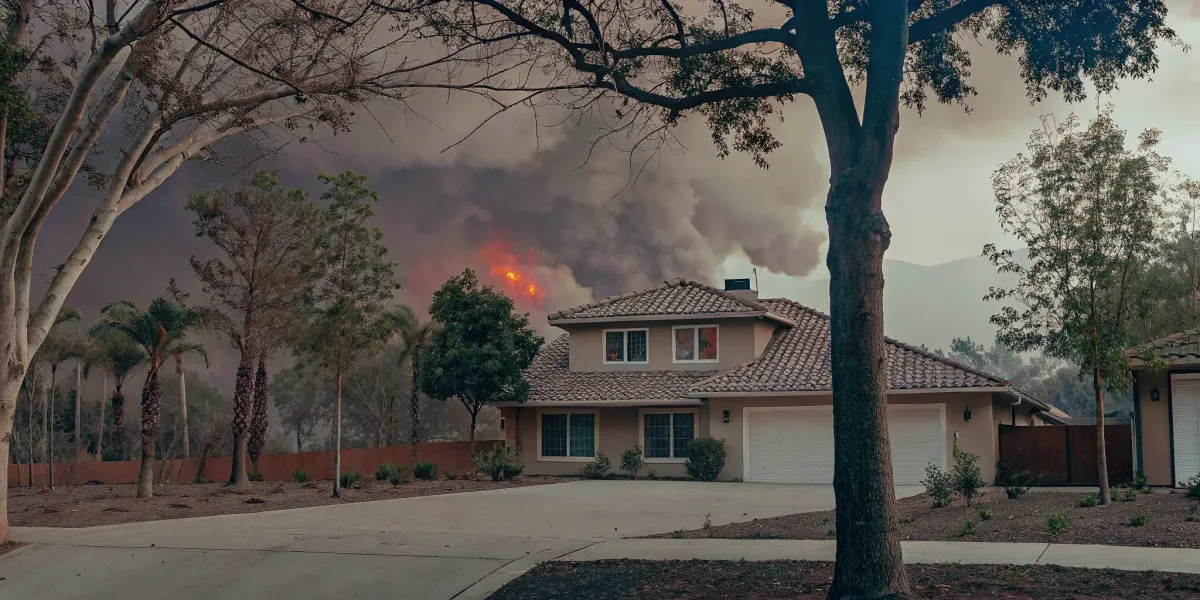
That letter from your insurance company—the non-renewal notice or the shocking premium increase—can feel like a gut punch. It’s a clear signal that the risk to your home has become too high for them to carry. To fight back and stay insurable, you need to understand the threat from their perspective. It all starts with a fundamental question: what is a wildfire in today's world? It’s no longer just a remote forest event; it’s a direct and growing threat to communities. This article explains the science behind modern wildfires, helping you see your property’s vulnerabilities so you can take control.
Key Takeaways
- Understand the Modern Threat to Prepare Effectively: Today's wildfires are not the same as those of the past; they are fueled by climate change, drought, and overgrown landscapes. Recognizing that fires are now faster and more intense is the first step in creating a defense plan that actually works.
- Embers, Not Flames, Are the Primary Threat to Your Home: Most homes are lost to small, wind-blown embers that can travel over a mile ahead of the main fire. Your most critical defense is to "harden" your home by sealing vents, clearing gutters, and using fire-resistant materials.
- A Complete Defense Is a Three-Part Strategy: You can take control of your property's safety with a layered approach. This involves creating defensible space in your yard, hardening the structure of your home, and having a practiced evacuation plan to protect your family.
What Is a Wildfire?
A wildfire is an uncontrolled fire that burns through natural landscapes like forests, brush, or grasslands. The key word here is uncontrolled. Unlike fires that are intentionally set for land management, a wildfire is unplanned and unpredictable, making it a serious threat to anything in its path. Understanding the basic nature of wildfires is the first step in preparing your home and family for the risks they pose.
These fires can ignite from natural causes, like a lightning strike on a dry hillside. However, the vast majority are caused by human activity—from a stray spark from equipment to a carelessly tossed cigarette. Once started, they can move with alarming speed, creating a rapidly changing emergency that can overwhelm communities and first responders.
Key Characteristics of a Wildfire
The defining feature of a wildfire is its ability to spread quickly and erratically. In dense forests, a fire can advance at up to 6.7 miles per hour. In open grasslands with strong winds, that speed can jump to 14 miles per hour. This rapid movement is driven by a combination of wind, dry fuel (like dead leaves, grass, and trees), and the shape of the land. The fire doesn't just burn along the ground; it can send burning embers flying far ahead of the main flame front, starting new spot fires and making it incredibly difficult to contain. This is why a fire that seems miles away can suddenly become an immediate threat to your neighborhood.
How Wildfires Differ from Controlled Burns
You may have heard of firefighters intentionally setting fires, which can sound counterintuitive. These are called prescribed burns, and they are a critical tool for preventing catastrophic wildfires. A prescribed, or controlled, burn is a carefully planned fire set under specific weather conditions by fire management experts. The goal is to clear out dead leaves, brush, and small trees that act as fuel. By safely reducing this fuel load, prescribed burns help maintain a healthier ecosystem and make it much harder for a massive, destructive wildfire to ignite and spread. While there is always a small risk of a controlled burn escaping, they are a vital, proactive measure in wildfire management.
What Causes a Wildfire to Start?
Understanding how wildfires begin is the first step toward recognizing the risks around your own home. While images of lightning striking a dry forest might come to mind, the reality is that most wildfires don't start that way. The vast majority are traced back to human activity, which means many are preventable. Knowing the common causes can help you stay more vigilant and prepared. Whether a fire is sparked by nature or by accident, the right conditions—dry vegetation, low humidity, and high winds—can turn a small flame into a destructive force in minutes.
Natural Causes Like Lightning
Nature is one of the primary sources of wildfire ignition, with lightning being the most common culprit. During a dry thunderstorm, a lightning bolt can carry enough heat to instantly ignite dry grass, pine needles, or trees. These natural causes are particularly dangerous in remote, hard-to-reach areas where a fire can grow substantially before it's even detected. If a strike occurs during a period of drought or high winds, the fire can spread with alarming speed, quickly becoming a major incident that threatens homes and communities miles away from the initial spark.
Human Activity and Accidents
While lightning is a powerful force, it’s not the leading cause of wildfires. In fact, around 85% of all wildfires in the U.S. are caused by human activities. These aren't necessarily malicious acts; often, they are simple accidents or moments of carelessness. An unattended campfire that isn't properly extinguished, sparks flying from a lawnmower hitting a rock, a hot car parked on dry grass, or a cigarette tossed out of a window can all provide the spark needed to start a blaze. Downed power lines are another frequent source of ignition, especially during high-wind events. This highlights how crucial everyday caution is for fire prevention.
Intentional Acts of Arson
Unfortunately, not all human-caused fires are accidental. Arson, the deliberate act of setting a fire, is a serious and destructive crime that accounts for a significant percentage of wildfires. These fires are started with malicious intent and can have devastating consequences, destroying homes, habitats, and putting lives at risk. Arson-caused fires are particularly dangerous because they can be set in multiple locations or in areas strategically chosen to maximize damage and complicate firefighting efforts. Law enforcement takes arson very seriously, but it remains a persistent threat in many fire-prone regions.
What Are the Main Types of Wildfires?
Not all wildfires behave the same way. Understanding the different types can help you grasp how a fire might approach your property and what parts of your home are most vulnerable. Wildfires are generally classified into three types based on where they burn: on the ground, across the surface, or through the treetops.
Ground Fires: Burning Beneath the Surface
Ground fires are slow, smoldering fires that burn underneath the surface. They consume the rich organic material in the soil, like deep layers of pine needles, peat, and plant roots. Because they burn underground, they can be difficult to detect and can linger for days, weeks, or even months after a larger fire seems to be out. This poses a hidden risk, as they can re-emerge and ignite a new surface fire when conditions are right. For homeowners, this means a fire threat might not be over just because the visible flames are gone.
Surface Fires: Spreading Across Vegetation
Surface fires are what most of us picture when we think of a wildfire. These fires move across the ground, burning through low-lying vegetation like dry leaves, grass, and small shrubs. While they are less intense than crown fires, they move quickly and serve as the primary way fires spread across the landscape. A surface fire can easily climb "ladder fuels"—like low-hanging tree branches—to reach the treetops and become a much more dangerous crown fire. This is why creating and maintaining defensible space around your home is one of the most critical actions you can take.
Crown Fires: Moving Through Treetops
Crown fires are the most intense and destructive type of wildfire. They burn through the tops of trees and shrubs, spreading rapidly from one canopy to the next. Driven by strong winds, these fires can move at incredible speeds and are almost impossible for firefighters to control directly. Crown fires generate immense heat and launch massive showers of embers far ahead of the fire front. These embers are the primary way homes ignite, often miles from the main blaze. Understanding these specific threats is the first step in creating a Wildfire Action Plan that truly protects your home.
How a Small Fire Can Escalate
A small surface fire doesn't become a catastrophic event on its own. Weather is the critical accelerator. Hot temperatures and low humidity dry out vegetation, turning it into readily available fuel. Strong winds then push the fire forward and carry embers to new locations, causing it to grow exponentially. This combination of dry fuel and wind is what defines dangerous fire weather conditions. A lightning strike or a stray spark from equipment that might be harmless on a calm, damp day can become the starting point for a devastating wildfire during a Red Flag Warning.
How Do Wildfires Spread So Fast?
A wildfire’s speed can be terrifying, turning a distant plume of smoke into an immediate threat in minutes. This rapid spread isn’t caused by a single factor but by a combination of wind, fuel, terrain, and weather. Understanding how these elements work together is the first step in recognizing your home’s true risk and taking meaningful action to protect it. When conditions align, a small fire can quickly become an unstoppable force, which is why preparation is so critical.
The Role of Wind and Embers
Wind is a wildfire’s most powerful ally. It pushes flames forward at incredible speeds and supplies a steady stream of oxygen, making the fire burn hotter and more intensely. But the most deceptive threat comes from what the wind carries: embers. These are tiny, burning pieces of wood and vegetation that can be carried a mile or more ahead of the main fire.
This process, called "spotting," is how wildfires jump roads, rivers, and firebreaks. These embers are the primary reason homes ignite during a wildfire. They can land on your roof, get sucked into vents, or collect in gutters filled with dry leaves, starting a new fire right on your property. This is why it’s so important to harden your home against these airborne threats.
How Fuel and Dryness Feed a Fire
Everything in a wildfire’s path is potential fuel—grass, shrubs, trees, and even houses. The type, amount, and condition of this fuel determine how fast and hot a fire will burn. Fine, dry fuels like dead grass or pine needles ignite instantly and cause a fire to spread rapidly. Larger fuels, like logs and tree trunks, burn more slowly but produce more heat.
Prolonged drought makes this problem worse. When plants have less water, they become highly flammable, turning a green landscape into a tinderbox. Managing the fuel on your property is one of the most effective things you can do. When you create defensible space, you remove the fuel that a fire needs to reach your home.
Why Hills and Canyons Matter
The shape of the land, or topography, has a major impact on fire behavior. You may have heard that fires burn faster uphill, and it’s true. As a fire moves up a slope, the flames can preheat the vegetation above them, causing it to ignite much more quickly. A fire on a 30-degree slope can double its speed of spread.
Canyons and narrow ravines are especially dangerous. They act like chimneys, funneling wind and heat upwards and creating powerful updrafts that can accelerate a fire’s spread dramatically. Understanding how topography affects wildfire is crucial if you live in a hilly or mountainous area, as it directly influences your home’s vulnerability and your evacuation routes.
Weather's Impact on Fire Speed
General weather conditions dictate a fire’s daily rhythm. Wildfires typically burn most intensely in the afternoon when temperatures are highest, humidity is lowest, and winds are strongest. They often calm down overnight as temperatures drop and moisture in the air increases, giving firefighters a critical window to make progress.
However, certain weather patterns can create extreme fire conditions around the clock. In California, dry seasonal winds like the Santa Anas in the south and the Diablos in the north can produce powerful gusts that drive catastrophic fires. Keeping an eye on current fire weather outlooks can help you stay aware of high-danger periods and be ready to act.
Are Wildfires Ever Good for the Environment?
When you see headlines about catastrophic wildfires, it’s hard to imagine fire as anything but a destructive force. But for millennia, fire has been a natural and essential part of many landscapes. Some ecosystems have evolved with fire and actually depend on it to stay healthy. The key is understanding the difference between the low-intensity fires that help forests thrive and the high-intensity megafires that threaten our homes and communities. This distinction is critical for anyone living in a high-risk area.
The Natural Role of Fire in Ecosystems
In a healthy, balanced ecosystem, fire acts like a reset button. These naturally occurring, low-severity wildfires clear out dead leaves, old brush, and crowded vegetation on the forest floor. This process not only reduces the fuel available for a future megafire but also returns vital nutrients to the soil. Some tree species, like the giant sequoia, even rely on the heat from a fire to open their cones and release seeds. By clearing the understory, fire allows sunlight to reach the ground, making room for new grasses and plants to grow. It’s a cycle of renewal that has kept many of our forests healthy for centuries.
When Fire Becomes Destructive
The beneficial fires that renew ecosystems are a world away from the destructive infernos that dominate the news. A wildfire becomes dangerous when it burns too hot, moves too fast, and spreads into populated areas. The 2018 Camp Fire, for example, was a tragic reminder of this, destroying the town of Paradise and claiming 86 lives. These high-intensity fires are often fueled by a combination of extreme drought, high winds, and an overabundance of dry vegetation. When these conditions align, a fire can create its own weather and send embers flying for miles, threatening homes far from the initial flame front. This is the reality of modern wildfire risk.
The Critical Difference Between Good and Bad Fire
So what turned a natural process into a recurring catastrophe? For over a century, a policy of total fire suppression meant we put out every fire, no matter how small. While well-intentioned, this allowed forests to become unnaturally dense with fuel. Now, when a fire starts, it has an enormous amount of material to burn, leading to hotter, more explosive fires. Combined with a changing climate that brings longer and drier fire seasons, the conditions are ripe for disaster. Knowing the difference between healthy fire and destructive fire is the first step in taking control. The next is building a plan to defend your home. Start your free Wildfire Action Plan to assess your risk and create a clear strategy.
What Are the Lingering Impacts of a Wildfire?
When the flames are out and the evacuation orders are lifted, the danger isn't over. The aftermath of a wildfire introduces a new set of challenges that can affect your health, your property, and the environment for months or even years. Smoke can travel for hundreds of miles, and the damage to the landscape can lead to other hazards like landslides and contaminated water.
Understanding these lingering impacts is a critical part of preparing for a wildfire. It’s not just about surviving the fire itself; it’s about navigating the recovery. Protecting your family’s health from poor air quality and securing your property against post-fire environmental threats are essential steps in a complete safety plan. Acknowledging these long-term risks helps you build a more resilient household and community, ready to face the full scope of what a wildfire leaves behind.
The Dangers of Smoke to Your Health
Wildfire smoke is much more than a simple haze in the air; it’s a toxic mix of gases and fine particles that can cause serious health problems. These tiny particles can get deep into your lungs and even enter your bloodstream, leading to a range of respiratory and cardiovascular issues, from coughing and irritated eyes to more severe conditions like bronchitis and asthma attacks.
The health risks aren't limited to the immediate fire zone. Smoke plumes can travel across states and even continents, impacting air quality for millions of people far from the flames. In the U.S. alone, wildfire smoke is linked to thousands of premature deaths each year. This is why having a plan for smoke events, including air purifiers and N95 masks, is just as important as having an evacuation route.
Lasting Damage to Air, Water, and Climate
The environmental toll of a wildfire extends far beyond the charred trees. These fires release massive amounts of carbon dioxide and other pollutants into the atmosphere, contributing to poor air quality and accelerating climate change. Over the last century, wildfires have been responsible for a significant portion of global carbon emissions, creating a dangerous feedback loop where more fires lead to a warmer climate, which in turn creates conditions for even more fires.
The damage also seeps into the ground and water. After a fire, heavy rains can wash ash, soot, and toxic debris into rivers and reservoirs, contaminating drinking water for nearby communities. The loss of vegetation also destabilizes hillsides, increasing the risk of dangerous mudslides. This long-term environmental damage affects not only the ecosystem but also the safety and stability of the communities within it.
How Do Wildfires Threaten Your Home and Community?
A wildfire isn't just a distant news story; it's a direct threat that can reshape lives in minutes. The danger extends far beyond the flames themselves, creating a ripple effect that impacts your property, finances, health, and the stability of your entire community. Understanding these interconnected risks is the first step toward building a resilient defense for your family and home. When a fire approaches, it’s not just the trees that are at risk—it’s your way of life.
The Risk in the Wildland-Urban Interface (WUI)
Many communities are built in or near the Wildland-Urban Interface (WUI), the zone where homes and undeveloped wildland meet or mix. While these areas offer natural beauty, they also place homes directly in the path of potential wildfires. As more people build in these scenic but high-risk locations, the potential for catastrophic loss grows. Living in the WUI means you’re on the front lines. It’s not a question of if a fire could happen nearby, but what you will do when it does. Your home’s survival often depends on proactive measures taken long before smoke is on the horizon.
Property Damage and Infrastructure Loss
Wildfires are uniquely destructive, capable of wiping out entire neighborhoods with terrifying speed. The 2018 Camp Fire, for example, devastated the town of Paradise, California, destroying thousands of homes and businesses. But the damage doesn't stop at property lines. Fires cripple essential infrastructure, taking down power grids, contaminating water supplies, and destroying roads and communication towers. This widespread damage makes it harder for first responders to manage the crisis and for communities to begin the long, difficult process of recovery. Rebuilding isn't just about homes; it's about restoring the services that make a community function.
The Financial Fallout: Insurance and Rebuilding Costs
The financial impact of a wildfire is staggering, both for the public and for individual homeowners. While government agencies spend billions fighting fires, you face the personal costs of recovery. This is where the current home insurance crisis hits hardest. Many homeowners in high-risk areas are being dropped by their insurers or are facing unaffordable premiums, leaving them financially exposed. Without adequate coverage, the cost of rebuilding a home can be an insurmountable burden. This financial strain can hollow out a community long after the fire is out, making a full recovery even more challenging.
The Human Cost: Evacuation and Recovery
Beyond the material losses, the human cost of wildfires is immense. The immediate stress of evacuation and the uncertainty of whether you’ll have a home to return to can cause lasting trauma. The danger also lingers in the air. Wildfire smoke is a serious health hazard, filled with fine particles that can cause respiratory problems and other illnesses. Research shows that smoke contributes to thousands of deaths annually. The emotional and physical recovery from a wildfire is a long journey, underscoring the critical need for a solid wildfire action plan that prioritizes your family’s safety and well-being above all else.
Why Are Wildfires Getting Worse?
It’s not your imagination—wildfires have become more frequent, larger, and more destructive. This isn't a random fluke. It's the result of a combination of factors that have created the perfect storm for catastrophic fires. Understanding these forces is the first step toward protecting your family and property. The three main drivers are a changing climate, a longer fire season, and our own expansion into high-risk landscapes.
The Impact of Climate Change and Drought
Climate change is a primary driver, creating hotter and drier conditions across the West. Warmer temperatures lead to more severe and prolonged droughts, which dry out forests, grasslands, and brush. This process turns vast landscapes into highly flammable fuel, ready to ignite with a single spark. Think of it like this: the same summer heat that makes you want to jump in a pool is also baking the moisture out of every tree and shrub around your home, making them far more likely to burn.
Longer, More Intense Fire Seasons
The consequence of a warmer climate is a fire season that barely feels like a "season" anymore. What used to be a predictable five-month period of high fire danger has stretched to seven months or longer in many western states. This extended timeline means there's more opportunity for fires to start and spread. Not only are there more fires, but they are also burning larger areas and with greater intensity than in past decades. This shift requires us to think about wildfire preparedness as a year-round responsibility, not just a summer chore.
How Development in High-Risk Areas Raises the Stakes
As our communities expand further into beautiful but fire-prone landscapes, more homes are put directly in harm's way. This area, known as the Wildland-Urban Interface (WUI), is where the risk to life and property is highest. The challenge is that wildfire risk doesn't impact everyone equally. While some homeowners have the resources to harden their homes and create defensible space, many vulnerable populations, including the elderly and low-income families, face soaring risks without the means to mitigate them. This growing exposure increases the stakes for entire communities when a wildfire strikes.
How Can You Assess Your Home's Wildfire Risk?
Your home's wildfire risk isn't just a vague threat; it's a combination of specific, measurable factors. The first step toward protecting your property and staying insurable is to conduct an honest assessment of your surroundings and your home itself. By understanding where the dangers lie, you can focus your efforts on changes that make a real difference. A detailed risk assessment is a core part of a strong Wildfire Action Plan.
Understand Your Local Landscape and Vegetation
Wildfires thrive in wildland areas—forests, grasslands, and canyons. If your home is in or near these environments, your risk is automatically higher. Start by looking at the bigger picture. Are you on a steep slope where fire can travel uphill quickly? Is your community surrounded by dense, dry vegetation? The type of plants on and around your property plays a huge role. Some vegetation, like pine trees and dry grasses, can act as potent fuel, while other fire-resistant plants can help slow a fire's spread. Carefully considering the materials and vegetation in your surrounding area is one of the most effective ways to reduce your fire danger.
Pinpoint Your Home's Vulnerabilities
Most homes lost to wildfire are not consumed by a large wall of flame but are ignited by wind-blown embers. These small, burning embers can travel a mile or more ahead of a fire and find their way into tiny openings in your home. You can prepare your home to withstand an ember attack by identifying its weak points. Start with your roof—is it made of a fire-resistant material like asphalt shingles or metal? Are your gutters filled with dry leaves? Check your vents and eaves for openings that aren't covered with a fine metal mesh. The area immediately surrounding your foundation is also critical. Creating a buffer zone by removing flammable mulch, weeds, and brush helps keep fire from touching the home itself.
What Steps Can You Take to Protect Your Property?
Facing wildfire risk can feel overwhelming, but you are not powerless. Taking proactive steps to prepare your property can dramatically increase its chances of survival and, just as importantly, help you maintain insurance coverage. The key is to focus your efforts on three critical areas: creating a buffer zone around your home, strengthening the structure itself against embers, and having a clear plan to get out safely. These actions are your best defense against a wildfire and are exactly what insurers look for when assessing your home's risk.
Create Defensible Space
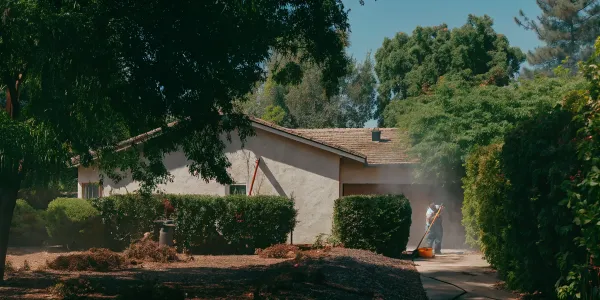
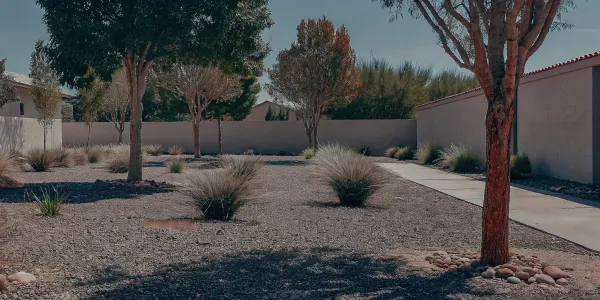
Defensible space is the buffer you create between your home and the surrounding grass, trees, and wildland. This space is essential for slowing or stopping the spread of wildfire and it protects your home from catching fire from direct flame contact or radiant heat. Creating it involves removing flammable materials in zones around your structure. Start with the area within 30 feet of your home by clearing away leaves, dead vegetation, and yard debris. You should also move any flammable items like firewood piles or propane tanks away from the house. A well-maintained defensible space gives firefighters the room they need to safely defend your home.
Harden Your Home Against Embers
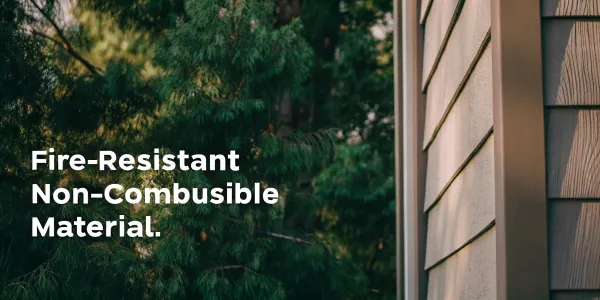
During a wildfire, the biggest threat to your home often comes from wind-blown embers, which can travel a mile or more ahead of the fire itself. These embers can land on or get inside your house, igniting it from within. To protect your home, you must harden it against ember attacks. This means using fire-resistant building materials where possible, like Class A-rated roofing. It also involves sealing gaps where embers could enter, such as by covering attic and foundation vents with 1/8-inch metal mesh. Inspecting and sealing gaps around windows and doors and clearing flammable debris from your roof and gutters are simple but critical steps in making your home more resilient.
Make Your Evacuation Plan
When a wildfire threatens your community, having a clear and practiced evacuation plan is the most important step for protecting your family. A well-thought-out plan should be tailored to your household’s specific needs and include multiple evacuation routes, communication strategies for connecting with family, and a checklist of essential items for your "Go Bag." Preparing in advance can make all the difference when time is short and stress is high. Building a personalized Wildfire Action Plan ensures you’ve covered all your bases, from what to do with pets to how you’ll get emergency alerts, giving you a clear roadmap to safety when you need it most.
Related Articles
- A Step-by-Step Home Wildfire Risk Assessment
- Protect Your Home: Top 10 Wildfire Prevention Measures
- Wildfire Risk Insurance: A Complete Guide
- Your Ultimate Wildfire Preparedness Plan Guide
- Wildfire Prevention: Your Guide to a Safer Home
Frequently Asked Questions
What is the single most important thing I can do to protect my home? Focus on your roof and the five feet immediately surrounding your home's foundation. Most houses are lost to wildfires not because of a giant wall of flame, but because of small, wind-blown embers that land on flammable materials. Keeping your roof and gutters clear of leaves and debris is a critical first step. In that five-foot zone around your house, remove all flammable mulch, dead plants, and even outdoor furniture to create a non-combustible buffer that gives your home a fighting chance.
My house isn't directly in the forest, so am I really at risk? Yes, you could be. The greatest danger during a wildfire often comes from embers, which are burning bits of debris that can be carried by the wind for a mile or more ahead of the actual fire. These embers can land on your property and ignite your house, even if the main fire front is far away. This is why homes in suburban neighborhoods near wildland areas are still vulnerable and why preparing your property is so important, regardless of your exact location.
What’s the difference between "home hardening" and "defensible space"? It's helpful to think of it this way: defensible space is about managing the area around your home, while home hardening is about strengthening the structure of the home itself. Creating defensible space involves clearing vegetation and other flammable materials to create a buffer that slows a fire's approach. Home hardening involves making physical improvements to your house—like installing fine mesh screens over vents and ensuring you have a fire-resistant roof—to prevent embers from getting inside and starting a fire. Both are essential for a complete protection strategy.
I've heard about "good fires." How can a wildfire ever be a good thing? For centuries, low-intensity fires were a natural and healthy part of the landscape, clearing out dead vegetation and helping certain trees reproduce. These "good fires" are very different from the catastrophic megafires we see today. The beneficial fires are either carefully planned and controlled by fire professionals (called prescribed burns) or are naturally occurring fires that burn slowly and stay on the ground. A dangerous fire is an uncontrolled blaze that burns with high intensity, moves quickly, and threatens lives and property.
Why does it seem like wildfires calm down at night? You're right, they often do. Fire behavior is heavily influenced by weather, and conditions typically change after the sun goes down. During the day, temperatures are higher, humidity is lower, and winds are often stronger, which are all ingredients for rapid fire spread. At night, temperatures drop, humidity rises, and winds tend to calm down. This increase in moisture makes it harder for the fire to burn, giving firefighters a critical window to make progress on containment lines.