Property Wildfire Risk Evaluation: A Homeowner's Guide
Get practical steps for your property wildfire risk evaluation. Learn how to spot hazards, reduce risk, and protect your home and insurance options.
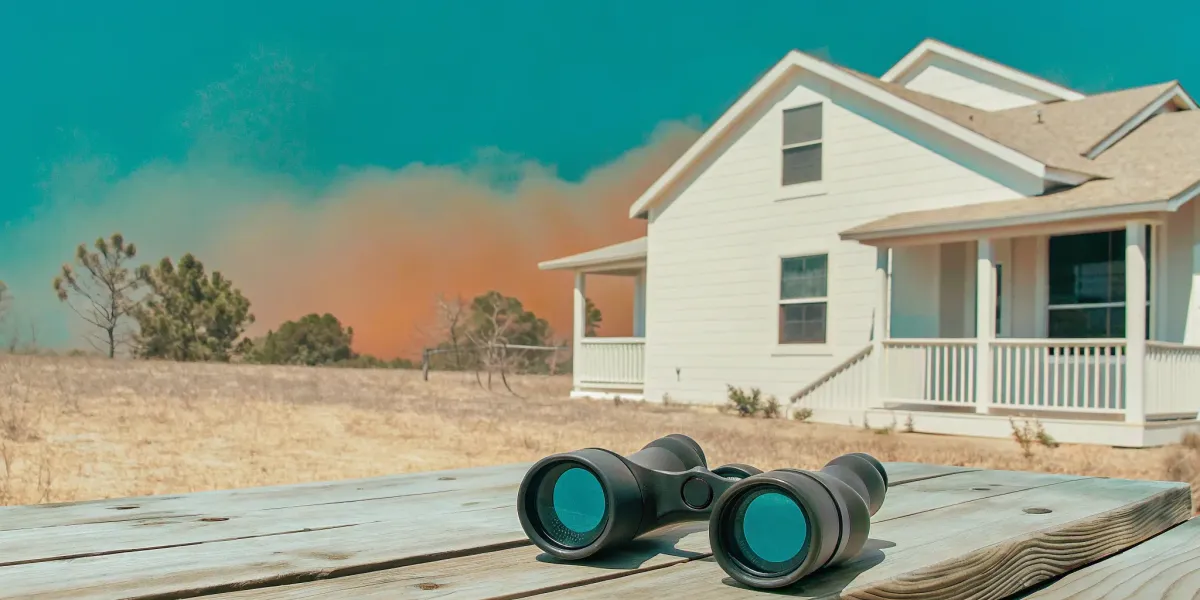
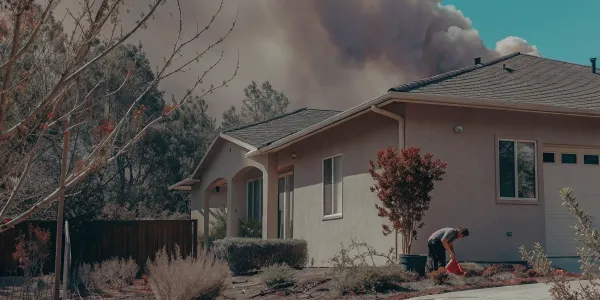
When you picture a home lost to wildfire, you probably see a massive wall of flames. The reality is far less dramatic and much more preventable. Research shows that up to 90% of homes are destroyed not by the main fire, but by tiny, wind-blown embers that can travel a mile or more. These embers are opportunistic—they find weak spots like a gutter full of dry leaves or an unscreened vent. A property wildfire risk evaluation is your secret weapon against this threat. It teaches you to see your home through the eyes of an ember, identifying the small, often easy-to-fix vulnerabilities that pose the biggest danger. This guide will walk you through the key factors that define your home’s real risk, helping you focus on the changes that truly matter.
Pay Less for Home Insurance
and Avoid Non-Renewal?
Our partner, Five Bays Insurance Agency, offers a free policy checkup that spots hidden discounts to make sure you’re not paying more than you should.
Key Takeaways
- Embers Are the Real Enemy: Don't fixate on a wall of flames; the vast majority of homes burn because of small, wind-blown embers. Your best defense is to deny them fuel by sealing entry points and clearing flammable materials near your house.
- Create a Defensible Buffer: The area immediately around your home is your most important line of defense. Focus on creating a non-combustible zone within the first five feet of your foundation and thinning vegetation in the surrounding 100 feet.
- Make Your Home a Better Bet for Insurers: A risk assessment gives you a clear to-do list that insurers understand. Document every upgrade and maintenance task to build a strong case for keeping your coverage or earning available discounts.
What Is a Wildfire Risk Assessment?
Think of a wildfire risk assessment as a check-up for your home’s safety. It’s a systematic evaluation of your property that identifies potential fire hazards and vulnerabilities, then gives you actionable ways to make your home safer. For anyone living in a wildfire-prone area, this isn't just a good idea—it's a critical step toward understanding the specific risks you face.
Instead of guessing where your weak spots are, an assessment gives you a clear, prioritized roadmap. It looks at everything from the type of siding on your house to the trees in your yard. The goal isn't to scare you; it's to empower you. By knowing exactly where the dangers lie, you can make smart, targeted improvements that genuinely protect your home and family. This process is the foundation of any effective wildfire action plan, turning vague anxiety into a concrete to-do list. It’s the first step in taking control of your property’s defense against wildfire.
Why your wildfire risk score matters
Your wildfire risk score is more than just a number; it’s a clear, simple measure of your home's vulnerability. Many risk models, like the widely used Fire Factor™ score, rate properties on a scale to show whether their risk is minor, moderate, or severe. This score gives you an immediate sense of where you stand.
Knowing this score helps you make informed decisions. A high-risk score can pinpoint the urgent need for home hardening or creating defensible space. For many families, a home is their single largest investment. Understanding its specific vulnerability allows you to prioritize your time and money on the improvements that will have the biggest impact, safeguarding your financial future and giving you peace of mind.
The real cost of not knowing your risk
Ignoring your wildfire risk doesn't make it go away—it just leaves you unprepared for the most likely threat. The biggest misconception about wildfires is that a massive wall of flame destroys homes. The reality is far different. Research shows that in up to 90% of cases, homes are lost to wind-blown embers, not the main fire front.
These small, burning embers can travel a mile or more ahead of the fire, landing in gutters full of dry leaves, on flammable doormats, or under wooden decks. Most homes are lost because these embers find something easy to ignite. The real cost of not knowing your risk is missing the chance to fix these simple vulnerabilities. Taking quick, often inexpensive actions—like cleaning your gutters or moving a woodpile away from the house—can dramatically improve your home’s chances of survival.
Key Factors That Define Your Home's Wildfire Risk
Understanding your home's wildfire risk isn't about a single score or a simple yes-or-no answer. It’s a combination of several interconnected factors, from your home's location on a map to the type of mulch in your garden bed. Some of these elements, like the weather, are out of your hands. But many others are within your control. By breaking down what truly puts a property at risk, you can move from feeling overwhelmed to taking targeted, effective action. Knowing these key factors is the first step toward protecting your home, your family, and your financial stability in an increasingly challenging insurance market.
Your property's location and terrain
Where your home is situated plays a massive role in its risk profile. If you live in or near the Wildland-Urban Interface (WUI)—the area where homes and wildlands meet or mix—your risk is naturally higher. But it’s more nuanced than that. The specific terrain can either help or hurt you. For instance, fire spreads much faster uphill, so a home located on a steep slope or in a canyon is more vulnerable than one on flat ground. Wind patterns can also be channeled by local topography, creating corridors for fire and embers. It’s important to understand that you don’t have to be deep in a forest to be at risk; many homes lost in major fires are in neighborhoods right next to, but not technically inside, designated wildland areas.
Nearby vegetation and fuel
When fire experts talk about "fuel," they mean anything that can burn. This includes the obvious culprits like trees and dry brush, but also things you might not think about, like a woodpile stacked against your house, a wicker patio set, or even a dry doormat. The type, amount, and arrangement of vegetation around your home create your property’s fuel load. It’s a common misconception that a massive wall of flame is what destroys most homes. In reality, most homes are destroyed during a wildfire by small, wind-blown embers landing on something flammable. These embers can travel a mile or more ahead of the fire itself, finding weak spots and easy fuel sources. Managing the vegetation in your yard is one of the most powerful actions you can take.
Local weather and climate patterns
Weather is the wild card in wildfire risk. You can’t control it, but you can understand how it affects your home. High winds, low humidity, and high temperatures create the perfect conditions for a wildfire to start and spread rapidly. In California, seasonal patterns like the Santa Ana or Diablo winds are notorious for fanning flames and carrying embers over long distances. In fact, research shows that up to 90 percent of homes burned in wildfires are ignited by these embers, not by the main fire front. Staying aware of local weather forecasts, especially Red Flag Warnings, helps you know when to be on high alert and ensure your property is as prepared as possible for dangerous conditions.
Your home's construction and materials
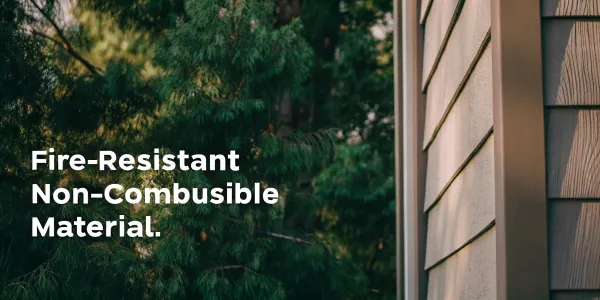
The materials your home is made of determine how well it can resist ignition from embers. This concept is known as "home hardening." Your roof is the most vulnerable surface, so having a Class A fire-rated roof made of materials like asphalt shingles, metal, or tile is critical. Other key areas include siding (stucco and fiber cement are better than wood), windows (dual-pane tempered glass resists breaking from heat), and vents. Attic and foundation vents are open doors for embers, so they must be covered with fine metal mesh (1/8-inch screen). While things like sprinkler systems can help, they are secondary to making the structure itself more fire-resistant. A hardened home is your best defense against a shower of embers.
Understanding the Home Ignition Zone
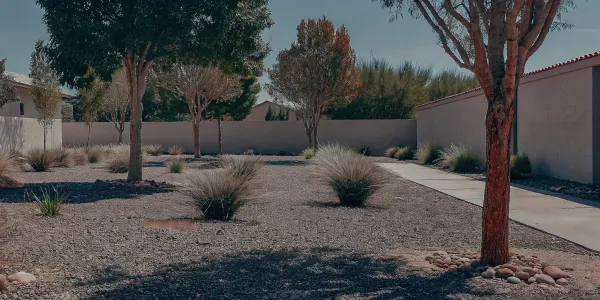
The Home Ignition Zone (HIZ) is the most important concept for any homeowner in a fire-prone area. It includes your house and the surrounding 100 feet of property, and it’s the area where you have the most control. Experts break the HIZ into three distinct areas. The Immediate Zone (0-5 feet from the house) is the most critical; it should be completely free of flammable materials. The Intermediate Zone (5-30 feet) is for "lean, clean, and green" landscaping with carefully spaced plants. The Extended Zone (30-100 feet) focuses on thinning vegetation to slow a fire's approach. Giving proper attention to these vulnerable areas dramatically decreases your home’s risk. You can start building your own mitigation checklist with a personalized Wildfire Action Plan.
How to Evaluate Your Property's Wildfire Risk
Understanding your home's specific wildfire risk is the first, most critical step you can take. It’s not about creating anxiety; it’s about gaining clarity. When you know exactly where your vulnerabilities are, you can create a targeted plan to protect your property, your family, and your financial future. A risk assessment gives you a roadmap, showing you what to fix first and what actions will make the biggest difference to both your safety and your insurability.
Think of it this way: you can’t solve a problem you don’t fully understand. Is your risk coming from the overgrown vegetation on a nearby slope, the wood shake roof over your head, or the pine needles piling up in your gutters? Each problem has a different solution. By evaluating your risk, you move from a place of worry to a position of control. The following methods will help you build a complete picture of your property’s unique risk profile, combining high-level data with on-the-ground realities. From there, you can build a Wildfire Action Plan that truly works.
Use professional risk assessment tools
Sometimes, the best way to get a clear picture is to call in an expert. A professional wildfire risk assessment is like a home inspection specifically for fire danger. A certified assessor will walk your property and analyze everything from your building materials and the slope of your land to the types of plants in your garden. They can identify vulnerabilities you might overlook and provide a detailed, prioritized report with recommendations.
This professional evaluation can be incredibly valuable when talking to your insurance provider. It shows you’re proactive and provides third-party validation of your home’s risk level and the mitigation work you’ve done. Your local fire department or state forestry agency can often point you toward qualified professionals or share resources to help you get started.
Check government wildfire maps
State and federal agencies provide public maps that show general wildfire risk across different regions. For California homeowners, CAL FIRE’s Fire Hazard Severity Zone maps are an essential resource. These maps categorize land into zones based on factors like fuel, terrain, and fire history, giving you a broad sense of the risk in your neighborhood.
These maps are a great starting point for understanding your area’s baseline risk. However, they don’t tell the whole story. A map might place your entire neighborhood in a “Very High” risk zone, but it won’t know that you’ve installed a Class A fire-rated roof and cleared 100 feet of defensible space. Use these maps to understand the bigger picture, then zoom in on your specific property to get the details right.
Conduct a DIY home evaluation
You can learn a lot about your home’s wildfire risk with a simple walk-around. The goal is to see your home through the eyes of a wildfire, looking for weak spots where a stray ember could cause trouble. Start with the big picture: What is your roof made of? Are your gutters clean? Are your vents covered with a fine metal mesh (1/8-inch or smaller)?
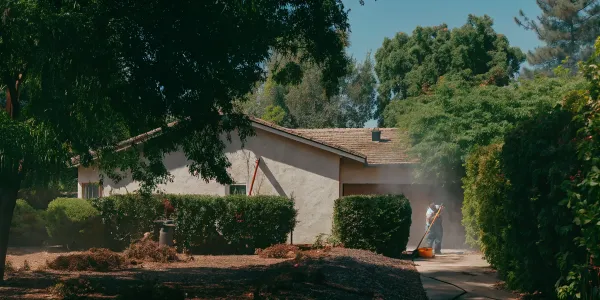
Next, look closer at the area immediately surrounding your home—what experts call the Home Ignition Zone. Pay special attention to the first five feet around your foundation. Is there anything flammable here, like a woodpile, dry mulch, dead plants, or outdoor furniture with combustible cushions? Taking an hour to conduct a home wildfire risk assessment can give you a concrete to-do list of simple fixes that make a huge impact.
How to read wildfire risk ratings
When you get a risk rating, it’s easy to imagine a massive wall of flames. But that’s not how most homes are lost. Research shows that the vast majority of homes destroyed in wildfires are ignited by embers—small, wind-driven pieces of burning debris that can travel a mile or more ahead of the fire itself. These embers are the real threat.
Understanding this changes everything. A "high-risk" rating isn't just about your proximity to a forest; it's about how vulnerable your home is to these flying embers. An ember’s goal is to find something easy to ignite. This could be a pile of dry leaves in your gutter, an open eave, or a wicker chair on your wooden deck. When you debunk wildfire myths, you realize that your home’s specific construction and maintenance are just as important as its location.
Common (and Costly) Wildfire Risk Myths
When it comes to wildfire, what you don’t know can hurt you. Misinformation spreads as fast as embers on a windy day, leading homeowners to focus on the wrong things or, worse, do nothing at all. Believing these common myths can lead to a false sense of security and costly mistakes, both in how you prepare your home and how you approach your insurance. Let’s clear the smoke and get straight to the facts.
Myth: Flames destroy homes, not embers
It’s easy to picture a giant wall of flames as the primary threat, but the reality is much smaller and sneakier. The real culprits are embers—tiny, glowing pieces of burning wood and vegetation that can travel a mile or more ahead of the fire itself. Research shows that a staggering 90 percent of homes burned in a wildfire are ignited by these wind-blown embers. They land in gutters filled with dry leaves, get sucked into attic vents, or find their way under decks and into woodpiles. This is why home hardening, which focuses on sealing these small entry points, is one of the most effective actions you can take.
Myth: I'm safe if I'm not in the forest
Thinking "I don’t live near the forest so my home is not at risk" is a dangerous assumption. Wildfires are not just a problem for remote cabins in the woods. Embers can travel long distances, threatening suburban and rural neighborhoods that may seem far from the fire front. A fire can easily jump highways and rivers to find new fuel sources—including homes. If your property is near any kind of open space with flammable vegetation, like grasslands or even a neighbor’s overgrown yard, you have a wildfire risk that needs to be managed. Your home’s immediate surroundings, the Home Ignition Zone, are what matter most.
Myth: My insurance will cover everything
Many homeowners believe that if the worst happens, their insurance policy is a safety net that will restore everything to the way it was. But the idea that "insurance will build me a new home" without issue is often not the case. Standard policies have coverage limits that may not be enough to cover a complete rebuild, especially with today’s construction costs. You could find yourself underinsured, facing a massive financial gap. Furthermore, in high-risk areas, getting a policy renewed at all is becoming the biggest challenge. Proactive mitigation is your best tool for staying insured and ensuring your coverage is adequate.
Myth: Sprinklers are a guaranteed fix
Exterior sprinkler systems might seem like a high-tech solution, but they shouldn’t be your first or only line of defense. While these systems can be valuable, they are secondary to fundamental structural improvements. Creating a 5-foot non-combustible zone around your home’s foundation and ensuring your siding, roof, and vents are ember-resistant are far more critical. Sprinklers can fail due to power outages or drops in water pressure—common occurrences during a major wildfire. Focusing on passive, built-in protections through home hardening creates a more reliable defense that doesn’t depend on electricity or water to function when you need it most.
How to Lower Your Wildfire Risk (and Improve Insurability)
Understanding your property’s wildfire risk is the first step. The next, and most important, is taking action. The good news is that you have significant control over your home’s ability to survive a wildfire. By focusing on proven mitigation strategies, you not only protect your property and your family, but you also make your home a much better risk in the eyes of an insurance carrier. Documenting your efforts can be the key to keeping your coverage or finding a new policy in a tough market. The following steps are the most effective ways to reduce your risk and demonstrate your commitment to wildfire safety.
Create effective defensible space
Defensible space is the buffer you create between your home and the surrounding grass, trees, and wildland. This area is essential for slowing or stopping the spread of wildfire and protecting your home from direct flame contact. It also gives firefighters a safe area to work in if they need to defend your home. Most homes aren't destroyed by a massive wall of flame, but by small, wind-blown embers. As experts from Living With Fire note, "Most homes are destroyed during wildfire by burning embers landing on, in or near the house on something easy to ignite." Creating and maintaining defensible space is your best defense against this threat, as it removes the fuel that embers need to start a fire near your home.
Harden your home with fire-resistant materials
Home hardening involves using building materials and construction techniques that make your home more resistant to heat, flames, and embers. While things like exterior sprinkler systems can help, they are secondary to making smart structural choices. The most critical upgrades include installing a Class A fire-rated roof, covering attic and foundation vents with 1/8-inch metal mesh, and ensuring windows are dual-paned. Creating a non-combustible zone of at least five feet around the base of your home with materials like gravel or concrete is also a powerful step. These improvements create a protective shell that can prevent embers from finding a way inside your home, which is often the starting point for a structure fire.
Manage your landscaping and vegetation
Your yard can either be fuel for a fire or a barrier against it. Simple, consistent maintenance makes a huge difference in your home’s resilience. As fire safety officials point out, "There are many quick, inexpensive, and easy actions homeowners can take to dramatically improve their home’s wildfire resiliency like cleaning debris from the gutters and moving firewood." Start by regularly cleaning leaves and needles from your roof and gutters. Move woodpiles and other flammable materials at least 30 feet away from your house. When choosing plants, opt for high-moisture, fire-resistant varieties and avoid planting them directly against the house. These small steps remove flammable "ladder fuels" that can carry fire from the ground to your roof.
Build your emergency evacuation plan
Protecting your property is important, but ensuring your family’s safety is paramount. A well-rehearsed evacuation plan is a non-negotiable part of wildfire preparedness. This plan should include multiple escape routes from your neighborhood, a designated meeting place, and a communication strategy in case you get separated. It’s also critical to have a "go bag" for each family member packed with essentials. Finally, your plan should include a financial safety net. Take the time to review your homeowner's insurance policy to confirm you have enough coverage to rebuild if the worst happens. A comprehensive Wildfire Action Plan brings all these pieces together, giving you a clear, step-by-step guide to follow when every second counts.
How a Risk Assessment Can Save Your Home Insurance
A detailed wildfire risk assessment does more than just tell you how vulnerable your home is—it gives you a roadmap for keeping it insured. In a chaotic insurance market, a clear, documented plan shows carriers that you are a proactive partner in reducing risk. It transforms you from a liability on paper into a responsible homeowner who is actively protecting their property. This shift is critical for negotiating with insurers, finding affordable coverage, and avoiding a non-renewal letter. Think of your risk assessment as the foundation of your insurance strategy; it’s the proof you need to demonstrate that your home is a manageable risk, not an inevitable loss.
Meet insurer requirements and earn discounts
Insurance companies are focused on one thing: reducing the likelihood of a total loss. A wildfire risk assessment helps you identify the exact vulnerabilities they care about most. Embers are the primary threat, and they exploit weak points like debris-filled gutters, flammable materials near the foundation, and vulnerable vents. Paying proper attention to these easily-ignited areas of the home helps to decrease your property’s risk of being destroyed. By addressing these specific issues, you’re not just making your home safer—you’re speaking your insurer’s language. Many carriers now offer discounts for specific mitigation efforts, and a formal assessment gives you a checklist of the most impactful upgrades that can lead to lower premiums.
How to stay insurable in a high-risk zone
Living in a high-risk area doesn’t have to mean losing your insurance. The key is to prove your home is more resilient than others around it. Insurers want to see structural improvements that create a buffer against wildfire. This includes creating a five-foot non-combustible zone around your home’s perimeter using materials like gravel or concrete and maintaining an ember-resistant exterior with fire-rated siding and covered eaves. While things like sprinkler systems can be helpful, insurers often prioritize these fundamental hardening measures because they don’t rely on mechanical systems that can fail. A risk assessment pinpoints where your home’s structure is most vulnerable, allowing you to invest in the upgrades that make the biggest difference to your insurability.
Document your mitigation efforts for your insurer
If you’ve done the work to protect your home, you need to prove it. Don’t assume your insurance agent or inspector will notice every improvement. Documenting your efforts provides concrete evidence that you have actively reduced your property’s wildfire risk. This includes both big projects and small maintenance tasks. There are many quick and inexpensive actions you can take, like cleaning debris from gutters, moving firewood piles away from the house, and trimming back overgrown shrubs. Keep a detailed record of everything you do. Take before-and-after photos, save receipts for fire-resistant materials, and log dates of completion. Using a tool like the Wildfire Action Plan can help you organize this information into a professional report to share with your insurer.
Related Articles
- Wildfire Risk Insurance: A Complete Guide
- 5 Best Home Vulnerability Assessment Tools of 2025
- How to Assess Your Home's Wildfire Vulnerability
Pay Less for Home Insurance
and Avoid Non-Renewal?
Our partner, Five Bays Insurance Agency, offers a free policy checkup that spots hidden discounts to make sure you’re not paying more than you should.
Frequently Asked Questions
What’s the difference between “home hardening” and “defensible space”? Think of it this way: home hardening is about your house itself, while defensible space is about the area around it. Home hardening involves strengthening your home’s structure with fire-resistant materials, like installing a Class A roof or covering vents with metal mesh to block embers. Defensible space is the managed buffer zone you create in your yard, extending up to 100 feet, by clearing away flammable vegetation to slow a fire’s approach. Both are critical, but they address different parts of your property’s defense system.
Will making these improvements guarantee I can keep my insurance? While there are no absolute guarantees in today's challenging insurance market, taking these steps significantly improves your position. Proactively hardening your home and creating defensible space demonstrates to insurers that you are a lower-risk client. It shows you are actively working to protect your property, which can be a deciding factor in a renewal decision or when you're applying for a new policy. Documenting your work is key to making your case.
I feel overwhelmed. What's the one thing I should do first? Start with the area right next to your house. Walk the perimeter and create a five-foot "ember-free" zone around your entire foundation. This is the most critical area for stopping embers from igniting your home. Remove all flammable items from this zone—this includes mulch, dead leaves, firewood, and even flammable doormats. It’s a simple, often no-cost action that has a massive impact on your home’s safety.
My house was built decades ago. Is it too expensive or difficult to harden an older home? Not at all. While a full retrofit can be an investment, you don't have to do everything at once. Many of the most effective home hardening tasks are manageable and affordable. Start with the basics, like covering all vents with 1/8-inch metal mesh and consistently cleaning your gutters and roof. These smaller projects make a huge difference in preventing ember intrusion and can be tackled over time as your budget allows.
How do I prove to my insurer that I've lowered my home's risk? Documentation is your best friend. Keep a detailed record of every mitigation project you complete, big or small. Take before-and-after photos of your work, save receipts for any fire-resistant materials you purchase, and keep a log of when you completed each task. You can then compile this information into a clear report to share with your insurance agent, providing them with concrete proof of the steps you’ve taken to make your home more resilient.