How to Prepare for Wildfire Season in Northern CA
Learn how to prepare for wildfire season in Northern California with practical steps for home hardening, defensible space, evacuation, and insurance planning.
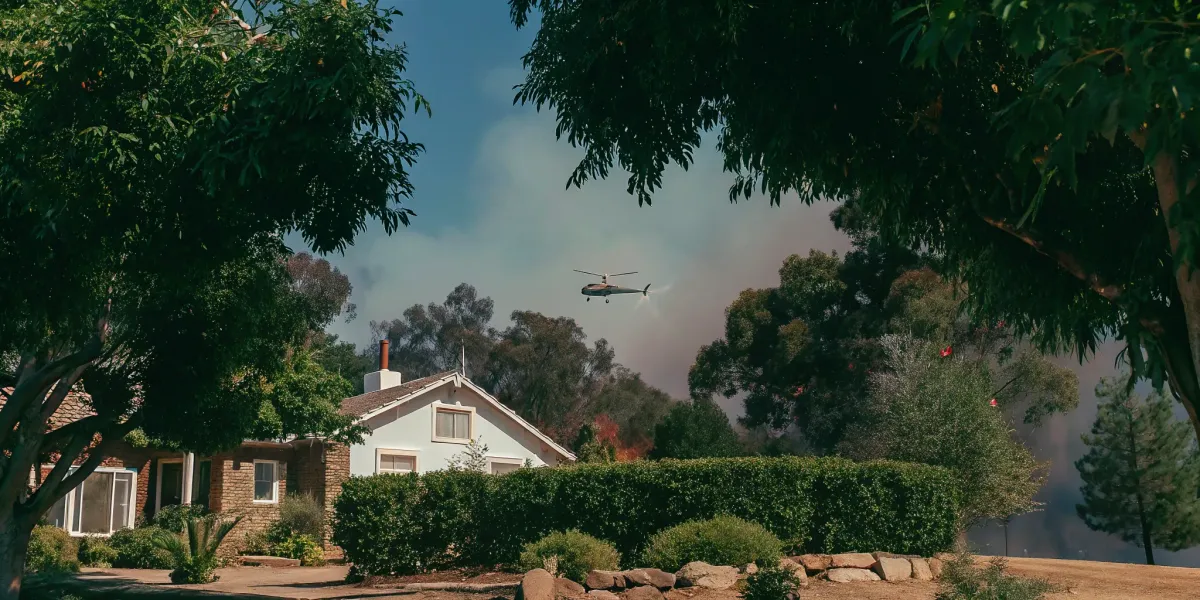
Most homes aren't destroyed by a giant wall of flame. They’re lost to a blizzard of tiny, wind-driven embers that can travel a mile or more ahead of the fire, landing in gutters, under decks, and in vents. Understanding this single fact changes everything about how you protect your property. It means your focus should be on the small vulnerabilities that give these embers an entry point. This guide is based on fire science, not fear. We will show you how to systematically eliminate those weak points through home hardening and smart defensible space. Let’s get started on how to prepare for wildfire season in Northern California by focusing on what truly matters.
Pay Less for Home Insurance
and Avoid Non-Renewal?
Our partner, Five Bays Insurance Agency, offers a free policy checkup that spots hidden discounts to make sure you’re not paying more than you should.
Key Takeaways
- Focus on Embers, Not Just Flames: The primary threat to most homes is a storm of wind-driven embers, not a wall of fire. Prioritize hardening your home's most vulnerable points—your roof, vents, and the immediate 5-foot non-combustible zone around your foundation—to stop ignition before it starts.
- Turn Your Plan into a Reflex: When an evacuation order is issued, you won't have time to think. A well-rehearsed evacuation plan, pre-packed emergency kits, and established communication channels transform a chaotic scramble into a calm, orderly departure for your family and pets.
- Make Your Mitigation Work for You: The steps you take to protect your home are your strongest argument for keeping your insurance. Meticulously document every upgrade and defensible space action to prove your risk reduction and secure the discounts you've earned.
How to Understand Your Wildfire Risk in Northern California
Before you can protect your home and family, you need a clear picture of your specific wildfire risk. It’s not just about living in a designated high-risk zone; it’s about understanding the unique combination of factors that shape the threat to your property. Knowing your regional, local, and daily risks is the first step toward creating an effective preparedness strategy. Once you have this foundation, you can build a targeted strategy by creating your own Wildfire Action Plan.
Assess Regional and County Risks
Your wildfire risk starts at the county level. Some areas in Northern California face a much higher threat than others due to their geography, climate, and history. For example, as the Wildfire Task Force notes, "Trinity County is one of the highest fire risk counties in the state, and every community in the county has been evacuated at least once in the last five years." Look into your county’s fire history and emergency protocols. Does your community have a history of frequent evacuations? Understanding the broader context of where you live helps you grasp the seriousness of the threat and the importance of being prepared long before a fire ever starts.
Identify Local Vegetation and Fire Patterns
The landscape immediately surrounding your home plays a huge role in your risk profile. The type and density of vegetation—grasses, shrubs, and trees—act as fuel for a fire. It’s a mistake to assume that an area is safe just because it hasn't burned before. In fact, experts warn that "regions with no prior loss are now also at risk." Factors like prolonged drought can turn a greenbelt into a tinderbox. Pay close attention to the vegetation on and around your property. Are you surrounded by dense forests or dry grasslands? Is your home located on a slope, which can cause fire to spread faster? Answering these questions will help you prioritize home hardening and defensible space efforts.
Monitor Climate and Wind Conditions
Wildfire risk is dynamic and changes daily. As local meteorologists point out, "there are many factors that go into predicting the day-to-day threat of fire here in northern California, such as wind, humidity, and fuel moisture." Hot, dry, and windy days create the perfect conditions for a fire to ignite and spread rapidly. Pay close attention to Red Flag Warnings issued by the National Weather Service, which signal critical fire weather. In Northern California, strong offshore winds, often called Diablo winds, are particularly dangerous. Use a reliable tool to track daily fire conditions so you can stay alert when the threat is highest.
Create Defensible Space Around Your Home
Creating defensible space is one of the most effective actions you can take to protect your home from wildfire and is a key factor insurers look at when assessing your property’s risk. Think of it as a buffer zone you create between your home and the surrounding grass, trees, and wildland. This space is designed to slow or stop the spread of wildfire and protect your home from catching fire—either from direct flame contact or radiant heat. It also provides a safer area for firefighters to work. A well-maintained defensible space is a core part of any effective Wildfire Action Plan. The concept is broken down into three manageable zones, each with its own set of goals.
Zone 1: The Immediate Zone (0-5 feet)
This zone, extending five feet from your home’s foundation, is the most critical. Your goal here is to create a completely non-combustible area, as this is where flying embers often land and ignite homes. The National Fire Protection Association advises you to "move any flammable material away from wall exteriors – mulch, flammable plants, leaves and needles, firewood piles – anything that can burn." Swap out bark mulch for gravel or rock, remove flammable shrubs like juniper, and clear away any dead leaves from under your deck. Don’t store firewood, garbage cans, or outdoor furniture in this zone during fire season. This simple, clean perimeter can be the deciding factor in whether your home survives an ember storm.
Zone 2: The Intermediate Zone (5-30 feet)
The goal in this 25-foot band is to interrupt the fire’s path and keep flames small. According to CAL FIRE, you should "create a buffer by removing dead vegetation and keeping grass trimmed to a height of 3 inches or less." This means clearing out dead trees, fallen leaves, and dry brush. It’s also important to create space between trees and shrubs to prevent fire from climbing from the ground into the canopy. Prune tree limbs so the lowest branches are at least 6 to 10 feet from the ground. This landscaping strategy breaks up the continuous fuel that a wildfire needs to keep moving toward your home.
Zone 3: The Extended Zone (30-100+ feet)
In the area extending from 30 to at least 100 feet out (or to your property line), the objective is to reduce the energy and speed of an approaching wildfire. You don’t need to clear the land completely. Instead, the focus is on thinning out the vegetation. As CAL FIRE recommends, "this area should be managed to reduce the amount of fuel available for a fire. This includes thinning trees and shrubs to create space between them." Remove dead trees and shrubs, and ensure there is adequate horizontal and vertical spacing between remaining plants to prevent flames from jumping from treetop to treetop. This strategic thinning can significantly lower a fire’s intensity before it reaches your home.
Choose Fire-Resistant Landscaping
Your plant and material choices matter immensely when creating a fire-safe landscape. While no plant is truly "fireproof," many are considered fire-resistant because they have high moisture content and are less likely to ignite. CAL FIRE suggests you "use fire-resistant plants and landscaping materials to create a defensible space that can help slow the spread of fire." Opt for plants like lavender, sage, or succulents, which are less flammable than resinous plants like pine, fir, and eucalyptus. In your immediate zone, use hardscaping materials like gravel, pavers, or concrete instead of flammable mulches. These choices not only beautify your property but also build in a critical layer of defense.
Harden Your Home Against Wildfires
When a wildfire approaches, it’s not usually a giant wall of flame that destroys a home. The real threat comes from a shower of tiny, wind-driven embers that can travel a mile or more ahead of the fire. These embers get into small crevices and ignite vulnerable materials, burning your house from the inside out or from the roof down. "Home hardening" means making physical changes to your house to help it withstand embers and radiant heat.
Taking these steps is one of the most important things you can do to protect your property. It also sends a clear signal to insurance companies that you are actively managing your wildfire risk, which is critical for maintaining coverage in California. A hardened home is a more defensible and insurable home. You can track all of your home hardening efforts and create a report for your insurer with a Wildfire Action Plan.
Upgrade Your Roof, Gutters, and Vents
Your roof is your home's largest, most exposed surface, making it the most vulnerable to falling embers. If you have an old wood-shake roof, replacing it is the single most important home hardening project you can undertake. Choose Class A fire-rated roofing materials like composite shingles, metal, concrete, or clay tiles. While you’re at it, plug any gaps in the roof sheathing or tiles where embers could sneak in.
Gutters are another weak point. When filled with dry leaves and pine needles, they become a perfect fuse leading straight to your roofline. Keep your gutters clean throughout the year, and consider installing non-combustible gutter guards to prevent debris from building up. Finally, cover all attic, soffit, and foundation vents with 1/8-inch metal mesh to block embers from getting inside your home.
Secure Your Windows and Doors
The intense heat from a nearby fire can shatter single-pane windows, giving embers and flames an easy entry point. The best defense is installing dual-pane windows, with the exterior pane made of tempered glass. This creates a much stronger barrier against radiant heat. If replacing windows isn't an option, you can add fire-resistant shutters as a temporary measure during a wildfire event.
Check that all your doors, including the garage door, close tightly. Replace any worn-out weather stripping to seal gaps where embers could blow through. If you have a hollow-core door leading to the outside, replace it with a solid-core door made of wood or metal. The door between your garage and your house should also be solid and self-closing, as garages often contain flammable liquids and materials.
Modify Decks, Fences, and Exteriors
A wooden deck or fence attached to your house can act like a wick, carrying fire directly to your exterior walls. If possible, use non-combustible materials like composite decking or metal fencing, especially within the first five feet of your home. If you have a wooden fence connected to your house, replacing the section closest to the house with a metal gate can create a simple but effective firebreak.
Your home’s siding is another critical component. Materials like stucco, fiber cement, and brick are excellent at resisting fire. Wood and vinyl siding are far more vulnerable. You should also remove any flammable items stored directly against the house. Move firewood piles, wicker furniture, and flammable doormats at least 30 feet away from the structure to help prepare your home for wildfire.
Install Spark Arresters and Protect Chimneys
A chimney is a direct opening into your home, and it can be a pathway for embers. To protect it, install a spark arrester on top of each flue. This is a metal screen that prevents hot sparks from your fireplace from escaping and starting a fire outside, while also blocking embers from a wildfire from getting inside. In many areas, spark arresters are required by local fire codes.
Make sure the screen mesh is 1/2-inch or smaller to be effective. Beyond installing the right equipment, regular maintenance is key. Have your chimney professionally cleaned each year to remove creosote, a flammable byproduct of burning wood that can easily ignite if an ember finds its way inside. A clean and properly screened chimney is a much safer chimney.
Create Your Family's Wildfire Evacuation Plan
When an evacuation order is issued, you may only have minutes to leave. A well-rehearsed evacuation plan is one of the most critical parts of your wildfire preparation. It removes the guesswork and panic from a high-stress situation, ensuring everyone in your household knows exactly what to do, where to go, and how to connect. This isn't just a document; it's a set of actions that can make all the difference. Creating a Wildfire Action Plan ensures every detail is covered, from escape routes to emergency contacts.
Plan Multiple Escape Routes
Wildfires can move unpredictably, blocking roads and cutting off familiar paths. Relying on a single escape route is a dangerous gamble. Your plan must include at least two different ways out of your neighborhood and two ways out of your town. Drive these routes with your family so everyone becomes familiar with them. If you have young drivers, make sure they know the way without using GPS, as navigation apps may not have real-time road closure information. Map out these primary and secondary routes physically and store copies in your car and your emergency kit. Familiarity with these paths will build confidence and save precious time when it matters most.
Set Up Communication and Meeting Points
During an emergency, cell service can become overloaded or fail completely. Your family might not be together when an evacuation order comes. To address this, your plan needs a clear communication strategy. Designate an out-of-state friend or relative as a central point of contact; it's often easier to make long-distance calls than local ones. Also, establish two meeting points: one just outside your immediate neighborhood for sudden emergencies, and a second, safer location outside your town or region. As CAL FIRE advises, "Create a detailed plan that includes escape routes, emergency phone numbers, and safety steps. Make sure everyone in your family knows and understands this plan."
Run Practice Drills to Time Your Escape
A plan on paper is only a starting point. To be effective, it needs to be practiced. Running regular evacuation drills turns your plan into muscle memory, helping everyone react calmly and efficiently under pressure. Time how long it takes for everyone to gather their essentials, secure the house, and get into the car. This practice helps identify what you might forget or where you might lose time. CAL FIRE emphasizes this, stating, "Practice this plan regularly so everyone can leave quickly and safely." Treat it like a fire drill at school or work. Running through the motions, even just twice a year, can reveal weaknesses in your plan before you have to rely on it.
Make a Plan for Pets and Livestock
Your animals depend on you entirely for their safety. Your evacuation plan must include specific steps for them. For household pets, have carriers, leashes, and a go-kit with food, water, medication, and vaccination records ready. Research pet-friendly hotels or shelters outside your area in advance, as not all emergency shelters accept animals. For livestock, the challenge is greater. You'll need a plan for transport, including pre-arranged evacuation routes for trailers and a destination like a fairground or another farm. You must have a plan to evacuate them safely and have emergency supplies ready. Don't wait for an emergency to figure this out.
What to Pack in Your Emergency Supply Kit
When an evacuation order is issued, you may only have minutes to leave. Having a pre-packed emergency supply kit, or a “go-bag,” for each member of your family is one of the most critical steps you can take. This isn’t about panic; it’s about control. Knowing you have everything you need ready to go allows you to focus on getting your family to safety. Keep your kits in a cool, dry place that’s easy to grab on your way out, like a hall closet or your car’s trunk. Your Wildfire Action Plan can help you create a personalized checklist so nothing gets forgotten.
Your 72-Hour Survival Essentials
Your goal is to have enough supplies to be self-sufficient for at least 72 hours. This window gives emergency services time to manage the disaster and set up support systems. According to CAL FIRE’s preparedness guide, your kit should contain the basics for survival. Think about what you’d need if you had no access to power, water, or stores.
Your core essentials should include:
- Water: One gallon per person, per day.
- Food: Non-perishable items that don’t require cooking, like protein bars, canned goods, and dried fruit.
- First-aid kit: A well-stocked kit to handle minor injuries.
- Light: A flashlight or headlamp with extra batteries.
- Tools: A multi-tool can be invaluable for a range of small tasks.
Critical Documents and IDs
In the chaos of an evacuation, the last thing you want to worry about is grabbing your important papers. Losing them can make the recovery process incredibly difficult. Pack waterproof, portable containers with original documents or certified copies. It’s also a smart idea to have digital backups stored on a password-protected USB drive or a secure cloud service.
Be sure to include:
- Personal Identification: Driver’s licenses, passports, and birth certificates.
- Property Documents: Deeds, mortgage papers, and vehicle titles.
- Insurance Policies: Homeowners, auto, and life insurance information.
- Financial Records: Key bank account and credit card information.
- Medical Records: Important health information and contacts.
Medications and Medical Supplies
For anyone with chronic health conditions, this part of your kit is non-negotiable. You cannot count on being able to access a pharmacy during or immediately after a major wildfire event. Pack at least a one-week supply of all essential prescription medications. Keep a current list of all medications, including dosages and the prescribing doctor’s information. Don’t forget over-the-counter needs like pain relievers, allergy medicine, and antacids. If you rely on medical equipment like a glucose monitor, hearing aids with extra batteries, or an inhaler, make sure they are packed and ready to go. Check your kit every six months to rotate supplies and update prescriptions.
Emergency Supplies for Pets
Your pets are part of your family, and they depend on you entirely during an emergency. Their needs must be part of your evacuation plan. Prepare a separate go-bag for each animal with everything they’ll need for several days. If you have to evacuate to a shelter, remember that not all of them accept pets, so researching pet-friendly options ahead of time is crucial.
Your pet’s kit should contain:
- Food and Water: A 3-5 day supply of their regular food and fresh water.
- Leash and Carrier: A sturdy leash, harness, and a carrier labeled with your contact information.
- Medications and Records: Any necessary medications and copies of their vaccination records.
- Comfort Items: A favorite toy or blanket to help reduce their stress.
How to Stay Informed During Fire Season
When a wildfire threatens your community, access to timely and accurate information is your most critical tool. Official alerts can provide life-saving instructions on evacuation orders, safe routes, and shelter locations. In a fast-moving fire, conditions can change in minutes, and relying on rumors or outdated reports can be dangerous. Establishing your trusted information sources before an emergency happens ensures you can act quickly and decisively. It’s not just about knowing a fire is nearby; it’s about understanding its behavior, direction, and the official response. This knowledge allows you to follow your evacuation plan with confidence and helps first responders do their jobs safely and effectively.
Sign Up for County Emergency Alerts and Apps
Your county’s emergency alert system is the most direct line to official, life-saving information. These systems, often called reverse 911, send notifications about evacuation orders, shelter-in-place warnings, and other critical updates directly to your phone. It's essential to register every cell phone in your household to receive these alerts. Many counties also have their own dedicated emergency apps. A crucial tip: if you work or spend significant time in a different county, sign up for their alerts as well. You can find a comprehensive list of California county alert programs on the CalOES website to ensure you’re connected wherever you are.
Use Weather and Fire Tracking Tools
While official county alerts are your primary source for evacuation orders, other tools can provide valuable situational awareness. Apps like Watch Duty offer real-time mapping and updates on active fires, often sourced from radio scanners and official reports. These can help you visualize a fire’s location and spread. Similarly, the CAL FIRE incidents map provides official information on fire containment and size. However, it is critical to remember that these tools are supplements, not substitutes. Always prioritize and obey official emergency alerts from your county, as they are issued with public safety as the top priority and contain actionable instructions.
Get a NOAA Weather Radio for Backup Communication
Wildfires can easily knock out power lines and cell towers, cutting off your primary lines of communication when you need them most. A NOAA Weather Radio is an indispensable backup. These receivers broadcast weather and hazard information directly from the National Weather Service, operating 24/7. They don’t rely on internet or cellular service, making them a reliable lifeline during a widespread outage. Many models are battery-powered or have a hand crank. For those who are deaf, hard of hearing, or have low vision, specific models come equipped with strobe lights or pillow shakers to ensure alerts are never missed.
Follow Official Information Sources
During an active wildfire, misinformation can spread almost as fast as the flames. It’s vital to rely on verified, official sources for your information. Start by following the social media pages of your county sheriff’s office, your local fire department, and your county’s office of emergency services. These agencies post real-time updates on evacuations, road closures, and incident status. For statewide information, CAL FIRE is the authoritative source. Following these accounts before fire season begins will ensure your feed is populated with credible information when a crisis hits, helping you cut through the noise and focus on what matters.
Prepare Your Insurance for Wildfire Season
Navigating the home insurance market in California can feel overwhelming, especially when you live in a high-risk fire area. Insurers are looking closely at wildfire risk, which means non-renewals and rising premiums are becoming more common. The good news is that you can take concrete steps to make your home more insurable and potentially lower your costs. The home hardening and defensible space work you do isn't just for protection—it's a critical part of managing your insurance coverage.
Think of your insurance policy as a key part of your overall wildfire preparedness. Just like your evacuation plan or go-bag, it needs to be reviewed and updated regularly. By understanding your coverage, documenting your property, and knowing your options, you can face fire season with more confidence and financial security. Let's walk through the essential steps to get your insurance ready.
Review Your Policy and Assess Your Coverage
The first step is to pull out your current homeowners insurance policy and read it carefully. Don't just assume you're fully covered. Many homeowners discover they are underinsured only after a disaster, when it's too late. With construction and labor costs on the rise, the amount of coverage that was adequate five years ago might not be enough to rebuild your home today.
Check your policy for three key things: dwelling coverage (the cost to rebuild your house), personal property coverage (the cost to replace your belongings), and additional living expenses (ALE), which covers temporary housing if you're displaced. Call your agent and ask them to walk you through your coverage limits. Be direct: "If my home burned down tomorrow, would this policy be enough to rebuild it and replace my things?" This conversation is crucial for ensuring your financial safety net is strong enough.
Create a Home Inventory with Photos or Video
If you had to make a list of every single item in your home from memory, could you do it? Probably not. That's why a home inventory is one of the most important things you can do to prepare for a potential insurance claim. A detailed inventory can significantly speed up the claims process and ensure you get reimbursed for everything you've lost.
The easiest way to do this is to walk through your home with your smartphone. Record a video of every room, narrating as you go. Open closets, cabinets, and drawers. For valuable items like electronics or appliances, zoom in on the brand and model number. Don't forget the garage, shed, and outdoor furniture. Once you're done, store the video securely in the cloud using a service like Google Drive or Dropbox so you can access it from anywhere.
Understand the FAIR Plan and Surplus Line Options
If you've received a non-renewal notice from your insurer, you are not alone. For homeowners in high-risk areas, finding coverage can be a challenge. It’s important to know your options. The California FAIR Plan is a state-mandated insurance pool that acts as a safety net for those who can't get a traditional policy. However, it's an insurer of last resort, not a replacement for a standard policy.
FAIR Plan policies typically only cover damage from fire and smoke. They often exclude liability, theft, and water damage, meaning you'll need to buy a separate "difference in conditions" policy to fill those gaps. Another option is the surplus line market, which involves non-admitted carriers who can take on risks that standard insurers won't. These policies are often more expensive and less regulated. Understanding these alternatives will help you make an informed decision if you find yourself without standard coverage.
Find and Qualify for Mitigation Discounts
All the work you do to harden your home and create defensible space can pay off with lower insurance premiums. California requires insurers to offer discounts for homeowners who take specific wildfire mitigation actions. These actions directly reduce your property's risk, making you a more attractive customer to insurance companies.
Make a list of all the upgrades you've completed—from installing ember-resistant vents and Class A roofing to clearing vegetation in all three defensible space zones. Call your insurance agent and ask specifically about their wildfire mitigation discounts. Some insurers even offer credits for participating in a Firewise USA® community program. Documenting your efforts in your Wildfire Action Plan can help you present a clear case to your insurer and ensure you receive every discount you qualify for.
Avoid These Common Wildfire Preparation Mistakes
Knowing what to do is half the battle; knowing what not to do is the other. Even the most well-intentioned homeowners can make critical errors that put their families and properties at greater risk. By understanding these common missteps, you can refine your strategy and ensure your efforts truly count when it matters most. Here are the most frequent mistakes we see and how you can avoid them.
Waiting Until Fire Season Starts
The single biggest mistake is procrastination. Wildfire season is no longer just a few months in the summer; it’s a year-round reality in much of California. To effectively protect your home, you need to prepare well before a threat is imminent. Major projects like installing a Class A roof or creating defensible space take time, planning, and often professional help. Don't wait until you see smoke on the horizon. The work you do during the cooler, wetter months is what will protect your property when a wildfire strikes. Start today, because waiting until it's too late is a gamble you can't afford to take.
Having an Untested Evacuation Plan
A plan is only as good as its execution. Simply writing down an evacuation route isn't enough. Does everyone in your household know where to go? What if you’re not all together when an order is issued? As CAL FIRE advises, "Make sure everyone in your family knows and understands this plan." Run practice drills, time your escape from different parts of the house, and confirm your meeting points. Talk through various scenarios and make sure your emergency kits are accessible. A practiced plan builds muscle memory, which is crucial for staying calm and acting decisively under extreme pressure.
Neglecting Year-Round Maintenance
Defensible space isn't a one-and-done project—it requires consistent upkeep. A clean, fire-resistant yard can quickly become a hazard after a few months of neglect. Embers can travel over a mile and easily ignite dry leaves in a gutter or a pile of pine needles against a wall. Make it a habit to regularly clear flammable materials from around your home’s immediate perimeter. This includes cleaning your roof and gutters, raking leaves, trimming overgrown vegetation, and moving firewood piles at least 30 feet away from your house. Consistent maintenance is your best defense against stray embers.
Work With Your Community on Fire Safety
Protecting your own home is a critical first step, but wildfire doesn’t stop at property lines. The most resilient communities are those where neighbors work together. When an entire neighborhood takes action, you create a collective defense that is far more effective than any single home’s efforts. Insurers are also taking notice of community-wide mitigation. Programs that certify neighborhoods for their collective fire safety work can sometimes make it easier to find and afford coverage.
Working with your community builds a powerful network of support. It ensures that information is shared quickly, that vulnerable neighbors are looked after, and that the overall risk is lowered for everyone. By coordinating on safety plans, communication, and mitigation projects, you can turn your neighborhood into a united front against wildfire threats. This collaborative approach not only enhances safety but also strengthens community bonds when they matter most.
Develop a Neighborhood Fire Safety Plan
A neighborhood fire safety plan ensures everyone is on the same page before a fire starts. This goes beyond your family’s personal plan to create a coordinated response for your entire block or community. Start by identifying shared escape routes and safe meeting points outside of the immediate area. It’s also vital to create a list of neighbors who might need extra assistance during an evacuation, such as older adults, families with infants, or those with mobility challenges.
Your plan should also establish clear communication methods. A neighborhood phone tree or a group chat can be a lifeline for sharing official alerts and checking on one another. By mapping out your strategy together, you can create a wildfire action plan that accounts for your community’s unique layout and needs, ensuring a faster, safer evacuation for everyone involved.
Share Evacuation Resources and Communication
During a wildfire, clear and timely information is your most valuable asset. A key part of community preparedness is making sure every household has access to official emergency alerts. You can organize a simple neighborhood meeting or start an email thread to help everyone sign up for your county’s alert program. Not everyone is comfortable with technology, so consider printing out local evacuation zone maps for those who might need them.
Sharing resources ensures no one is left in the dark. Make sure everyone knows where to find credible information from sources like Cal Fire and local authorities, rather than relying on social media rumors. Establishing this communication network ahead of time helps you stay informed and allows you to quickly confirm that your neighbors have received evacuation orders. You can find your county’s specific alert system through the CalOES website.
Participate in Community Mitigation Programs
A hardened home is safer, but it’s still vulnerable if it’s surrounded by unmanaged vegetation. Community mitigation programs allow neighbors to tackle these larger risks together. You can organize neighborhood clean-up days to clear flammable brush from common areas or help residents who are physically unable to create their own defensible space. These shared efforts significantly reduce the fuel a wildfire needs to spread.
For a more structured approach, look into becoming a Firewise USA® recognized community. This national program provides a framework for organizing your neighbors to reduce ignition risks. Achieving this status not only makes your community safer but can also be a powerful signal to insurance companies that your neighborhood is proactively managing its wildfire risk, which may help with coverage availability and discounts.
Related Articles
- Home Fire Defense Plan Northern California: A Guide
- 7 Fire Resistant Home Improvements for Northern California
- How to Do a Wildfire Home Assessment in NorCal
- 5 Best Home Vulnerability Assessment Tools of 2025
Pay Less for Home Insurance
and Avoid Non-Renewal?
Our partner, Five Bays Insurance Agency, offers a free policy checkup that spots hidden discounts to make sure you’re not paying more than you should.
Frequently Asked Questions
My budget is limited. Where should I start with home hardening and defensible space? Start with the most critical and often lowest-cost actions. Your first priority should be the immediate five-foot zone around your home's foundation. Clear out all flammable materials like bark mulch, dead leaves, and firewood. This simple step creates a non-combustible barrier that can stop embers from igniting your house. After that, focus on cleaning your gutters and roof of debris and covering vents with 1/8-inch metal mesh. These actions directly address the primary threat—wind-blown embers—and give you the most protection for your effort.
How can I prove to my insurance company that I've taken steps to reduce my wildfire risk? Documentation is your best tool. Take clear before-and-after photos of your defensible space work and any home hardening projects you complete, such as installing new vents or a Class A roof. Keep receipts for materials and professional services. You can compile all of this information into a single report using a tool like the Wildfire Action Plan. When you speak with your agent, be proactive and provide them with this organized proof of your mitigation efforts. This shows them you are serious about managing your risk, which can make a real difference when they assess your policy.
Is my home still at risk if I've done all this work but my neighbor hasn't? Yes, your risk is still higher than it would be otherwise, because wildfire doesn't respect property lines. A neighbor's unmanaged vegetation can provide fuel that increases a fire's intensity near your home. However, the defensible space and home hardening you've done still provide a powerful layer of protection and significantly increase your home's chances of survival. This situation highlights why community-wide efforts are so important. Consider starting a conversation with your neighbors about becoming a Firewise USA® community to tackle these shared risks together.
What's the difference between an evacuation warning and an evacuation order? Think of an evacuation warning as a "get set" signal. It means a wildfire is a potential threat to your area, and you should be prepared to leave at a moment's notice. This is the time to gather your go-bags, secure your pets, and make sure your car is ready. An evacuation order is the "go" signal. It means there is an immediate threat to life and safety, and you must leave the area right away. Do not wait when an order is issued; follow the instructions from emergency officials immediately.
How often do I need to maintain my defensible space and update my emergency plans? Wildfire preparedness is an ongoing process, not a one-time task. You should inspect and maintain your defensible space at least once a year, ideally in the spring before fire season really kicks off. This includes clearing new growth, raking fallen leaves, and cleaning your gutters. Review your family's evacuation plan and check your emergency supply kits every six months. This is a good time to rotate food and water, update medications, and refresh batteries to ensure everything is ready when you need it.