How to Make Your Siding More Fire Resistant
Learn how to make existing siding more fire resistant with practical upgrades, maintenance tips, and proven strategies to help protect your home from wildfire.
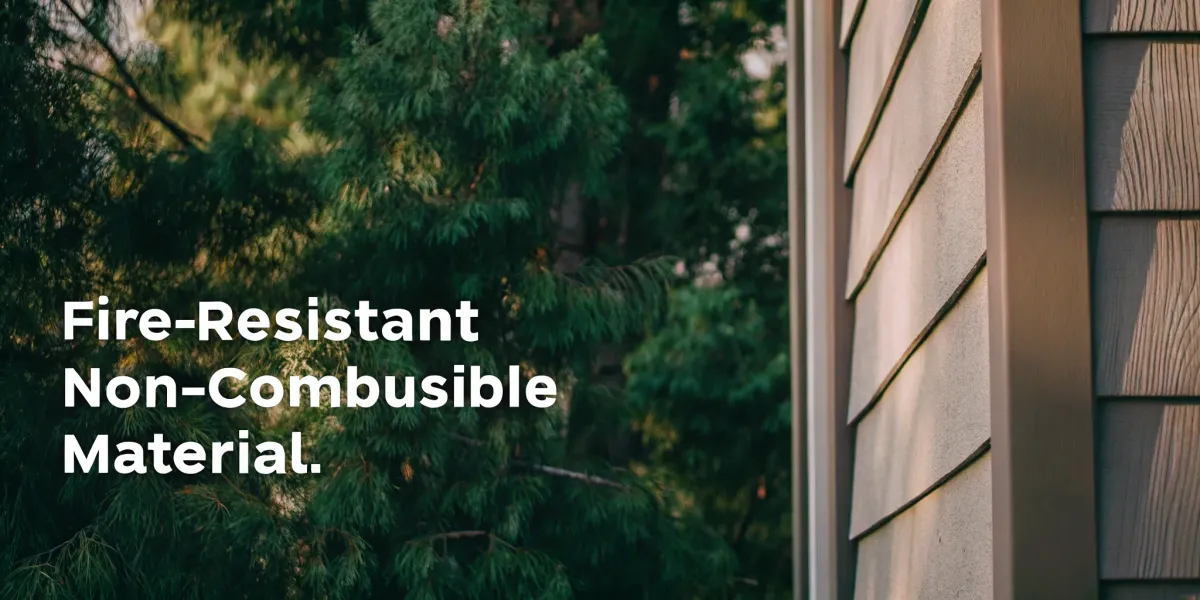
When it comes to protecting your home from wildfire, there's a common belief that you have to tear off your old siding and start over with expensive, non-combustible materials. While fiber cement and stucco are excellent choices, this all-or-nothing mindset can lead to inaction, leaving homes vulnerable. The truth is, you have more options than you think. A well-maintained home with strategic upgrades can be incredibly resilient. The crucial skill is learning how to make existing siding more fire resistant through targeted improvements. This article will show you how, covering everything from intumescent paints that swell to block heat, to the simple but vital act of sealing gaps where embers can intrude. These are the practical, affordable steps that make a real difference.
Pay Less for Home Insurance
and Avoid Non-Renewal?
Our partner, Five Bays Insurance Agency, offers a free policy checkup that spots hidden discounts to make sure you’re not paying more than you should.
Key Takeaways
- Prioritize Non-Combustible Siding: Your home's exterior is its first line of defense, so choose materials like fiber cement, stucco, or metal that won't ignite. Avoid vinyl and untreated wood, as they can fail quickly in a fire and expose your home's structure.
- Harden Your Home as a Complete System: Siding alone isn't enough. The most effective protection comes from creating a five-foot non-combustible zone around your foundation, sealing all exterior gaps to block embers, and installing fine metal mesh over vents.
- Document Upgrades for Insurance Savings: Fire-resistant improvements can lead to significant insurance discounts, but you need to provide proof. Keep detailed records of all Class A-rated materials and professional work, and remember that protective coatings require scheduled maintenance to remain effective.
What Siding Materials Are Most Fire-Resistant?
Your home’s siding is its first line of defense against wildfire. When embers fly, they land on your roof, in your gutters, and against the sides of your house. The material covering your exterior walls can mean the difference between a close call and a catastrophic loss. Choosing a fire-resistant siding is one of the most important home hardening decisions you can make, directly impacting your property’s ability to survive a wildfire and your ability to stay insured.
Not all siding materials are created equal. Some are inherently non-combustible, while others can actually fuel a fire, no matter how they’re treated. Understanding the performance of different materials under extreme heat is key to making a smart investment in your home’s safety. Let’s walk through the best options for fire-prone areas and the materials you should absolutely avoid.
The Strength of Fiber Cement
If you’re looking for a top performer in fire resistance, fiber cement siding is one of the best choices available. Made from a simple mixture of cement, sand, and cellulose fibers, this material is non-combustible. It won’t ignite when exposed to direct flame or radiant heat, and it won’t contribute fuel to a fire. This resilience gives your home precious time and protection during a wildfire event.
Beyond its safety profile, fiber cement is also incredibly versatile. It can be manufactured to mimic the appearance of traditional wood siding, shingles, or panels, so you don’t have to sacrifice curb appeal for protection. It’s a durable, low-maintenance option that gives homeowners peace of mind without compromising on style.
Exploring Metal Siding Options
Metal siding, including steel and aluminum, is another non-combustible option that can protect your home. Steel siding is particularly durable and holds up well against extreme heat, providing a strong barrier against flames and embers. However, it’s important to understand the limitations of different metals.
While aluminum is fire-resistant on its surface, it has a lower melting point than steel. In a high-intensity fire, aluminum siding can bend and buckle, potentially exposing the flammable wood sheathing underneath to the fire. For this reason, steel is often the preferred metal siding in areas with high wildfire risk. When properly installed, a quality metal siding system can be an excellent component of a hardened home.
The Durability of Stucco and Masonry
Materials like stucco, brick, and stone have been used for centuries for a reason: they are exceptionally durable and fire-resistant. Stucco is a cement-based plaster that is applied over a mesh lath, creating a seamless and solid exterior shell that is highly effective at resisting ignition from embers and flames. It’s a common sight in many parts of California and the Southwest because of its proven performance.
Similarly, brick and stone are classic, non-combustible materials that offer superior fire protection. A home with brick or stone veneer is extremely well-defended against radiant heat and direct flame contact. These masonry options are a long-term investment that provides not only top-tier fire resistance but also timeless appeal and minimal maintenance.
Why Wood and Vinyl Siding Are Vulnerable
On the other end of the spectrum are materials that perform poorly in a fire. Vinyl siding is essentially a form of plastic and is a particularly poor choice for wildfire-prone regions. It can melt and warp at relatively low temperatures, and once it ignites, it can release hazardous fumes. When vinyl siding fails, it quickly exposes your home’s underlying structure to the fire.
Wood siding, while popular for its natural look, is inherently combustible. Even wood treated with fire-retardant chemicals has significant limitations. Research from organizations like Fire Safe Marin has shown that once ignited, treated wood siding can still contribute to rapid vertical flame spread up the side of a house. For these reasons, both vinyl and wood siding are best avoided in any area with wildfire risk.
How to Assess Your Current Siding's Fire Risk
Before you can protect your home, you need to understand its current vulnerabilities. Your siding is one of the largest and most exposed surfaces, making it a critical line of defense against embers and flames. Assessing its condition and material type is the first practical step toward hardening your home. This isn’t about finding flaws to worry about; it’s about gathering the information you need to make smart, effective decisions. A careful inspection will tell you where your home is strong and where it needs support, giving you a clear path forward.
Identify Your Siding Material and Its Fire Rating
The first step is to know exactly what your home is made of. Siding materials fall into three basic categories: non-combustible (like brick or stucco), ignition-resistant (like fiber cement), and combustible (like most wood or vinyl). Don’t rely on vague marketing terms like "fire-resistant." You need to know the material’s official fire resistance rating, typically classified as Class A, B, or C. Class A offers the highest level of fire protection. This information is crucial for understanding your actual risk and is something your insurance company will want to know. If you’re unsure, check your home’s building records or consult a professional.
Inspect for Damage and Weak Spots
Once you know your siding material, walk the perimeter of your home and look for weak spots. Embers are opportunistic—they will find any small opening to ignite your home. Look for cracks, warping, peeling paint, or gaps where siding panels meet. The joints between siding pieces are often the most vulnerable points. Siding with simple overlaps can allow heat and flames to penetrate the wall assembly more easily. In contrast, siding with more complex, interlocking joints like tongue-and-groove or shiplap provides a much tighter seal against ember intrusion. Pay close attention to areas where siding meets your foundation, roof, windows, and doors.
Check Your Home's Underlying Structure
What’s behind your siding is just as important as the siding itself. The layer underneath, known as sheathing, can either add to your home’s defense or become a liability. For example, the fire resistance of vinyl siding depends almost entirely on the fire rating of the material installed behind it. If you have combustible siding, one of the most effective upgrades you can make is installing a layer of fire-retardant gypsum board underneath. This creates a critical barrier that can dramatically slow a fire’s progress, giving you and your home valuable time. This is a structural upgrade that makes a real difference in how your walls perform under heat.
Know When to Call a Professional
While a visual inspection is a great start, it’s easy to miss subtle issues or misidentify materials. If you’re uncertain about your siding’s condition or want a definitive assessment, it’s time to call a professional. A licensed contractor or a certified wildfire mitigation specialist can provide a thorough evaluation of your home’s exterior. They can identify your siding type, assess its condition, check the underlying structure, and give you a detailed report of your home’s vulnerabilities. This expert assessment gives you a reliable foundation for creating a home hardening strategy and provides the documentation you may need for insurance purposes.
Can You Make Existing Siding More Fire-Resistant?
If a full siding replacement isn’t in your budget right now, don’t worry—you still have options. You can significantly improve the fire resistance of your existing siding with specialized coatings and treatments. Think of it as adding a layer of armor to your home’s exterior. These products are designed to slow the spread of flames and reduce the chance of ignition from flying embers, giving your home a fighting chance during a wildfire.
Applying these treatments is a proactive step that can make a real difference, not just for your home’s safety but also for your peace of mind. It’s a practical way to harden your home without the cost and disruption of a major renovation. Let’s look at some of the most effective methods available.
Using Intumescent Paints to Add Protection
One of the most innovative ways to protect your siding is with intumescent paint. This isn’t your standard exterior paint. When exposed to high heat, intumescent paints swell up to create a thick, char-like barrier. This protective layer insulates the material underneath from the fire’s intense heat, slowing down combustion and preventing flames from spreading across the surface of your home.
Applying this paint can be a straightforward way to upgrade the fire resistance of wood, vinyl, or other combustible siding materials. Just be sure to follow the manufacturer’s application instructions carefully to ensure you get the full protective benefit. It’s a smart addition to any home hardening strategy.
Applying Treatments to Wood Siding
Wood siding is beautiful, but it’s also naturally combustible. Fortunately, you can apply fire-retardant treatments to make it far less vulnerable. These products typically come in two forms: pressure-impregnated treatments applied during manufacturing and topical sprays or penetrants that can be applied to existing wood. For your current home, a spray-applied, fire-resistant penetrant is your best bet.
These treatments work by chemically altering the wood to make it harder to ignite and slower to burn. Some companies offer specialized fire treatment options that can be applied to siding, trim, and even decking. It’s a targeted approach to reducing the risk for one of your home’s most exposed materials.
Exploring Sprays and Cementitious Coatings
Beyond paints and wood-specific treatments, you can also explore other fire-retardant sprays and coatings. Cementitious coatings, for example, apply a thin layer of a cement-like substance over your existing siding. This creates a hard, durable, and non-combustible surface that acts as a shield against embers and direct flames. It’s an effective way to add a masonry-like level of protection to other siding types.
There are also various liquid fire-retardant sprays on the market designed for exterior use. These can be applied to different materials to reduce their flammability. When choosing a product, always check that it’s rated for exterior use and is compatible with your specific siding material.
Understand Treatment Lifespans and Reapplication
Applying a fire-retardant coating is not a one-time fix. These treatments have a limited lifespan and will degrade over time due to sun, rain, and other weather exposure. The effective service life of most exterior coatings is measured in years, not decades. It’s critical to read the manufacturer’s specifications to understand how long the protection will last and what the reapplication schedule should be.
Think of it like reapplying sunscreen. Regular maintenance is essential to ensure the treatment remains effective. Factoring this upkeep into your long-term home maintenance is a key part of a sustainable Wildfire Action Plan that keeps your home protected year after year.
Structural Upgrades That Harden Your Home's Exterior
Making your home more resilient to wildfire involves more than just the surface material of your siding. The structure underneath plays a critical role in how your home stands up to extreme heat and flying embers. These structural upgrades create a stronger, more complete defense system. While some of these projects are best tackled during a major renovation or new construction, others are simple fixes you can implement right away. By reinforcing the layers of your home’s exterior, you can significantly reduce the chances of ignition.
Install Fire-Retardant Gypsum Board Backing
If you’re already planning to replace your siding, this is the perfect time to add another layer of defense. Installing fire-retardant gypsum board directly behind your new siding acts as a thermal barrier, slowing the transfer of heat to your home’s wooden frame. Think of it as an extra shield that buys you precious time during a wildfire. This material is specifically designed to resist fire for a longer period than standard drywall. While it’s a bigger undertaking than a simple paint job, incorporating this step into a planned siding project is a smart, effective way to harden your home against radiant heat and direct flame contact.
Upgrade to Fire-Resistant Sheathing
Sheathing is the layer of material, typically plywood or oriented strand board (OSB), that covers your home's frame and sits beneath the siding. Upgrading to fire-resistant sheathing provides foundational protection that is built directly into your walls. This often involves using wood that has been pressure-treated with fire-retardant chemicals, making it much more difficult to ignite. While this is a significant investment usually reserved for new builds or extensive remodels, it creates a robust, integrated defense. Some companies even offer fire-retardant treatments that can be applied to a range of exterior wood products, from sheathing to trim, ensuring comprehensive protection.
Seal Gaps and Openings Around Your Siding
Embers are a wildfire’s most dangerous weapon, and they can find their way into your home through the tiniest of openings. One of the most effective and affordable upgrades you can make is to meticulously seal all gaps in your home’s exterior. Walk around your property and inspect areas where pipes, vents, and electrical boxes enter the walls. Check the seams around windows and doors. Use a high-quality, fire-rated caulk to fill every crack and crevice. According to Fire Safe Marin, even combustible siding can offer protection against embers for a critical period when it is properly sealed, preventing them from reaching the flammable materials inside your walls.
Add Fire-Resistant Barriers and Mesh Vents
Vents are necessary for your home’s attic and foundation, but they also serve as open doors for wind-blown embers. To secure these vulnerable points, install 1/8-inch metal mesh screening over all vent openings. This simple fix allows air to flow freely while blocking dangerous embers from entering. For an added layer of protection, you can also install ember-resistant vents, which are designed with baffles that close automatically when exposed to high heat. Securing these small but critical entry points is a non-negotiable step in creating a truly fire-resistant exterior for your home.
How Your Landscaping Can Protect (or Endanger) Your Siding
Your siding is only one part of your home’s defense against wildfire. The real threat often comes from the fuel surrounding your house. Embers can travel more than a mile ahead of a fire, landing in dry leaves, flammable mulch, or overgrown shrubs right next to your walls. It’s this sustained, close-range heat that causes siding to melt, warp, or ignite.
The good news is that managing your landscaping is one of the most powerful and cost-effective ways to protect your home. As the National Interagency Fire Center notes, "Your home is more likely to be damaged by long-lasting heat or flames from burning plants or other buildings nearby, rather than the short burst of a wildfire's main flames." By creating a buffer and making smart choices about plants and materials, you can significantly reduce the chance of fire ever reaching your siding.
Create Your Defensible Space Zones
Defensible space isn’t about clearing your property to bare dirt. It’s a strategic approach to landscaping in zones to slow or stop the spread of wildfire. This buffer gives firefighters a chance to safely defend your home. The most critical area is the Immediate Zone, the first five feet around your foundation. This area should be completely free of flammable materials. The next zone, extending out to 30 feet, should be kept “lean, clean, and green,” with well-spaced, irrigated plants. Creating defensible space is a foundational step that insurers look for and that dramatically improves your home’s odds of survival.
Clear Away Flammable Plants and Debris
Regular yard maintenance is non-negotiable in a high-risk fire area. As Fire Safe Marin advises, "Focus on keeping your yard clear of flammable plants and debris." This means making debris removal a habit. Routinely clear dead leaves, pine needles, and twigs from your roof, gutters, and from under your deck. Prune dead branches from trees and shrubs. Pay close attention to flammable plants like juniper, cypress, and some ornamental grasses, especially if they are planted near your home. Consider replacing them with beautiful, fire-resistant native plants that are better suited to the climate and less likely to ignite from embers.
Choose the Right Mulch and Ground Cover
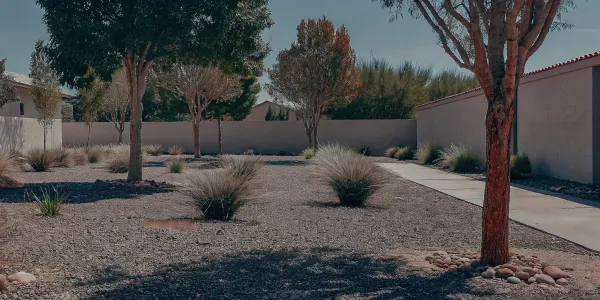
The mulch you place against your foundation can act like a fuse leading directly to your siding. Shredded bark, pine straw, and rubber mulch are highly combustible and should never be used within the first five feet of your home. Instead, create a non-flammable "fuel break" around your buildings. Use materials like gravel, pavers, or decomposed granite to create a clean, ember-resistant barrier. If you prefer the look of mulch further out in your yard, composted wood chips are a safer option as they hold more moisture and are less prone to ignition. This simple swap is a critical step in hardening your home’s immediate perimeter.
Maintain a Safe Clearance Around Your Home
Fire can climb. It moves from low-growing grasses to shrubs and then into tree canopies, a path that can bring flames right to your roof and siding. To break this chain, you need to create both vertical and horizontal space between vegetation. Trim tree branches so they are at least 10 feet away from your chimney and roofline. Remove all branches within six feet of the ground to prevent a surface fire from climbing into the treetops. Ensure shrubs aren't planted directly against your siding and keep them pruned to prevent them from forming a continuous, dense wall of fuel that could carry fire across your property.
Simple Maintenance to Keep Your Siding Fire-Resistant
Even the most fire-resistant siding needs regular attention to do its job. Think of it less like a permanent shield and more like a critical system that requires routine upkeep. Small maintenance tasks can make a huge difference in how your home performs when embers are flying. Neglecting them can create vulnerabilities that compromise your entire home hardening effort. By turning these simple checks into habits, you can ensure your siding provides the protection you count on. These steps are a core part of any effective Wildfire Action Plan and are crucial for keeping your home safe and insurable.
Set a Schedule for Inspections and Cleaning
Walk around your house at least twice a year—once in the spring and again in the fall—to inspect your siding. Look for cracks, warping, peeling paint, or gaps where embers could get trapped. The main flaming front of a wildfire is often brief, lasting only five to ten minutes. Well-maintained siding can often withstand this initial exposure, but only if it’s in good condition. Cleaning off dirt, mildew, and grime also helps preserve the integrity of the material and any fire-retardant coatings. Put a reminder on your calendar so this critical check doesn't get forgotten during a busy season.
Reapply Treatments on Schedule
Fire-retardant paints and treatments are not a one-and-done solution. They degrade over time due to exposure to sun and rain, losing their effectiveness. Different products have different lifespans. For example, some spray-applied treatments may need reapplication more frequently than pressure-impregnated wood products. Check the manufacturer’s guidelines for any treatments you’ve applied to your siding and schedule reapplications accordingly. If you’re unsure about the product used on your home, consult a professional. Sticking to the reapplication schedule is essential for ensuring your siding remains a reliable barrier against fire.
Make Seasonal Debris Removal a Habit
One of the greatest threats to your siding is not direct flame, but the flammable debris that collects around your home. Embers can easily ignite dry leaves, pine needles, and twigs piled up against your foundation, creating a fire that burns long enough to breach your siding. As experts at Fire Safe Marin note, proper maintenance of near-home vegetation is key to helping siding resist wildfire. Make it a habit to regularly clear all flammable debris from the first five feet around your home, paying special attention to corners and areas under decks. This simple act of tidiness is a powerful defense.
Repair Damage Immediately
A small hole or crack in your siding is a wide-open door for embers. Whether it’s from a stray baseball, a woodpecker, or simple wear and tear, any damage that exposes the underlying structure of your home needs to be fixed right away. Embers are tiny and can easily slip through small openings, igniting the wall from the inside out. Use appropriate sealants for small cracks and patch or replace larger areas of damage as soon as you find them. Quick repairs are far less costly than the alternative and are a critical part of keeping your home’s defensive shell intact.
How Insurers View Fire-Resistant Siding (and How It Can Save You Money)
In the current insurance climate, especially in states like California, your home’s siding is more than just a cosmetic feature—it’s a critical part of your financial defense. Insurers are no longer just looking at your zip code; they are scrutinizing the specific actions you’ve taken to reduce your property’s wildfire risk. Upgrading to fire-resistant siding is one of the most significant statements you can make to an underwriter, demonstrating that your home is a lower-risk asset to insure.
This isn't just about avoiding a non-renewal letter. It's about taking control. By making strategic upgrades, you can directly influence your ability to get and keep affordable coverage. Insurers want to see tangible, verifiable proof of mitigation. They look for specific materials, proper installation, and a holistic approach to home hardening. Making smart choices about your siding can translate into real savings and, more importantly, peace of mind. A well-documented siding upgrade is a key component of a successful Wildfire Action Plan, showing that you are a proactive and responsible homeowner.
Get the Right Certifications and Paperwork
When you upgrade your siding, think of yourself as building a case for your home’s insurability. Insurers operate on data and documentation, so you need to provide clear proof of the materials you’ve used. The most important credential to look for is a Class A fire rating, which is the highest level of fire resistance for building materials. Keep a dedicated folder with all receipts, manufacturer specifications, and contractor invoices related to your siding project.
For example, some companies offer prefinished wood siding treated with industry-leading flame retardant solutions that meet strict fire codes. Having the paperwork that proves your siding meets these standards is non-negotiable. It’s not enough to simply tell your insurance agent you have fire-resistant siding; you need the documents to back it up.
Tap Into California's New Insurance Discounts
If you live in California, you’re in a unique position to benefit from new regulations. The state now requires insurance companies to offer discounts for specific home hardening measures under the "Safer from Wildfires" framework. Fire-resistant siding is one of the key upgrades that can qualify you for these savings. This program turns your investment in safety into a direct financial reward, helping to offset the upfront costs of the improvements.
The discounts apply to a list of recognized actions. For instance, if you're replacing your siding, installing a layer of fire-resistant gypsum board behind it can significantly improve your home’s resilience and help you qualify. Talk to your insurance agent specifically about the "Safer from Wildfires" discounts and provide them with the documentation for any qualifying upgrades you’ve made.
Prepare for the Inspection and Approval Process
After you’ve completed your upgrades, an insurance inspector will likely visit to verify the work. Your preparation can make all the difference. Have your folder of certifications and receipts ready to share. Understand the key features of your new siding so you can point them out. Insurers are looking for materials that are officially considered “ignition resistant,” meaning they have passed standardized tests for flame spread even after being exposed to the elements.
Walk your property before the inspection to ensure everything is tidy. Clear away any debris near your home’s exterior and make sure your defensible space is well-maintained. A clean, cared-for property reinforces the message that you are serious about wildfire preparedness. This creates a powerful overall impression and helps the inspector see your home as a well-protected risk.
Smart, Budget-Friendly Upgrades for Fire Resistance
Replacing your home’s siding is a major, expensive project that isn’t always necessary or financially feasible. The good news is you don’t have to tear everything down to make your home safer from wildfire. There are several smart, budget-friendly upgrades that can significantly improve your siding’s fire resistance without breaking the bank. These targeted improvements are about working with what you have to reduce your risk and, in many cases, improve your standing with your insurance company.
Making these upgrades is a powerful way to take control in a situation that can often feel overwhelming. By focusing on cost-effective treatments, knowing when to call in a professional, and prioritizing the most critical improvements, you can make meaningful progress in hardening your home. It’s not about achieving perfection overnight; it’s about taking strategic, incremental steps to build a more resilient defense against wildfire. Each small improvement adds another layer of protection for your family and your investment.
Explore Affordable Treatment Options
If your existing siding is in good condition, specialized coatings can add a crucial layer of fire protection. Think of it as armor for your home’s exterior. Fire-resistant coatings like intumescent paints are a popular choice; when exposed to high heat, they swell up and create a thick, insulating barrier that slows fire spread. Cementitious coatings offer similar protection by applying a thin layer of fire-resistant material. For wood siding, you can also find spray-applied fire retardant penetrants that soak into the wood to reduce its flammability. These treatments are far less expensive than a full siding replacement and can be a great first step.
Know When to Invest in a Professional
While some fire-retardant paints are DIY-friendly, many advanced treatments require professional application to be effective. For wood siding, products that are pressure-impregnated with fire-retardant chemicals must be handled at a treatment facility before installation. This process makes the wood itself ignition-resistant, not just the surface. For spray-on products, a professional ensures the coating is applied evenly and at the correct thickness to meet fire-rating standards. Investing in a professional isn’t just about convenience—it’s about ensuring the job is done right so your home is actually protected when it matters most. Incorrect application can render a product useless.
Calculate Your Potential Insurance Savings
Home hardening isn't just a safety measure; it's a financial one. As insurers grapple with rising wildfire risk, they are increasingly looking for homeowners who are proactive about mitigation. In California, insurers are now required to offer discounts for wildfire safety upgrades, and fire-resistant siding and treatments are often on the list of qualifying actions. Before you start any project, call your insurance agent. Ask them what specific improvements will lower your premium and what documentation you’ll need to provide. Understanding the potential savings can help you budget for the project and ensure you’re making an investment that pays off in both safety and affordability.
Focus on High-Impact Improvements First
It’s easy to get overwhelmed by a long list of potential upgrades. Instead of trying to do everything at once, focus on the improvements that will have the biggest impact. While siding is important, embers entering your home through vents or igniting debris right next to your foundation are often the more immediate threats. Research shows that even combustible siding can often resist ignition for short periods. Your first priority should be sealing gaps, installing fine mesh over all vents, and clearing the first five feet around your home of anything flammable. A personalized Wildfire Action Plan can help you identify your home’s unique vulnerabilities so you can put your time and money where it will do the most good.
Common (and Costly) Mistakes to Avoid
Making your home more fire-resistant is a significant investment of time and money. While taking action is the right move, a few common missteps can undermine your efforts, leaving you with a false sense of security and wasted resources. Protecting your home means doing the job right, from the initial application to long-term upkeep. Here are the critical mistakes to avoid as you harden your home’s exterior.
Applying Treatments Incorrectly
Not all fire-retardant products are created equal, and how you apply them matters just as much as what you apply. Intumescent paints and cementitious coatings are two common options, but each has specific application requirements for thickness, surface preparation, and curing time. Applying a coating too thinly can render it ineffective, while using the wrong primer can prevent it from adhering properly. Always follow the manufacturer’s instructions to the letter. If you’re not confident in doing it yourself, hiring a certified professional is a smart investment to ensure the treatment performs as expected when you need it most.
Skipping Critical Maintenance
Applying a fire-retardant treatment is not a one-and-done task. These coatings degrade over time due to exposure to sun, rain, and temperature changes. For example, intumescent paints work by expanding when heated to form a protective char layer, but their effectiveness can diminish over the years. Wood that has been treated with an exterior fire-retardant chemical to make it ignition resistant also requires regular inspection and reapplication. Check the product specifications for its expected lifespan and create a maintenance schedule. Skipping this crucial step is like letting your insurance policy lapse—the protection you paid for won’t be there when a fire strikes.
Ignoring Material Compatibility
Using a fire-retardant product that isn’t designed for your specific siding material is a costly error. A treatment formulated for wood won’t work on vinyl or fiber cement, and could even cause damage. Manufacturers design their products for specific surfaces to ensure proper adhesion and performance. For example, some companies offer flame retardant options that can be applied to a wide range of their wood products, from siding to trim and beams. Before you buy any coating or spray, confirm that it is compatible with your siding material. When in doubt, contact the manufacturers of both your siding and the treatment product for guidance.
Failing to Plan and Prepare
Focusing solely on your siding while ignoring the rest of your property is a critical oversight. Your siding only needs to resist ignition for a short period, as the main flaming front of a wildfire typically passes a building in five to 10 minutes. Hardening your siding is just one piece of a much larger puzzle. You also need to create defensible space, clear gutters of flammable debris, install ember-resistant vents, and have a clear evacuation route. A holistic approach is the only way to truly reduce your risk. Building a complete, personalized strategy is the most important step you can take to protect your family and home, and a Wildfire Action Plan can guide you through the entire process.
Related Articles
- The 4 Best Sidings for High Fire Risk Areas
- 7 Fire Resistant Home Improvements for Northern California
- Fiber Cement Siding vs Stucco for Fire: Which Wins?
- 9 Ways to Improve NorCal Wildfire Insurability
Pay Less for Home Insurance
and Avoid Non-Renewal?
Our partner, Five Bays Insurance Agency, offers a free policy checkup that spots hidden discounts to make sure you’re not paying more than you should.
Frequently Asked Questions
Do I have to completely replace my siding to make my home safer? Not at all. While replacing vulnerable siding like vinyl or wood with a non-combustible material like fiber cement is the gold standard, it's not your only option. If your current siding is in good shape, you can add a significant layer of protection with specialized coatings. Intumescent paints, for example, swell up when heated to form an insulating barrier that can slow a fire's spread. This approach allows you to work with what you have, making a meaningful improvement without the cost of a full replacement.
What's the most important thing I can do if my budget is tight? Focus on the small things that have a big impact. Embers are the primary threat, and they exploit weaknesses. Your first priority should be sealing every gap in your home's exterior with fire-rated caulk—check around pipes, vents, windows, and doors. Next, install 1/8-inch metal mesh over all vent openings. Finally, create a five-foot non-combustible zone around your entire foundation. These steps cost very little but can dramatically reduce the chance of your home igniting.
How do I prove my siding upgrades to my insurance company? Insurers run on documentation. When you make an upgrade, whether it's new siding or a fire-retardant treatment, keep meticulous records. This includes all receipts, contractor invoices, and the manufacturer's product specifications that clearly state its Class A fire rating. Keep these documents in a dedicated folder. When you speak with your agent, be prepared to provide copies of this paperwork as clear, verifiable proof of the mitigation work you've completed.
Will new fire-resistant siding alone make my home safe from wildfire? Unfortunately, no. Think of your home as a system where every part needs to work together. Fire-resistant siding is a critical component, but it can't do the job alone if your roof is covered in pine needles or embers can fly into your attic through unscreened vents. Your siding's main job is to resist ignition from the initial wave of heat and embers. True protection comes from a holistic approach that includes defensible space, a clean roof, screened vents, and a solid evacuation plan.
Are fire-retardant paints and treatments a permanent fix? These treatments are an excellent way to add protection, but they are not a one-time solution. Just like any exterior paint, these coatings are exposed to sun, rain, and the elements, which causes them to degrade over time. The lifespan of the treatment depends on the specific product, so you must check the manufacturer's guidelines for its reapplication schedule. Sticking to this maintenance plan is essential to ensure the coating provides the protection you're counting on year after year.