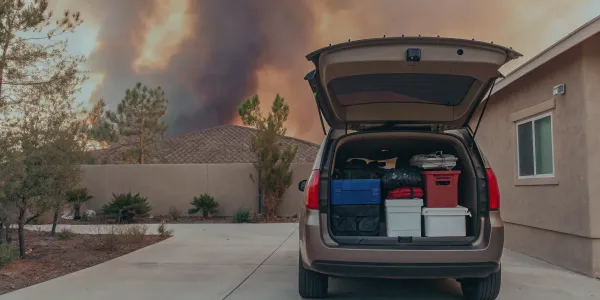
The 5-Minute Last-Minute Wildfire Evacuation Checklist
Stay safe with this last minute wildfire evacuation checklist. Get clear, actionable steps to protect your family, pets, and home when every second counts.
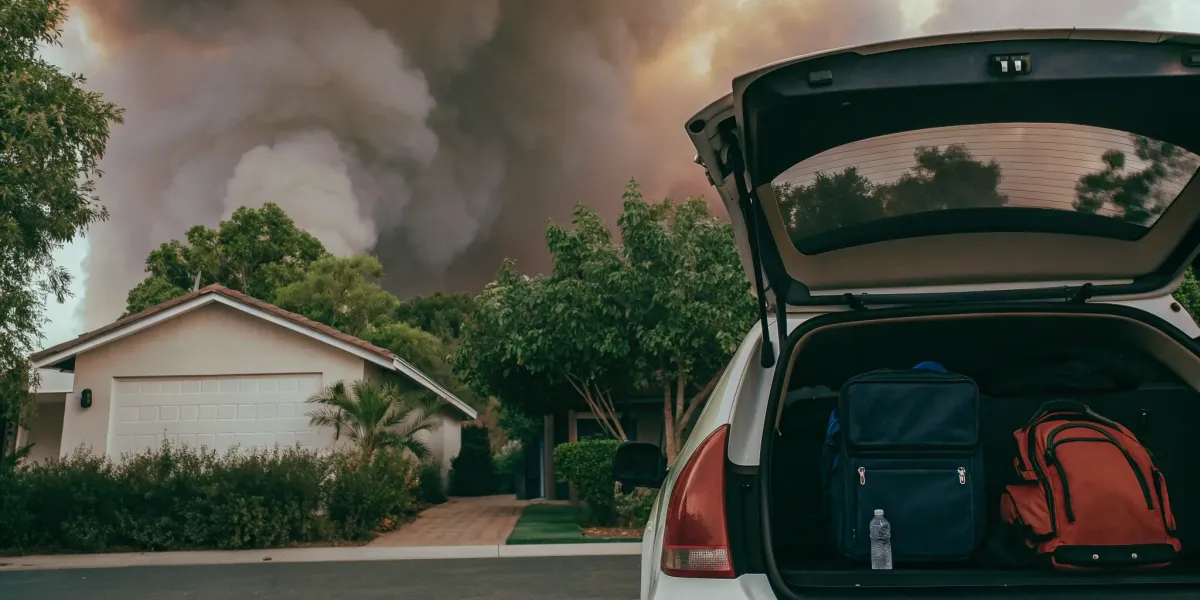
You’ve probably packed a go-bag. That’s a fantastic first step, but your preparation doesn’t end there. What you do in the five to ten minutes after you grab that bag can be just as crucial for your home’s survival. This is the moment to secure your house against flying embers and clear the immediate perimeter of fuel that could ignite your walls. Thinking you’ll remember everything in the heat of the moment is a dangerous gamble. That’s why having a printed last minute wildfire evacuation checklist is non-negotiable. It guides you through the final, critical steps that protect your property and make it more defensible for first responders.
Pay Less for Home Insurance
and Avoid Non-Renewal?
Our partner, Five Bays Insurance Agency, offers a free policy checkup that spots hidden discounts to make sure you’re not paying more than you should.
Key Takeaways
- Build Your Plan Before the Crisis: A successful evacuation depends on preparation, not last-minute decisions. Create a detailed plan that includes pre-packed Go Bags, multiple escape routes, and a family communication strategy so you can act with confidence.
- Prioritize Embers and Access: In your final minutes at home, your goal is to deny embers entry by closing all windows and doors. You can also help firefighters by clearing flammable items from your home's perimeter and leaving gates unlocked.
- Your Judgment Is the Final Alert: Official orders can be delayed, but your senses won't be. If smoke is heavy, ash is falling, or you feel threatened, it's time to leave—don't wait for permission to be safe.
Your Last-Minute Wildfire Evacuation Checklist
When an evacuation order is issued, your mind can race, and it’s easy to feel overwhelmed. Having a clear, simple plan for the final minutes before you leave can make all the difference. This checklist is designed to help you act quickly and effectively, ensuring you cover the most critical tasks to protect your family and property. Think of this as your muscle memory for a high-stress moment. The key is to move with purpose, not panic.
Follow these essential steps as soon as you know it’s time to go.
- Grab Your Go Bag. This should be your first move. Your pre-packed emergency kit contains the essentials you can’t afford to leave behind: medications, important documents, cash, water, and personal identification. Keep it in a designated spot where you can grab it without thinking. If you have pets, grab their go-bags and carriers, too.
- Secure Your Home. Quickly move through your house and shut all windows, doors, and vents to prevent embers from entering. It’s important to close interior doors as well, as this can significantly slow a fire’s spread inside the home. Leave the doors unlocked to give firefighters access if they need it. If you have fire-resistant shutters, close them now.
- Clear Your Immediate Perimeter. Take a final, quick look around the exterior of your home. Move anything flammable at least five feet away from the walls. This includes patio furniture, doormats, grills, and propane tanks. These items can act as fuel, giving embers a direct path to ignite your house.
- Leave Immediately. Once you receive an official evacuation order or feel your safety is at risk, do not wait. Wildfires can move unpredictably and faster than you can imagine. Trust the authorities and your own judgment. Your life is more important than any property. Get in your vehicle, follow your planned evacuation route, and drive safely.
What to Pack in Your "Go Bag"
When an evacuation order is issued, you won’t have time to think. A pre-packed "Go Bag" is a non-negotiable part of your wildfire plan. This is a portable kit containing everything you and your family need to survive for several days. The goal is to grab it and leave without a second thought. According to guidance from Fire Safe Marin, every person in your home should have their own kit, and you should keep an extra one in your car. Store your bags somewhere you can access them quickly, like a closet near an exit or in your garage.
Documents and IDs
In the chaos of an evacuation, your personal documents are the last thing you want to lose. They are essential for accessing aid, filing insurance claims, and re-establishing your life if the worst happens. Pack originals in a waterproof, fire-resistant bag or container. Include copies of your driver's license, passport, birth certificates, social security cards, and insurance policies. Also, include deeds or titles to your property, recent tax records, and a list of important contacts. It’s also a smart move to have digital copies of these documents saved on a password-protected USB drive or a secure cloud service.
Medications and First-Aid
Your health needs don't stop during an emergency. Pack at least a one-week supply of all prescription medications for every family member. Don't forget over-the-counter items like pain relievers, allergy medicine, and any necessary medical supplies. Include a spare pair of glasses or contact lenses and solution. A well-stocked first-aid kit is also critical for treating minor injuries on the go. You can buy a pre-made kit or build your own with bandages, antiseptic wipes, gauze, adhesive tape, and antibiotic ointment. Make sure to check expiration dates on all medications and supplies every six months.
Water, Food, and a Radio
You can't rely on stores or utilities being available during a widespread evacuation. Your Go Bag should contain enough non-perishable food and water to last each person for at least three days. The standard recommendation is one gallon of water per person, per day. Choose ready-to-eat canned goods, protein bars, and dried fruit. Remember to pack a manual can opener. To stay informed when cell service and power are down, include a battery-powered or hand-crank radio. This is a vital tool for receiving official updates and instructions, as outlined in CAL FIRE’s evacuation guide.
Don't Forget These Essentials
Beyond the absolute basics, a few key items can make a difficult situation more manageable. Pack extra batteries for your flashlight and radio, along with portable chargers for your cell phones. Include some cash in small bills, as credit card machines may not be working. A change of clothes, sturdy shoes, and personal hygiene items are also important. If you have infants or elderly family members, be sure to pack their specific necessities, like diapers, formula, or adult care products. Finally, consider adding something for comfort, like a book or a game for children, to help manage stress.
How to Secure Your Home in 5 Minutes
When an evacuation order is issued, every second counts. The chaos of gathering your family, pets, and go-bags can make it feel impossible to do anything else. But taking just five minutes to secure your home can dramatically increase its chances of survival. These last-minute actions are not about fighting the fire yourself; they are about creating a stronger defense. The goal is twofold: first, to prevent wind-blown embers from getting inside your house, which is how most homes ignite during a wildfire. Second, to make it easier and safer for firefighters to defend your property if they have the opportunity.
Think of this as your final, critical checklist before you drive away. It’s a small investment of time that can make all the difference. These steps are designed to be fast and effective, focusing on the most common vulnerabilities that a wildfire exploits. By buttoning up your home and clearing the immediate perimeter, you’re not just protecting your house—you’re giving first responders a better chance to protect your entire neighborhood.
Close All Openings: Windows, Doors, and Vents
Your first priority is to block flying embers, the primary way homes ignite in a wildfire. Embers can be as small as a grain of sand and can travel a mile or more ahead of the main fire, seeking any tiny opening. Go through your home and shut all windows and doors, including interior ones, to slow a fire’s spread if it gets inside. Don't forget pet doors, mail slots, and any vents you can safely close. While you want everything sealed, Fire Safe Marin advises leaving doors unlocked to give firefighters access if they need it. This simple step denies embers the chance to find fuel inside your home.
Clear Flammables from Your Home's Perimeter
Quickly create a buffer around your home by clearing the most vulnerable area: the first five feet from your exterior walls. Move anything flammable at least 30 feet away from your house. This includes patio furniture, doormats, toys, trash cans, and especially propane tanks for your grill. If you can, put these items inside a garage or shed. By clearing this immediate area, you remove the easy fuel that allows flames to jump from the landscape to your home. This action helps maintain the crucial defensible space that protects your property and gives firefighters room to work.
Shut Off Gas and Leave the Lights On
These two steps help prevent further damage and aid first responders. First, turn off the gas at your meter or propane tank to reduce the risk of a leak or explosion if the fire reaches your home. It's critical to know how to do this before an emergency, as you won't have time to look it up. Second, leave your lights on, both inside and out. In the heavy, dark smoke of a wildfire, visibility can drop to near zero. Your lights act as a beacon, helping firefighters locate and defend your home when they might otherwise pass it by.
Help Firefighters Find and Defend Your Home
Make your property as accessible as possible for emergency crews who are working under extreme pressure. As you leave, open any gates to your property so fire engines can get in without delay. If you have a ladder, leave it in a visible spot against the house. This gives firefighters immediate access to your roof, where they can extinguish spot fires caused by embers before they grow. These small gestures save precious time and can be crucial in the effort to protect your home. They signal that you’ve prepared and are working with them, even after you’ve evacuated.
How to Safely Evacuate with Pets
Your pets are family, and they rely on you completely during an emergency. When stress is high and time is short, it’s easy for animals to get scared and hide, making evacuation even harder. Including them in your plan from the very beginning is non-negotiable. A few simple preparations can make all the difference in getting everyone—two-legged and four-legged—out safely. Here’s how to prepare for a smooth evacuation with your animals.
Carriers, Leashes, and Transport
The moment an evacuation warning is issued, your first move should be to secure your pets. Don't wait until you see smoke or flames. Place each pet in their carrier or crate right away, as they may hide when they sense stress. Make sure every animal is wearing a collar with current ID, rabies, and license tags. A microchip is an invaluable backup. Keep sturdy leashes and harnesses with your carriers so everything is in one place. This simple step prevents a frantic search for a hiding cat or a panicked dog bolting out the door when you need to leave immediately.
Pet Food, Meds, and ID Tags
Just like your family’s go-bag, your pet needs an emergency kit packed and ready. This kit should contain at least a two-week supply of their food and water, along with non-spill bowls. Include any daily medications and a pet-specific first-aid kit. It’s also critical to have a waterproof folder with their records: proof of ownership, vaccination history, vet contacts, and a current photo of you with them. Don't forget the practical items, like a litter box, waste bags, blankets, and a favorite toy to reduce stress. Having a dedicated pet emergency kit ensures you won’t forget anything vital in the rush to leave.
Know Where You're Going: Pet-Friendly Shelters
Not all emergency shelters accept animals, so you need a destination in mind before you evacuate. Research pet-friendly hotels or boarding facilities outside your immediate area and keep a list of their numbers in your go-bag. Better yet, arrange with friends or family in a safer location to host you and your pets. It’s also wise to have a "pet buddy"—a trusted neighbor who has a key to your home and can help evacuate your animals if you’re not there. For those with horses or other large animals, a pre-arranged transport and sheltering plan is essential for a safe and timely wildfire evacuation.
When to Evacuate Before an Official Order
Official evacuation orders are a critical signal to leave, but they aren’t the only one. Wildfires can move unpredictably and faster than emergency alerts can be issued. In a chaotic situation, roads can become congested or blocked, and communication systems can fail. Your personal safety is the top priority, and that means being prepared to leave before you are told to. Waiting for a formal order can put you and your family in a dangerous position. The key is to have a plan and trust your own judgment. If conditions feel threatening, it’s time to go. This proactive mindset is the foundation of a successful evacuation.
Trust Your Gut: When to Leave Early
You are the best judge of your immediate situation. If you feel unsafe, don't wait for an official order to leave. Signs that it might be time to go include seeing heavy smoke, falling ash, or visible flames, even if they seem far away. The smell of smoke getting stronger is another key indicator. Emergency services are often stretched thin during a major fire, and alerts may not reach you in time. As safety experts at The Hanover Insurance Group advise, you should always evacuate if you feel threatened. Trusting your instincts is not an overreaction; it’s a crucial part of staying safe.
Map Your Escape Routes in Advance
Your primary route out of the neighborhood might not be available during a wildfire. That’s why it’s essential to identify and practice multiple escape routes. As Fire Safe Marin recommends, you should learn different ways to leave your home and practice them with your family. Have at least two routes planned. Keep physical maps in your car, as cell service and GPS may be unreliable. Knowing your options ahead of time removes the stress of making a critical decision under pressure. Your Wildfire Action Plan is the perfect place to document and store these routes so everyone in your household knows the plan.
Tell Someone Your Plan and Stay Updated
Once you’ve decided to leave, communication is key. Before you get in the car, text your out-of-area emergency contact to let them know you are evacuating and which route you plan to take. Once you are safely on the road, call them to confirm you are okay. This person acts as a central point of contact for concerned family and friends. As you travel, stay informed by listening to local news on a battery-powered or car radio for updates on the fire’s path and road closures. Continue to update your emergency contact as your location and situation change.
How to Stay Safe on the Road
Getting out of the danger zone is your top priority, but the evacuation route itself can be hazardous. Smoke can reduce visibility to near zero, traffic can come to a standstill, and fire can move faster than you expect. Knowing how to handle your vehicle and what to do in a worst-case scenario is just as important as knowing when to leave. Stay calm, drive with caution, and follow the guidance of emergency personnel. Your goal is to get to a safe location, and that requires focus and a clear head.
What to Wear and How to Drive
Before you even get in the car, make sure you’re dressed to protect yourself from heat and embers. Wear long sleeves and pants made from heavy cotton or wool, along with sturdy boots or shoes. Once you’re driving, turn on your headlights to make yourself visible through the smoke. Keep all windows and vents closed, and turn your car’s air conditioning to the recirculate or "inside air" setting to keep smoke out. Tune your radio to a local news station for emergency updates. Most importantly, drive slowly. Emergency vehicles will be on the road, and conditions can change in an instant. Following these evacuation safety tips can make a critical difference.
What to Do If You're Trapped by Fire
If you become trapped in your car by smoke or fire, or if the road is blocked, do not panic and do not get out. Your car can offer significant protection. Pull over to a spot with as little vegetation as possible, like a clearing or a paved area. If you’re on a hill, park on the outside of a turn. Turn off the engine, close all windows and air vents, and get on the floor, covering yourself with a wool blanket or jacket if you have one. Stay low to avoid breathing in smoke and hot air. Wait for the fire to pass, and don't leave the vehicle until you are certain it is safe.
How to Contact Emergency Services
If you are trapped or in immediate danger, call 911 and give them your exact location. Be as precise as possible, using street names, landmarks, or your phone’s GPS coordinates. It’s also crucial to have an out-of-area contact person designated in your Wildfire Action Plan. Call or text this person as soon as you can to let them know your status and location. Keep them updated regularly. This ensures someone outside the disaster area knows you are safe or knows where to direct help if you need it. This simple step reduces the burden on emergency lines and keeps your loved ones informed.
Critical Evacuation Mistakes to Avoid
When you’re facing a wildfire threat, your adrenaline is high and every second counts. In these high-stress moments, it’s easy to make mistakes that can put you and your family at risk. Knowing the most common pitfalls ahead of time can help you stay focused and make clear-headed decisions when it matters most. The goal isn't just to leave, but to leave safely and efficiently, without second-guessing your choices. Understanding what not to do is just as important as knowing what to do.
Waiting Too Long to Leave
The single biggest mistake you can make is waiting for an official evacuation order when your gut tells you it's time to go. Wildfires are notoriously unpredictable; they can change direction and speed in an instant due to shifting winds. If you feel unsafe, you should leave. Waiting can lead to getting caught in traffic gridlock on jammed evacuation routes or, in the worst-case scenario, being trapped by the fire itself. Trust your instincts. An official order is a final warning, not the first signal to act. Having a pre-planned evacuation guide ensures you’re ready to move at a moment’s notice, giving you control over your own safety.
Packing Too Much
It’s a completely natural instinct to want to save your cherished belongings, but trying to pack everything is a dangerous time-waster. Your life is the one thing that is truly irreplaceable. Focus only on the absolute essentials: your "Go Bag," medications, IDs, phone, and charger. A good rule of thumb is to only bring what could easily fit on a single couch—if it’s more than that, you’re taking too much. Every minute you spend debating whether to take a photo album or a piece of furniture is a minute you lose for a safe escape. Stick to your evacuation plan and prioritize getting yourself, your family, and your pets out the door.
Returning Home Before It's Safe
After evacuating, the urge to return home to check on your property can be overwhelming. You must resist it. Even if the flames appear to be gone, significant dangers remain. Downed power lines, unstable trees, smoldering hotspots that can reignite, and damaged gas lines are just a few of the invisible threats. Emergency crews also need clear roads to continue their work. Do not return to the area until fire officials have explicitly declared it safe. They are the only ones who can assess the structural safety and environmental hazards. Your patience ensures both your safety and the ability of first responders to secure the community.
Don't Wait for an Emergency: Prepare Now
A five-minute evacuation is a high-stress, worst-case scenario. The real key to keeping your family safe is doing the hard work long before you smell smoke. When you’re panicked, it’s easy to forget critical items or make dangerous mistakes. A solid plan, created with a clear head, is your best defense against chaos. Thinking through the details now—from escape routes to communication strategies—gives you a sense of control in a situation that can feel overwhelming.
This preparation is what separates a frantic scramble from an orderly departure. It’s about building muscle memory for your entire family so that when an order comes, you can act decisively instead of reacting with fear. The most effective way to get organized is to create a comprehensive wildfire action plan that covers every detail, from home hardening to your final evacuation checklist. Taking these steps today is the most important thing you can do to protect what matters most.
Plan Your Primary and Backup Routes
When it’s time to leave, you can’t rely on your GPS to guide you to safety. Roads can close in an instant, and what was a clear path minutes ago could become blocked by traffic or the fire itself. Your goal is to have at least two different escape routes from your home and neighborhood mapped out in advance.
Your primary route should be the most direct, paved road leading away from the high-risk area. But you need backups. Drive these alternate routes so you’re familiar with them. Avoid relying on dirt or private "fire roads," which can be unreliable and dangerous. Having multiple options is a core part of planning your evacuation and ensures you won’t be trapped if your main exit is compromised.
Set Up a Family Communication Plan
During an emergency, cell service can become overloaded and unreliable. If your family gets separated, you need a simple, foolproof way to reconnect. The best method is to designate a single out-of-state friend or relative as your family’s check-in contact. It’s much easier to get a text or call through to someone outside the affected area than to someone local.
Make sure everyone in your family, including children, has this person’s number saved in their phone and written down on a physical card in their wallet or go-bag. This single point of contact prevents confusion and ensures everyone can report that they are safe. Also, keep a paper list of other important numbers in your emergency kit in case phone batteries die.
Run a Practice Evacuation Drill
A plan on paper is a good start, but practicing it is what makes it effective. Running a family evacuation drill helps everyone understand their roles and builds the muscle memory needed to act quickly under pressure. It also helps you spot weaknesses in your plan—maybe a go-bag is too heavy, or a pet carrier is hard to find.
Treat it like a fire drill. Set a timer and have everyone grab their go-bags, secure pets, and meet at the car. Drive one of your planned evacuation routes. For children, this practice can make a real evacuation feel less frightening because it’s a familiar process. Talking through the steps calmly helps them understand what to do without causing unnecessary anxiety.
Take Control with a Wildfire Action Plan
A last-minute checklist is a vital tool for the critical moments before you leave, but true preparedness isn't about what you can do in five minutes. It's about the steps you take months and years ahead of time to give your family and property the best possible chance of survival. Relying solely on a frantic, last-ditch effort leaves too much to chance. Taking control means shifting from a reactive mindset to a proactive one, where you build a comprehensive strategy that hardens your home against threats and clarifies your family’s every move.
A real wildfire action plan is more than a list of items to grab. It’s a living document and a set of deliberate actions that reduce your overall risk. It addresses the vulnerabilities of your property, prepares you for the financial aftermath, and ensures your family has a clear, practiced strategy for getting to safety. This is how you move from feeling helpless in the face of wildfire risk to feeling empowered and prepared for whatever comes next.
Go Beyond the Go-Bag: Harden Your Home
Your go-bag helps you escape, but home hardening helps your house stand its ground. This is the single most important step you can take to protect your property and stay insurable. It involves creating defensible space by clearing flammable vegetation, especially within the first five feet of your foundation—the critical "ember-free zone." It also means assessing your home's structure for vulnerabilities, like unenclosed eaves, single-pane windows, or a wood-shake roof. Upgrading to fire-resistant materials and installing fine mesh over vents can stop embers from getting inside, which is how most homes ignite during a wildfire. These actions directly address the risks insurers are looking at when they decide whether to renew your policy.
Map Your Moves: A Real Evacuation Strategy
Knowing your escape routes is just the beginning. A complete evacuation strategy includes a solid communication plan for when cell service fails. How will your family members check in with each other? Where will you meet if you get separated? You should have a primary meeting spot nearby and a secondary one outside your neighborhood. Your plan should also account for everyone in your household, including pets, young children, and anyone with mobility issues. The best plans are practiced. Running a simple evacuation drill once or twice a year can turn a chaotic scramble into a calm, orderly process, ensuring everyone knows exactly what to do and where to go.
Secure Your Finances: Insurance and Inventory
Surviving a wildfire is one challenge; recovering financially is another. A key part of your action plan is preparing for the insurance claims process before you ever need it. This means conducting a thorough home inventory by taking photos or videos of your belongings, room by room, and storing the files securely in the cloud. Keep digital copies of your insurance policies, birth certificates, and other vital documents alongside your inventory. Review your homeowner's policy annually to ensure your coverage limits are high enough to handle a total rebuild, especially as construction costs rise. This preparation can make a devastating financial situation much more manageable.
Related Articles
- The Ultimate Wildfire Preparedness Checklist
- Your Ultimate Wildfire Preparedness Plan Guide
- What to Grab in a Fire Evacuation: The Ultimate List
Pay Less for Home Insurance
and Avoid Non-Renewal?
Our partner, Five Bays Insurance Agency, offers a free policy checkup that spots hidden discounts to make sure you’re not paying more than you should.
Frequently Asked Questions
If I only have a minute before I have to leave, what is the single most important thing to do? Grab your Go Bag and get out. While securing your home is important, your personal safety and the critical documents and medications in your kit are the top priority. Your house and belongings can be replaced, but your life cannot. Everything else, from closing windows to moving patio furniture, is secondary to getting your family safely on the road.
This all feels overwhelming. What's the best first step to take if we're just starting to prepare? Start by building your family's Go Bags. This is a tangible and achievable first step that makes a huge difference in your readiness. Focusing on this one task—gathering documents, medications, and essential supplies—can make the larger goal of preparedness feel much more manageable. Once your Go Bags are packed and ready, you'll have the foundation and peace of mind to tackle bigger projects like creating defensible space.
Is it really okay to evacuate before an official order is issued? Absolutely. You are the best judge of your immediate surroundings. If you see flames, smell heavy smoke, or simply feel that your safety is at risk, you should leave. Official alerts can be delayed, and wildfires can move faster than information can travel. Trusting your gut and leaving early is a proactive safety measure, not an overreaction. Your life is always the priority.
How does home hardening and having an evacuation plan actually help with my home insurance? Insurers are focused on risk. When you take documented steps to harden your home—like creating an ember-free zone around your foundation or installing fire-resistant vents—you are actively lowering the chance of a major loss. This makes your property a better risk in their eyes. A documented evacuation plan further demonstrates that you are a responsible homeowner, which can be a positive factor when an insurer is deciding whether to renew your policy in a high-risk area.
Why should I leave my doors unlocked for firefighters? Isn't that a security risk? During an active wildfire, the immediate threat is the fire, not theft. Firefighters need to be able to get into your home quickly to check for spot fires or defend it from the inside. A locked door forces them to waste precious time and energy breaking it down, or it may cause them to skip your house entirely to save another. Leaving it unlocked gives them the access they need to potentially save your home.