How to Improve Home Insurability for Wildfire in NorCal
Learn how to improve home insurability for wildfire in Northern California with practical steps, home hardening tips, and documentation strategies.
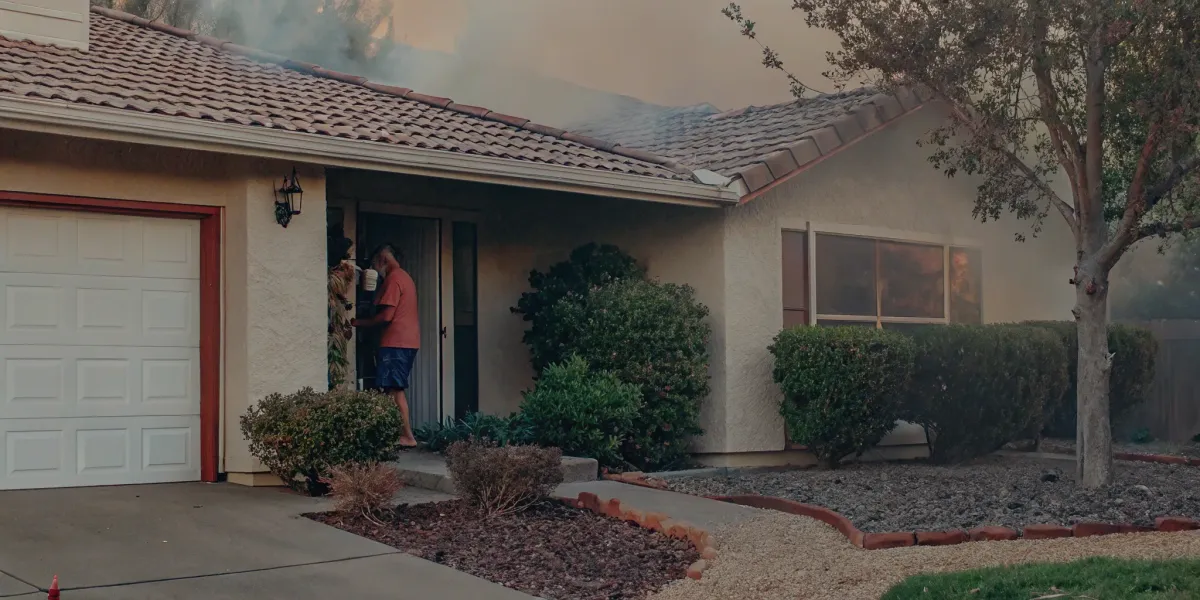
You have more control over your insurance situation than you might think. While factors like your home’s location are fixed, many of the variables that determine your eligibility for coverage are not. Insurers are looking for homeowners who are proactive, not passive. They want to see clear evidence of mitigation, from ember-resistant vents to well-maintained defensible space. This guide will walk you through the essential steps that turn a high-risk property into an acceptable one in an underwriter's eyes. We’ll show you how to document your work and present your home as a calculated risk, giving you a concrete strategy to improve home insurability wildfire Northern California.
Paying Too Much
For Insurance?
Our partner, Five Bays Insurance Agency, offers a free policy checkup that spots hidden discounts to make sure you’re not paying more than you should.
Key Takeaways
- Address Your Home's Weakest Links First: Insurers focus on specific vulnerabilities that allow embers to ignite a home. Prioritize high-impact upgrades like installing a Class A fire-rated roof, covering all vents with 1/8-inch metal mesh, and creating a non-combustible five-foot zone around your foundation.
- Build a Case for Your Home's Insurability: Telling an insurer you’ve done the work isn’t enough—you have to prove it. Keep a detailed portfolio with before-and-after photos, receipts, and contractor invoices to demonstrate your mitigation efforts and qualify for the discounts you deserve.
- Prioritize Long-Term Coverage Over Short-Term Savings: While mitigation work can earn you a discount, its real value is keeping you insured. The primary goal is to avoid a non-renewal notice and the expensive, limited coverage of last-resort options like the California FAIR Plan.
How Do Insurers Decide if Your Home is Insurable?
When an insurance company looks at your property, they’re trying to answer one fundamental question: How likely is this home to be damaged or destroyed in a wildfire? To do this, they don’t just look at a single factor. Instead, they build a comprehensive risk profile based on your home’s specific characteristics and its surrounding environment. Think of it as a detailed scorecard covering everything from your address to the type of siding on your walls.
Insurers use sophisticated models that weigh dozens of variables, but they generally fall into three main categories: your location and its inherent risk, the physical structure of your home, and the accessibility for emergency responders. Understanding what they’re looking for is the first step toward making your property more attractive to them. It allows you to focus your time and money on the upgrades that will have the biggest impact, not just on your safety, but on your ability to secure and maintain affordable coverage. Knowing these key areas helps you move from feeling powerless to taking control of your home’s insurability.
Your Home's Location and Official Fire Risk Score
The first thing an insurer considers is your address. They use mapping tools and risk models to assign your property a wildfire risk score. This score is heavily influenced by factors like the local topography (are you on a steep slope?), the type and density of surrounding vegetation, and historical weather patterns. Unfortunately, many insurance models focus narrowly on your specific parcel of land. This means that even if your entire neighborhood is a recognized Firewise USA® site, your individual premium might not reflect those community-wide efforts. This is why your personal mitigation work is so critical—it’s the one factor you have direct control over when your location is already deemed high-risk.
The Materials Used to Build Your Home
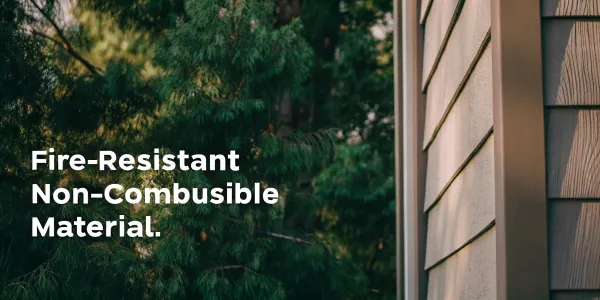
Insurers pay close attention to what your home is made of. The goal is to prevent ignition from wind-blown embers, which are responsible for the loss of most homes in a wildfire. Homes built with fire-resistant materials are far more likely to be insurable. This includes Class A-rated roofing like composite shingles or metal, and non-combustible siding such as fiber cement, stucco, or brick. They will also look at your windows (multi-pane tempered glass is best), your deck materials, and whether your vents are properly screened to block embers. Each of these elements contributes to your home’s overall "hardness" and its ability to withstand a wildfire, making it a much safer bet for an insurance carrier.
Access to Fire Departments and Water
Even the most well-built home needs help in a major fire. That’s why insurers evaluate how easily firefighters can get to your property. They look at the distance to the nearest fire station and whether your home is close to a reliable water source like a fire hydrant. The quality of your access roads is also a factor—they must be wide enough for emergency vehicles to pass through safely. Being part of a community with a coordinated safety plan, like those recognized by California’s Safer from Wildfires framework, can also demonstrate a lower risk profile. This shows insurers that there are established, community-wide systems in place to protect your home.
How Defensible Space Affects Your Insurance Rates
Think of defensible space as a buffer you create between your home and an approaching wildfire. For an insurance company, it’s one of the most visible and important signs that you are actively managing your property’s risk. A well-maintained defensible space can significantly improve your home’s chances of survival, which in turn makes it a much more attractive property to insure. Insurers look for this space during risk assessments and inspections, and its condition can directly influence their decision to offer or renew your policy. It’s not just about clearing brush; it’s about strategically managing the landscape to reduce fire fuel and stop a fire in its tracks.
Zone 1: The First 30 Feet Around Your Home
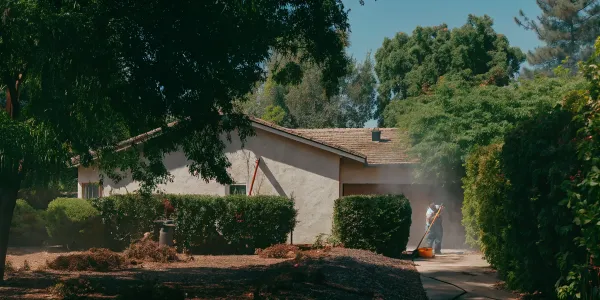
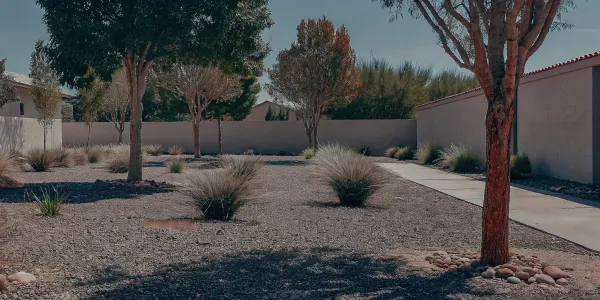
This area, starting from the walls of your house and extending outward 30 feet, is your most critical defense zone. Insurers pay close attention to this space because it’s where your home is most vulnerable to ignition from direct flames and flying embers. Your goal here is to create a lean, clean, and green landscape. This means removing all dead plants, grass, and weeds. Keep tree branches trimmed at least 10 feet away from your chimney and other trees. Most importantly, the first five feet around your home should be an “ember-free zone,” using non-combustible materials like gravel or concrete instead of flammable mulch or plants. A clean Zone 1 tells an underwriter that you’ve taken the necessary steps to protect your home from the primary way houses catch fire.
Zone 2: Reducing Fuel from 30 to 100 Feet
The second zone, extending from 30 to 100 feet from your home, is about fuel reduction. The objective here isn’t to clear the land completely but to slow a fire down and reduce its intensity. You can do this by creating horizontal and vertical space between shrubs and trees. Remove "ladder fuels"—smaller shrubs and low-hanging branches that can carry a fire from the ground up into the tree canopy. Thinning out vegetation in this zone breaks up the continuous path of fuel that a wildfire needs to travel. An insurance inspector will look for this thoughtful management, as it shows you understand how to disrupt a fire’s behavior and lower the overall risk to your property.
Choosing Fire-Resistant Landscaping
The plants you choose to have on your property matter. While no plant is truly fireproof, many fire-resistant varieties can be a key part of your defensible space strategy. These plants typically have a high moisture content and don’t accumulate a lot of dead, flammable material. Avoid plants with resins, oils, or waxes, like juniper, pine, and eucalyptus. Instead, consider a list of fire-resistant plants that are well-suited for your climate. Integrating hardscaping like stone walls, patios, and gravel pathways can also create effective fuel breaks. This demonstrates to an insurer that you’ve designed your landscape with wildfire safety as a top priority, making your home a more calculated and acceptable risk.
Home Hardening Steps That Insurers Actually Care About
"Home hardening" is the term for making your house itself more resistant to catching fire. While creating defensible space clears fuel from the land around your home, hardening focuses on the structure—the roof, windows, vents, and siding. The biggest threat during a wildfire isn't a wall of flame; it's the millions of tiny, wind-blown embers that can travel over a mile to land on your property. Insurers know this, and they pay close attention to specific vulnerabilities that could turn a passing ember storm into a total loss. Focusing on these key upgrades not only makes your home safer but also sends a clear signal to insurance carriers that you are actively managing your risk. Documenting these improvements is a critical part of building your Wildfire Action Plan.
Install a Class A Fire-Rated Roof
Your roof is your home’s first and most important line of defense against embers. As the largest and most exposed surface, it’s a prime target. That’s why insurers prioritize homes with a Class A fire-rated roof—the highest rating available for resisting severe fire exposure without igniting. Materials like asphalt shingles, concrete or clay tiles, and metal roofing typically carry this rating. If you have an old, unrated wood shake roof, replacing it is one of the most impactful investments you can make for both safety and insurability. An inspector will often start their assessment with the roof, so make this a top priority.
Seal Vents and Openings Against Embers
Think of vents as open doors for wind-blown embers. Attic, foundation, and gable vents can suck embers directly into the most vulnerable parts of your home, where they can smolder for hours before igniting a fire from within. To prevent this, you need to cover all vent openings with 1/8-inch metal mesh screening. This simple, low-cost fix is highly effective. You should also seal any gaps where embers could get trapped, such as under siding or around pipes. Using fire-resistant siding materials like fiber cement or stucco adds another crucial layer of protection that insurers value.
Upgrade to Multi-Pane, Tempered Glass Windows
The intense heat from a nearby wildfire can cause single-pane windows to crack or shatter, giving flames and embers a direct path into your home. This is a major failure point that insurers look for. Upgrading to multi-pane windows, often called double-pane, provides a critical layer of insulation against radiant heat. For the best protection, choose windows with tempered glass, which is far more durable and resistant to breaking under extreme heat. While this is a bigger investment, it’s a significant upgrade that demonstrates to insurers you’ve addressed one of your home’s weakest links.
Modify Decks and Fences
A wooden deck or fence attached to your house can act like a fuse, carrying a ground fire directly to your exterior walls. Insurers are wary of this risk. To break the chain, focus on the area where these structures meet your home. For decks, use ignition-resistant materials for the surface boards, especially within the first five feet of the house. For fences, replace the last five-foot section connected to your home with a metal gate. This creates a simple but effective firebreak. Using fireproof building materials for these modifications is a clear sign to an underwriter that you understand how to reduce your property's vulnerability.
Are You Making These Insurability Mistakes?
You’re putting in the time and money to protect your home, but are you sure you're focusing on what insurers see? Even with the best intentions, homeowners can fall into common traps that undermine their efforts to stay insurable. Making sure your hard work pays off means avoiding a few key mistakes that can leave your home vulnerable in the eyes of a carrier. Let’s walk through some of the most frequent missteps so you can direct your resources where they’ll have the greatest impact on your home’s safety and insurability.
Ignoring Your Neighborhood's Overall Risk
It’s a tough reality, but your home isn’t an island. Insurers use complex models that assess risk across entire neighborhoods and ZIP codes. Unfortunately, insurance companies often don't consider community-wide efforts to reduce wildfire risk when setting prices. This means that even if your property is perfectly maintained, your rates and eligibility can be negatively affected by a neighbor’s overgrown brush or the dense vegetation in a nearby canyon. While you can’t control what others do, you can get involved with your local Fire Safe Council to encourage broader mitigation efforts. Being aware of this factor helps you understand the full picture of your insurance situation.
Forgetting to Document Your Upgrades
If you don’t have proof of your mitigation work, it’s almost as if it never happened in the eyes of an insurer. Every fire-hardening project you complete needs a paper trail. Homeowners who make their houses more fire-resistant are eligible for discounts from insurance companies in California, but you have to prove you did the work. Keep a detailed file with receipts for materials, invoices from contractors, copies of any permits, and clear before-and-after photos. When you apply for or renew your policy, present this documentation proactively. This simple habit not only helps you secure potential discounts but also demonstrates to the carrier that you are a responsible, low-risk homeowner.
Prioritizing the Wrong Projects
Not all home improvement projects are created equal when it comes to wildfire resilience. Some homeowners might spend a fortune on landscaping but neglect the vents on their home where embers can easily enter. Building a fire-resistant home requires using the right materials in the right places. Insurers focus on structural vulnerabilities, so your priority should be on projects that address those weak points. Focus your budget on high-impact upgrades using fire-resistant building materials like concrete, steel, and gypsum. Upgrading to multi-pane tempered glass windows, installing a Class A fire-rated roof, and sealing eaves and vents are the kinds of investments that truly matter to an underwriter.
How Much Can You Actually Save with Wildfire Mitigation?
Making your home more wildfire-resistant costs money, so it’s fair to ask: Will these efforts actually lower my insurance premium? The short answer is yes, but the savings are just one piece of a much larger puzzle. California now requires insurers to offer discounts for mitigation, but the real value lies in protecting your property and, most importantly, keeping your coverage in the first place. Think of home hardening not just as a path to a discount, but as a necessary investment to remain insurable in a changing climate.
Understanding California's New Discount Rules
You’re no longer in the dark about what insurers want to see. The state has created a clear framework called "Safer from Wildfires" that standardizes the mitigation actions that qualify for discounts. This regulation mandates that all property insurers recognize and reward specific home hardening efforts and community-wide safety measures.
According to the California Department of Insurance, every action listed under the framework will qualify you for a discount. This includes individual projects like installing a Class A roof and community-level efforts like becoming a certified Firewise USA site. The goal is to create a transparent system where the steps you take to reduce your risk are directly reflected in your premium.
What to Realistically Expect in Savings
While the new rules guarantee discounts, it’s important to set realistic expectations. For homeowners who complete significant fire-resistance upgrades, many insurers in California offer discounts in the range of 5% to 10%. On a multi-thousand-dollar premium, this adds up, but it likely won’t cover the full cost of a major retrofit in the first year.
However, the discount itself isn't the main prize—insurability is. A 10% discount on a standard policy is infinitely better than being non-renewed and forced onto the California FAIR Plan, which offers less coverage at a much higher cost. As insurers gather more data on how effective these mitigation efforts are at preventing losses, it’s possible these discounts will grow over time.
Weighing Upfront Costs vs. Long-Term Savings
The cost of mitigation varies widely. If you’re building a new home, incorporating wildfire-resistant features from the start can be surprisingly affordable. One study found that building an enhanced wildfire-resistant home added only about $2,800 to the total construction cost. Retrofitting an existing home is a different story, with projects like roof replacement running into the tens of thousands.
When you weigh these costs, don’t just compare them to the insurance discount. Compare them to the devastating cost of losing your home. Using fire-resistant building materials and hardening your property is an investment in resilience. It protects your biggest asset, keeps your family safe, and ensures you have access to the affordable insurance you need to recover if the worst happens.
What to Do If Your Insurance Is Canceled
Receiving a non-renewal notice in the mail can feel like a punch to the gut. It’s stressful, confusing, and leaves you wondering how you’ll protect your home and family. But this isn’t the end of the road. While the insurance market in California is challenging, you have options and a clear path forward. The key is to act quickly and strategically to find the coverage you need. Think of this as a problem to be solved, one step at a time.
How to Read a Non-Renewal Letter
Before you do anything else, take a deep breath and read the non-renewal letter carefully. It should state the reason your policy is not being renewed. Your first call should be to your insurance agent or company. You need to understand exactly why they made this decision. Sometimes, the reason is something you can fix—like removing overhanging tree branches or installing a specific type of ember-resistant vent. If you can address their specific concern and document it, you may be able to get your policy reinstated. Don't assume the decision is final until you've had that conversation and explored your options directly with the insurer.
The California FAIR Plan: What It Is and Isn't
If you can't secure a traditional policy, you’ll likely be pointed toward the California FAIR Plan. It’s important to understand that the FAIR Plan is a "last resort" insurance option, not a replacement for standard homeowners insurance. It provides basic fire insurance, which covers damage from wildfire, but it does not cover other common risks like theft, water damage, or personal liability. To get that broader protection, you’ll need to purchase a separate "Difference in Conditions" policy from a private insurer to wrap around the FAIR Plan policy. This two-policy solution is often more expensive and complicated, but it’s a critical safety net for many homeowners.
Exploring Other Insurance Options
Don’t stop your search with the FAIR Plan. Work with an independent insurance broker who specializes in high-risk properties. They have access to multiple carriers, including "surplus lines" insurers that may be willing to cover your home when standard companies won't. This is where all your home hardening work pays off. Be prepared to show proof of your mitigation efforts—photos, receipts, and official assessments. Homeowners who make their properties more fire-resistant are often eligible for discounts from insurance companies. A documented list of upgrades can make your home a more attractive risk and could be the key to finding coverage in the private market.
Where to Find Help and Financial Aid
Making your home more resilient to wildfire can feel like a huge financial undertaking. The good news is you don’t have to shoulder the entire burden alone. Various state and local programs are available to provide financial assistance and expert guidance, helping you make meaningful upgrades without draining your savings. These resources are designed to support homeowners who are ready to take action, offering a clear path forward for protecting your property and investment. Think of them as partners in your home hardening journey, providing the support you need to make your home safer and more insurable.
State Grants for Home Hardening
California is actively encouraging homeowners to invest in wildfire mitigation, and several grant programs can help offset the costs. The state’s Safer from Wildfires framework outlines actions that can reduce risk, and funding often follows these guidelines. These grants can help pay for projects like installing Class A roofing or creating defensible space. The state also recognizes community-wide programs like Firewise USA, where neighbors work together on a shared action plan. Getting involved in a community effort can open up additional funding and shows insurers your entire neighborhood is committed to safety.
Your Local Fire Safe Council
Your local Fire Safe Council is one of the best resources you can tap into. These are community-led organizations dedicated to wildfire preparedness, and they understand the specific challenges of your area. They often provide educational workshops, on-site consultations, and information on local grant programs you might not find elsewhere. As communities like Lake County have shown, local efforts are critical for making entire neighborhoods safer, even if insurance bills don't drop overnight. You can find your nearest chapter through the California Fire Safe Council and connect with neighbors who share your goals.
Getting a Professional Wildfire Assessment
Before spending money on upgrades, it’s wise to get a professional opinion on where to focus your efforts. A professional wildfire assessment gives you a prioritized list of vulnerabilities specific to your home and property. This report is invaluable when applying for grants or demonstrating your mitigation work to an insurance provider. Private resources can also offer personalized evaluations. For example, the Insurance Institute for Business & Home Safety’s Wildfire Prepared Home program provides a research-backed path to resilience. An expert assessment ensures your time and money go toward the most effective projects first.
How to Approach the Insurance Application Process
Applying for homeowners insurance in a high-risk area has become a strategic process. It’s no longer just about filling out a form; it’s about actively demonstrating that your property is a responsible risk. Insurers are looking for clear evidence that you’ve taken wildfire mitigation seriously. This means you need to be prepared to present a strong case for your home’s insurability, backed by documentation and a clear understanding of what underwriters are looking for. Approaching the application with this mindset can make a significant difference in the outcome.
Prepare for Inspections and Paperwork
Before you even apply, assume your property will be inspected, either in person or through high-resolution aerial imagery. Get your home and paperwork in order ahead of time. This includes clearing defensible space, completing any planned home hardening projects, and gathering all relevant documents. While homeowners have some temporary protections and last-resort options, these are not permanent fixes. Proactive preparation is your best strategy. Have a file ready with receipts for mitigation work, contractor invoices, and any professional assessments you’ve had done. This preparation shows you are a diligent homeowner and makes the underwriter’s job easier.
Show Proof of Your Mitigation Work
Telling an insurance agent you’ve hardened your home isn’t enough—you need to prove it. Create a portfolio for your property that includes dated before-and-after photos of your mitigation work. Document everything from clearing brush in your defensible space zones to installing new ember-resistant vents. If you live in a recognized Firewise USA community, include that certification. Every action under the state’s Safer from Wildfires framework can qualify you for an insurance discount, so providing clear proof of these upgrades is essential. This documentation is your primary tool for demonstrating that your home is a lower risk than others in your area.
What to Do If You're Denied Coverage
Receiving a non-renewal or denial letter is frustrating, but it’s not necessarily the end of the road. First, ask the insurer for the specific reason for their decision in writing. Sometimes, the denial is based on outdated satellite imagery or a fixable issue, like an overhanging tree branch. If you can address the specific concern, document the change and ask them to reconsider. If you believe the denial was unfair or based on inaccurate information, you have recourse. You can contact the California Department of Insurance to file a complaint or consult with a property insurance attorney to understand your options.
Build Your Wildfire Action Plan
Beyond individual projects like home hardening and defensible space, insurers want to see that you have a comprehensive strategy for managing your wildfire risk. A documented plan shows you are proactive and prepared, which can make a real difference in their assessment. It puts you in control, turning your efforts into a clear, compelling story of risk reduction that you can present to insurance providers. This formal approach moves you from simply having a safer home to having an insurable one.
Assess and Document Your Property's Risk
Start by getting a clear picture of your home's specific vulnerabilities. You can hire a professional assessor or use tools to create your own detailed report. Walk your property and take photos of high-risk areas, like wooden fences attached to the house or overgrown vegetation near structures. As you complete mitigation work, document everything. Keep receipts for fire-resistant materials and contractor invoices. Take “after” photos to show the improvements. This portfolio is powerful proof for an insurer that you’ve actively lowered your risk. In California, homeowners who make their homes more fire-resistant can be eligible for insurance discounts, so your documentation is key to getting the credit you deserve. A personalized wildfire action plan can guide you through this entire process.
Create Your Evacuation Plan
Your family’s safety is the top priority, and a well-rehearsed evacuation plan is non-negotiable. This plan should include multiple escape routes from your neighborhood, a designated meeting spot, and a communication plan in case you get separated. Insurers see this preparedness as another sign of a responsible homeowner. It also helps to get involved with your neighbors. Community-wide programs like Firewise USA help entire neighborhoods create action plans and become safer together, which can positively impact everyone’s insurability. Make sure everyone in your household knows the plan by heart and practice it regularly so it becomes second nature when seconds count.
Schedule Ongoing Maintenance and Keep Records
Wildfire preparedness isn't a one-time project; it's an ongoing commitment. Create a simple annual calendar for maintenance tasks. This should include clearing leaves from your roof and gutters, inspecting vents for damage, and maintaining your defensible space zones. When you replace or repair parts of your home, always choose fire-resistant building materials to steadily improve your home’s resilience. Keep a log of all maintenance activities, noting the date and what was done. This continuous record-keeping demonstrates a long-term dedication to safety and risk reduction, which is exactly what insurance providers want to see from homeowners in high-risk areas.
Related Articles
Paying Too Much
For Insurance?
Our partner, Five Bays Insurance Agency, offers a free policy checkup that spots hidden discounts to make sure you’re not paying more than you should.
Frequently Asked Questions
If I can only afford one home hardening project right now, which one makes the biggest difference? Start with your roof. It's your home's largest surface and the most vulnerable to the millions of embers that a wildfire throws ahead of itself. If you have an old wood shake roof, replacing it with a Class A fire-rated material like asphalt shingles or metal is the single most impactful upgrade you can make. If your roof is already in good shape, your next best move is to focus on sealing any openings where embers can get inside. This means covering all your vents—attic, foundation, and eaves—with 1/8-inch metal mesh screening. It's a low-cost project that closes off a primary entry point for wildfire.
How do I actually prove my mitigation work to an insurer to get a discount? You need to create a "home hardening portfolio" for your property. Don't just tell an insurer what you did; show them. This portfolio should include dated before-and-after photos of every project, from clearing defensible space to installing new windows. Keep a file with all receipts for materials and invoices from contractors. If you had a professional wildfire assessment done, include a copy of the report. Presenting this organized package with your application or renewal paperwork makes it easy for an underwriter to see you're a responsible homeowner who has actively reduced your risk.
My insurance was just canceled. Is the California FAIR Plan my only choice? Not necessarily. The FAIR Plan is a critical safety net, but it should be your last resort, not your first stop. Before you sign up, connect with an independent insurance broker who specializes in high-risk properties. They work with multiple carriers, including surplus lines insurers that are often willing to cover homes that standard companies won't. Your portfolio of mitigation work is your best asset here. A broker can use that documentation to shop your policy around and find a carrier that recognizes and rewards the effort you've put into making your home safer.
I've done everything right on my property, but my neighbor's yard is a mess. Does that ruin my chances of getting insured? It's a frustrating situation, and it's true that insurers look at risk on a neighborhood level. A neighbor's unmanaged property can affect your home's risk profile. However, it doesn't mean your efforts are wasted. Your work still makes your home fundamentally safer and a better risk than the properties around it. Continue to document your own mitigation and consider getting involved with your local Fire Safe Council. Encouraging community-wide action is the best way to address shared risk, and being part of a recognized Firewise USA site can be a positive factor for some insurers.
Will creating perfect defensible space and hardening my home guarantee I can get insurance? Unfortunately, there are no guarantees in the current insurance market. Insurers weigh many factors, including some that are out of your control, like your home's location and the overall risk profile of your ZIP code. However, taking these steps dramatically improves your odds. It makes your home a more calculated and acceptable risk compared to others in your area. Think of it this way: when an insurer has to make tough choices about who to cover, the homeowner with a Class A roof, clear defensible space, and documented upgrades is in a much stronger position than the one who has done nothing.