How Much Wildfire Insurance Do I Need? A Homeowner's Guide
Get clear answers to how much wildfire insurance do I need, with practical steps to assess your risk, calculate coverage, and protect your home and family.
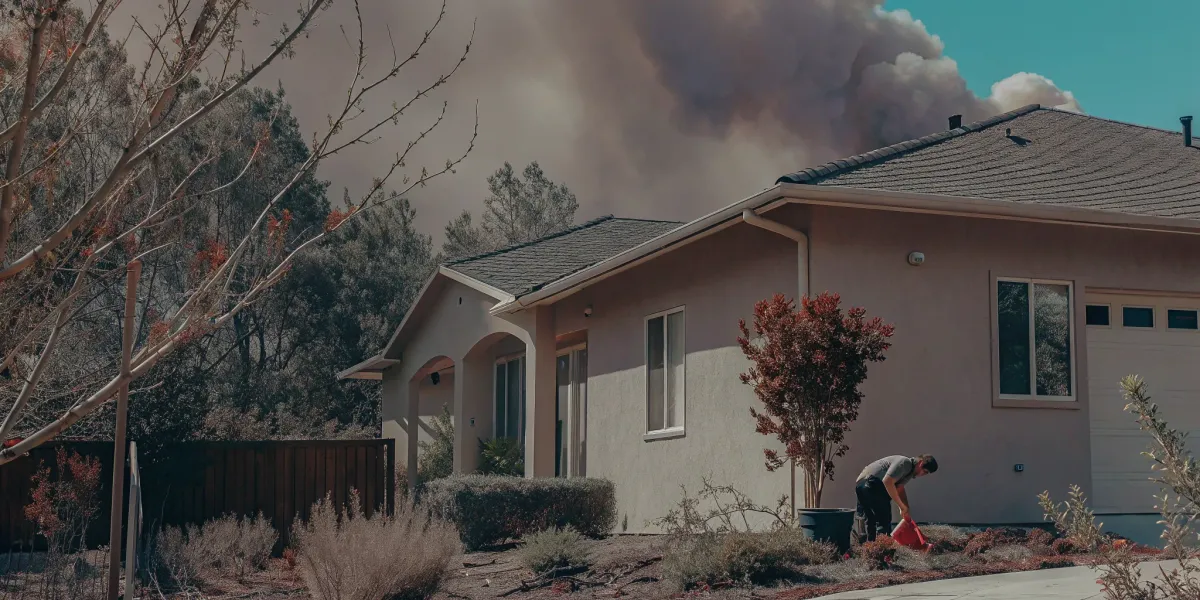
That letter in the mail can feel like a gut punch: your homeowners insurance is being non-renewed. Suddenly, you’re left scrambling, facing a chaotic market where coverage seems impossible to find or afford. This is the new reality for countless homeowners in high-risk fire zones. The frustration is real, but so are the solutions. The first step is to understand what insurers are looking for and how to accurately answer the question, "how much wildfire insurance do I need?" This isn't just about finding any policy; it's about securing the right policy—one that will actually cover the full cost to rebuild your life. This guide will walk you through the process, from calculating your home's true replacement value to taking actionable steps that make your property more insurable.
Pay Less for Home Insurance
and Avoid Non-Renewal?
Our partner, Five Bays Insurance Agency, offers a free policy checkup that spots hidden discounts to make sure you’re not paying more than you should.
Key Takeaways
- Insure for Rebuilding, Not Resale: Your policy's dwelling coverage must be based on the actual cost to rebuild your home from scratch, which is often higher than its market value. Add extended replacement cost coverage to create a buffer for the price spikes in labor and materials that follow a major wildfire.
- Make Your Home a Better Risk: You can directly improve your chances of getting and keeping insurance by taking action. Focus on creating at least 100 feet of defensible space and making key home hardening upgrades, like installing ember-resistant vents and a Class A fire-rated roof.
- Decode Your Out-of-Pocket Costs: Look beyond the premium and find your specific wildfire deductible, which is often a high percentage of your home's value. Confirm your policy includes coverage for mandatory code upgrades (Ordinance or Law) and debris removal to avoid major financial surprises during a claim.
What Does Wildfire Insurance Actually Cover?
When you live in a high-risk area, the term “wildfire insurance” gets thrown around a lot. But here’s the first thing you need to know: it’s almost never a separate policy. Wildfire damage is typically covered under a standard homeowners insurance policy because fire is a standard “covered peril.” The real question isn’t if you’re covered, but for how much and under what conditions.
Understanding the fine print of your policy is the first step toward making sure your family and finances are protected. Your policy is a contract that outlines exactly what your insurer will pay for after a fire. It covers your home’s structure, your personal belongings, and even the costs of being displaced. But every policy has limits, exclusions, and deductibles that can leave you with significant out-of-pocket costs if you’re not prepared. Let’s break down what your homeowners policy likely covers—and what it might leave out.
What's Covered (and What's Not)
A standard homeowners policy is designed to cover several key areas after a wildfire. First is your dwelling—the cost to repair or rebuild the main structure of your house. It also covers other structures on your property, like a detached garage, shed, or fence. Your personal property, which includes everything inside your home like furniture, clothes, and electronics, is also covered up to a certain limit.
One of the most critical components is Additional Living Expenses (ALE). If a wildfire forces you to evacuate or makes your home uninhabitable, this coverage helps pay for temporary housing, meals, and other essential costs. However, policies often have exclusions. For example, damage to your landscaping—trees, shrubs, and plants—is frequently not covered, or the coverage is very limited.
Is Wildfire Coverage Included in My Homeowners Policy?
Yes, in most cases, your standard homeowners policy includes coverage for wildfire damage. When you pay your premium, you are paying for protection against a range of disasters, including fire. However, this coverage comes with important limits. Your policy will only pay up to the maximum amount stated for your dwelling and personal property, and you’ll have to pay your insurance deductible first.
If you live in a high-risk fire zone, insurers may add specific conditions. It’s becoming more common for policies in states like California to include a separate—and often much higher—deductible specifically for wildfire claims. This means you could be responsible for a larger portion of the repair costs out-of-pocket if your home is damaged by a wildfire versus another type of fire.
Busting Common Wildfire Insurance Myths
One of the most dangerous myths is that your insurance will automatically cover the full cost to rebuild your home. Unfortunately, many homeowners discover they are underinsured only after a disaster. After the 2021 Marshall Fire in Colorado, it was estimated that up to two-thirds of the homes destroyed didn't have enough coverage to be rebuilt completely. This gap often happens because rebuilding costs have risen, but the policy coverage hasn't kept pace.
Another common myth is that you have no options if private insurers refuse to cover your home. While it’s a difficult situation, there is often an insurer of last resort. Many states have a FAIR Plan (Fair Access to Insurance Requirements) that provides basic fire coverage when you can’t find it on the open market. These plans are not ideal—they typically cost more and offer less coverage—but they can provide a critical safety net.
How Do I Know My Home's Wildfire Risk?
Before you can figure out how much insurance you need, you have to understand your property’s specific wildfire risk. This isn’t a simple, one-size-fits-all label. It’s a combination of your location, your home’s construction, and the landscape immediately surrounding it. Insurance companies analyze all these factors when deciding whether to offer you a policy and how much it will cost. Getting a clear picture of your home’s vulnerabilities is the most important first step in securing the right coverage and protecting what matters most.
It’s easy to feel powerless, especially if you’ve received a non-renewal notice or watched your premiums climb. But you can take control. By breaking down your risk into clear, manageable components, you can identify actionable steps to make your home more resilient and more insurable. The process involves looking at official risk maps, understanding your home’s building materials, and evaluating the space around your house. Think of it as a diagnostic check-up for your property. Once you know where the vulnerabilities lie, you can create a targeted plan to address them. This knowledge empowers you to have more productive conversations with insurance agents and make smarter decisions about protecting your home.
Use Online Tools to Check Your Risk Score
A great starting point is to use a free online tool to get a snapshot of your property's risk level. Websites like WildfireRisk.org and FEMA’s National Risk Index map analyze vast amounts of data—including weather patterns, historical fire activity, and vegetation—to generate a risk score for your specific address. These resources can give you a clear, data-driven look at your home's exposure. While this score isn't the final word, it provides a valuable baseline and helps you understand how external factors contribute to your risk profile. It’s a quick, easy step that can help you frame the conversation with potential insurers.
Understand CAL FIRE's Hazard Zones
If you live in California, it’s critical to know your property’s official designation from CAL FIRE. The state fire agency maps the entire state into Fire Hazard Severity Zones (FHSZ), classifying areas as Moderate, High, or Very High risk. You can look up your address on the official CAL FIRE FHSZ maps to see your designation. Insurers rely heavily on these zones to determine eligibility and pricing. Knowing your zone helps you anticipate insurance challenges and understand the specific building codes and defensible space requirements that apply to your property. This isn't just a label; it's a key piece of information that dictates your path forward.
Evaluate Your Home's Vulnerabilities
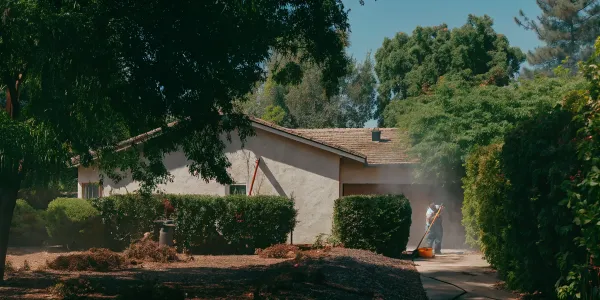
Your home’s risk isn’t just about its location on a map; it’s also about the structure itself and its immediate surroundings. This is where you can take direct action. Start by assessing your defensible space—the area around your home. Insurers want to see at least 100 feet of cleared space, free of dead plants, dry leaves, and overgrown vegetation. Next, evaluate your home’s construction. This is often called “home hardening.” Are your vents covered with fine metal mesh to block embers? Are your gutters clean? Are your eaves built with nonflammable materials? These features can dramatically increase your home’s chances of survival and make it much more attractive to insurers.
How to Calculate Your Home's Replacement Value
One of the most critical steps in getting the right insurance is figuring out how much it would actually cost to rebuild your home if it were completely destroyed. This figure, known as your home's replacement value, is often different from its market price or what you see on a real estate website. Insurers use this number to determine your dwelling coverage limit—the maximum amount they will pay to reconstruct the physical structure of your house. Getting this number right is essential. If it’s too low, you could be left with a massive financial gap after a disaster. If it’s too high, you’re paying for more coverage than you need. Calculating it accurately gives you the foundation for a solid financial recovery plan.
Rebuilding Cost vs. Market Value: What's the Difference?
It’s easy to confuse your home’s market value with its rebuilding cost, but they are two very different things. Market value is what a buyer would pay for your home and the land it sits on today. It’s influenced by factors like location, school districts, and the current housing market. Rebuilding cost, or replacement cost value (RCV), is the estimated price to reconstruct your home from scratch, using similar materials and quality, at today’s labor and material prices.
Your insurance policy is designed to cover the rebuilding cost, not the market value. After all, the land will still be there after a fire. Your policy needs to cover the lumber, roofing, labor, and other expenses required to put your house back together. Understanding this distinction is the first step toward ensuring you have enough dwelling coverage to make you whole again.
Create a Detailed Home Inventory
While your dwelling coverage protects the structure of your home, your personal property coverage protects what’s inside. To make sure this coverage is adequate, you need a home inventory. This is simply a detailed list of your belongings, from furniture and electronics to clothing and kitchenware. The best way to do this is to go room by room, taking photos or a video of everything you own. For major items, note the brand, model number, and purchase date if you can.
Store this inventory digitally in a secure cloud service like Google Drive or Dropbox. That way, if your home and computer are lost, your records are safe. A thorough home inventory is one of the most powerful tools you can have during a claim. It provides proof of ownership and helps you account for everything you’ve lost, making a difficult process much smoother.
Factor in Rising Construction Costs
After a major wildfire, something called "demand surge" often occurs. With many homes in a region destroyed, the demand for building materials and skilled labor skyrockets, driving up prices significantly. A standard replacement cost policy might not be enough to cover these inflated costs, leaving you underinsured when you need it most.
This is where extended replacement cost coverage becomes so important. It’s an endorsement you can add to your policy that provides an extra cushion—typically 25% to 50%—above your dwelling coverage limit. For example, if your home is insured for $500,000, a 25% extension gives you up to $625,000 for rebuilding. In wildfire-prone areas, this isn't a luxury; it's a critical safeguard against post-disaster price hikes.
When to Hire a Professional Appraiser
Your insurance company will provide an estimate of your home’s replacement cost, but it’s based on general formulas and may not capture your home’s unique features. For a more precise valuation, consider hiring a professional appraiser or a local contractor who specializes in residential construction. They can provide a detailed, line-by-line estimate based on your home’s specific materials, custom features, and local labor rates.
This is especially important if you have an older home, custom-built features, or high-end finishes that a standard calculator might miss. An independent appraisal gives you a credible, third-party document to support your requested coverage amount. In a tough insurance market, having a professional estimate can make all the difference in securing the right policy and proving your home is valued correctly.
What Determines Your Insurance Needs?
Figuring out how much insurance you need isn't about picking a number out of thin air. It’s a calculated process based on your home’s specific situation. Insurers look at a handful of key factors to determine your risk and the cost to rebuild your life after a fire. Understanding these elements puts you in a stronger position to get the right coverage and not just the cheapest policy.
Think of it as building a complete picture of your home for the insurer. Every detail helps define the level of protection you require. The four main pillars that shape your insurance needs are your home’s location and its specific wildfire risk, the materials used to build it, the size and features of your entire property, and the local building codes you’d have to follow if you ever needed to rebuild. Each of these pieces influences your policy’s structure, from your premium costs to the coverage limits that will ultimately decide how fully you can recover.
Getting this right is more than a financial exercise; it's about ensuring you have the resources to put your life back together. A policy that's too small can leave you with a devastating financial gap, while over-insuring means you're paying for coverage you don't need. By looking at your home through the same lens as an underwriter, you can advocate for yourself and build a policy that truly fits.
Your Location and Risk Zone
Where you live is the single most important factor for wildfire insurance. If your home is in an area with a history of wildfires, insurers see it as a higher risk. This reality directly impacts your ability to get coverage, how much you’ll pay, and what kind of deductible you might have for wildfire damage. You can get a clear idea of your home’s specific threat level by using online tools. The FEMA National Risk Index provides a comprehensive look at community risk, giving you the same kind of data insurers use. Knowing your risk score helps you understand why insurers make certain decisions and prepares you for conversations about your policy.
Your Home's Building Materials
What your home is made of matters immensely. A house with a wood shake roof and siding is far more vulnerable than one with a Class A fire-rated roof and stucco walls. Insurers pay close attention to these details because fire-resistant materials can dramatically reduce the chance of a total loss. Key features they assess include your roofing, siding, windows (dual-pane tempered glass is best), and vents (which should be covered with fine metal mesh to block embers). Making home hardening upgrades not only makes your property safer but can also make it easier and more affordable to insure. It shows insurers you are actively working to lower your risk.
Your Property's Size and Features
Your insurance needs to cover more than just the house itself. Your policy’s dwelling coverage limit should account for everything on your property that could be damaged or destroyed. This includes detached garages, sheds, workshops, fences, decks, and even extensive landscaping. A larger property with more structures naturally requires a higher coverage limit to ensure you can rebuild everything. The state of your property, particularly the defensible space around your home, is also a critical feature. A well-maintained, clear perimeter signals to an insurer that you are a responsible homeowner, which can positively influence their decision to offer you a policy.
Local Building Codes
If your home is destroyed, you can’t just rebuild it exactly as it was. You’ll be required to meet the current local building codes, which are almost always stricter and more expensive than the ones in place when your home was first built. These modern codes might mandate upgrades like indoor sprinkler systems, specific foundation requirements, or the use of newer, more fire-resistant materials. A standard replacement cost policy may not cover these extra expenses. That’s why it’s crucial to have “Ordinance or Law” coverage, an addition to your policy designed to pay for these mandatory—and often costly—upgrades.
How Much Dwelling Coverage Do You Really Need?
Figuring out the right amount of dwelling coverage is one of the most important financial decisions you’ll make as a homeowner in a high-risk area. It’s easy to assume that if you have a policy, you’re covered. But after a major disaster, many homeowners discover they are underinsured, meaning their policy limit isn’t high enough to cover the full cost of rebuilding. After the 2021 Marshall Fire in Colorado, for example, it’s estimated that up to two-thirds of the homes destroyed were underinsured.
Your dwelling coverage is the part of your homeowners policy that pays to repair or rebuild the physical structure of your house. Getting this number right is the key to your financial recovery after a fire. It’s not about what your home would sell for; it’s about what it would cost, in today’s dollars, to build it back from the ground up. Let’s break down the types of coverage and how to determine the amount you truly need.
The 80% Rule and Replacement Cost: What to Know
First, it’s essential to understand the concept of replacement cost value (RCV). This is the estimated cost to rebuild your home with similar materials and quality at current prices. It doesn’t include the value of your land. Many insurers follow what’s known as the “80% rule,” which requires you to insure your home for at least 80% of its total replacement cost. If your coverage falls below this threshold, your insurer may only pay a portion of your claim, leaving you to cover the rest. This is why you must ensure your dwelling coverage is high enough to rebuild your home completely, not just meet a minimum.
Consider Extended Replacement Cost
For homeowners in wildfire zones, standard replacement cost coverage may not be enough. Think about what happens after a widespread disaster: demand for building materials and contractors skyrockets, driving up prices significantly. This is where extended replacement cost coverage becomes a financial lifesaver. This optional add-on provides an extra cushion, typically 25% to 50% above your dwelling coverage limit, to account for these inflated rebuilding costs. It’s a critical buffer that helps ensure you won’t be caught short if a disaster makes rebuilding more expensive than anyone anticipated. You can ask your insurer if this valuable protection is available for your policy.
Explore Guaranteed Replacement Cost
The highest level of protection you can get is guaranteed replacement cost coverage. This option pays the full cost to rebuild your home to its former state, even if that amount exceeds your policy limit. It essentially removes the cap on your dwelling coverage, offering complete peace of mind that you can rebuild without worrying about unexpected price surges or inaccurate initial estimates. While this coverage is less common and more expensive, it’s the best possible option for homeowners in high-risk areas. If you can find an insurer who offers it, it’s worth serious consideration for its unmatched level of security.
Calculate Your Final Dwelling Coverage Amount
So, how do you land on the right number? Start by reviewing the declarations page of your current insurance policy to see your existing dwelling coverage limit. Don’t assume the number is still accurate, especially if it’s been a few years. Construction costs change constantly. Use an online replacement cost calculator or, for the most accurate figure, consult a local contractor or professional appraiser. Once you have a reliable estimate, talk to your insurance agent about adjusting your coverage and adding extended or guaranteed replacement cost. Taking control of your insurance is a foundational part of your overall preparedness, just like creating your Wildfire Action Plan.
What Other Coverage Should I Consider?
Calculating your home's replacement cost is the biggest step, but it’s not the only one. A standard homeowners policy is a package of different coverages that work together to help you recover after a disaster. Dwelling coverage rebuilds your house, but what about everything else? You need to make sure your policy limits are high enough across the board to cover the full scope of a potential loss from a wildfire. Let’s look at the other critical pieces of your insurance puzzle.
Protect Your Belongings (Personal Property)
Personal property coverage is what helps you replace the contents of your home—the things that make it yours. This includes everything from your furniture and clothes to your electronics and kitchenware. Most policies set this coverage as a percentage of your dwelling coverage (often 50% to 70%), but you need to confirm if that’s enough. The best way to know for sure is to create a detailed home inventory. Documenting your belongings with photos or videos before a disaster can make the claims process much smoother and help ensure you have the right amount of personal property coverage to rebuild your life.
Cover Temporary Housing (Additional Living Expenses)
If a wildfire forces you out of your home, where will you go? This is where Additional Living Expenses (ALE) coverage becomes a lifeline. If you can't live in your home due to covered damage, your policy can help pay for the extra costs of temporary housing, like a hotel or rental home. It can also cover other reasonable expenses, such as meals and laundry. It’s crucial to check your policy’s limits for ALE. Some policies cap the amount by a dollar figure, while others limit it to a specific timeframe. Understanding these limits helps you plan for a worst-case scenario.
Plan for Code Upgrades (Ordinance and Law)
Building codes are constantly updated to improve safety, especially in wildfire-prone areas. If your home is destroyed, you’ll be required to rebuild it to meet the current codes, not the ones that were in place when it was first built. This can add significant, unexpected costs to your rebuild. That’s where Ordinance and Law coverage comes in. Some policies offer options like “extended replacement cost” to provide a buffer for these increased expenses, ensuring you have the funds to rebuild your home correctly and safely without paying thousands out of pocket.
Include Debris Removal Costs
After a fire, the cleanup process is extensive and expensive. It involves clearing away ash, hazardous materials, and the remains of your home before any rebuilding can begin. While your policy covers this, the cost can sometimes exceed your dwelling coverage limit. Many homeowners are surprised to learn that debris removal costs are part of their total policy limit. Check if your policy has a separate, specific sub-limit for debris removal. If not, you may want to increase your overall coverage to account for this significant expense.
Don't Forget Sheds, Fences, and Landscaping
Your policy doesn’t just cover your main house. It also includes coverage for "other structures" on your property. This typically includes detached garages, sheds, workshops, and fences. Wildfires don’t stop at your front door, and these structures are often the first to be impacted. This coverage is usually set at 10% of your dwelling coverage limit. Take a look around your property and estimate the cost to replace these items. If you have extensive fencing or a valuable workshop, you may need to purchase additional coverage to be fully protected.
Decode Your Policy Limits and Deductibles
Getting the right amount of coverage is only half the battle. You also need to understand the fine print that determines how much your insurer will actually pay after a fire. Policy limits, deductibles, and exclusions can feel like they're written in another language, but knowing what they mean before you need to file a claim is one of the most important steps you can take. Think of this as the rulebook for your financial recovery. It dictates your out-of-pocket costs and the maximum support you'll receive when you're most vulnerable. Taking the time to decode these details now puts you in control and prevents devastating financial surprises down the road. It’s the difference between a clear path to rebuilding and a frustrating struggle with unexpected costs. Let’s break down the key terms you need to look for in your policy documents so you can face the future with confidence.
Know Your Wildfire Deductible
Your deductible is the amount of money you have to pay out of pocket for a claim before your insurance company starts paying. For wildfire claims, this can be more complicated than a standard claim. Many policies now include a special wildfire deductible that is much higher than your normal one. It might be a flat fee or, more commonly, a percentage of your home's total insured value. For example, a 2% deductible on a home insured for $500,000 means you’d have to pay $10,000 before your coverage kicks in. Finding this number in your policy is critical for understanding your potential upfront costs after a disaster.
Watch for Key Coverage Limits and Exclusions
Every insurance policy has a coverage limit—it’s the absolute maximum amount the company will pay for a covered loss. It's essential to know this number for your dwelling, personal property, and other structures. While most standard home insurance policies do cover damage from wildfires, you should never assume. Always check your documents for specific exclusions. Some insurers in very high-risk areas may explicitly exclude wildfire damage, requiring you to buy a separate policy. Reading your declarations page is the fastest way to see your limits and check for any glaring gaps in your fire coverage.
Check Your Time Limits for Living Expenses
If a wildfire forces you out of your home, your Additional Living Expenses (ALE) coverage becomes a lifeline. This part of your policy helps pay for temporary housing, meals, and other essential costs while your home is being repaired or rebuilt. However, this coverage isn't unlimited. Your policy will specify a maximum payout, which could be a set dollar amount or, more often, a time limit (like 12, 24, or 36 months). Knowing this limit helps you plan for a long-term displacement, ensuring you have the resources you need to maintain a sense of normalcy during a very stressful time.
How to Find Insurance in a High-Risk Area
Finding affordable, comprehensive homeowners insurance in a high-risk fire area can feel like an impossible task. As insurers pull back from entire regions, many homeowners are left scrambling after receiving a non-renewal notice. The frustration is real, but you do have options. The key is to understand the different types of insurance markets and approach your search systematically.
Your goal is to find the best possible coverage, not just any policy. This means starting with the most regulated and consumer-friendly options first before moving to more expensive alternatives. Don’t give up after a few rejections. Persistence is critical, and working with an independent insurance agent who specializes in high-risk properties can give you access to carriers you might not find on your own. They understand the landscape and can help you navigate the process.
Start with Standard Insurers
Your first stop should always be the standard (or “admitted”) insurance market. These are the household-name insurers regulated by the state, offering the most comprehensive policies and consumer protections. It’s a common misconception that you need a separate policy for wildfire coverage. Most standard homeowners policies already cover damage from wildfires, including smoke and ash.
Even if you’ve been non-renewed by one standard carrier, don’t assume they all will deny you. Each company uses its own risk models, and some may be more willing to insure your home than others, especially if you’ve taken steps to mitigate your risk. An independent agent can shop your policy to multiple carriers at once, saving you time and potentially finding a company with a higher risk tolerance.
What is the California FAIR Plan?
If you’ve exhausted your options in the standard market, you may need to turn to the California FAIR Plan. It’s important to understand what it is—and what it isn’t. The FAIR Plan is not a government agency but an insurance pool created by the state and funded by all admitted insurers in California. It’s designed to be an insurer of last resort, providing a safety net for homeowners who can’t find coverage anywhere else.
However, a FAIR Plan policy is not a replacement for standard homeowners insurance. It provides basic fire coverage but typically excludes liability, theft, and water damage. To get comprehensive protection, you’ll need to purchase a separate "Difference in Conditions" (DIC) policy from a private insurer to wrap around the FAIR Plan policy. This two-policy approach is often more expensive and complicated than a standard plan.
Explore Surplus Line Insurers
Another alternative is the surplus line market, also known as the non-admitted market. These insurers are not regulated by the state in the same way as standard carriers, which gives them more flexibility to cover high-risk properties. They can offer more robust coverage than the FAIR Plan, often in a single, comprehensive policy.
This flexibility comes at a cost. Surplus line policies are typically more expensive and may have very strict eligibility requirements. For example, an insurer might require you to have a Class A fire-rated roof and documented defensible space before they will offer you a policy. While they provide a critical option for many homeowners, it’s essential to work with a knowledgeable broker who can help you understand the terms and find a reputable carrier.
How to Lower Your Insurance Costs (Without Sacrificing Coverage)
Facing a steep insurance bill or a non-renewal notice can feel powerless, but you have more control than you might think. Insurers are looking for homeowners who are actively working to reduce their wildfire risk. By taking specific, strategic steps to protect your property, you can often lower your premiums and improve your chances of getting—and keeping—coverage. It’s not about cutting corners or settling for a policy that leaves you exposed. Instead, it’s about demonstrating to insurers that your home is a lower-risk investment.
The key is to focus on what you can change: the condition of your home and property. Insurers are increasingly using sophisticated tools, including aerial imagery and risk-scoring algorithms, to evaluate homes. When they see a well-maintained property with fire-resistant features, they see a safer bet. The following strategies focus on proven risk-reduction measures that insurers value. By making smart upgrades, maintaining your property, and fine-tuning your policy, you can directly influence your insurance costs. Think of it as a partnership: you make your home safer, and your insurer rewards you with better rates.
Ask About Home Hardening Discounts
Home hardening simply means using building materials and installation techniques that make your home more resistant to catching fire from embers. Many insurers now offer discounts for these upgrades because they significantly lower the risk of a total loss. Start by calling your agent and asking for a list of specific home hardening improvements that qualify for premium reductions. Common examples include installing a Class A fire-rated roof, covering vents with fine metal mesh to block embers, and upgrading to multi-pane tempered glass windows.
Some insurance companies even offer free services to help, such as providing expert advice or clearing brush. Don't assume your insurer knows about the upgrades you've made. Be proactive, document your improvements with receipts and photos, and make sure you’re getting the credit you deserve for making your home safer.
Get Credit for Your Defensible Space
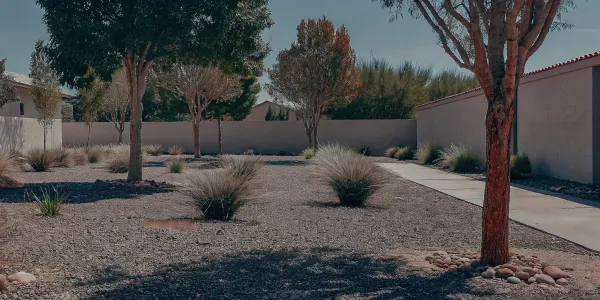
Defensible space is the buffer you create between your home and the surrounding vegetation. It’s one of the most effective ways to protect your property and a major factor for insurers. The goal is to create a zone where a wildfire is less likely to spread directly to your house by clearing flammable materials for at least 100 feet around your home. This includes removing dead plants, trimming low-hanging tree branches, and choosing non-combustible materials like gravel or pavers for areas immediately next to your home.
Insurers are paying close attention to this. Many now use aerial imagery to assess your property, so a clean, well-maintained defensible space is visible proof of your efforts. Document your work and share it with your insurance provider to ensure your risk score reflects your diligence.
Adjust Your Deductible and Bundle Policies
One of the most direct ways to manage your premium is by adjusting your deductible—the amount you pay out of pocket before your insurance coverage begins. Opting for a higher deductible typically lowers your annual premium. However, be aware that many policies in high-risk areas have a separate, higher deductible specifically for wildfire claims, which might be a percentage of your home’s insured value. Before making a change, make sure you have enough savings to comfortably cover the higher deductible if you need to file a claim.
Another proven strategy is to bundle your home and auto policies with the same company. Most insurers offer a significant discount for customers who purchase multiple policies. Ask your agent to run quotes for different deductible levels and bundling options so you can find a balance that fits your budget without leaving you underinsured.
Get Your Home Ready Before You Apply for Insurance
In a challenging insurance market, it’s easy to feel powerless. But you can take meaningful steps to make your home a better risk in the eyes of an insurer. Before you even start filling out applications, investing time in preparing your property can significantly improve your chances of getting approved for coverage—and potentially at a better rate. Think of it as building a case for your home’s insurability. By demonstrating that you’re actively managing your wildfire risk, you show carriers that you are a responsible partner in protecting your property. These actions not only help with insurance but are also the most effective ways to protect your home and family.
Create and Maintain Defensible Space
Defensible space is a buffer you create between your home and the surrounding grass, trees, and wildland. This space is crucial for slowing or stopping the spread of wildfire and protecting your home from direct flame contact and radiant heat. Insurers see it as one of the most critical factors in their assessments. Your goal is to maintain a minimum of 100 feet of defensible space around all your structures. Start by clearing dead plants, leaves, and pine needles from your yard, roof, and gutters. You should also trim tree branches so their lowest limbs are six to ten feet from the ground. Consider using non-combustible materials like gravel or pavers for the area immediately around your home to create an ember-resistant zone. You can learn more about the specific zones from CAL FIRE’s guidelines.
Make Key Home Hardening Upgrades
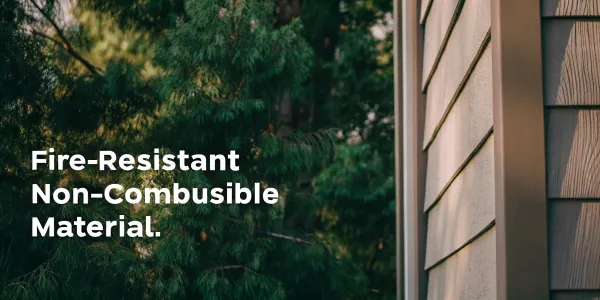
While defensible space manages the landscape, home hardening focuses on making the structure itself more resistant to ignition from embers. Embers are the leading cause of home ignition during a wildfire, so preventing them from finding a receptive spot is key. You can harden your home by making several key upgrades. Start by covering all attic and foundation vents with 1/8-inch metal mesh to block embers from entering. Ensure your roof is a Class A fire-rated assembly, which is the most fire-resistant. Regularly clean your roof and gutters of any flammable debris. For bigger projects, consider using nonflammable materials for eaves, siding, and decking. Even small changes can make a big difference in your home’s ability to survive a wildfire and can be a major factor for insurers.
Have a Documented Evacuation Plan
While it might not seem directly related to your property, having a formal, documented evacuation plan shows an insurer that you are a highly prepared and responsible homeowner. It’s a clear signal that you take risk seriously. A solid plan goes beyond just knowing your routes out of the neighborhood. It means having a clear evacuation strategy and a packed emergency kit with essentials like water, food, medications, and important documents. When you can show an underwriter that you have a comprehensive plan in place, it completes the picture of a well-managed risk. Creating a personalized and thorough plan is simple with the right tools. You can build your own expert-guided Wildfire Action Plan to ensure your family is ready and to demonstrate your preparedness to insurance providers.
Related Articles
- How to Get CA Home Insurance in High Fire Risk Areas
- What Does Wildfire Insurance Cover? A Simple Guide
Pay Less for Home Insurance
and Avoid Non-Renewal?
Our partner, Five Bays Insurance Agency, offers a free policy checkup that spots hidden discounts to make sure you’re not paying more than you should.
Frequently Asked Questions
My insurer dropped me. What should I do first? Receiving a non-renewal notice is stressful, but don't panic. Your first step is to contact an independent insurance agent who specializes in high-risk properties. Unlike an agent who works for a single company, an independent agent can shop your policy to multiple standard insurers at once. Some carriers have a higher risk tolerance than others, and an experienced agent will know which ones are still writing policies in your area. This is the most efficient way to see if you can find coverage in the standard market before moving on to other options.
What's the single most important thing insurers look for when deciding to cover a home? Insurers are looking for clear evidence that you are actively managing your wildfire risk. While many factors matter, the most visible and critical one is your defensible space. They want to see a well-maintained buffer of at least 100 feet around your home that is clear of dead vegetation, dry leaves, and overgrown brush. This, combined with key home hardening features like a Class A fire-rated roof and ember-resistant vents, sends a powerful signal that your property is a lower risk and a better investment for them to insure.
Why is my 'wildfire deductible' so much higher than my regular one? Insurers are using wildfire-specific deductibles to manage their financial exposure in areas with concentrated risk. By making the homeowner responsible for a larger portion of the initial loss, the insurance company reduces its own payout. This deductible is often a percentage of your home's total insured value, which can translate to a significant out-of-pocket cost. It's a tool they use to continue offering coverage in high-risk zones while limiting their potential losses from a large-scale wildfire event.
Is the California FAIR Plan a complete replacement for my old homeowners policy? No, it is not. The FAIR Plan is a policy of last resort that provides essential fire coverage, but it is not comprehensive. A standard homeowners policy bundles protection for many different risks, including liability, theft, and water damage. The FAIR Plan does not include these. To get equivalent protection, you must purchase the basic FAIR Plan policy and then buy a separate "Difference in Conditions" policy from a private insurer to cover everything else.
Will making my home safer actually lower my insurance bill? Yes, it absolutely can, but it's not always an automatic process. Many insurers offer specific discounts for home hardening upgrades like installing a fire-rated roof or ember-resistant vents. You need to be proactive and ask your agent for a list of qualifying improvements. More importantly, these actions make your home more attractive to standard insurers, increasing your chances of getting coverage from a more affordable carrier in the first place. By reducing your risk, you expand your options beyond more expensive last-resort plans.