Create Your Northern California Home Fire Defense Plan
Protect your property with a home fire defense plan Northern California homeowners can trust. Get practical steps for safety, insurance, and peace of mind.
We often picture wildfire as a massive wall of flames, but the real threat to most homes comes from something much smaller: a blizzard of tiny, wind-driven embers. These embers can travel a mile or more ahead of the fire, landing in gutters, under decks, and in vents, igniting your home from within. Protecting your property isn't about building a fortress; it's about systematically sealing the small gaps where these embers can get in. A thorough home fire defense plan Northern California properties need focuses on defeating these fiery intruders before they have a chance to smolder and ignite. This guide will walk you through the critical steps of home hardening and defensible space to create a resilient structure that can withstand an ember storm.
Key Takeaways
- Focus on a Two-Part Defense: Your home's survival depends on two key actions: creating 100 feet of defensible space to slow approaching flames and hardening your home's structure—especially the roof, vents, and windows—to block wind-blown embers.
- Turn Mitigation Work into Insurance Leverage: Don't just do the work—prove it. Document every action with "before and after" photos and receipts to create a portfolio for your insurer. This is your evidence to demand mandatory discounts and show why your policy should be renewed.
- Prioritize the Zone That Matters Most: If you're feeling overwhelmed, start with the most critical five feet immediately surrounding your home. Clearing this "Zone 0" of all flammable materials is a low-cost, high-impact action that creates an essential ember-resistant barrier and serves as the foundation for your entire defense plan.
What is a Home Fire Defense Plan (And Why You Need One Now)
A home fire defense plan is your strategic guide to protecting your property from wildfire. Think of it as more than just a checklist; it’s a comprehensive approach that combines creating defensible space around your home, hardening the structure itself against embers, and using fire-smart landscaping. In the face of growing wildfire threats and a chaotic insurance market, having a clear, actionable plan is one of the most powerful steps you can take to protect your family and your investment.
This isn't just about reacting during an emergency. It's about proactive, year-round work that makes your home less vulnerable to ignition in the first place. A well-documented plan not only gives you peace of mind but also demonstrates to insurance companies that you are actively managing your property’s risk. It’s your best tool for staying insurable and safe in a changing climate.
The New Reality of Wildfire in Northern California
Living in Northern California means accepting that wildfire is a constant threat, not a rare event. The fires are more frequent and intense than ever before, and state regulations are adapting to this new reality. You may have heard about California's proposed Zone Zero regulations, which would require homeowners to create an ember-resistant zone in the five feet immediately surrounding their houses. This isn't just a suggestion from fire officials; it's the direction things are heading. Embers are the primary cause of home ignition during a wildfire, and creating a non-combustible area right next to your foundation is a critical first defense. Waiting for these rules to become mandatory isn't an option when your safety is on the line today.
The Insurance Crisis: Why Non-Renewals Are on the Rise
If you’ve received a non-renewal notice or seen your premiums skyrocket, you’re not alone. California is facing a homeowners insurance market "crisis" as insurers pull back from high-risk areas to limit their financial exposure after years of catastrophic losses. This has forced thousands of homeowners onto the California FAIR Plan, which is meant to be an insurer of last resort. While it provides a safety net, the FAIR Plan often offers less coverage at a higher cost and operates with little transparency.
Insurers are looking for every reason to reduce their risk, and a property without clear mitigation efforts is an easy target for non-renewal. Even temporary moratoriums on policy cancellations won't solve the underlying problem. The message is clear: to remain insurable, you have to prove your home is a lower risk. A documented fire defense plan is your evidence.
Create Your Defensible Space: A Three-Zone Strategy
Creating defensible space is one of the most effective actions you can take to protect your home from wildfire. It’s a buffer you create between your house and the surrounding grass, trees, and wildland. This space is designed to slow or stop the spread of wildfire and protect your home from catching fire—either from direct flame contact or from flying embers. Embers are the primary way homes ignite during a wildfire, and a well-maintained defensible space can make all the difference.
Insurers are paying close attention to these mitigation efforts, and having a properly managed property can significantly impact your ability to get or keep your coverage. The state of California has official defensible space guidelines that break the 100 feet surrounding your home into three distinct zones, each with its own set of requirements. Following this three-zone strategy is a critical part of any effective fire defense plan. It gives firefighters a safer area to work in and dramatically increases your home’s chance of survival.
Zone 0: Clear the 5 Feet Closest to Your Home
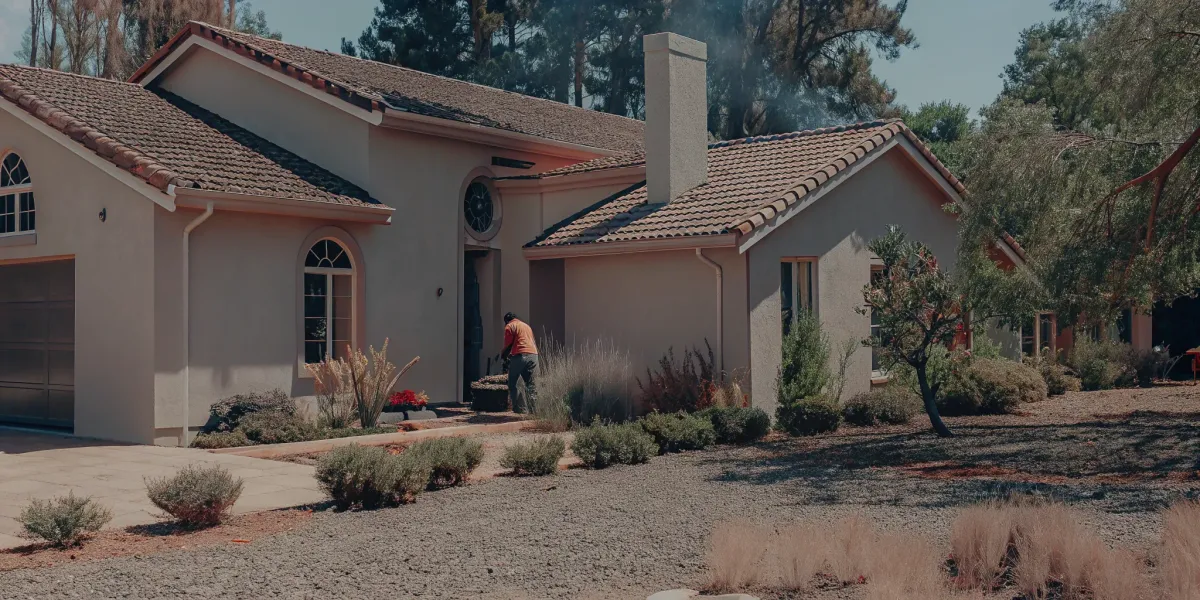
Think of this area—the first five feet out from your foundation—as the Immediate Zone. It is the most critical space to manage because it’s where embers are most likely to land and ignite your home. The goal here is to create a completely non-combustible environment. Start by removing all flammable materials, including wood mulch, bark, and dead plants. Replace them with hardscaping like gravel, pavers, or concrete.
You must also clear all dead leaves, pine needles, and other debris from your roof, gutters, and the area under your deck. Relocate anything that can burn, such as firewood piles, garbage cans, outdoor furniture, and boats, to outside this five-foot zone. If you have a wooden fence or gate that attaches directly to your house, consider replacing that section with a non-flammable alternative like a metal gate.
Zone 1: Keep It Lean and Clean (5-30 Feet)
This zone extends from 5 to 30 feet from your home. The objective here is to interrupt a fire’s path and keep flames from reaching the house. You want to create a "lean and clean" landscape. Remove all dead plants, dry grass, and weeds. Rake up fallen leaves, pine needles, and twigs. If you have trees in this zone, it’s important to create space between them. Trim branches so that canopies are at least 10 feet apart from each other.
You should also remove any tree limbs that hang over your roof or are within 10 feet of your chimney. Create separation between shrubs and other flammable items like patio furniture to prevent fire from jumping from one fuel source to another. This careful spacing starves a fire of the continuous fuel it needs to grow and advance toward your home.
Zone 2: Reduce Flammable Fuel (30-100 Feet)
The final zone stretches from 30 feet to 100 feet from your home, or to your property line if it's closer. The goal in this area is to reduce the overall amount of fuel available to a wildfire, which lowers its intensity and rate of spread. Cut or mow annual grass down to a maximum height of four inches. Create horizontal space between shrubs and trees to break up the continuity of vegetation.
You should also create vertical space by removing the lower branches of trees to a height of 6 to 15 feet from the ground. This helps prevent a ground fire from climbing up into the tree crowns. While you should remove most fallen leaves and needles, it’s acceptable to leave a thin layer (up to three inches deep) to support soil health and prevent erosion.
Key Steps to Harden Your Home Against Embers
While we often picture a massive wall of flames, the real threat to most homes during a wildfire comes from a blizzard of tiny, wind-driven embers. These embers can travel a mile or more ahead of the fire, landing on or in your home and igniting it from within. "Hardening" your home means systematically sealing it against these fiery intruders. It’s one of the most effective ways to protect your property and a critical step that insurers are looking for when they assess your home’s risk.
Focusing on home hardening gives you a tangible way to reduce your vulnerability in a situation that can feel overwhelming. By addressing your home's weakest points—the roof, vents, windows, and siding—you create a structure that is far more likely to survive an ember storm. These upgrades don't just offer peace of mind; they are a direct investment in your home's insurability and long-term safety. Taking these steps is a core part of any effective fire defense plan and shows insurance carriers that you are proactively managing your risk. You can track these improvements and build a comprehensive strategy with a personalized Wildfire Action Plan.
Choose Fire-Resistant Roofing and Siding
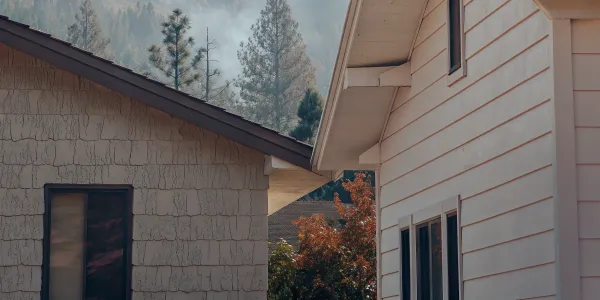
Your roof is the most vulnerable surface on your home, acting as a large landing pad for embers. If you have an old wood-shake roof, replacing it should be your top priority. The goal is to have a Class A fire-rated roof, which is the most resistant to fire. Materials like asphalt composition shingles, metal, concrete, or clay tiles are excellent choices. While you're at it, make sure your gutters are made of metal, not vinyl, and keep them clear of leaves and pine needles, which act as kindling.
Your home’s siding is the next critical area. Flammable wood siding can easily ignite if embers pile up against it. Consider replacing it with non-combustible materials like stucco, fiber cement, or brick. These materials resist ignition and can stop a small ground fire from climbing up your walls.
Seal Gaps to Block Ember Entry
Embers are tiny and can find their way into your home through the smallest openings. Your attic is particularly vulnerable. Carefully inspect your roofline and eaves for any gaps where embers could slip through and ignite the framing. Seal any openings around pipes or under roof tiles with fire-resistant caulk or other appropriate materials.
Don't forget your chimney. If you have a fireplace, cover the opening with a metal screen, also known as a spark arrestor, with openings no larger than a half-inch. This simple addition prevents embers from dropping down your chimney and into your living room. The goal is to create a sealed shell that gives embers no place to hide and smolder.
Secure Your Vents, Windows, and Other Openings
Vents are necessary for airflow, but they are also open invitations for embers. All attic, crawlspace, and foundation vents should be covered with 1/8-inch metal mesh screens. Avoid plastic or fiberglass screens, as they can melt in high heat, rendering them useless. Upgrading to modern, ember-resistant vents is an even better solution, as they are designed to close automatically when exposed to high temperatures.
Windows are another weak point. The intense heat from a nearby fire can cause single-pane windows to shatter, allowing embers to blow directly into your home. The best defense is dual-pane windows with at least one pane made of tempered glass. This combination provides insulation from heat and is much more resistant to breaking. Check that all window frames are in good condition and that there are no gaps where embers could enter.
How to Landscape for Wildfire Safety
Your yard is more than just curb appeal—it’s a key part of your home’s defense against wildfire. The choices you make in landscaping can either provide fuel for a fire or create a buffer that slows its spread and protects your home. Smart landscaping focuses on creating a fire-resistant environment by carefully selecting, placing, and maintaining plants and ground cover. It’s a proactive step that gives firefighters a better chance to defend your property and can make a real difference in how your home weathers a wildfire event.
Plant Fire-Resistant Native Species
The right plants can be your allies in wildfire defense. Instead of flammable species like juniper or cypress, choose native trees and shrubs that are naturally more fire-resistant. These plants typically have higher moisture content in their leaves and don’t accumulate dead, dry material. Large, mature trees, especially native oaks, are generally safer choices. The California Native Plant Society offers excellent guidance on selecting species that are adapted to your local climate, require less water, and are less likely to become fire hazards. Choosing the right plants is a foundational step in creating a landscape that helps protect your home.
Space and Maintain Plants Correctly
Even fire-resistant plants can become a problem if they aren't properly managed. The goal is to prevent fire from climbing from the ground into treetops or jumping from plant to plant. You can do this by keeping plants well-separated, both horizontally and vertically. This breaks up the continuous path of fuel that a fire needs to travel. It’s also crucial to remove the lower branches from trees, a practice known as "limbing up." Prune branches at least six feet from the ground, but don't remove more than one-third of the tree's total height. This simple step helps stop a ground fire from turning into a much more dangerous crown fire.
Use Smart Ground Cover and Irrigation
What you put on the ground matters just as much as the plants you choose. Within the first five feet of your home (Zone 0), avoid flammable materials like wood mulch or pine needles. Instead, use non-flammable ground covers like gravel, pavers, or decomposed granite to create an ember-resistant zone. When it comes to watering, the key is efficiency. Water your native plants deeply but infrequently, perhaps once a month during the dry summer and fall. This keeps them hydrated and less flammable without encouraging weak, shallow root growth. A well-irrigated, thoughtfully designed landscape is a more resilient one.
Common Roadblocks to Wildfire Preparedness (And How to Overcome Them)
Taking action to protect your home from wildfire is one of the most important things you can do. But it isn’t always simple. Knowing the common challenges you might face is the first step to creating a realistic plan you can actually follow. From confusing local rules to the high cost of retrofits and a chaotic insurance market, many homeowners feel stuck before they even start.
The good news is that these roadblocks are not insurmountable. With the right information and a clear strategy, you can move forward with confidence. Let’s break down the three biggest hurdles homeowners face and discuss practical ways to overcome them. By anticipating these issues, you can save yourself time, money, and a lot of frustration while making your home safer.
Dealing with Permits and Regulations
One of the most common frustrations is trying to keep up with changing rules. For example, California has been working to implement a mandatory ember-resistant area, or "Zone Zero," within five feet of every home. However, the rollout of these new regulations has faced delays, leaving many homeowners unsure of what’s required. Local ordinances can add another layer of complexity, making it hard to know where to begin.
How to overcome it: Don’t wait for state mandates to become final. Your local fire department is your best resource for current, actionable standards. Start with the established principles of defensible space and home hardening. Clearing flammable materials from your Zone 0 is a critical first step that requires no permits and will always be a best practice.
Managing the Costs of Mitigation
The cost of making a home wildfire-resistant can feel overwhelming. Replacing a roof, installing fire-rated vents, or upgrading windows can run into thousands of dollars. Many homeowners find these expenses prohibitive, especially when they’re also facing higher insurance premiums. This financial pressure can lead to inaction, leaving properties vulnerable. While regulatory changes are attempting to stabilize the market, the fundamental issue of high mitigation costs remains a significant barrier for many.
How to overcome it: Start small and prioritize. You don’t have to do everything at once. Focus on low-cost, high-impact actions first, like clearing gutters and removing flammable debris. Then, create a long-term budget for bigger projects. Look into local and state grants or financial assistance programs designed to help homeowners with mitigation efforts.
Finding Insurance in a Tough Market
The home insurance market in California is in crisis. With massive wildfire losses, many private insurers are issuing non-renewal notices, leaving homeowners scrambling for coverage. This has pushed hundreds of thousands of people toward the California FAIR Plan, the state’s insurer of last resort. While it provides a safety net, the FAIR Plan often offers less coverage at a higher cost and operates with less transparency than private insurers, creating uncertainty for homeowners.
How to overcome it: Be proactive and persistent. Document every single mitigation measure you take with photos and receipts. This creates a portfolio you can present to insurers to prove your home is a lower risk. Work with an independent insurance broker who specializes in high-risk areas. They will have a better understanding of which carriers are still writing policies in your neighborhood.
How Your Fire Defense Plan Affects Your Insurance
Creating a fire defense plan is about more than just safety—it’s one of the most powerful tools you have to maintain your home insurance. As private insurers pull back from high-risk areas, homeowners who can demonstrate they’ve actively reduced their property’s wildfire risk stand a much better chance of keeping their coverage or finding a new policy. Insurers are no longer just looking at your zip code; they are starting to look at your specific property and the actions you’ve taken.
While California’s insurance market is facing enormous challenges, proactive mitigation puts some control back in your hands. The work you do to create defensible space and harden your home sends a clear signal to insurers: your property is a lower risk. This can directly influence your premiums, your eligibility for coverage, and your ability to avoid being pushed onto the state’s insurer of last resort.
Get the Wildfire Mitigation Discounts You Deserve
Your hard work clearing brush and upgrading your home can translate into real savings. Under a rule from the California Department of Insurance, insurers are now required to offer discounts for specific wildfire mitigation efforts. These actions include creating defensible space, installing fire-resistant roofing, and using non-combustible materials in the five feet closest to your home.
When speaking with your insurance agent, be sure to ask specifically about wildfire mitigation discounts. Each company has its own discount schedule, so the savings can vary. Some apply the discount to the entire premium, while others apply it only to the portion covering wildfire damage. Don’t assume the discount is automatic—you have to ask for it and provide proof of your work.
Document Your Work for Your Insurer
Proof is everything. To get the credit you deserve for your mitigation efforts, you need to create a clear record of everything you’ve done. Think of it as building a portfolio for your home that you can present to your insurance agent.
Start by taking “before” and “after” photos of your property as you clear vegetation and create defensible space. Keep all receipts for services like tree trimming or for materials like ember-resistant vents and fire-retardant siding. Scan these documents and keep them in a digital folder. When it’s time to renew your policy or shop for a new one, you’ll have a comprehensive file that proves you’ve followed guidelines for defensible space and made your home more resilient.
What to Know About the California FAIR Plan
If you’ve received a non-renewal notice and can’t find coverage from a private insurer, you may need to turn to the California FAIR Plan. It’s important to understand that the FAIR Plan is not a standard insurance company; it’s a state-mandated pool designed to be an insurer of last resort. It provides basic fire coverage when no one else will.
However, this coverage is limited. A FAIR Plan policy typically only covers damage from fire and smoke. You will need to purchase a separate, supplemental policy to cover other risks like theft, water damage, and liability. While it serves as a critical safety net, the FAIR Plan can be expensive and offers less comprehensive protection than a traditional homeowners policy. It should be considered a temporary solution while you continue working to make your home insurable on the private market.
Know the Rules and Find Support
Creating a fire-safe home isn't just about following best practices—it's also about meeting specific legal requirements. Understanding these rules is the first step toward compliance and true preparedness. The good news is you don’t have to figure it all out on your own. State and local programs are in place to guide you, and financial assistance is often available to help you get the work done. Knowing the regulations and where to find support can make the entire process feel much more manageable.
Understanding CAL FIRE Requirements
Your first line of defense against a wildfire is your defensible space, and in California, it’s not just a suggestion—it’s the law. CAL FIRE requires homeowners to maintain 100 feet of defensible space around their property. This means regularly clearing out dead grass, dry leaves, and overgrown vegetation that could act as fuel for a fire. By removing these hazards and creating separation between trees and shrubs, you create a vital buffer that can slow a fire’s spread and give firefighters a chance to defend your home. Think of it as a non-combustible perimeter that protects your biggest investment.
Checking Local Fire Department Standards
While CAL FIRE sets the baseline for the entire state, your local fire department may have its own, often stricter, standards. Different communities face unique risks based on their specific terrain, climate, and housing density, so local ordinances are tailored to address those conditions. It is essential to check directly with your local fire department or district to understand their specific requirements for defensible space and home hardening. A quick call or visit to their website can give you the exact information you need to ensure your property is fully compliant, which is critical for both your safety and your insurance.
Finding Grants and Financial Help
The cost of creating defensible space and hardening your home can be a major hurdle, but financial help is available. If you live in a high-risk area, you may be eligible for grant funding to help cover the costs of meeting state-mandated requirements. Organizations like the California Fire Safe Council run programs that support homeowners with defensible space projects, often working through a local network of partners. These Fire Safe Council programs are designed to help at-risk communities become more resilient, so be sure to see what resources are available in your county.
Build Your Personalized Wildfire Action Plan
A generic checklist won't cut it when your home and safety are on the line. Every property has a unique risk profile based on its location, construction, and surrounding landscape. A personalized Wildfire Action Plan is your roadmap for addressing those specific vulnerabilities. It moves you from feeling overwhelmed by the threat of wildfire and the instability of the insurance market to taking clear, decisive steps to protect what matters most.
This plan isn't just about clearing brush. It’s a comprehensive strategy that integrates defensible space, home hardening, and your family’s emergency procedures into a single, manageable system. Think of it as the operational guide for your home's safety. By creating a tailored plan, you document your mitigation efforts for insurers, create a clear maintenance schedule you can stick to, and ensure your family knows exactly what to do when a wildfire threatens. It’s the most effective way to regain a sense of control in an unpredictable environment.
Assess Your Home's Unique Risk
The first step is to understand exactly what you’re up against. Your home’s specific risk is shaped by its construction materials, the slope of your land, and the types of vegetation surrounding it. A home on a steep, chaparral-covered hillside faces different challenges than one in a flat, pine-forested area. Your assessment should identify the most immediate threats. Is it the old wood shake roof? The dense shrubs growing right up to your deck? Or the pine needles piling up in your gutters?
Your defensible space is the first line of defense for your home against wildfire, so start your assessment there. Walk your property and look at it with a critical eye, identifying potential fuels that could carry a fire directly to your house. This evaluation is the foundation of your entire plan.
Create a Timeline and Maintenance Schedule
Once you’ve identified the risks, the next step is to schedule the work. A long list of tasks can feel daunting, but a timeline breaks it down into achievable goals. Your plan should include a year-round maintenance calendar. For example, you might focus on clearing dead vegetation and pruning trees in the spring, cleaning your roof and gutters in the fall, and checking your vents and seals before the peak of fire season.
This schedule ensures that wildfire preparedness becomes a regular habit, not a last-minute panic. Remember, California law requires 100 feet of defensible space, and maintaining it is an ongoing responsibility. By creating a clear timeline, you make this crucial work manageable and ensure your property remains protected year after year.
Integrate Your Evacuation and Emergency Plan
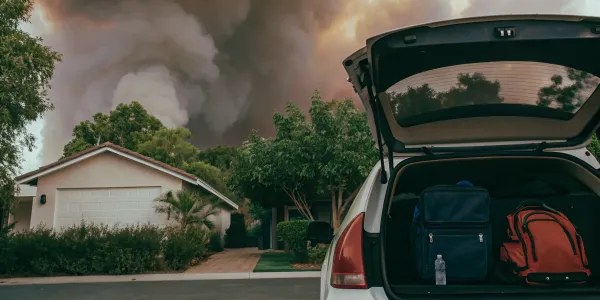
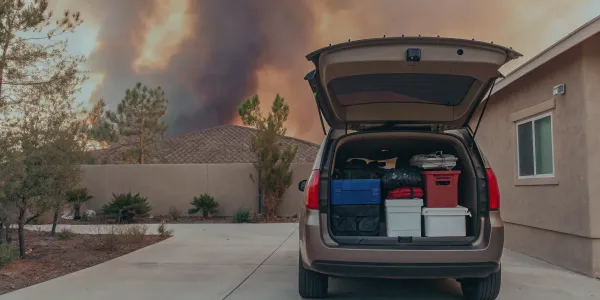
Protecting your property is critical, but ensuring your family’s safety is the top priority. Your home defense plan is incomplete without a clear evacuation and emergency strategy. This means knowing your primary and secondary escape routes, having a designated meeting place, and preparing "go bags" for every family member and pet. Your plan should also include a communication strategy in case cell service goes down.
While California's efforts to stabilize the insurance market are ongoing, homeowners can't afford to be passive. Integrating your evacuation plan with your property protection plan creates a complete safety system. It ensures that while you are doing everything possible to help your home survive a wildfire, you are also fully prepared to leave safely when authorities issue the order. You can start building your own Wildfire Action Plan today to bring all these pieces together.
Related Articles
- Wildfire Risk Insurance: A Complete Guide
- What Does Wildfire Insurance Cover? A Simple Guide
- How to Get CA Home Insurance in High Fire Risk Areas
- How to Do a Wildfire Home Assessment in NorCal
Frequently Asked Questions
I'm overwhelmed. What's the single most important thing I should do first? Start with the five feet closest to your house, what fire officials call Zone 0. This is the most critical area because it's where embers are most likely to land and ignite your home. Walk around your foundation and remove anything that can burn—wood mulch, dead leaves, pine needles, and even flammable patio furniture. Replace it with non-combustible materials like gravel or pavers. This single action requires no special permits, is often low-cost, and creates a powerful, immediate buffer against embers.
Will creating a fire defense plan guarantee my insurance won't be canceled? While there are no guarantees in the current insurance market, having a documented fire defense plan is the most powerful tool you have to improve your odds. It demonstrates to insurers that you are actively managing your property's risk, making your home a much better bet than a neighboring property with no mitigation. Think of it as building a case for your home's insurability. By proving you've taken concrete steps, you significantly increase your chances of keeping your policy or finding a new one.
What's the difference between 'defensible space' and 'home hardening'? Think of it this way: defensible space is about managing the area around your home, while home hardening is about strengthening the structure of your home. Defensible space involves clearing vegetation in zones to slow a fire's approach. Home hardening focuses on preventing embers from getting inside your house by sealing gaps, installing fire-resistant vents, and using non-combustible building materials like a Class A roof. You need to do both for a complete defense strategy.
Many of these upgrades are expensive. Are there low-cost actions that still make a big difference? Absolutely. You don't have to replace your roof and siding tomorrow to make your home safer. Start with the tasks that cost more in labor than in cash. Regularly clean your gutters and roof of all leaves and pine needles. Rake up dead vegetation and create that five-foot non-combustible zone around your foundation. Cover your attic and foundation vents with 1/8-inch metal mesh. These actions are highly effective at stopping embers and are things you can often do yourself.
How often do I need to work on my defensible space? Is it a one-time project? Wildfire preparedness is an ongoing habit, not a one-and-done project. Your landscape is always growing and changing. You should plan to walk your property and perform maintenance at least twice a year—once in the spring to prepare for fire season and again in the fall to clear away dead leaves and debris. Creating a simple maintenance calendar as part of your fire defense plan helps make this a manageable, year-round routine.