7 Fire Wise Landscaping Ideas for a Safer Front Yard
Protect your home with these fire wise landscaping ideas for front yard safety. Learn practical steps to reduce wildfire risk and improve your property’s resilience.
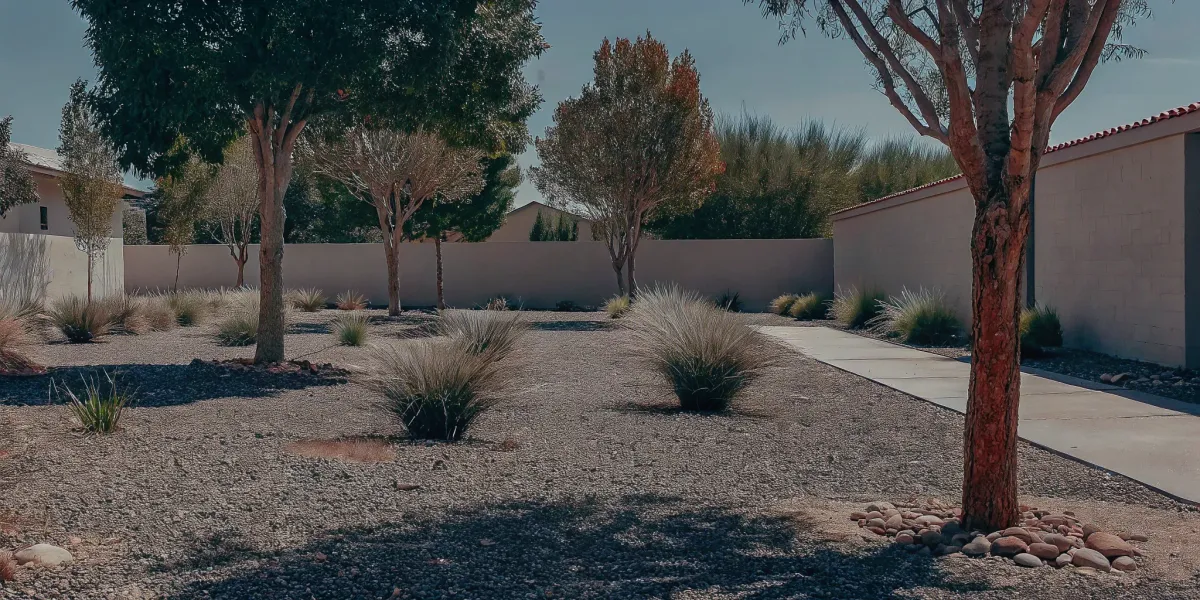
Most homes lost in a wildfire are not consumed by the main wall of flames. They are ignited by a blizzard of tiny, wind-blown embers that land on or near the house, finding fuel in dry leaves, flammable plants, or bark mulch. Your front yard is the primary landing zone for this ember attack. It can either provide the kindling needed to ignite your home or serve as a non-combustible barrier where embers land and die out. Creating this ember-resistant buffer is one of the most critical things you can do. This guide provides the essential fire wise landscaping ideas for front yard designs to help you win the battle against embers before they ever reach your walls.
Pay Less for Home Insurance
and Avoid Non-Renewal?
Our partner, Five Bays Insurance Agency, offers a free policy checkup that spots hidden discounts to make sure you’re not paying more than you should.
Key Takeaways
- Master the First Five Feet: The most critical step is creating an ember-resistant zone from your foundation out to five feet. Replace flammable bark mulch and dense shrubs with non-combustible materials like gravel or pavers to create a buffer where embers cannot ignite your home.
- Create Fuel Breaks, Not a Barren Yard: A resilient landscape is about strategic separation, not total removal of plants. Use hardscaping like stone walkways to create definitive fire breaks and space out fire-resistant plants to prevent flames from forming a continuous path to your house.
- Document Everything for Your Insurer: Your firewise upgrades are a direct investment in your home's insurability. Keep detailed records with before-and-after photos and receipts to provide concrete proof to your insurance company that you have actively reduced your property's risk.
What is Firewise Landscaping and Why Does It Matter?
When you think about protecting your home from wildfire, you might picture new roofing or ember-proof vents. But your first line of defense starts right at your curb. Firewise landscaping, also called "firescaping," is a strategic approach to your yard that can dramatically reduce your home's risk. It’s not about clearing everything down to the dirt; it’s about making smart, intentional choices with plants, spacing, and materials to create a buffer that can slow or even stop a wildfire from reaching your house.
The core goal is to create what fire professionals call defensible space. This is the managed area around your home that gives firefighters a chance to safely defend it and reduces the likelihood of the structure catching fire in the first place. Think of it this way: the plants and materials in your yard can either act as fuel for a fire or as a barrier against it. By choosing fire-resistant plants, creating fuel breaks with walkways and patios, and performing regular maintenance, you’re actively starving an approaching fire of the fuel it needs to spread. This not only protects your property but is also a critical step insurers look for when deciding whether to offer or renew a policy in a high-risk area.
What Are Defensible Space Zones?
Defensible space isn't just one big area; it's a series of zones that require different levels of attention. Understanding these zones is the key to making your efforts effective. Fire officials break down your property into three main areas, starting from your house and moving outward.
- Zone 0 (0-5 feet): This is the most critical zone, often called the ember-resistant zone. Nothing combustible should be here. Use non-flammable materials like gravel, pavers, or concrete. This is not the place for bark mulch or overgrown shrubs.
- Zone 1 (5-30 feet): Known as the "lean, clean, and green" zone, this area should feature well-spaced, irrigated, and properly maintained fire-resistant plants.
- Zone 2 (30-100 feet): Here, the goal is fuel reduction. This involves thinning out trees, removing lower branches, and clearing dead vegetation from the ground.
Even if your property doesn't extend 100 feet, focusing intensely on Zone 0 and Zone 1 can make a massive difference.
How Your Front Yard Acts as Your First Line of Defense
Your front yard is the welcome mat for your home—for guests, but also for wildfire embers. During a wildfire, millions of embers can travel a mile or more ahead of the actual flames, landing on roofs, in gutters, and across your yard. If those embers land on flammable materials like dry grass, dead leaves, or dense shrubs pressed against your house, they can easily ignite your home.
A fire-safe front yard is designed to repel these embers. By creating non-combustible pathways and using materials like gravel or rock right next to the foundation, you create a barrier where embers can land and burn out harmlessly. Properly spaced, well-watered plants are less likely to ignite from ember contact. This strategic design doesn't just protect your home; it creates a safer environment for firefighters to work in, giving them the space they need to defend your property if a wildfire approaches.
Key Principles for a Fire-Safe Front Yard
Your front yard is more than just curb appeal; it’s your home’s first line of defense against wildfire. Creating a fire-wise landscape isn’t about clearing everything down to bare dirt. It’s about making smart, strategic choices that disrupt a wildfire’s path and reduce the chances of embers igniting your home. By focusing on a few core principles, you can build a front yard that is both beautiful and resilient.
The goal is to slow a fire down and reduce its intensity before it reaches your walls. This involves creating intentional gaps in vegetation, managing areas where fire could spread quickly, and using materials that won't burn. These steps are fundamental to creating defensible space, a concept that is crucial for protecting your property and is something insurance companies look for when assessing your home’s risk. Think of your landscaping as an active part of your home’s safety system.
Create Fuel Breaks with Smart Plant Spacing
The single most important concept in fire-wise landscaping is creating space between flammable things. Plants, trees, and shrubs are fuel for a fire. When they’re planted too close together, they create a continuous path for flames to travel directly to your home. By spacing them out, you create fuel breaks—gaps that can rob a fire of its momentum.
Start by looking for "ladder fuels," where fire can climb from low-growing plants to overhanging tree branches. Trim tree limbs at least six to ten feet up from the ground to break this ladder. Space out shrubs so their canopies don’t touch when they’re fully grown. This prevents fire from jumping from one plant to the next. Proper spacing is your best tool for turning a dense, fire-prone yard into a defensible buffer.
Manage Slopes and Potential Ember Traps
If your property is on a slope, you need to be extra vigilant. Fire spreads much faster uphill, as heat from the flames preheats the fuel above it. This means you need to be more aggressive with clearing and spacing on any sloped areas of your yard. The steeper the slope, the more space you need between plants and your home.
Also, pay close attention to "ember traps." These are any spots where wind-blown embers can gather and smolder, like the base of a dense shrub, piles of dry leaves against a fence, or in the nooks of a retaining wall. During a wildfire, embers can travel a mile or more ahead of the actual fire front. Keeping these small, vulnerable areas clean is just as important as managing the larger landscape.
Establish Fire-Resistant Barriers
One of the most effective ways to stop a ground fire is to put something in its path that won’t burn. This is where hardscaping comes in. Using non-combustible materials creates definitive fire breaks. Think of a gravel walkway, a stone retaining wall, a brick patio, or a wide concrete path. These features act as barriers that can halt the spread of flames across your yard.
These barriers are especially critical in the five feet immediately surrounding your home—an area known as the ember-resistant zone. Fire Safe Marin recommends using materials like rock, gravel, and pavers to create a clean, non-flammable perimeter. This simple step makes it much harder for embers to find fuel and ignite your siding, proving that a safe yard can also be a well-designed one.
Best Fire-Resistant Plants for Your Front Yard
Choosing the right plants is one of the most effective steps you can take to protect your home. It’s important to understand that no plant is truly "fireproof." Instead, "fire-resistant" plants are those that are less likely to ignite and burn rapidly because they have high moisture content, supple leaves, and watery sap. They don't accumulate dead, dry material and tend to have low levels of volatile oils or resins. Think of it as choosing materials for your home's exterior—you wouldn't choose a highly flammable siding, and the same logic applies to your landscape.
Making smart choices about what you plant in your defensible space zones can dramatically slow a wildfire's spread and reduce the intensity of flames near your home. This isn't about creating a barren, rock-filled yard. It's about selecting beautiful, hardy plants that contribute to your home's safety rather than its risk. By replacing highly flammable species with fire-resistant alternatives, you create a landscape that is not only safer but also often more sustainable and easier to maintain. This is a critical component of any Wildfire Action Plan and a tangible step that can give you peace of mind and potentially make your property more attractive to insurers. The right plants, properly maintained, are a key part of a resilient home.
Fire-Resistant Trees and Shrubs
When it comes to larger plants, the goal is to select species that won't act like torches in a fire. Deciduous trees—those that lose their leaves in the fall—are often excellent choices because they have higher moisture content in their leaves during fire season. Some of the best options include Honey locust, California Bay Laurel, and Live Oak. These trees have strong structures and are less likely to create a ladder of fuel for flames to climb. When planting, remember that placement is just as important as selection. Keep tree canopies at least 10 feet away from your roof and other trees to prevent fire from jumping from one to another.
Hardy Ground Covers and Perennials
Low-growing ground covers and perennials are your best friends in a fire-wise yard. They help retain soil moisture and can act as a living fire break, slowing the spread of flames along the ground. Look for succulent-type plants and those with fleshy leaves. Great choices include Creeping Thyme, Stonecrop (Sedum), and various types of ice plant. These plants stay close to the ground and don't produce a lot of dry, dead material. For areas immediately next to your home, in the 0-5 foot ember-resistant zone, consider using non-combustible options like gravel, stone pavers, or concrete walkways to create a definitive barrier where embers can't find fuel.
Plants to Avoid in High-Risk Fire Zones
Just as important as knowing what to plant is knowing what to remove. Certain plants are notoriously flammable and can act as a powerful fuel source for wildfire. These species often contain flammable oils, resins, or waxes, and they tend to accumulate a lot of dead, dry needles and leaves. You should avoid planting—and consider removing—species like Juniper, Cypress trees (including Leyland and Italian), Arborvitae, and Rosemary. Other high-risk plants include Eucalyptus, Pampas Grass, and most Pine trees. These plants can ignite easily and burn intensely, creating a significant threat to your home. A comprehensive guide to firewise landscape design can help you identify other risky plants in your yard.
How to Design a Yard That's Both Beautiful and Safe
Creating a fire-safe yard doesn't mean you have to surround your home with concrete and gravel. A beautiful, thriving landscape can also be your best defense against wildfire. The key is to make strategic design choices that blend aesthetics with safety principles. By thoughtfully selecting materials, arranging plants, and incorporating non-combustible features, you can build a front yard that not only has curb appeal but also serves as a crucial buffer against flames and embers. It’s about working smarter, not harder, to create a space that is both welcoming and resilient.
Use Hardscaping to Create Natural Fire Breaks
One of the most effective ways to slow a wildfire is to deny it fuel. This is where hardscaping comes in. Features like patios, walkways, and retaining walls made from non-combustible materials create natural fire breaks. Think of using things that don't burn, like rocks, gravel, brick paths, and stone walls. These elements can interrupt the path of a ground fire, preventing it from reaching your home. For example, a wide stone walkway can separate a lawn from a garden bed, while a gravel path around your home’s perimeter can stop embers from igniting foundation plantings. These functional firescaping features are low-maintenance and add structure and beauty to your yard.
Choose Non-Flammable Mulch and Materials
Mulch is great for retaining moisture and suppressing weeds, but the wrong kind can be a serious fire hazard. Within the first five feet of your home—the most critical zone for ember defense—avoid using flammable materials like shredded bark or pine needles. Instead, opt for non-combustible options like gravel, pavers, or decomposed granite. These materials won't ignite if embers land on them. For garden beds further from your house, composted wood chips are a safer choice than other wood mulches because they hold more moisture and burn much more slowly. Making smart mulch choices is a simple but powerful step in protecting your home.
Balance Safety Zones with Curb Appeal
A fire-wise landscape is a living system, not a static checklist. While defensible space zones provide an essential framework, true safety comes from understanding how your yard will evolve. Simply following plant spacing rules isn't enough, as this approach often fails to address the complexities of how fire behaves. As plants mature and climate patterns shift, your fire risk profile can change, too. Regular maintenance and evaluation are crucial. Think of your defensible space zones as a guide for creating a beautiful, layered design with carefully selected plants and hardscaping, rather than a rigid set of rules that leads to a barren yard. This approach allows you to build a resilient landscape that you can also enjoy.
How to Create Defensible Space in Your Front Yard
Creating defensible space is one of the most effective actions you can take to protect your home from wildfire. Think of it as a protective bubble around your house, divided into specific zones. Each zone has a different job, but they all work together to slow or stop the spread of flames and embers. By strategically managing the vegetation and materials in your front yard, you give your home a fighting chance and provide a safer area for firefighters to work if they need to defend your property. It’s a proactive step that puts you in control, and it’s something insurers look for when assessing your property’s risk, which can be critical for maintaining coverage.
Zone 0: The Ember-Resistant Zone (0-5 Feet)
This is the most critical area, extending five feet out from your home’s foundation, decks, and patios. In this zone, the goal is zero fuel. California law now mandates the removal of all flammable materials here. This means you should have NO plants, flammable mulch like bark or pine straw, outdoor furniture, or firewood stacks right next to your house. Instead, create a clean, non-combustible buffer using materials like gravel, pavers, or concrete. This simple, clear space is your home’s best defense against wind-blown embers, which are the leading cause of homes igniting during a wildfire. A stray ember landing in a flowerbed next to your siding can be all it takes to start a fire.
Zone 1: The Lean, Clean, and Green Zone (5-30 Feet)
Stretching from 5 to 30 feet from your home, this area is your "Lean, Clean, and Green Zone." The goal here isn't to eliminate all plants but to manage them carefully to reduce fuel. This zone should feature fewer plants, specifically fire-resistant varieties that are less likely to ignite, and they should be spaced out to minimize fire risk. Break up continuous vegetation with hardscaping like walkways or rock gardens to create fuel breaks. Keep trees pruned so the lowest branches are 6 to 10 feet from the ground, and ensure there’s plenty of space between individual shrubs. Regularly remove dead leaves, needles, and other debris to keep the area clean and reduce potential fuel for a fire.
Manage the Transition Between Zones
Effectively managing the transition between these zones is crucial for creating a cohesive defense. The key is to prevent fire from climbing from the ground into trees or jumping from one plant to another. Regularly trim tree branches to keep them a safe distance from your roof and chimney, and space out shrubs to stop flames from spreading horizontally. Remember that your landscape is always changing. Regular landscape evaluations are vital as plants grow, seasons change, and climate patterns shift. Maintaining your defensible space isn’t a one-and-done project; it’s an ongoing commitment to keeping your home and family safe year after year.
Smart Irrigation and Maintenance for a Fire-Safe Yard
A firewise landscape isn’t a one-time project; it’s an ongoing commitment to keeping your property safe. Once you’ve chosen the right plants and created defensible space, regular upkeep is what maintains that protection. Think of it like any other home maintenance task—a little effort on a consistent basis prevents bigger problems down the road. Proper watering, seasonal clean-ups, and routine inspections are the three pillars of a well-maintained, fire-resistant yard. These simple habits ensure your front yard remains a strong first line of defense against embers and flames. Integrating these tasks into your routine is a powerful way to manage your property’s risk, and you can track them all in your personalized Wildfire Action Plan.
Water Efficiently to Maintain Fire Resistance
Well-hydrated plants are less likely to ignite. As landscaping experts note, healthy plants with plenty of moisture are harder to burn. The goal isn't to waste water but to use it strategically to keep your fire-resistant plants healthy and green. Consider installing a drip irrigation system or using soaker hoses, which deliver water directly to the roots and minimize evaporation. Water early in the morning to reduce water loss and ensure plants have the moisture they need to get through the hottest part of the day. This approach keeps your landscape lush and fire-resistant while also being mindful of water conservation, a critical concern for many homeowners in high-risk areas.
Clear Debris and Prune Plants Seasonally
One of the most important things you can do is keep your yard tidy. Dead leaves, pine needles, and dry twigs are fuel for a fire. As Fire Safe Marin advises, you should regularly remove dead plants and debris from your yard, gutters, and roof. This isn't just a fall activity; it's a year-round responsibility. Prune any dead or dying branches from trees and shrubs, especially those within 30 feet of your home. Keeping plants properly maintained prevents them from becoming a fire ladder that could carry flames from the ground to your roof. A clean yard is a safer yard.
Perform Regular Safety Inspections
Your yard is a living, changing environment. Plants grow, weather patterns shift, and new risks can emerge over time. That’s why performing regular safety inspections is so important. At least twice a year, walk around your property with a critical eye. Are tree branches growing too close to your roof or power lines? Has a thick layer of pine needles accumulated under your deck? Are there any new "ember traps" where flammable debris is collecting? These routine evaluations help you spot and address potential hazards before they become serious threats, ensuring your firewise landscape remains effective year after year.
Common Firewise Landscaping Mistakes to Avoid
Creating a fire-safe yard is one of the most powerful steps you can take to protect your home, but good intentions can sometimes be guided by bad information. Many well-meaning homeowners fall for common myths that offer a false sense of security and, in some cases, can even create unintended hazards. You might think you’re doing everything right, only to discover that your choices could put your property at greater risk when embers start to fly. Understanding these pitfalls is the first step toward building a landscape that is truly resilient.
Avoiding these mistakes isn't about achieving perfection; it's about making informed choices that genuinely reduce your property's vulnerability. The goal is to create a space where a wildfire has a harder time finding fuel and spreading toward your home. This is what insurers are looking for, and it's what will give you peace of mind. By moving past the myths and focusing on proven strategies, you can design a front yard that is not only beautiful but also a robust line of defense against wildfire. Let's look at a few of the most common errors homeowners make, so you can be sure your hard work is paying off.
Mistake #1: Thinking It Has to Be All Gravel
Many people assume that replacing all vegetation with gravel or rock is the ultimate firewise solution. While hardscaping is a critical tool for creating fuel breaks, a yard composed entirely of inorganic material isn't necessarily safer. Dry leaves, pine needles, and other windblown debris can easily accumulate on top of gravel, creating a flammable layer that embers can ignite. A better approach is to strike a balance. Use hardscaping like patios, walkways, and rock beds to break up fuel continuity, but integrate well-spaced, properly maintained, fire-resistant plants to create a landscape that is both safe and alive.
Mistake #2: Over-Relying on Sprinkler Systems
An automatic sprinkler system can be a valuable asset, but it is not a substitute for smart landscaping. Relying on sprinklers to protect flammable, overgrown, or poorly placed plants creates a dangerous illusion of safety. During a major wildfire, power outages are common and water pressure can drop, potentially rendering your system useless when you need it most. Sprinklers are most effective when they are used to maintain the health of high-moisture, fire-resistant plants within a well-designed defensible space. Think of your irrigation system as a supporting tool, not your primary defense. Your first priority should always be removing flammable fuels and making smart plant choices.
Mistake #3: Ignoring Proper Plant Spacing
Creating defensible space is about more than just keeping plants a certain distance from your house. It’s also about managing the space between plants to prevent fire from spreading from one to another. Many homeowners focus on the distance from the home but neglect to thin out vegetation, allowing fire to create a continuous path across their yard. This is especially dangerous on slopes, where fire can move uphill rapidly. Following guidelines for defensible space means ensuring both vertical and horizontal separation between shrubs and trees. This interrupts the fire's path, forcing it to drop to the ground where it is less intense and easier for firefighters to control.
Overcoming Common Firewise Landscaping Hurdles
Creating a fire-safe yard is one of the most powerful steps you can take to protect your home, but it’s not always a simple weekend project. Many homeowners run into challenges with cost, confusing rules, or property limitations. Let’s walk through some of the most common hurdles and how you can clear them.
Addressing Costs and Long-Term Maintenance
The initial cost of removing flammable plants, adding hardscaping, and purchasing fire-resistant species can feel daunting. It helps to view this as a long-term investment in your home’s safety and insurability, not just a landscaping expense. Your yard also isn’t a one-and-done project; it requires ongoing attention. As plants mature and climate patterns change, you’ll need to perform regular maintenance to keep it effective. You can start small by focusing on Zone 0 first, then expanding your efforts as your budget allows. Some areas also offer local grants to help homeowners cover the costs of creating defensible space.
Navigating Plant Selection and Local Rules
Choosing the right plants can be confusing, especially when you’re trying to balance local regulations with fire-safe principles. Some communities have outdated guidelines, and you might hear conflicting advice about using native plants. While many native species are excellent, fire resistance is the most important factor. A plant’s tendency to hold onto dead material, its moisture content, and its growth habit matter more than its origin. Your local fire district or a university extension program can be an invaluable resource for finding a list of recommended plants that are both beautiful and appropriate for your specific area.
Working with Limited Space or HOA Restrictions
If you live in a dense neighborhood or have a small yard, you might feel like you don’t have enough room to create meaningful defensible space. But even in tight quarters, you can make a huge impact. Focus intensely on the 0-5 foot ember-resistant zone directly around your home—this is your most critical area. If you’re part of a homeowners association (HOA), their rules might limit your plant or material choices. Start by reviewing your HOA’s guidelines and opening a conversation with the board. Presenting Firewise landscaping as a way to protect the entire community can help get your neighbors and board members on board with updating outdated rules.
How Firewise Landscaping Impacts Your Home Insurance
Creating a firewise front yard is more than just a safety measure; it’s a critical financial decision. In high-risk areas, especially across California, insurers are scrutinizing properties like never before. The steps you take to reduce your home’s vulnerability can directly influence your ability to get and keep affordable home insurance. A well-maintained, fire-resistant landscape sends a clear signal to insurers: you are a proactive homeowner who is actively managing your risk.
As wildfire threats have increased, fire-resistant landscaping has become a key factor in property protection and insurability. Insurers are no longer just looking at your address on a map. They are looking at the specific actions you’ve taken to harden your home and create defensible space. By investing in a fire-safe yard, you’re not just protecting your home from embers—you’re protecting your eligibility for coverage in a very challenging market. This is one of the most powerful ways you can take back some control.
Know What Insurers Look For
When an insurance underwriter or inspector evaluates your property, they are looking for specific vulnerabilities. They see a dense row of junipers against your house not as privacy screening, but as a wick that could carry fire directly to your walls. They see a thick layer of pine needles on the roof as a pile of kindling waiting for a stray ember. Insurers want to see clear evidence of defensible space, particularly in the 0-5 foot zone around your home’s foundation. They look for non-combustible materials like gravel or pavers, well-pruned trees, and the absence of flammable debris. Understanding their perspective helps you prioritize the changes that matter most.
Document Your Upgrades for Potential Discounts
Treat your firewise landscaping projects like any other major home improvement. Keep detailed records of everything you do. Take before-and-after photos of your yard, save receipts for fire-resistant plants and non-combustible mulch, and keep invoices from any tree-trimming or landscaping services you hire. While state-mandated discounts are still evolving, this documentation serves as powerful proof of your mitigation efforts. When your policy is up for renewal, you can present this portfolio to your agent to demonstrate that you’ve actively lowered your property’s risk. This proactive step can be a deciding factor in an insurer’s decision to continue your coverage.
Make Landscaping Part of Your Wildfire Action Plan
Your landscaping choices shouldn't happen in a vacuum. They are a fundamental piece of your overall wildfire safety strategy. The concept of firescaping uses fire-resistant designs and materials, combined with strategic plant selection, to actively resist the spread of fire to your home. This approach should be integrated with your home hardening efforts and your family’s evacuation plan. By thinking holistically, you create multiple layers of defense. Your yard becomes your first buffer, giving firefighters a safer space to work and reducing the chances that embers will find fuel near your home. A comprehensive strategy shows insurers you’re serious about protection. You can build your own custom strategy using the Wildfire Action Plan to ensure all your safety measures work together seamlessly.
Related Articles
Pay Less for Home Insurance
and Avoid Non-Renewal?
Our partner, Five Bays Insurance Agency, offers a free policy checkup that spots hidden discounts to make sure you’re not paying more than you should.
Frequently Asked Questions
Do I have to replace my entire yard with gravel to make it fire-safe? Not at all. That’s a common myth that leads to yards that are neither beautiful nor as safe as they could be. The goal is to create a balance between non-flammable materials and well-chosen, fire-resistant plants. Use hardscaping like gravel paths, stone patios, and rock borders to create strategic breaks that stop a fire’s path. Then, fill in the other areas with properly spaced, high-moisture plants. A yard covered only in rock can still accumulate flammable leaves and pine needles, so a thoughtful mix is always the better approach.
What's the most important first step if I'm on a limited budget? Focus all your initial energy and resources on the five feet immediately surrounding your home’s foundation. This area, known as Zone 0 or the ember-resistant zone, is the most critical space for protecting your house. Embers are the primary way homes ignite during a wildfire, and giving them nothing to land on next to your siding is your strongest defense. Clear out all flammable materials—bark mulch, shrubs, woodpiles—and replace them with something that won't burn, like gravel or pavers. This single action provides the biggest safety return on your investment.
Are native plants automatically fire-resistant? This is a great question, and the answer is no, not necessarily. While many native plants are wonderfully adapted to the local climate, their fire resistance depends on their specific characteristics, not their origin. What matters most is a plant's structure, moisture content, and whether it accumulates dead, dry material. Some native plants, like certain types of sage or manzanita, can be quite flammable. Your best bet is to consult a local fire-safe plant list from your fire district or a university extension program to choose species that are proven to be both hardy and fire-resistant in your specific area.
Will creating a firewise yard guarantee my insurance won't be canceled? While there are no absolute guarantees in today's challenging insurance market, creating a firewise landscape is one of the most powerful actions you can take to stack the odds in your favor. It demonstrates to insurers that you are proactively managing your property's risk, which can make you a much more attractive client. Think of it as showing your work. By documenting your upgrades with photos and receipts, you provide tangible proof that your home is a lower risk than a property with overgrown, flammable vegetation. This can be a deciding factor in an insurer's decision to offer or renew your policy.
How often do I need to maintain my firewise landscape? A fire-safe yard isn't a one-and-done project; it requires consistent upkeep to remain effective. Think of it as part of your regular home maintenance routine. At a minimum, you should do a thorough clean-up and inspection at the beginning of fire season each spring. Throughout the year, make it a habit to clear fallen leaves and needles, prune dead branches from trees and shrubs, and ensure your gutters and roof are free of debris. Plants grow and seasons change, so regular attention is key to ensuring your yard stays a strong line of defense.