Top Fire Resistant Home Improvements for Northern California
Protect your property with fire resistant home improvements Northern California homeowners trust. Learn practical upgrades to keep your home safer and insurable.
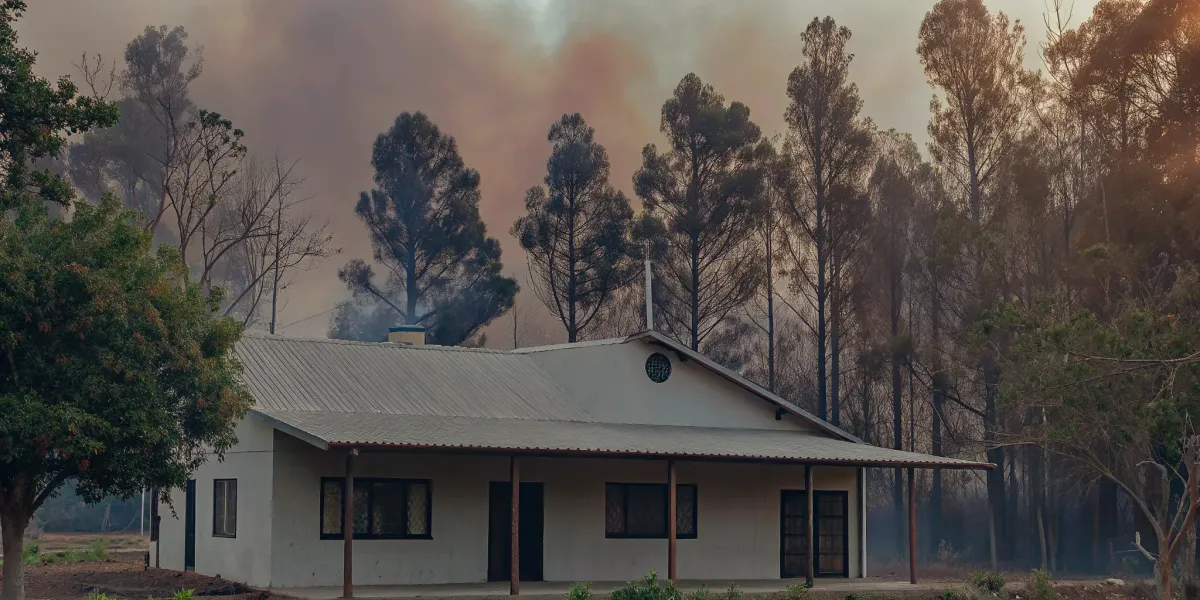
Your home is likely your largest financial asset, but its value is directly tied to its insurability. In today's challenging market, a home that cannot be insured is a home that cannot be mortgaged, which can severely limit its pool of potential buyers and drastically reduce its market value. This new reality has made proactive risk reduction more important than ever. Investing in fire resistant home improvements Northern California is no longer just a safety measure; it's a crucial strategy for protecting your equity. By making documented upgrades, you demonstrate to insurers and future buyers that your property is a lower risk and a more secure investment. This guide focuses on the upgrades that protect your home's value, helping you make smart financial decisions that enhance safety and secure your asset for the long term.
Key Takeaways
- Focus on Embers, Not Just Flames: Your home's biggest threat comes from tiny, wind-driven embers. Prioritize sealing entry points like vents with metal mesh, installing a Class A fire-rated roof, and maintaining a five-foot non-combustible zone around your foundation.
- Document Upgrades to Prove Your Home is a Lower Risk: Your home hardening efforts are your best leverage with insurers. Keep a detailed record of all improvements—including photos, receipts, and permits—to demonstrate your proactive risk reduction and qualify for potential discounts.
- Make a Phased Plan to Manage Costs: You don't have to do everything at once. Start with affordable, high-impact projects like clearing defensible space, then budget for larger upgrades like windows or siding over time. A step-by-step approach makes protecting your home manageable.
Why Fire-Resistant Upgrades Matter in Northern California
Living in Northern California means accepting that wildfire is a part of life. But accepting the risk doesn’t mean you have to accept the outcome. Making strategic, fire-resistant upgrades to your home is one of the most powerful steps you can take to protect your family, your finances, and your future. These improvements, often called “home hardening,” are no longer just a good idea—they’re becoming essential for staying insured and preserving your property’s value in a changing climate. Understanding why these upgrades matter is the first step toward building a more resilient home.
The New Reality of Wildfire Risk
Modern wildfires behave differently than they did a generation ago. The biggest threat to most homes isn't a massive wall of flame, but a shower of tiny, wind-driven embers that can travel a mile or more ahead of the fire itself. These embers get lodged in vents, under eaves, and in flammable landscaping, igniting homes far from the main fire front. This is where home hardening makes a critical difference. Research shows that homes built with fire-resistant materials have a 40% lower chance of suffering major damage during a wildfire. By replacing vulnerable materials and sealing gaps where embers can enter, you create a powerful defense that helps your home withstand an ember storm, even if you aren’t there to defend it.
How Upgrades Impact Your Insurance
The home insurance crisis in California has left millions of homeowners scrambling for coverage. Non-renewal notices are common, and finding an affordable policy in a high-risk area can feel impossible. Making documented, fire-resistant upgrades is one of the most effective ways to fight back and demonstrate to insurers that you are actively reducing your property’s risk. Insurers are taking notice. The California FAIR Plan, the state's insurer of last resort, now offers significant Home Hardening Discounts for policyholders who implement recognized safety measures, potentially saving you up to 24.5% on your premium. Taking these steps can be the key to not only lowering your costs but maintaining your insurability in the private market.
Protect Your Home's Value and Insurability
Your home is likely your largest financial asset, and its value is directly tied to its insurability. A home that cannot be insured is a home that cannot be mortgaged, which severely limits its pool of potential buyers and can drastically reduce its market value. Investing in fire-resistant renovations is a smart investment that protects your equity. While some fire-resistant materials may have a higher upfront cost, they pay for themselves by preserving your home’s value and making it more attractive to both insurers and future buyers. In California’s real estate market, a fire-hardened home isn’t just a safer home—it’s a more secure and valuable asset.
What Makes a Home Fire-Resistant?
When we talk about a "fire-resistant" home, we're not talking about a concrete bunker that can survive a direct hit from a wall of flames. The reality is that most homes lost in wildfires aren't ignited by the main fire front, but by a blizzard of tiny, wind-driven embers that can travel a mile or more ahead of it. A fire-resistant home is one that’s built and maintained to withstand this ember attack. It’s a system where every component—from the roof and vents to the siding and windows—works together to prevent these embers from finding a place to land and ignite.
Think of it as sealing the envelope of your house. The goal is to eliminate the weak points where a stray ember could get lodged in a gutter full of dry leaves, slip through an unscreened vent into your attic, or ignite a wooden deck attached to your house. Understanding what makes a home vulnerable is the first step toward making it stronger. It involves knowing which materials hold up best against heat, identifying the specific weak spots on your property, and having realistic expectations about what these upgrades can and can’t do. This process, often called home hardening, is your most effective strategy for protecting your property and staying insurable.
What Are Fire Ratings and Standards?
When you’re choosing building materials, you’ll often see fire ratings like "Class A" or "Class B." These aren't just marketing terms; they are standardized measures of how well a material resists fire. Materials with a Class A fire rating offer the highest level of protection and are the most effective at preventing fire spread. Class B offers moderate protection, and Class C provides the least. For homes in high-risk wildfire areas, California building codes often require Class A materials, especially for the most vulnerable part of your house: the roof.
Examples of Class A roofing include asphalt shingles, concrete or clay tiles, and metal roofing. Understanding these ratings allows you to make informed decisions that directly impact your home's safety and can be a critical factor for insurance carriers when they assess your property’s risk.
Identify Your Home's Weak Spots
The biggest threat to your home during a wildfire is often the smallest: embers. These burning particles can get into the nooks and crannies of your house and start a fire from the inside out. Your home’s most vulnerable points are often the ones you overlook. Roofs are a primary concern, as are gutters clogged with flammable debris like pine needles and leaves. Vents—for your attic, foundation, or dryer—are open invitations for embers if they aren't covered with a fine metal mesh (1/8-inch screen is the standard).
Decks and fences attached to the house can act like a fuse, carrying fire directly to your exterior walls. Even small gaps in siding or around windows can be enough for an ember to find its way in. Taking a walk around your property to identify these weak spots is a crucial, no-cost first step in your home hardening plan.
Fire-Resistant vs. Fire-Proof: What's the Difference?
It’s important to be clear on one thing: fire-resistant is not fire-proof. No home is truly fire-proof. While using fire-resistant materials can dramatically reduce your home's vulnerability, it doesn't guarantee it will survive a wildfire. The term "fire-resistant" means a material is designed to withstand fire exposure for a specific duration, slowing the spread of flames and preventing ignition from embers. This buys critical time for firefighters to arrive and for you to evacuate safely.
The goal of home hardening isn't to create an indestructible fortress. It's to reduce the odds of ignition. By choosing materials that don't easily burn and by maintaining the area around your home, you give your property a fighting chance. This focus on risk reduction is what insurers want to see and what truly makes a difference when a wildfire approaches.
Top Fire-Resistant Materials for Your Home
When you think about protecting your home from wildfire, it’s easy to focus on the landscape outside. But the materials your house is built from are just as critical. Embers can travel a mile or more ahead of a fire, landing on your roof, in your vents, or against your siding. If these components are flammable, they can ignite, threatening your entire home. This is the core of “home hardening”—choosing materials that can resist ignition and withstand intense heat.
Making these upgrades isn't about turning your home into a concrete bunker. It’s about making strategic choices that create a system of defense. Your roof, siding, windows, and vents all work together to keep embers and flames out. By focusing on the most vulnerable parts of your home's exterior, you can dramatically reduce the chance of ignition. These improvements are some of the most important investments you can make, not just for your safety, but for maintaining your home's insurability and value in a changing climate. Let’s walk through the key materials that will give your home the best possible defense.
Class A Roofing: Your First Line of Defense
Your roof is your home's largest, most exposed surface, making it the most likely place for embers to land and accumulate. That’s why it’s your single most important line of defense. If you’re replacing your roof, choosing a Class A-rated material is essential. A Class A fire rating is the highest level of fire resistance available for roofing, meaning it can withstand severe fire exposure. Common Class A options include asphalt shingles, concrete or clay tiles, and metal roofing. Wood shake shingles, even if treated, are a significant liability and are often a primary reason for insurance non-renewal. Upgrading to a Class A roof is a foundational step in home hardening that insurers look for first.
Choose Fire-Resistant Siding and Exteriors
The siding on your home is its skin, and it needs to be able to repel embers and resist radiant heat from a nearby fire. Traditional wood siding can easily ignite, acting like kindling for the rest of your home. Fire-resistant materials create a much stronger barrier. Options like fiber cement, stucco, and brick are excellent choices because they are noncombustible and can stand up to flames for hours. Fiber-cement siding, in particular, offers the look of wood without the fire risk. Making this switch not only hardens your home but also sends a clear signal to your insurance provider that you are proactively managing your property’s wildfire risk.
Install Heat-Resistant Windows and Doors
Windows are one of the weakest points in a home's exterior during a wildfire. The intense radiant heat from a fire can cause single-pane glass to shatter, allowing embers and flames to enter your home in seconds. The solution is to install double-pane windows, with at least one pane made of tempered glass. Tempered glass is about four times stronger than standard glass and is far more resistant to breaking from heat. Just as important are the window frames. Vinyl frames can melt in high heat, so look for more durable options like metal, fiberglass, or wood-clad frames. These upgrades are critical for maintaining the integrity of your home's protective shell.
Block Embers with Vents and Screens
Embers are tiny, but they are the primary way wildfires destroy homes. They can be blown into the smallest openings, like the vents in your attic, foundation, or eaves. Once inside, they can ignite insulation or other flammable materials. You can prevent ember intrusion by covering all vent openings with a fine metal mesh screen (1/16-inch or 1/8-inch). For a more robust solution, you can replace your existing vents with modern, ember-resistant vents that are designed to block embers while still allowing for airflow. This is one of the most cost-effective and high-impact upgrades you can make to protect your home.
Select Safer Decking and Fencing
A wooden deck or fence attached to your house can act like a fuse, carrying fire directly to your exterior walls. To prevent this, it’s important to use fire-resistant materials for any structures connected to your home. For decks, consider using composite materials that have a Class A or B fire rating, or build with noncombustible materials. You should also keep the area under your deck clear of flammable debris. For fences, the most critical area is the first five feet connecting to your house. CAL FIRE recommends replacing this section with a noncombustible material like a metal gate to create a simple but effective firebreak.
Which Brands Offer the Best Fire-Resistant Products?
Once you’ve decided on the right materials for your home hardening project, the next step is choosing a brand. This decision is just as critical, as not all products are created equal. Some companies have invested heavily in research and development to create building materials specifically designed to withstand the extreme conditions of a wildfire. These brands offer products that are rigorously tested, meet strict fire safety codes, and often come with a Class A fire rating—the highest level of fire resistance available for building materials.
Choosing a reputable brand known for its fire-resistant products does more than just protect your home; it sends a clear signal to your insurance provider. Insurers are looking for tangible proof that you are actively reducing your property’s risk. Installing products from trusted names like James Hardie or CertainTeed provides documented, verifiable evidence of your mitigation efforts. This can be a key factor in maintaining your coverage or even securing better terms. Think of it as investing not just in materials, but in a proven system of defense that both you and your insurer can have confidence in.
Our Top Product Recommendations
Navigating the world of building materials can feel overwhelming, so we’ve put together a list of trusted brands that are consistently recommended by fire safety experts and builders in high-risk areas. These companies have a proven track record of manufacturing durable, high-performance products that stand up to fire, embers, and extreme heat. Our recommendations are based on their material quality, adherence to safety standards like those set by CAL FIRE, and their reputation for reliability. When you choose from brands like these, you’re investing in peace of mind and a more resilient home.
James Hardie: Fiber-Cement Siding
If your home has wood or vinyl siding, replacing it is one of the most impactful upgrades you can make. James Hardie is the industry leader in fiber-cement siding, a non-combustible material made from cement, sand, and cellulose fibers. Unlike wood, it won’t ignite when exposed to direct flame, and unlike vinyl, it won’t melt or warp from radiant heat. In fact, research shows that homes incorporating fire-resistant materials like fiber-cement siding have a significantly lower chance of sustaining major damage during a wildfire. It’s a durable, long-lasting solution that provides a tough, fire-resistant shell for your home’s exterior.
CertainTeed: Roofing and Siding
CertainTeed is another excellent brand that offers a wide range of products designed for home hardening. Their roofing and siding materials are engineered to resist fire and withstand harsh environmental conditions. Many of their asphalt roofing shingles carry a Class A fire rating, providing a critical first line of defense against airborne embers. Experts highlight that concrete and certain other roofing materials are top choices for fire resistance, and CertainTeed offers products that fit this profile. By combining their fire-rated roofing with durable siding, you can create a cohesive and protective exterior for your home.
Milgard: Tempered Glass Windows
Windows are one of the most vulnerable parts of a home during a wildfire. Single-pane glass can easily shatter from the intense heat, allowing embers and flames to enter. Milgard is a top choice for windows in fire-prone regions because of their double-pane tempered glass options. According to CAL FIRE’s wildfire home hardening guide, tempered glass is about four times stronger against breakage in a fire than regular glass. This added strength can be the difference between an ember storm staying outside or finding its way into your living room. Upgrading to Milgard’s tempered glass windows is a crucial step in sealing your home’s envelope against wildfire.
Other Trusted Brands to Consider
Beyond these specific recommendations, other companies offer excellent solutions for home hardening. Building Material Distributors (BMD) is a great resource for a wide selection of fire-rated products that meet California’s stringent building codes, including specialized vents, windows, and roofing materials. For those looking for innovative solutions, Sun FireDefense offers advanced coatings and other options for wildfire protection for homes that have been successfully tested by the California Department of Forestry and Fire Protection (CAL FIRE). These brands provide additional high-quality options to help you build a comprehensive defense for your property.
How Much Do Fire-Resistant Upgrades Cost?
Thinking about home hardening can feel overwhelming, especially when you start considering the cost. It’s a significant investment, but it’s also one of the most important you can make for your family’s safety and your home’s insurability. The good news is that you don’t have to do everything at once. You can approach fire-resistant upgrades in phases, tackling projects that fit your budget while making a real difference in your home’s resilience.
The cost of these projects varies widely based on your home’s size, age, location, and the materials you choose. A small, simple update might cost a few hundred dollars, while a complete exterior retrofit could run into the tens of thousands. The key is to start with a clear plan, prioritizing the most critical vulnerabilities first. By breaking it down, you can create a safer home step-by-step, without breaking the bank. Let’s look at what you can accomplish at different budget levels.
High-Impact Upgrades Under $5,000
You don’t need a massive budget to make a significant impact on your home’s wildfire defense. Many of the most effective upgrades focus on sealing the small entry points where flying embers can invade your home. For under $5,000, you can tackle several high-priority projects. Start by replacing plastic or standard attic and foundation vents with fine mesh metal screens (1/8-inch) to block embers. You can also seal gaps around windows, doors, and where your siding meets the foundation. Another crucial, low-cost step is creating defensible space by clearing flammable vegetation, dead leaves, and debris from your roof, gutters, and the first five feet around your home. These actions are foundational to home hardening and are often the first things an insurance inspector will look for.
Mid-Range Projects: $5,000–$15,000
With a more moderate budget, you can address some of your home’s larger vulnerabilities. This price range allows you to invest in more substantial upgrades that offer a higher level of protection. For example, you could replace older single-pane windows with dual-pane, tempered glass models, which are far more resistant to breaking from radiant heat. This is especially important for windows facing areas with heavy vegetation. You might also consider replacing a flammable wooden fence that attaches to your house with a non-combustible alternative like metal. Another smart investment in this range is replacing an old wooden garage door with a modern, fire-rated one that has better seals to keep embers out of your garage and, by extension, your home.
Major Retrofits: $15,000+
For homeowners ready to make a major investment in long-term safety, projects over $15,000 can transform your home’s resilience. The most critical upgrade in this category is replacing your roof with Class A fire-rated materials like asphalt shingles, metal, or tile. Since most homes ignite from embers landing on the roof, this is your single most effective line of defense. This budget also allows for replacing flammable wood siding with non-combustible fiber-cement or stucco. While retrofitting an existing home is more expensive than building with fire-resistant materials from the start, these major projects provide the highest level of protection and can be essential for securing insurance in high-risk areas.
Find California Rebates and Tax Credits
Don’t let the price tag discourage you. California offers financial incentives to help homeowners offset the cost of making their properties more fire-resistant. Qualified taxpayers can receive a one-time tax credit of up to $10,000 for completing home hardening projects that align with the state’s fire code. This can make larger projects like replacing windows or siding much more affordable. Programs and rebates can change, so it’s always a good idea to check with state and local agencies like CAL FIRE or your local fire district to see what assistance is available. These incentives are designed to encourage proactive measures, helping you protect your home while easing the financial burden.
What Are the Most Effective Home Hardening Projects?
When you hear the term “home hardening,” it might sound like a massive, expensive overhaul. But it’s really about a series of smart, targeted upgrades that make your home more resistant to wildfire. Think of it as strengthening your home’s weak spots. Embers are the primary threat, responsible for igniting the majority of homes lost in wildfires. The most effective projects are those that prevent these tiny, wind-blown embers from finding a place to land and ignite. By focusing on the most vulnerable parts of your property, you can significantly reduce your risk and show insurance companies that you are taking proactive steps to protect your investment.
Start with Your Roof: The Most Critical Upgrade
Your roof is your home’s largest surface and its first line of defense against a shower of embers. If you do only one thing, this is where you should focus your attention. The goal is to have a "Class A" fire-rated roof, which is the most fire-resistant rating available. Materials like asphalt shingles, concrete or clay tiles, and metal roofing all meet this standard. An old wood-shake roof is one of the biggest liabilities. Beyond the material itself, it’s crucial to keep your roof and gutters clean. A pile of dry leaves or pine needles in the gutter is the perfect kindling for a stray ember to ignite, giving fire a direct path into your home’s structure.
Seal Gaps to Keep Embers Out
Embers are tiny and can travel for miles, looking for any small opening to sneak into your home. Your mission is to seal those entry points. The most common culprits are vents—in your attic, foundation, and eaves. Covering these with 1/8-inch metal mesh screening can block embers while still allowing for airflow. Walk around your home and look for other gaps. Check where siding meets the foundation, look for cracks around windows and doors, and ensure your garage door has proper weather stripping. Sealing these small gaps is a relatively low-cost project that offers a huge return in protection, effectively locking embers out of your house.
Create Defensible Space Around Your Home
Defensible space is the buffer zone you create between your home and the surrounding vegetation. This area is designed to slow or stop a wildfire from reaching your house. The most critical area is the first five feet extending out from your foundation, often called the "ember-resistant zone" or Zone 0. In this immediate zone, you should remove all flammable materials. That means no bark mulch, no flammable plants or shrubs, and no woodpiles. Instead, use non-combustible materials like gravel, pavers, or concrete. This simple, clear space gives firefighters room to work and prevents a ground fire from climbing right up to your walls.
Manage Your Landscaping and Vegetation
Beyond the immediate five-foot zone, how you manage your entire property matters. The goal is to create a "lean, clean, and green" landscape. Start by removing dead plants, dry leaves, and pine needles from your yard. Prune tree branches so the lowest limbs are at least six to ten feet from the ground—this prevents a ground fire from climbing into the tree canopy, creating what firefighters call a "ladder fuel." It’s also wise to choose fire-resistant plants for your garden. While no plant is truly fireproof, options like lavender, sage, and succulents are less likely to ignite than oily, resinous plants like juniper and pine.
How Do Fire-Resistant Materials Compare?
When you’re standing in the aisle of a home improvement store or talking to a contractor, the number of material options can feel overwhelming. But when it comes to protecting your home from wildfire, the choices become much clearer. The fundamental goal of home hardening is to create a non-combustible shell that can stand up to extreme heat and resist ignition from flying embers.
Not all building materials are created equal in a wildfire. Some, like wood shake shingles or vinyl siding, can act as fuel, accelerating a fire’s spread. Others, like concrete and metal, can stop it in its tracks. Understanding the differences is key to making smart, effective upgrades that not only protect your property but also give you the best chance of keeping your insurance coverage. To make the right decision for your home, it helps to compare materials across three key areas: their performance against fire, their long-term durability and maintenance needs, and the overall balance of cost versus benefit.
Which Materials Work Best Against Wildfire?
The most effective materials are non-combustible or ignition-resistant. Think of materials like concrete, brick, stucco, and metal. These options don’t provide fuel for a fire, which is critical when your home is being bombarded by embers. Research shows that homes built with fire-resistant materials like concrete have a 40% lower chance of sustaining major damage during a wildfire. That’s because they can withstand intense heat without catching fire. Metal roofing and siding are also excellent choices, as they effectively deflect embers and prevent them from finding a place to land and ignite. When you’re hardening your home, choosing these types of materials for your roof, siding, and decks is one of the most impactful steps you can take.
Durability and Maintenance Needs
The good news is that the materials best suited for wildfire defense are also incredibly durable. They are built to last. A concrete tile roof, for example, can have a lifespan of 50 to 100 years with proper care. These materials stand up to more than just fire; they’re also resistant to rot, insects, hail, and sun damage. In contrast, materials like wood shingles are not only a significant fire risk but also require constant maintenance to prevent them from becoming even more vulnerable. Choosing durable, fire-resistant roofing and siding is a long-term investment in your home’s resilience, reducing your workload and worry for decades to come.
Weighing the Cost vs. Benefit
Let’s be direct: high-quality, fire-resistant materials often come with a higher price tag. It can be tempting to opt for a cheaper, more conventional option. However, it’s crucial to look at this as a long-term investment in protecting your most valuable asset. The upfront cost is often offset by significant long-term savings, including reduced risk of catastrophic damage, lower maintenance expenses, and potentially more favorable insurance premiums. Even small, affordable upgrades can make a difference. The goal isn’t to build an impenetrable fortress but to make smart, strategic choices that give your home a fighting chance. Creating a Wildfire Action Plan can help you prioritize these investments to maximize your safety and your budget.
How to Create Your Home Hardening Plan
Knowing which upgrades to make is one thing; turning that knowledge into a concrete, manageable project is another. A solid plan helps you focus your efforts, manage your budget, and track your progress. Here’s how to build a home hardening plan that works for you and your property.
Prioritize Upgrades by Impact and Budget
You don’t have to do everything at once. The key is to start with the changes that offer the most protection for your investment. Making your home more fire-resistant can greatly increase its chances of surviving a wildfire and may even help you secure better insurance rates.
Start by creating a tiered list. First, focus on high-impact, low-cost fixes like clearing the 5-foot zone around your foundation, cleaning gutters, and installing fine mesh screens over vents. Next, plan for medium-cost projects like replacing single-pane windows. Finally, budget for major long-term upgrades like installing a Class A-rated roof. This approach breaks a daunting task into achievable steps.
DIY vs. Hiring a Pro: What to Know
Some home hardening tasks are perfect for a weekend project, while others require a professional. You can likely handle clearing vegetation, sealing small gaps around your home, and installing gutter guards yourself. These are effective, affordable first steps.
For larger projects, it’s best to hire a licensed contractor. Installing a new roof, for example, is a complex job where you’ll want to use a “Class A-rated” material like asphalt shingles or metal. The same goes for upgrading to fire-resistant siding or replacing windows with tempered glass. These jobs require specific expertise to ensure they’re done correctly and safely, providing the protection you’re paying for.
Handle Permits and Find the Right Contractor
Before you begin any major work, check with your local building department. Structural changes, like altering vents or replacing siding, often require permits to ensure they meet current safety codes. A quick call can save you from headaches and costly mistakes down the road.
When looking for a contractor, seek out professionals with experience in wildfire-resistant construction. Ask for local references, verify their license, and get at least three different quotes. Companies that specialize in fire protection can offer comprehensive solutions, from initial assessment to final installation. Doing your homework upfront ensures you find a reliable partner for your project.
Document Everything for Your Insurer
Once you start making improvements, keep meticulous records. Your insurance company will want to see proof of the work you’ve done, and good documentation can make a real difference in your coverage and premiums. Create a file with before-and-after photos, receipts for materials, invoices from contractors, and copies of any permits.
This paperwork is your evidence when speaking with an agent. Some insurers, including the California FAIR Plan, offer discounts for specific home hardening measures. Having everything organized makes it easier to demonstrate your home is a lower risk. You can use your Wildfire Action Plan to track your upgrades and keep all your important documents in one place.
Build Your Fire-Resistant Home Plan Today
Taking steps to protect your home from wildfire can feel like a massive undertaking, but you don’t have to do everything at once. The most important step is creating a clear, prioritized plan. By focusing on high-impact upgrades, you can significantly reduce your home’s vulnerability and gain peace of mind. These improvements are part of a strategy known as home hardening, which involves using fire-resistant building materials and managing the vegetation around your property to make it more resilient against flames and embers.
Making these upgrades isn't just about safety—it's also a smart financial decision. Research shows that homes built with fire-resistant materials are far less likely to sustain major damage, protecting your most valuable asset. Furthermore, California is actively encouraging homeowners to take action. Qualified taxpayers can receive significant tax credits for completing home hardening projects, which can help offset the initial investment.
These improvements can also help you save on insurance premiums. As insurers look for ways to manage their risk, they are increasingly rewarding homeowners who proactively protect their properties. The California FAIR Plan, for example, offers substantial discounts for homes with verified fire-hardening measures. By documenting your upgrades, you provide tangible proof that your home is a lower risk, which can help you maintain coverage and keep your costs down.
Knowing where to begin is often the biggest hurdle. A personalized strategy helps you identify your home’s specific weaknesses and prioritize the most effective upgrades for your budget. Instead of guessing, you can move forward with confidence, knowing each step is making your home safer and more secure. Start building your personalized Wildfire Action Plan today to turn your knowledge into a clear, actionable roadmap for protecting your home and family.
Related Articles
- How to Do a Wildfire Home Assessment in NorCal
- Protect Your Home: Top 10 Wildfire Prevention Measures
- 5 Steps to a Custom Wildfire Action Plan: NorCal
Frequently Asked Questions
I can't afford to replace my roof and siding right now. What are the most important first steps I can take on a small budget? You don’t need a huge budget to make a real difference. Start with the small, high-impact tasks that focus on blocking embers. Your first priority should be covering all vents—attic, foundation, and eaves—with 1/8-inch metal mesh screening. Next, focus on creating a five-foot non-combustible zone around your entire foundation. This means removing bark mulch, flammable plants, and any other debris that could ignite from an ember and carry fire to your walls. These two steps are foundational and can dramatically reduce your home's vulnerability for a very low cost.
Will making these upgrades guarantee I can get or keep my home insurance? While there's no absolute guarantee, taking these steps is one of the most powerful moves you can make to improve your standing with insurers. Insurance companies are looking for homeowners who are actively reducing their property's risk. By hardening your home and documenting the improvements, you provide tangible proof that your property is a safer bet than a neighboring one with no upgrades. This can be a deciding factor in a renewal decision and may help you qualify for discounts with certain carriers, like the California FAIR Plan.
What's the difference between 'home hardening' and 'defensible space'? It's easy to confuse the two, but they are distinct parts of a complete wildfire defense strategy. Home hardening refers to the physical structure of your house—using fire-resistant materials for your roof, siding, windows, and vents to make the building itself less likely to ignite. Defensible space refers to the area around your home. It’s about managing vegetation and landscaping to create a buffer that slows or stops a fire from reaching your house in the first place. You need both; a hardened home in an overgrown landscape is still at risk, and great defensible space can't protect a home with a flammable wood-shake roof.
How do I document my upgrades to make sure my insurance company recognizes them? Documentation is your best friend in any conversation with your insurer. Create a dedicated file for your home hardening projects. For every upgrade, include before-and-after photos, receipts for all materials purchased, and copies of invoices from any contractors you hired. If a permit was required, include a copy of the final, signed-off permit. When you speak with your agent, you can present this file as a clear, organized record of the work you’ve done to make your home safer.
Are fire-resistant materials really worth the extra cost compared to standard options? Yes, and the value goes far beyond just fire safety. While materials like fiber-cement siding or a Class A-rated metal roof have a higher upfront cost, they are a long-term investment in your home's resilience and value. These materials are not only more durable against fire but also stand up better to weather, rot, and pests, meaning fewer maintenance costs over the years. Most importantly, in a market where insurability is directly tied to a home's value, these upgrades protect your largest financial asset from both physical and financial risk.