Fiber Cement vs Stucco for Fire: Which Is Safer?
Get the facts on fiber cement siding vs stucco for fire. Compare fire ratings, costs, and maintenance to choose the safest siding for wildfire-prone homes.
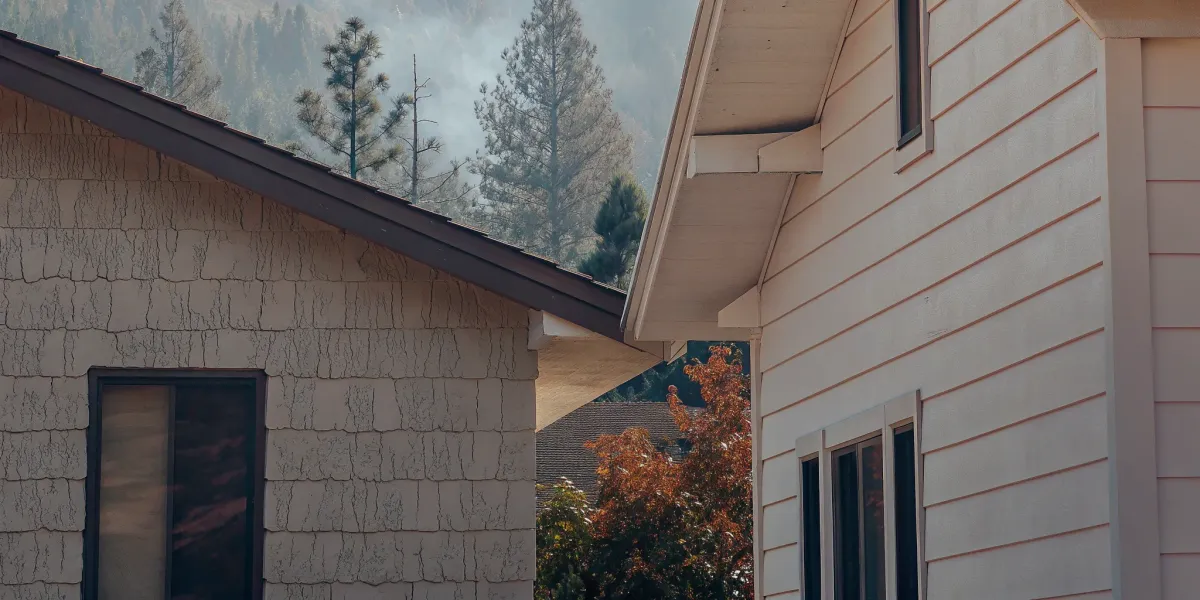
In a wildfire, it’s not a wall of flames that destroys most homes—it’s the storm of tiny, wind-driven embers that can travel for miles. These embers get lodged in vents, under eaves, and against flammable siding, igniting a house long before the main fire arrives. Your home's siding is its shield against this primary threat. Choosing a non-combustible material that won't burn is a non-negotiable part of any effective wildfire preparedness plan. This leads to a crucial decision for homeowners: fiber cement siding vs stucco for fire defense. Both are excellent, Class A-rated options, but they have key differences in installation, maintenance, and cost. Here, we’ll break down exactly what you need to know to choose the best protection for your property.
Pay Less for Home Insurance
and Avoid Non-Renewal?
Our partner, Five Bays Insurance Agency, offers a free policy checkup that spots hidden discounts to make sure you’re not paying more than you should.
Key Takeaways
- Choose Siding with a Class A Fire Rating: This is the highest level of fire resistance, and both fiber cement and stucco meet this standard. Selecting a non-combustible material is the most important step in creating a fire-resistant exterior for your home.
- Weigh Upfront Cost Against Long-Term Upkeep: Stucco generally has a lower installation cost but requires more frequent maintenance like crack repair and repainting. Fiber cement costs more initially but is extremely durable and low-maintenance, saving you time and money down the road.
- Proper Installation and Regular Maintenance are Non-Negotiable: Even the best materials can fail if installed incorrectly, leaving gaps for embers to enter. Hire a qualified professional for installation and conduct yearly inspections for cracks or failing caulk to ensure your siding remains a solid barrier.
Fiber Cement vs. Stucco: What Are the Fire Ratings?
When you’re choosing siding for a home in a wildfire-prone area, its fire rating isn't just a technical detail—it's a critical layer of defense. This rating tells you how well a material can resist fire and prevent flames from spreading. It’s one of the most important factors insurers and fire officials look at when assessing your home’s risk. Fortunately, when it comes to fiber cement and stucco, you have two excellent, highly-rated options.
Both materials are known for being noncombustible, meaning they don’t burn. This is a huge advantage over materials like wood or vinyl siding, which can ignite and fuel a fire, helping it spread to the rest of your home. Understanding the specific ratings, like "Class A" and "one-hour fire-rated," can help you make a more informed decision and communicate effectively with your contractor and insurance agent. These ratings are based on standardized tests that measure how a material performs under intense heat, giving you a reliable benchmark for its safety.
What Is a Class A Fire Rating?
Think of a Class A fire rating as the best-in-class award for fire resistance. It’s the highest rating a material can receive, indicating it offers the most protection against severe fire exposure. Materials with this rating are highly effective at preventing flames from spreading and are unlikely to ignite themselves.
The good news is that both fiber cement siding and traditional stucco carry a Class A fire rating. This is why they are so frequently recommended for homes in high-risk fire zones. Choosing a material with a Class A rating is a foundational step in hardening your home against wildfire, giving you peace of mind that your siding won’t become fuel for a fire.
How Materials Are Tested for Fire Resistance
To earn their fire ratings, building materials go through rigorous testing procedures established by organizations like ASTM International. During these tests, materials are exposed to controlled flames to measure how quickly a fire spreads across their surface and how much smoke they produce. The goal is to see if the material will contribute to the fire or help contain it.
Materials that pass these tests with top marks are classified as noncombustible. This group includes fiber cement, metal siding, and traditional three-coat stucco. Building codes in areas with high wildfire risk, like many parts of California, often mandate the use of noncombustible siding. This requirement ensures your home’s exterior creates a fire-resistant shell, which is essential for its survival.
What a "One-Hour Fire Rating" Means for Your Home
You might also hear the term "one-hour fire rating" when discussing siding, particularly stucco. This rating refers to how long a complete wall assembly—not just the siding itself—can withstand fire before it breaches the interior. For example, a standard one-inch layer of stucco applied over the proper backing can achieve a one-hour fire resistance rating.
This means the wall can hold back a fire for approximately 60 minutes, preventing it from spreading to the inside of your home. That hour is incredibly valuable. It can provide your family with critical time to evacuate safely and give firefighters a much better chance of saving your property. It’s a powerful demonstration of how the right materials can create a meaningful barrier against disaster.
Which Siding Better Protects Your Home from Wildfire?
When you live in a wildfire-prone area, every choice you make about your home’s exterior matters. Your siding is one of the most critical components of your home’s defense system. It’s the outer shell, the first barrier that stands between a flying ember and the wooden frame of your house. While no home is truly “fireproof,” selecting a non-combustible siding material can dramatically increase its chances of survival. This is a cornerstone of any effective home hardening strategy.
Two of the top performers in fire resistance are fiber cement and stucco. Both are non-combustible materials that can withstand intense heat and resist ignition from embers, which are responsible for the loss of most homes in a wildfire. Unlike wood or vinyl siding, which can melt, warp, or burn, these materials provide a durable, protective layer. Choosing between them often comes down to your home’s architectural style, your budget, and local building requirements. Understanding how each material performs under fire conditions will help you make an informed decision that protects your family and your investment.
How Fiber Cement Siding Resists Fire
Fiber cement siding is an engineered product made from a mix of cement, sand, and cellulose fibers. This composition is what gives it incredible durability and fire resistance. In fact, fiber cement siding boasts a Class A fire rating, which is the highest level of fire resistance a building material can receive. This means it can withstand severe fire exposure without igniting or spreading flames. When faced with extreme heat or direct contact with fire, it won't burn, providing a critical barrier that helps keep the fire on the outside of your home. This resistance gives firefighters more time to defend your property and can prevent a small ember attack from turning into a total loss.
How Stucco Acts as a Fire Barrier
Stucco is another excellent choice for fire-resistant siding, trusted for centuries in fire-prone climates. It’s a cement-based plaster that is typically applied in multiple layers over a wire or wood lath. This creates a thick, seamless, and highly durable exterior. Because it’s made from cement, sand, and water, stucco is inherently non-combustible. It acts as a formidable fire barrier, effectively deflecting radiant heat and preventing flames from reaching the flammable materials of your home’s structure. A traditional three-coat stucco system, which is about an inch thick, provides significant protection and is one of the best fire-resistant siding options you can choose.
Debunking Myths About Fire-Resistant Siding
One of the biggest myths about high-performance siding is that it’s overly complicated or difficult to install. While materials like fiber cement and stucco require specific techniques and professional installation, it’s a standard process for qualified contractors. Another common misconception is that choosing a fire-safe material means sacrificing your home’s appearance. That couldn’t be further from the truth. Fiber cement siding is available in a huge range of styles, from smooth panels to boards that mimic the look of wood grain. Stucco offers a variety of textures and can be tinted to almost any color, fitting everything from modern to Mediterranean designs. You don’t have to choose between safety and curb appeal.
Key Fire Safety Codes You Need to Know
In many areas at high risk for wildfire, building codes are no longer just suggestions—they are requirements. California’s building codes, for example, often mandate the use of non-combustible or ignition-resistant materials for home exteriors in the Wildland-Urban Interface (WUI). Both fiber cement siding and traditional three-coat stucco are recognized as noncombustible siding materials that comply with these strict standards. Before starting any siding project, it’s essential to check your local building codes and consult with your city or county planning department. This not only ensures your home is compliant but also plays a major role in maintaining your homeowners insurance. Insurers are increasingly looking for homes that meet these higher safety standards.
Comparing the Costs of Fire-Resistant Siding
Choosing the right siding is a significant financial decision, but the price tag at installation is only part of the story. You also have to consider long-term maintenance, repairs, and the impact on your home insurance. A fire-resistant material might cost more upfront, but it can save you money and stress for years to come, especially in a high-risk fire zone. Let's break down the real costs of fiber cement versus stucco.
Upfront Installation Costs
When you get quotes for new siding, you'll notice a clear price difference between these two materials. Stucco generally has a lower initial cost, typically running between $6 and $9 per square foot for installation. This can make it an attractive option if you're working with a tighter budget for your home improvement project.
On the other hand, fiber cement siding is a bigger initial investment, costing around $10 to $14 per square foot installed. While that higher price might seem daunting, it's important to remember that this cost is tied to a highly durable, low-maintenance product. Think of it as paying more now to worry less later.
Long-Term Maintenance and Repairs
This is where the initial cost difference starts to even out. Fiber cement is known for being incredibly low-maintenance. It just needs an occasional cleaning with a garden hose to look its best. Because it’s engineered to resist rot, pests, and moisture, you’ll face fewer repair bills over its lifespan. Plus, its factory-applied paint can last 15 to 20 years before you even need to think about a new coat.
Stucco requires more hands-on attention. You’ll need to perform regular checks for cracks and chips, which can trap water and lead to bigger problems. It also needs repainting every 5 to 10 years to maintain its appearance and protective qualities. If the stucco isn't sealed perfectly, it can be vulnerable to water damage, leading to costly repairs that quickly eat into your initial savings.
How Siding Choices Affect Your Home Insurance
In wildfire-prone areas like much of California, your choice of siding can directly influence your ability to get and keep affordable home insurance. Insurers are looking for homes that are less risky to cover, and using fire-resistant materials is a major point in your favor. Installing stucco or fiber cement can sometimes lead to lower premiums or discounts because you've actively reduced your home's vulnerability.
For many homeowners, this is the most important factor. The right siding isn't just about protecting your property from flames; it's a critical step in protecting your financial stability. By making your home more resilient, you make it more insurable. This decision is a key component of a comprehensive home hardening strategy and should be part of your overall Wildfire Action Plan.
How Do You Maintain Your Siding's Fire Resistance?
Choosing a fire-resistant siding is a critical first step, but its effectiveness depends entirely on proper maintenance. Over time, weather, ground settling, and general wear can create vulnerabilities in your home's exterior armor. Regular inspections and upkeep are essential to ensure your siding performs as intended when a wildfire threatens, preventing small gaps from becoming catastrophic entry points for embers and heat.
Upkeep for Fiber Cement Siding
One of the biggest advantages of fiber cement siding is its durability. Because it resists rot, pests, and general deterioration, it requires far less maintenance than many other materials. This long lifespan helps it maintain its protective qualities for decades. However, "low maintenance" doesn't mean "no maintenance."
At least once a year, walk around your home and inspect the siding panels for any chips or cracks. Pay close attention to the caulking around windows, doors, and corner trim. Degraded or cracked caulk can create tiny gaps where embers can get trapped. A simple cleaning with a garden hose and a soft brush will also remove any accumulated dirt or debris that could become fuel.
Maintaining Stucco to Prevent Vulnerabilities
Stucco is an excellent fire barrier, but its integrity depends on a solid, unbroken surface. Its primary vulnerability is cracking. Even hairline fractures can compromise its fire resistance by giving embers and intense heat a pathway to the flammable materials within your walls. Stucco requires regular inspections, especially after significant temperature swings or seismic events, which can cause it to crack.
You should promptly repair any cracks you find, no matter how small. Also, check for any areas where the stucco feels soft or is crumbling, as this can be a sign of water damage. A well-maintained coat of paint and proper sealing are crucial for preventing moisture from getting behind the stucco, which can lead to larger structural problems and weaken its overall performance.
Warning Signs That Your Siding Needs Repair
Don't overlook small issues with your siding—they can become major liabilities in a wildfire. Catching problems early is one of the most important things you can do to keep your home protected. Regularly look for these warning signs on your exterior walls:
- Visible Cracks: For stucco, this includes everything from fine hairline cracks to larger fractures. For fiber cement, look for chips, cracks in the panels, or damage along the edges.
- Failing Caulk: Brittle, cracked, or peeling caulk around windows, doors, and seams is a critical vulnerability that allows embers to enter.
- Peeling or Blistering Paint: A compromised paint layer can expose the siding material underneath to moisture and damage, weakening its performance over time.
- Stains or Discoloration: Dark streaks or stains, particularly near seams or under eaves, can indicate water intrusion, which can damage both stucco and the structure beneath it.
Treating your siding as a key component of your home's defense system is essential. Integrating these maintenance checks into your overall preparedness strategy ensures your home is as resilient as possible. You can build these steps and more into your family’s personalized Wildfire Action Plan.
Top Brands and Styles for Fire-Resistant Siding
Choosing fire-resistant siding doesn't mean you have to settle for a home that looks like a concrete bunker. Today’s non-combustible materials offer incredible variety in style, texture, and color, allowing you to protect your property without sacrificing curb appeal. The key is knowing which brands and systems deliver proven performance. Whether you prefer the classic look of wood siding or the smooth finish of stucco, there are excellent, fire-safe options that meet modern building codes and can help you stay insurable.
Leading Fiber Cement Siding Products
Fiber cement is a standout choice for homeowners in high-risk fire zones. It consistently earns a Class A fire rating, the highest possible for building materials, because it won't ignite when exposed to direct flame or add fuel to a fire. Brands like James Hardie and Allura are industry leaders, offering durable products engineered to withstand extreme heat. You can find fiber cement in various styles, including traditional lap siding, vertical panels, and shingles that mimic cedar, giving you plenty of design flexibility. This makes it a popular choice for replacing older, combustible wood siding.
High-Performance Stucco Systems
Stucco is another highly effective, noncombustible siding material that acts as a formidable fire barrier. Traditional three-coat stucco creates a solid, seamless, and fire-resistant exterior. This method has been used for centuries and remains a trusted option for homes in wildfire-prone regions like California. Because it's a cement-based product, stucco doesn't burn. Properly installed and maintained, it can resist fire for at least one hour, giving you and first responders critical time during an emergency. Its smooth, durable finish also complements many architectural styles.
Balancing Safety with Curb Appeal
You don't have to compromise on your home's appearance to achieve a high level of fire resistance. Modern siding products are designed with both safety and aesthetics in mind. Fiber cement, for instance, can be manufactured with a wood-grain texture and comes in a huge range of pre-finished colors. Stucco can be tinted to nearly any shade and applied with different textures for a custom look. Beyond looks, many homeowners also consider the environmental footprint of their choices. Fiber cement is often considered a sustainable siding option because its long lifespan reduces the need for replacement.
How to Choose the Right Siding for Your Home
Choosing the right siding is one of the most significant decisions you can make to protect your home from wildfire. It’s a critical layer of defense that can determine whether your home withstands an ember storm or ignites. But with so many options, it’s easy to feel overwhelmed. The key is to think of siding not just as a design choice, but as a core component of your home’s safety system. By focusing on fire-resistant materials, proper installation, and how it all fits into your larger preparedness strategy, you can make a choice that protects your property and gives you peace of mind.
Your decision should be guided by local regulations, your insurance carrier’s requirements, and a clear understanding of how different materials perform under extreme heat. Fiber cement and stucco are excellent choices, but they aren't your only options. The goal is to create a non-combustible shell around your home. This process starts with research and ends with a professional installation that leaves no room for error. Let’s walk through the essential steps to making an informed decision that safeguards your home for years to come.
Check Your Local Codes and Insurance Policy
Before you get attached to a specific siding style, your first step should be to check your local building codes. Many communities in high-risk fire zones have specific requirements for construction materials, especially for homes in the Wildland-Urban Interface (WUI). These codes are not just suggestions; they are mandatory standards designed to save lives and properties. You can usually find this information on your city or county’s website.
Next, talk to your insurance agent. With insurers pulling back in states like California, proving you’ve taken steps to harden your home is more important than ever. Ask them if they offer discounts for specific types of fire-resistant siding or if certain materials are required to maintain your policy. Having this conversation upfront can save you from investing in a material that won’t help you stay insured.
Why Proper Installation Is Critical for Fire Safety
Choosing a Class A fire-rated material is only half the battle. If it’s not installed correctly, you could be left with dangerous vulnerabilities. Embers are tiny and can find their way into the smallest gaps—underneath siding panels, around windows, or where the wall meets the foundation. A professional, certified contractor understands how to create a seamless, sealed barrier that keeps embers out.
For example, even a highly fire-resistant material like stucco can fail if it’s not installed with the proper layering and flashing techniques. This can lead to cracks where moisture and embers can penetrate. When vetting contractors, ask about their experience with fire-resistant construction and if they follow specific installation guidelines from the manufacturer. Proper installation techniques are non-negotiable for true wildfire protection.
Make Siding Part of Your Wildfire Action Plan
Think of your siding as a foundational piece of your overall wildfire defense strategy. It works in tandem with other home hardening measures, like maintaining defensible space and having a non-combustible roof. Materials like fiber cement siding are a top choice because they are non-combustible, durable, and can effectively mimic the look of wood without the fire risk. This makes them ideal for homes in high-risk areas.
Integrating this decision into your preparedness plan helps you see the bigger picture. Your home’s exterior is your first line of defense, and every element should work together to reduce its vulnerability. By choosing the right siding, you’re not just making a home improvement—you’re taking a powerful, proactive step to protect your family and property. Documenting these upgrades is a key part of building a comprehensive Wildfire Action Plan that you can share with your insurer.
Related Articles
- The 4 Best Sidings for High Fire Risk Areas
- 7 Fire Resistant Home Improvements for Northern California
Pay Less for Home Insurance
and Avoid Non-Renewal?
Our partner, Five Bays Insurance Agency, offers a free policy checkup that spots hidden discounts to make sure you’re not paying more than you should.
Frequently Asked Questions
Is fiber cement really better than stucco for fire protection? Both fiber cement and stucco are excellent, non-combustible choices with a Class A fire rating. Neither one is inherently "better" at resisting fire. The best choice for your home will depend on your budget, your home's architectural style, and long-term maintenance preferences. The most important thing is that you're choosing a non-combustible material over something like wood or vinyl, which can act as fuel in a fire.
Will upgrading my siding guarantee I can get or keep my home insurance? While there's no single action that can guarantee insurance coverage, installing fire-resistant siding is one of the most powerful steps you can take to make your home more attractive to insurers. It demonstrates you are actively reducing your property's risk. Always talk to your insurance agent before starting a project to see if they offer specific discounts or have requirements for materials, as this can significantly help your case.
My budget is tight. Is it better to repair my old siding or invest in a new, fire-resistant option? This is a tough but important calculation. If your current siding is a combustible material like wood, replacing it with fiber cement or stucco is a critical investment in your home's safety and insurability. If you have older stucco with minor cracks, repairing it properly can be a cost-effective way to maintain its fire resistance. However, if the damage is extensive, replacement might be the smarter long-term financial decision.
What's more important: the siding material or who installs it? They are equally important. A top-of-the-line, fire-rated material will fail if it's installed improperly. Small gaps, poor sealing around windows, or incorrect flashing can create entry points for embers, completely defeating the purpose of the siding. It is absolutely essential to hire a qualified contractor who has experience with fire-resistant construction techniques.
I have old stucco siding. Is it still considered fire-resistant? Yes, the material itself is inherently fire-resistant. However, its effectiveness depends entirely on its condition. Over time, stucco can develop cracks or chips that create vulnerabilities. You should regularly inspect your stucco for any damage, especially hairline cracks, and have them professionally sealed. A well-maintained stucco exterior remains a formidable barrier against fire.