
Your Northern California Family Fire Evacuation Plan
Create a family fire evacuation plan Northern California families can trust. Get practical steps to keep your loved ones safe during wildfire emergencies.
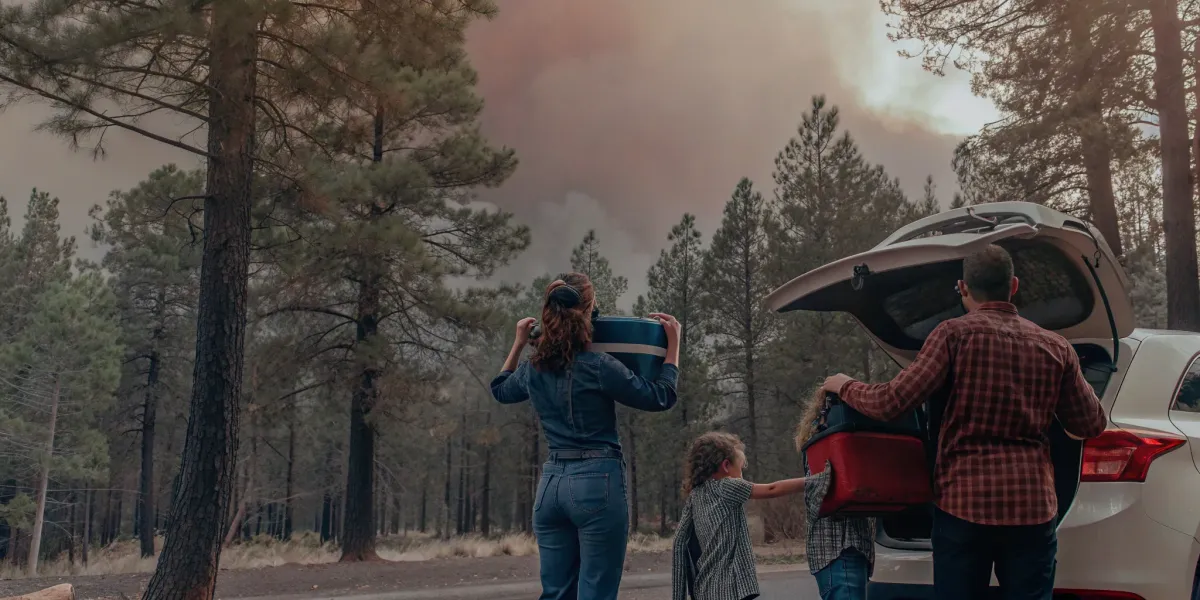
You’ve probably packed a “Go-Bag.” It’s a great first step, but a bag of supplies is a tool, not a strategy. Having a kit is one thing; knowing exactly what to do with it is another. Where will you go if your primary route is blocked? How will you communicate with your family if cell towers are down? Who is responsible for grabbing the pets? A true preparedness strategy answers these questions before they become life-altering problems. It’s the playbook that directs all your other efforts. Creating a detailed family fire evacuation plan Northern California transforms your collection of supplies into a cohesive, actionable strategy that ensures everyone knows their role and gets out safely.
Key Takeaways
- Build Redundancy into Every Step: A reliable plan needs backups. Map out at least two escape routes from your neighborhood, establish two separate meeting points (one close, one far), and create a communication plan that doesn't depend on local cell service.
- Practice Until It Becomes Muscle Memory: A plan is only effective if it can be executed under pressure. Run regular evacuation drills with your family to identify weak spots and ensure everyone, including children and pets, knows exactly what to do without hesitation.
- Your Greatest Advantage Is Leaving Early: Don't wait for a mandatory order to feel the urgency. Keep your vehicles ready, your "Go-Bags" packed, and trust your instincts—leaving before the situation becomes critical is the single most important decision you can make for your family's safety.
Why Every Northern California Family Needs a Fire Evacuation Plan
Living in Northern California comes with incredible beauty, but it also means facing the reality of wildfire season. The question is no longer if a wildfire will happen nearby, but when. Feeling a sense of control in this situation starts with having a solid plan. An evacuation plan isn't just a piece of paper; it's a powerful tool that turns panic into action, confusion into clarity, and fear into focus. It’s the single most important step you can take to protect your family when minutes matter most. By preparing ahead of time, you give your loved ones the best possible chance of getting out safely and calmly.
What is a Family Fire Evacuation Plan?
A family fire evacuation plan is your household's specific strategy for getting to safety during a fire. Think of it as a playbook for an emergency. It clearly outlines how everyone will get out of the house, where you will meet up, and how you will communicate. A good plan identifies all possible exits from every room, establishes a safe meeting spot a short distance from your home, and a second one outside your neighborhood in case you can't return. Everyone in the family, from young children to older adults, should understand and practice the plan. This shared knowledge ensures that when an emergency strikes, everyone knows exactly what to do without hesitation.
The Unique Wildfire Risks in Northern California
Wildfires in Northern California are not a distant threat; they are a recurring reality. As CAL FIRE often states, being prepared is essential to keep your home and family safe. Modern wildfires move with terrifying speed, often driven by extreme weather conditions that can change in an instant. The safest approach is always to leave early, well before a fire threatens your immediate area. Waiting for an official evacuation order can put you in a dangerous situation, stuck in traffic on smoke-filled roads. A proactive evacuation plan accounts for this urgency, empowering you to make the call to leave before the situation becomes critical, ensuring you have a clear path to safety.
How a Plan Helps You Stay Insurable
Beyond protecting your family, a documented evacuation plan is a key part of a larger wildfire preparedness strategy that can help you stay insurable. As the insurance market tightens, carriers are looking for homeowners who are actively reducing their risk. Having a formal plan demonstrates that you are a responsible property owner. It shows you’ve thought through your family’s safety and the logistics of protecting your property. While it’s one piece of the puzzle, alongside home hardening and creating defensible space, it signals to insurers that you are serious about mitigation. A comprehensive Wildfire Action Plan can help you organize these efforts and show proof of your preparedness.
Key Components of Your Family's Evacuation Plan
A solid evacuation plan is your family’s roadmap to safety when a wildfire threatens. It’s more than just knowing when to leave; it’s a clear, rehearsed strategy that minimizes panic and confusion during a high-stress event. Thinking through these details now gives you control when you need it most. A comprehensive plan covers how you’ll get out of your house, where you’ll go, and how you’ll stay in touch. Each component is a critical piece of the puzzle, working together to ensure everyone—including pets—gets to safety. Building your Wildfire Action Plan is one of the most important things you can do to protect your family. Let’s walk through the essential elements every household needs to have in place.
Map Your Primary and Secondary Escape Routes
Every room in your home needs at least two ways out. In an emergency, your usual path through the front door might be blocked by smoke or fire. That’s why you need to identify two different ways to exit each room, especially bedrooms. This could be a door and a window, or two separate doors. Walk through your home with your family and point out these routes. Make sure windows aren’t stuck and that screens can be removed quickly. For second-story rooms, consider storing escape ladders near the windows. Draw a simple floor plan of your home and mark these escape routes clearly so everyone can visualize them.
Choose Your Family Meeting Points
Once you’re out of the house, you need a designated spot to regroup. Chaos can separate family members, so having a pre-determined meeting point is crucial. Choose a safe location just outside your home, like a specific mailbox or a neighbor’s driveway, where everyone can gather immediately after evacuating. You also need a second meeting point outside of your neighborhood, such as a friend’s house, a local library, or a community center. This secondary location is vital in case you can’t return to your immediate area or if roads are blocked. Make sure everyone in the family knows both locations.
Create a Communication Plan
During a wildfire, cell service can be unreliable and local phone lines may get overwhelmed. Your family needs a clear communication strategy to stay connected. First, ensure every family member understands the evacuation plan and knows how to reach each other. Designate a single out-of-state friend or relative as your family’s central point of contact. It’s often easier to make a long-distance call than a local one during an emergency. Everyone should call this person to check in and report that they are safe. Make sure children have important phone numbers memorized or written down in their emergency kits.
Checklist: Essential Documents and Supplies
When an evacuation order comes, you may only have minutes to leave. You won’t have time to search for important papers or supplies. Prepare an emergency kit for each family member with essentials like water, non-perishable food, medications, a flashlight, and a first-aid kit. Separately, gather your critical documents. This includes passports, birth certificates, social security cards, insurance policies, and property deeds. Keep the physical copies in a fireproof box or a designated “Go-Bag.” It’s also smart to scan these documents and save digital copies to a secure cloud service or a password-protected USB drive that you can grab quickly.
Don't Forget Your Pets and Livestock
Your animals are part of the family, and they depend on you for their safety. Your evacuation plan must include them. For household pets, have carriers, leashes, and a Go-Bag with food, water, medications, and vaccination records ready. Make sure your pets are microchipped and wearing ID tags. For livestock, the planning is more complex. You need to develop a plan for how to evacuate them safely, which includes arranging transportation and identifying a safe location like a fairground or another farm ahead of time. Never leave your animals behind to fend for themselves during a wildfire.
How to Prepare Your Home and Family for Evacuation
Having an evacuation plan on paper is a great first step, but turning that plan into action requires preparation. When a wildfire is approaching, you’ll be operating under immense stress, and time will be your most valuable and limited resource. This is where proactive preparation makes all the difference. By taking concrete steps now to ready your home, your supplies, and your family’s mindset, you build the muscle memory needed to move calmly and efficiently. These preparations aren't just about checking boxes; they are about taking control in a situation that can feel overwhelming. Each action you take—from clearing brush to packing a bag—is a powerful step toward protecting your property and, most importantly, ensuring your family’s safety. Let's walk through the essential preparations that transform your plan from a document into a reliable, real-world safety net.
Create Defensible Space Around Your Home
Defensible space is the buffer zone you create between your home and the flammable vegetation that surrounds it. As CAL FIRE puts it, the goal is to "clear a safety zone around your home" to keep fire from reaching your property. This means removing dead plants, cleaning leaves from gutters, and moving firewood piles at least 30 feet away from any structures. Creating this space is one of the most effective actions you can take to protect your home. It’s also a critical factor that insurance companies evaluate when determining your home’s risk and insurability. You can find the specific requirements for your area by reviewing California’s official defensible space guidelines.
Pack Your "Go-Bags" and Emergency Kits
When an evacuation order comes, you won’t have time to gather necessities. Every person in your household, including pets, needs a dedicated “Go-Bag” that’s ready at a moment’s notice. This is an emergency kit with everything you need to get by for several days. Each bag should contain water, non-perishable food, a first-aid kit, flashlights, medications, and copies of important documents like passports and insurance policies. Keep these kits in an easily accessible place, like a hall closet or your car. For a comprehensive checklist to ensure you haven’t missed anything, you can build a kit using guidance from federal emergency preparedness experts.
Practice Evacuation Drills with Your Kids
A plan is only useful if everyone knows how to follow it without thinking. Regular drills build confidence and reduce panic, which is especially important for children. Fire safety experts advise that you "practice your escape plan often, especially at night when fires are more likely." A good drill involves waking everyone up, crawling low to the ground to avoid smoke, checking doors for heat before opening them, and meeting at your designated family meeting point outside. To make it less frightening for younger kids, you can frame it as a family safety game. The goal is for the entire family to know exactly what to do and where to go automatically.
Prep Your Vehicles for a Quick Getaway
In an evacuation, your car is your escape route. It needs to be ready to go at all times during fire season. A simple but critical rule is to always keep your gas tank at least half full. When you park at home, get in the habit of backing into the driveway or parking facing the street for a faster exit. It’s also a good idea to keep a vehicle emergency kit with essentials like jumper cables, a phone charger, water, and snacks. Having some of your supplies already in the car can save you precious minutes when it’s time to leave.
Know Multiple Ways Out of Your Neighborhood
Your primary route could be blocked by fire, smoke, or traffic from other evacuees. Because of this, you must "plan at least two ways out of your neighborhood." Identify at least two separate escape routes and drive them with your family so everyone becomes familiar with the roads. Think through different scenarios, including what you would do if you had to evacuate on foot. Talk to your neighbors about their plans, particularly if anyone nearby might need assistance. Knowing your options gives you the flexibility to make safe decisions in a fast-moving emergency.
Sign Up for Local Emergency Alerts
Don’t rely on seeing smoke or flames to know it’s time to leave. Your most reliable source of information will be official alerts from your local emergency services. Make sure you "sign up for alerts" from your county’s notification system. These systems, often called Nixle or Everbridge, send critical updates and evacuation orders directly to your phone via text or call. You can find your local system on the CalOES website. Since cell service can be unreliable during a disaster, it’s also smart to have a battery-powered or hand-crank NOAA weather radio as a backup.
What to Do When You Get an Evacuation Order
When an evacuation order is issued, it’s time to act, not plan. The noise, smoke, and urgency can be overwhelming, but having a clear sequence of steps to follow will help you move quickly and safely. This is the moment your preparation pays off. Your goal is to get your family, pets, and essential items out of the area as efficiently as possible. Trust the plan you’ve already built and focus on executing each step calmly. Remember that first responders are focused on fighting the fire and clearing roads; they are counting on you to follow instructions and leave promptly. Your calm and decisive action protects not only your family but also helps emergency crews do their jobs effectively. The work you put in beforehand is what makes a safe evacuation possible.
Know the Evacuation Levels and Alerts
Understanding official alerts is critical because they tell you how much time you have. You might receive a Red Flag Warning, which means weather conditions are ripe for extreme fire behavior—this is your signal to be ready to leave at a moment's notice. An evacuation warning or watch means you should prepare to go, while an evacuation order means you must leave immediately. Don’t wait to see flames. Local authorities issue these orders based on fire behavior and predictive models. Follow their instructions without delay. You can find your county’s specific alert terminology on their Office of Emergency Services website.
Follow a Step-by-Step Evacuation Process
This is where your preparation becomes essential. Grab your Go-Bags, secure your pets, and follow your pre-determined escape route. Your Wildfire Action Plan should already have primary and secondary routes mapped out. If you haven't created one, the basic steps are: get your family and pets in the car, grab your emergency kits, and drive to your designated meeting spot. Tell your out-of-state contact that you are leaving and where you are headed. The key is to move deliberately. A clear, practiced plan reduces panic and ensures you don’t forget critical steps in the rush to get out.
Your Last-Minute Grab List
Even with a well-packed Go-Bag, there are a few last-minute items you’ll want to grab if you have time. This list should be short and accessible. Think of the irreplaceable things: photo albums, laptops or hard drives with family pictures, and any essential medical equipment that isn't already packed. Keep this list on your fridge or near your Go-Bag. Before you walk out the door for the last time, do a quick sweep for these items. Remember, your family’s safety is the priority. Only grab these things if you can do so quickly and without delaying your departure.
How to Stay Informed on the Go
Once you’re on the road, your access to information will change. Cell service and power can be unreliable during a major fire event. Make sure you have a battery-powered or hand-crank radio to listen to local news and emergency broadcasts. Before you leave, ensure you’ve signed up for local emergency alerts, like those from CAL FIRE, which can provide updates on road closures and evacuation zones. Don’t rely on a single source of information. Use your car radio, emergency alerts on your phone (if you have service), and official social media feeds from local fire and sheriff’s departments to stay updated.
Common Evacuation Planning Mistakes to Avoid
Having an evacuation plan is a critical step toward protecting your family, but a plan on paper is not the same as a plan in action. In the chaos of a real wildfire threat, even the most thought-out strategies can fail if they haven't been tested against reality. Common oversights and flawed assumptions can turn a solid plan into a source of confusion and delay when every second is critical. The goal is to move beyond just having a plan to having one that is practical, rehearsed, and resilient. When the pressure is on, you’ll fall back on what you’ve practiced, not what you’ve planned.
Let’s walk through some of the most common pitfalls families encounter. By understanding these mistakes now, you can stress-test your own strategy and make the necessary adjustments before an emergency strikes. From underestimating how long it takes to leave to forgetting the unique needs of every family member, these are the gaps that often appear under pressure. Addressing them ahead of time helps you build a wildfire action plan that is truly effective, turning a document into a reliable tool for getting your loved ones to safety. We'll cover everything from the importance of practice drills to the necessity of having non-digital backups when technology fails.
Mistake #1: Not Practicing Your Plan
Having a plan on paper isn't enough. During an emergency, stress and panic can make it hard to think clearly. The goal of a drill is to build muscle memory so your family can act decisively without hesitation. As California fire officials note, "Practicing your escape plan helps you stay calm and confident during a real emergency." Run through your plan at least twice a year. Time how long it takes to get everyone out of the house and into the car. Drive your primary and secondary escape routes. Practicing helps you identify weaknesses in your plan—like a car seat that’s tricky to buckle under pressure or a gate that always sticks—before they become critical problems.
Mistake #2: Forgetting Accessibility Needs
Your evacuation plan must account for the unique needs of every person and pet in your household. A plan that works for able-bodied adults might fail when you have to assist others. You need to plan for everyone, including children, older adults with mobility issues, individuals with disabilities, and pets. Think through the specific challenges you might face. Does your elderly parent need help getting to the car? Do your pets hide when they’re scared? Do you have enough hands to carry a baby and a pet carrier at the same time? Assigning specific roles to each family member can ensure no one is left behind in the confusion.
Mistake #3: Assuming Your Phone Will Work
During a major wildfire, cell towers can be damaged or overloaded, and power outages are common. You cannot rely on your phone for communication, navigation, or information. Your plan should include non-digital backups. Have a "go-bag" ready with essentials like a flashlight, a local map with your routes marked, water, snacks, and important documents. Berkeley FireSafe also recommends including a portable, hand-crank radio to receive emergency broadcasts. Keep some cash on hand, as credit card systems may be down. Having these physical resources ensures you can stay informed and find your way to safety even when technology fails.
Mistake #4: Underestimating How Long It Takes to Leave
When an evacuation order is issued, everything takes longer than you expect. Rounding up family members, grabbing last-minute items, securing your home, and navigating traffic-clogged streets can quickly eat up precious time. The single most important thing you can do is to leave early, ideally before a mandatory order is even issued. If you feel unsafe, trust your instincts and go. The longer you wait, the more likely you are to face gridlock and rapidly changing fire conditions. Practice drills can give you a more realistic sense of your timeline, but always add a buffer. Under pressure, simple tasks become complicated, so give your family the gift of time.
Mistake #5: Relying on a Single Escape Route
Wildfires are unpredictable. The main road out of your neighborhood could be blocked by flames, smoke, fallen trees, or emergency vehicles. Relying on a single escape route is one of the most dangerous mistakes you can make. Your plan must include at least two ways out of your neighborhood and two ways out of your town. Identify different routes that head in opposite directions. Drive them so you are familiar with the roads, and mark them on a physical map in your emergency kit. Knowing your options ahead of time allows you to pivot quickly if your primary route is compromised, giving you a much better chance of reaching safety.
Keep Your Evacuation Plan Up-to-Date
Creating an evacuation plan is a critical first step, but it’s not a one-and-done task. Your plan is a living document that needs to grow and change with your family. A plan that’s six months or a year old might have outdated contact information, forgotten supplies, or routes that no longer make sense. To be effective when you need it most, your plan requires regular attention and practice. Think of it as routine maintenance for your family’s safety—a small investment of time that pays off when every second counts. This ongoing effort not only keeps your logistics current but also keeps safety top-of-mind for everyone in your household, reducing panic and confusion during a real emergency. When an evacuation order comes, you won't have time to second-guess your meeting spot or wonder if the emergency supplies are still good. A well-maintained plan removes the guesswork, allowing you to focus on one thing: getting your family out safely.
Run Regular Family Fire Drills
Knowing what to do in theory is different from being able to do it under pressure. The best way to bridge that gap is to practice. Run a family fire drill at least twice a year to build muscle memory for your escape plan. Make sure to practice at different times, including at night when a fire is more likely to occur and your family might be disoriented. A good drill involves everyone waking up to the smoke alarm, crawling low to avoid smoke, testing doors for heat before opening them, and meeting at your designated safe spot outside. This repetition ensures that in a real emergency, everyone can act quickly and confidently.
Review and Update Your Plan Seasonally
Life moves fast, and your evacuation plan needs to keep up. Set a recurring reminder—perhaps at the start of fire season or when you change your clocks for daylight saving—to review your entire plan. Check your emergency contacts, update your go-bag supplies, and confirm your meeting spots are still appropriate. This is also a good time to check the expiration dates on food, water, and medications in your emergency kits. A seasonal review keeps your plan relevant and ensures your resources are ready to go when you are. It’s a simple habit that prevents your plan from becoming obsolete.
Use Tools to Simplify Your Planning
A simple, effective plan starts with a clear map of your home showing all exits from every room. While you can draw one by hand, digital tools can make the process much easier and more thorough. A comprehensive tool helps you create a complete strategy that goes beyond just a map. The Wildfire Action Plan empowers you to build a personalized plan that includes risk assessments, evacuation routes, and detailed checklists. Instead of starting from scratch, you can use an expert framework to ensure you haven’t missed any critical details for protecting your family and property.
Adapt Your Plan When Life Changes
Your household isn’t static, and your evacuation plan shouldn’t be either. It’s essential to update your plan whenever your family situation changes. This includes the arrival of a new baby, an older relative moving in, or getting a new pet. Each change requires new considerations. You’ll need to think about who is responsible for helping young children or those with mobility issues. According to Berkeley FireSafe, a solid plan accounts for everyone in your household. Revisit your plan to assign roles and adjust supply lists to ensure every member of your family—two-legged and four-legged—can get out safely.
Related Articles
- 5 Steps to a Custom Wildfire Action Plan: NorCal
- The Ultimate NorCal Wildfire Emergency Kit Checklist
- Wildfire Season: Why It's Now a Year-Round Threat
Frequently Asked Questions
When should we actually leave? Do we have to wait for an official order? You should always leave as soon as you feel unsafe. While it's critical to follow official evacuation orders, wildfires in Northern California move incredibly fast. Waiting for a mandatory order can put you on the road with everyone else, leading to traffic jams on potentially smoke-filled routes. The safest approach is to leave early. If an evacuation warning is issued for your area, you should be ready to go. If you see or smell smoke and feel that the situation is becoming dangerous, trust your instincts and evacuate.
How can I practice our evacuation plan without scaring my children? This is a great question, and it’s all about how you frame it. Instead of a scary "fire drill," you can call it a "family safety game" or an "adventure practice." Explain that you're practicing how to be a team so everyone knows what to do to stay safe. You can use a stopwatch to make it a fun challenge to see how quickly everyone can get to the meeting spot. By practicing regularly in a calm and positive way, the steps become familiar and automatic, which reduces fear and builds confidence for both you and your kids.
What if my family gets separated? How does the communication plan actually work in an emergency? Getting separated is a common fear, which is why your communication plan is so important. The key is to designate one person—a friend or relative who lives out of state—as your family's single check-in point. It's often easier to make a long-distance call than a local one when phone lines are jammed. Make sure everyone, including older children, has this person's number saved in their phone and also written down on a card in their Go-Bag. The rule is simple: as soon as you are safe, you call the check-in person to report your status and location.
My neighborhood only has one main road out. What should my plan be? This is a challenging but common situation that makes leaving early even more critical. Your plan must still identify multiple routes, even if they aren't ideal. This could mean knowing the back roads, dirt roads, or even planning an evacuation route on foot to a nearby safe zone if you get trapped. Talk to your neighbors to coordinate and share information about alternate routes you may not know about. Most importantly, a one-road-out scenario means you cannot afford to wait for a mandatory order; you must be prepared to leave at the very first sign of danger.
Will having a documented evacuation plan really help with my home insurance? Yes, it can be a significant factor. While it's not a magic bullet, a documented plan demonstrates to insurers that you are proactive and serious about mitigating risk. When combined with other actions like creating defensible space and hardening your home, it paints a picture of a responsible homeowner. Insurance carriers are looking for reasons to see your home as a lower risk. A formal, written plan, like one created with a tool like Wildfire Action Plan, serves as proof that you have taken concrete steps to protect both your family and your property.