
A 6-Step Evacuation Plan for Family with Pets
Create an effective evacuation plan for family with pets. Get practical steps to keep every family member, including pets, safe during a wildfire emergency.
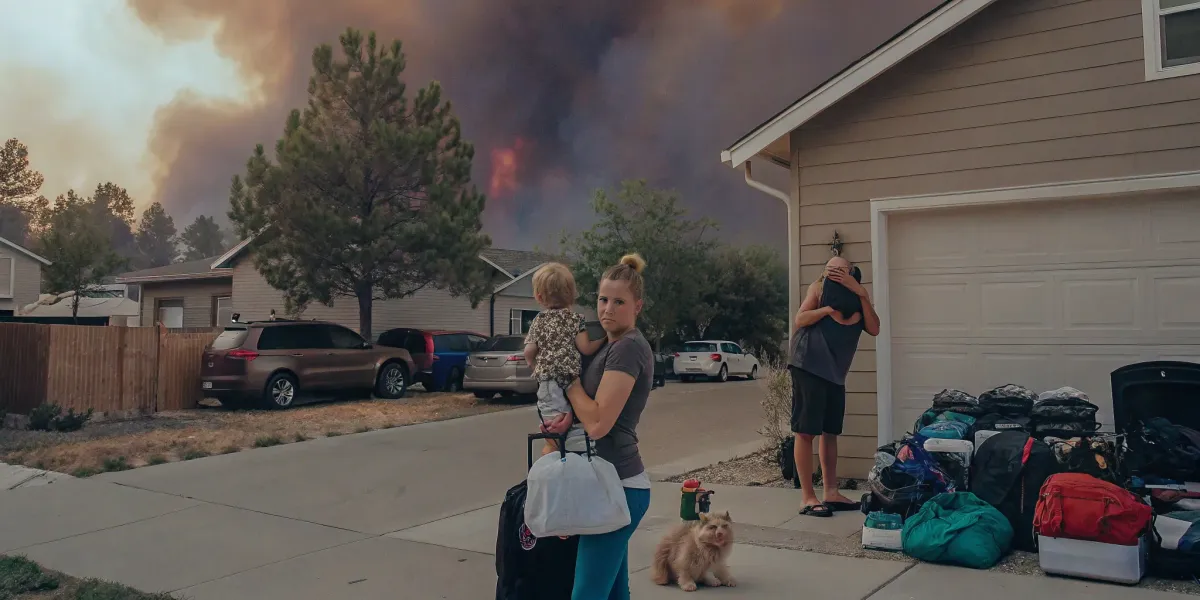
The alert blares on your phone at 2 a.m.: EVACUATE NOW. Adrenaline spikes. You have minutes. You wake the kids, grab the emergency kits by the door, and start loading the car. Then comes the question that stops your heart: "Where's the cat?" Suddenly, your well-oiled plan grinds to a halt. You’re now frantically searching under beds and in closets for a terrified animal who doesn’t understand the danger. This exact scenario is a homeowner's nightmare, and it’s preventable. A practiced evacuation plan for family with pets transforms that chaos into a calm, methodical process. It means the carriers are ready, the go-bags are packed, and your pets are secured quickly, because you’ve prepared them for this moment long before the smoke appeared on the horizon.
Pay Less for Home Insurance
and Avoid Non-Renewal?
Our partner, Five Bays Insurance Agency, offers a free policy checkup that spots hidden discounts to make sure you’re not paying more than you should.
Key Takeaways
- Make Evacuation Familiar, Not Frightening: Reduce your pet's fear by preparing them long before a wildfire threat. This means getting them comfortable with their carrier, packing a dedicated go-bag with essentials, and ensuring their ID tags are always up-to-date.
- Solve Your Lodging Problem Before You Leave: You cannot rely on public shelters, as most don't allow pets. Your plan is incomplete until you have a confirmed list of pet-friendly hotels, kennels, or family members who are ready to take you in.
- Turn Your Plan into a Reflex: A plan on paper can fail under pressure. Run practice drills with your pets to make the evacuation process a familiar routine, saving critical time and minimizing stress for everyone when you need to act fast.
Why Your Pet Needs an Evacuation Plan
When a wildfire threatens your home, your first instinct is to get your family to safety. Your pets are a vital part of that family, and their well-being depends entirely on your preparation. Wildfires move with unpredictable speed, and an evacuation order leaves no time for frantic searching or last-minute calls to find a place that will take your animals. In the middle of that chaos, a clear, practiced plan is your best tool for staying calm and in control. This isn't just for your own peace of mind; your pets will pick up on your stress, which can make a difficult situation even worse. A calm owner can more easily manage a frightened animal.
Creating a dedicated evacuation plan for them isn't just a checklist item; it's a fundamental part of your family's overall survival strategy. It transforms a potential panic into a series of manageable steps. It ensures that in the critical moments when you need to leave, you can act decisively to protect every member of your household, including the four-legged ones. A solid plan means you've already answered the tough questions, freeing you up to focus on the task at hand: getting everyone out safely. It means no one gets left behind.
Unique Risks Pets Face in a Disaster
In a disaster, your pet’s natural instincts can become their biggest liability. The overwhelming sensory input of a wildfire—the smell of smoke, the blare of sirens, the frantic energy in the house—can trigger a powerful fight-or-flight response. A panicked dog may try to bolt through an open door, while a terrified cat will likely retreat to a deep hiding spot, making them nearly impossible to find when every second counts. The American Society for the Prevention of Cruelty to Animals warns that animals left behind face grave dangers, including smoke inhalation, injury, and becoming lost in the chaos. Understanding these instinctual reactions is the first step in creating a plan that accounts for them, helping you safely contain and transport your pets before they have a chance to hide or run.
The Gap in Most Family Emergency Plans
A common and dangerous oversight in many family emergency plans is the lack of specific arrangements for pets. It’s easy to assume you’ll just bring them with you, but the reality is far more complex. First, remember the golden rule: if it’s not safe for you, it’s not safe for your pets. Leaving them behind is not an option. Second, you cannot count on showing up at a Red Cross or other public emergency shelter with your animals. For public health and safety reasons, most of these shelters do not accept pets (service animals are an exception). This is the critical gap you must fill now. As federal resources like Ready.gov advise, your plan must include a pre-researched list of safe destinations, such as pet-friendly hotels, boarding kennels, or the homes of friends and family outside the evacuation zone.
How to Prepare Your Pet for an Evacuation
When an evacuation order hits, the last thing you want is to be chasing a terrified pet around the house. Animals can sense our stress, and the chaos of an emergency can make them anxious and unpredictable. Taking steps to prepare them long before a wildfire threat is imminent will make the process smoother and safer for everyone. These actions build trust and familiarity with the evacuation process, turning scary situations into manageable routines.
Get Them Comfortable with Carriers and Cars
For many pets, a carrier means one thing: a trip to the vet. To change this, you need to turn their carrier into a safe space. The key is to prepare your pets for disasters well in advance. Leave the carrier out and open in a common area of your home. Make it inviting by placing treats, favorite toys, or a familiar blanket inside. The goal is to help your pet get used to their carrier before an emergency. Once they are comfortable entering it on their own, start practicing short car rides to positive destinations, like a park, to build a better association with travel. This simple step can dramatically reduce their fear and resistance when you need to leave quickly.
Teach Essential Commands for Safety
In a high-stress situation, a well-trained pet is a safer pet. Basic commands like “come,” “stay,” and “settle” become critical tools for keeping your animal secure. A reliable recall can prevent your pet from bolting in fear, while a “settle” command can help calm them in a crowded shelter or unfamiliar car. The American Kennel Club recommends training your dog for an emergency by practicing skills that build confidence. Adding a verbal cue like "relax" can help your pet feel less stressed if a stranger needs to care for them. Consistent practice reinforces your bond and ensures they will listen to you even when sirens are blaring and things feel chaotic.
Prepare ID Tags and Important Documents
If you and your pet get separated, proper identification is their ticket home. Make sure your pets wear collars with sturdy, up-to-date ID tags that include your name and phone number. It’s also wise to write your contact information directly on their carrier with a permanent marker. For a more permanent solution, get your pet microchipped and confirm the registration details are current. The ASPCA’s guide to disaster preparedness also stresses the importance of having records ready. Keep digital and waterproof physical copies of their vaccination records, medical history, and a recent photo in your pet’s go-bag. Many emergency shelters and boarding facilities will require this proof of vaccination.
Designate a Backup Caregiver
A wildfire may not wait until you’re home. You need a plan for your pets if an evacuation is ordered while you’re at work or running errands. Ask a trusted friend or neighbor to be a designated backup caregiver. This person should have a key to your home, be familiar with your pets, and know where your emergency supplies are located. Provide them with detailed care instructions, including feeding schedules, medication needs, and your veterinarian’s contact information. Ideally, your caregiver should live outside your immediate evacuation zone. Having a reliable person in place provides critical peace of mind and is a core part of any complete pet emergency plan.
What to Pack in Your Pet's Go-Bag
In an evacuation, every second counts. A dedicated go-bag for your pet ensures their essential needs are met without frantic, last-minute searching. This kit is their lifeline, containing everything required for their safety and comfort during a stressful displacement. Having it ready to grab can make all the difference.
It’s wise to prepare two kits: a larger one with more supplies for sheltering at home, and a lightweight, portable version you can grab if you need to leave immediately. Store it with your family’s emergency kits so everything is in one place.
Food, Water, and Medications
Pack at least a five-day supply of your pet’s regular food and water. Store dry food in a waterproof container to keep it fresh and safe from contamination. If you use canned food, don’t forget a can opener. Include collapsible food and water bowls for convenience. Most importantly, pack an extra supply of any medications your pet needs. Keep them in a waterproof pill container, clearly labeled with the dosage and purpose. A great pet disaster preparedness plan includes a list of all medications and your vet’s contact information.
Leashes, Harnesses, and Comfort Items
Your pet should have a secure collar with up-to-date ID tags at all times. In your go-bag, pack a sturdy leash and a well-fitting harness, which can be more secure than a collar if your pet panics. It’s a good idea to include a backup set. For smaller pets, a carrier is essential. To ease their anxiety, include familiar items that smell like home. A favorite toy, a small blanket, or even an old t-shirt of yours can provide a sense of security in an unfamiliar environment. These comfort items can significantly reduce your pet's stress during a chaotic evacuation.
Copies of Records and Photos
If you end up at an emergency shelter or pet-friendly hotel, you will likely need to provide proof of your pet’s vaccinations. Keep copies of their medical records, including rabies certificates, in a sealed plastic bag. You should also have their microchip information handy. Pack a few recent photos of your pet, preferably with you in them, to help prove ownership if you get separated. Finally, create a simple information sheet with your pet’s feeding schedule, any medical conditions or behavior issues, and your veterinarian’s name and phone number.
Where to Go: Find Pet-Friendly Lodging Now
When an evacuation order is issued, the last thing you want to discover is that your destination won't accept your pets. Many public shelters and hotels have strict no-pet policies, and the ones that are pet-friendly fill up fast. Planning where you and your animals will go is a critical step in your evacuation strategy. Doing this research now saves you from making panicked decisions when time is of the essence. Your goal is to have a primary destination and at least two backups ready to go.
Research Pet-Friendly Hotels and Shelters
This is where your pre-planning pays off. Start by creating a list of pet-friendly hotels, motels, and boarding kennels in towns outside your immediate risk area. Websites like BringFido can be great starting points, but you should always call the location directly to confirm their most current policy, as rules can change. Don't forget to look into animal shelters in neighboring counties; some may offer temporary emergency boarding for evacuees. The federal government offers guidance on how to prepare your pets for disasters, emphasizing that you should identify these locations well before an emergency. Keep a physical copy of this list—with names, addresses, and phone numbers—in your pet’s go-bag and also save it digitally on your phone for quick access.
Know the Rules and Policies in Advance
Finding a place that says it’s “pet-friendly” is only the first step. You need to know the specifics to avoid being turned away at the door during a high-stress situation. When you call potential hotels or shelters, ask about their rules. Are there size or breed restrictions? How many pets are allowed per room? Is there an extra fee or deposit required? Do they need to see proof of vaccination upon check-in? Knowing these details ahead of time allows you to prepare accordingly. If you have a large dog or multiple pets, your options may be more limited, making this research even more crucial. Having this information ready ensures a smooth and quick check-in.
Create a Network of Friends and Family
Your safest and most reliable option might be people you already know. Talk to friends or family who live in a safer location and ask if you and your pets could stay with them in an emergency. Having this conversation now prevents confusion and ensures they are prepared to help. You should also designate a trusted neighbor as a backup caregiver. Give this person a key to your home and show them where your pet’s go-bag and carriers are located. If an evacuation is ordered while you’re away from home, they can get your animals to safety. The ASPCA recommends choosing someone who is familiar with your pets and their daily routines.
How to Evacuate Safely When the Time Comes
When an evacuation order is issued, your priority is to get your family and pets out quickly and safely. The preparations you’ve made will be critical, but staying calm and focused during the actual event is just as important. In the chaos, your pets will look to you for cues. A calm demeanor can help keep them from panicking. Follow your pre-planned route and stick to the plan you’ve practiced. The goal is to move efficiently without causing additional stress for your animals or yourself.
Keep Pets Secure During Transport
During an evacuation, your pet’s safety depends on them being securely contained. Even the most well-behaved animal can become frightened by sirens, smoke, and chaos. Keep them in a carrier or on a leash at all times to prevent them from bolting. As DC Health advises, it's vital to keep them safely confined and under your control. If you can't find your pet immediately, don't waste precious time. Leave a door or window open so they have an escape route and are not trapped inside. Your own safety has to come first, but this simple step can give them a chance to get out.
Reduce Stress on the Road
The car ride can be a major source of anxiety for pets during an evacuation. The best way to manage this is through preparation. If you’ve already practiced loading your pets into their carriers and taking short drives, the process will feel more familiar and less frightening. Having their "go-bag" ready is also key. Familiar items like a favorite blanket or toy can provide a sense of comfort in a stressful environment. The American Kennel Club emphasizes that being physically ready with a packed bag and a microchipped pet makes the entire process smoother. Keep their carrier in a stable position in the car and speak to them in a reassuring voice.
Avoid Common Mistakes When Evacuating
In a high-stress situation, it’s easy to make mistakes. One of the most dangerous is assuming your pet will come when called. As danger approaches, pets often panic, hide, or try to escape, making them difficult to find. Never leave your pets behind, even if you think you’ll be back soon. Wildfire conditions can change in an instant. Another critical error is outdated identification. Ensure every pet has a collar with a tag that includes your cell phone number. A microchip is even better, but a visible tag is the fastest way for someone to contact you. The ASPCA’s disaster preparedness guide is an excellent resource for making sure you've covered all your bases.
Practice and Maintain Your Pet Evacuation Plan
Creating an evacuation plan is a critical first step, but a plan on paper is useless in a real crisis. Wildfires move fast, and during an evacuation order, you won’t have time to figure things out. That’s why practicing your plan and keeping it current is just as important as making it. A well-rehearsed plan builds muscle memory for you and your pets, reducing panic and saving precious time when every second counts. By running drills and regularly updating your supplies, you ensure your plan remains a reliable tool to get everyone, including your animals, to safety.
Run Regular Practice Drills
Just as you practice fire drills with your family, you need to include your pets. The goal is to make the process familiar and less frightening. Start by calmly getting your pets into their carriers and loading them into the car. Drive around the block, then return home and offer a reward. This helps them associate the carrier and car with a positive experience, not just a stressful trip to the vet. The more you practice loading your pets, the smoother it will be during a real emergency, minimizing resistance and anxiety when you can least afford a delay.
Update Your Kit and Routes Seasonally
Your pet’s go-bag isn't a "set it and forget it" item. At least twice a year, review your supplies. Check expiration dates on food, water, and medications, replacing anything that's close to expiring. Make sure your pet’s information is current, including recent photos and updated medical records. It's also wise to review your planned evacuation routes for road closures or construction. Taking the time to prepare your pets for disasters by keeping their kit fresh and your routes clear ensures you are always ready to go at a moment's notice.
Review and Refine Your Plan
An effective plan adapts to changing circumstances. Your pet’s needs will change as they age, and your family situation might evolve. After each practice drill, think about what went well and what could be improved. Did your dog resist the leash? Did your cat hide when she saw the carrier? Use these observations to make adjustments, like working on leash training or making the carrier more inviting with treats. Regularly taking the time to review and refine your evacuation plan based on your pet's behavior ensures it remains practical and effective for your specific needs.
Related Articles
- The Ultimate Wildfire Evacuation Checklist
- 5 Steps to a Custom Wildfire Action Plan: NorCal
- Essential Car Packing Tips for Wildfire Evacuation
Pay Less for Home Insurance
and Avoid Non-Renewal?
Our partner, Five Bays Insurance Agency, offers a free policy checkup that spots hidden discounts to make sure you’re not paying more than you should.
Frequently Asked Questions
What if I can't find my pet when it's time to evacuate? Your personal safety has to be the priority. If you've spent a few minutes searching without success, you must leave. To give your pet a chance to escape, leave a door or window accessible on your way out so they are not trapped inside. You can also leave food and water on your porch. As soon as you are in a safe location, immediately contact your local animal control and nearby shelters. Provide them with a recent photo and a detailed description. This difficult scenario is exactly why practicing your plan is so important—it helps your pet become familiar with the routine and less likely to hide in fear.
My pet absolutely panics at the sight of their carrier. What can I do? This is a common problem that you can solve with patience. The key is to change your pet's association with the carrier. Instead of storing it away, make it a permanent and pleasant part of their environment. Leave the door open and place treats, favorite toys, or a soft blanket inside. Let them explore it on their own terms without forcing them in. Over time, they will start to see it as a safe space rather than a signal of a stressful event. Once they are comfortable, you can practice closing the door for a few seconds and then move on to short, calm car rides.
What are the most critical items in my pet's go-bag if I'm short on time? While the entire kit is important, your absolute must-haves are a secure carrier or a sturdy leash and harness, along with any life-sustaining medications. Without a reliable way to contain and transport your pet, nothing else matters in that moment. Medications are equally vital, as you may be displaced for days without access to a veterinarian or pharmacy. If you can grab those two things, you can figure out food, water, and comfort items later if necessary.
Does this advice apply to pets other than cats and dogs? Yes, the core principles of having a go-bag, a secure transport method, and a pre-planned destination apply to all animals. The specific contents will just look different. For birds, you'll need a travel cage with a cover to help keep them calm. For reptiles, you may need a portable heat source, like a disposable hand warmer wrapped in a towel and secured inside their travel container. It's a good idea to talk with your veterinarian about the best way to transport your specific type of pet and what supplies they'll need in an emergency.
I live alone. How can I possibly manage evacuating with multiple pets? Evacuating multiple pets on your own requires a clear, practiced strategy. Your goal is to create an efficient routine. Have all carriers staged and open near your exit. Practice getting each pet secured in their designated carrier until the process is smooth and quick. It often helps to secure your most skittish animals first. Most importantly, this is where your designated backup caregiver is essential. Don't hesitate to activate your support system and ask them to meet you or help you get your animals ready to go.