Your Defensible Space Zones Guide: A How-To Plan
Get practical tips in this defensible space zones guide to help protect your home from wildfire. Learn how to create and maintain each zone effectively.
That letter from your insurance company can be a gut punch. Whether it’s a non-renewal notice or a shocking premium increase, the message is clear: insurers see your home as a major risk. In this new reality, simply hoping for the best is no longer a strategy. To stay insurable, you have to prove you’re actively reducing your wildfire risk, and the most tangible way to do that is by creating defensible space. This is what inspectors look for and what can make or break your coverage. This comprehensive defensible space zones guide is designed for homeowners like you. It translates confusing regulations into a straightforward action plan, showing you exactly what insurers want to see so you can protect your home and your policy.
Pay Less for Home Insurance
and Avoid Non-Renewal?
Our partner, Five Bays Insurance Agency, offers a free policy checkup that spots hidden discounts to make sure you’re not paying more than you should.
Key Takeaways
- Prioritize the Ember-Resistant Zone: Your most effective action is clearing all flammable materials—like bark mulch and dead plants—from the first five feet around your home to deny wind-blown embers a place to ignite.
- Stay Insurable by Staying Compliant: Maintaining 100 feet of defensible space is required by California law and is a key factor insurers use to decide whether to cover your home. Always check both state and local fire codes to ensure you meet all requirements.
- Make Maintenance a Habit, Not a Project: Wildfire protection isn't a one-time task. Integrate seasonal upkeep like clearing gutters, mowing dry grass, and pruning shrubs into your regular home maintenance schedule to keep your defensible space effective year-round.
What Is Defensible Space and Why Does It Matter?
If you live in a wildfire-prone area, the term “defensible space” is one you need to know. Think of it as a protective bubble around your home—a carefully managed buffer zone designed to slow or stop an approaching wildfire. This space isn't just for your home's protection; it also creates a safer area for firefighters to work if they need to defend your property. When embers fly ahead of a fire, they look for fuel to ignite. A well-maintained defensible space removes that fuel, drastically reducing the chance that your home will catch fire.
Creating this space is one of the most effective actions you can take to protect your property. It’s not about clear-cutting your entire yard. Instead, it’s a strategic approach to landscaping and maintenance that manages vegetation and removes flammable materials from the areas closest to your home. By creating and maintaining this space, you are actively reducing your wildfire risk and taking a critical step toward safeguarding your family and your biggest investment. It’s a tangible way to gain some control in a situation that can often feel overwhelming.
How It Works to Protect Your Home
Defensible space works by interrupting a wildfire's path and minimizing the fuel available to it. The concept is organized into zones, with the most critical area being the one immediately surrounding your house. According to CAL FIRE, Zone 0—the first five feet from your foundation—is the ember-resistant zone. This is where a stray ember can most easily ignite your home. By keeping this area clear of flammable mulch, dead plants, and even outdoor furniture during a fire threat, you eliminate easy ignition points. It’s about smart planning and regular upkeep, not just occasional yard work. With the right choices, you can create a beautiful, fire-resistant landscape that protects your home.
The Link Between Defensible Space and Home Insurance
In today’s challenging insurance market, having a defensible space is no longer just a good idea—it’s often a necessity. Insurance companies are looking for tangible proof that you are actively reducing your property's wildfire risk. A well-maintained defensible space is one of the first things an inspector will look for. Many insurers now require homeowners to create and maintain this space as a condition of coverage. Failing to do so can lead to a non-renewal notice, significantly higher premiums, or even the denial of a claim after a fire. Taking the time to manage the space around your home is a direct investment in keeping your property insurable.
Your Guide to the 3 Defensible Space Zones
Creating defensible space is one of the most effective actions you can take to protect your home from wildfire. It’s not about clear-cutting your property; it’s about strategically managing vegetation to slow a fire’s spread and reduce its intensity. California law requires 100 feet of defensible space (or to your property line), which is broken down into three distinct zones. Each zone has a specific job, and together they create a powerful buffer that gives your home a fighting chance and provides a safer area for firefighters to work. Think of it as creating layers of protection, starting right at your foundation and working your way out.
Zone 0: The First 5 Feet (Ember-Resistant Zone)
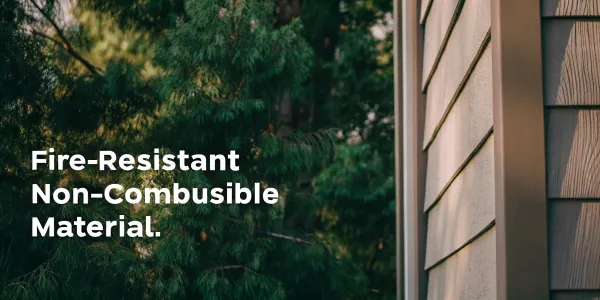
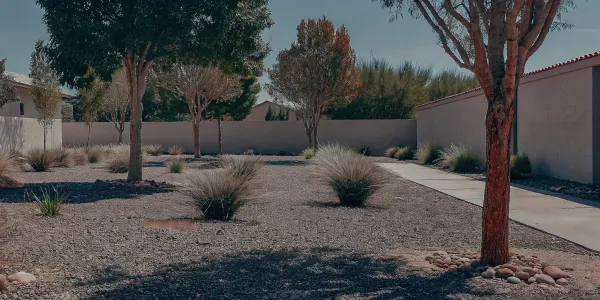
Think of this area as your home’s non-flammable welcome mat. The five feet immediately surrounding your house is the most critical area for preventing ignition from wind-blown embers, which are a primary cause of home loss during a wildfire. Your goal here is to eliminate anything that could catch a spark. Swap out bark or mulch for non-combustible materials like gravel, pavers, or concrete. You’ll also need to regularly clear your roof, gutters, and the areas under your decks of any dead leaves or pine needles. According to CAL FIRE's guidelines, even fences or gates attached to your home should be made of non-combustible materials to prevent fire from reaching your walls.
Zone 1: 5 to 30 Feet (Lean, Clean, and Green)
This next ring of defense, extending from 5 to 30 feet out, is all about creating a buffer. The idea is to keep the landscape “lean, clean, and green” to slow a fire’s spread and reduce its intensity. Start by removing all dead plants, dry grass, and weeds. Rake up fallen leaves and pine needles regularly. You’ll want to create space between plants to prevent fire from jumping from one to another. Trim trees so their canopies are at least 10 feet apart. This same principle of separation applies to anything flammable in this zone, including sheds or outdoor furniture. This strategic spacing is a key part of an effective defensible space plan that can make a real difference for firefighters.
Zone 2: 30 to 100 Feet (Reduced Fuel Zone)
In the outermost zone, from 30 to 100 feet, your job is to reduce the available fuel for an approaching wildfire. This doesn’t mean you need a barren landscape. Instead, focus on maintenance. Cut or mow annual grasses down to a maximum of four inches. Continue creating horizontal and vertical space between shrubs and trees, removing lower branches to prevent a ground fire from climbing into the canopy. Regularly clear away fallen leaves, needles, and small branches from the ground. If you have wood piles, make sure they are at least 30 feet from your home and have a 10-foot area of bare dirt cleared around them. This also applies to propane tanks and any outbuildings on your property.
Common Defensible Space Mistakes to Avoid
Creating defensible space is one of the most powerful steps you can take to protect your home. But knowing what not to do is just as important as knowing what to do. Many well-intentioned homeowners make simple errors that can undermine their hard work and leave their property vulnerable. Let’s walk through four of the most common mistakes so you can avoid them and create a truly effective buffer against wildfire.
Mistake #1: Assuming You're Safe in a Subdivision
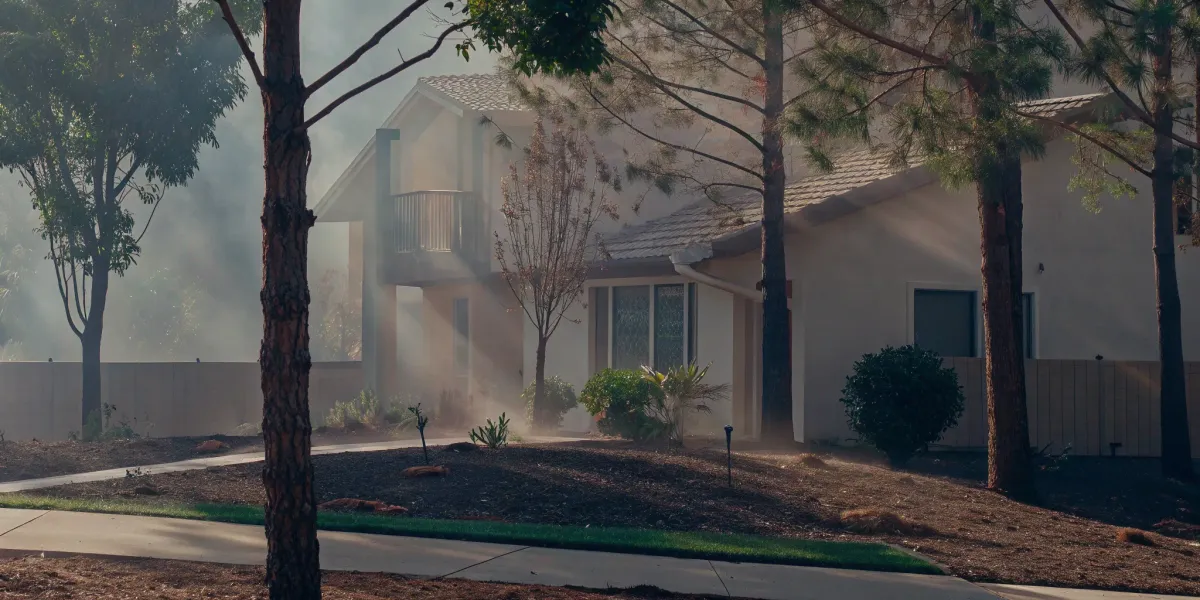
It’s easy to think that living in a planned subdivision with paved roads and nearby fire hydrants makes you safe from wildfire. This is a dangerous assumption. The reality is that wildfire risk is determined by landscape and conditions, not lot lines. Many suburban neighborhoods are built directly within the Wildland-Urban Interface (WUI)—the zone where development meets or mixes with wildland vegetation. Embers from a wildfire can travel a mile or more, igniting homes in areas that seem far from the main fire. Your home’s safety depends on the actions you take on your property, regardless of what your neighborhood looks like.
Mistake #2: Thinking You Have to Clear-Cut Everything
The term "defensible space" can bring to mind images of a barren, clear-cut landscape. But protecting your home doesn’t mean you have to sacrifice your garden. The goal is fuel reduction, not total vegetation removal. Effective management is about making smart choices. This means pruning trees to create separation between canopies, removing dead leaves and branches, and swapping out flammable plants for fire-resistant alternatives. A well-maintained, thoughtfully landscaped yard can be both beautiful and fire-safe. You can keep the natural beauty of your property while significantly reducing its vulnerability to wildfire.
Mistake #3: Treating It as a One-and-Done Project
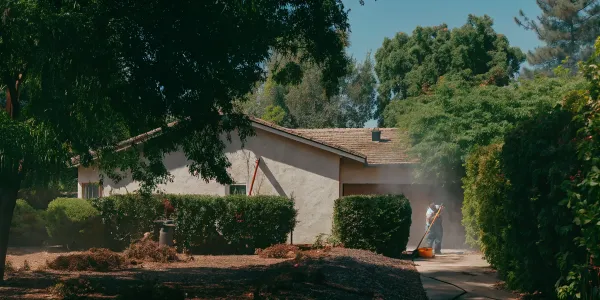
Your defensible space is more like a garden than a construction project—it needs regular attention to stay effective. Grasses grow, weeds sprout, and trees drop leaves and needles, creating new fuel for a fire. Creating your defensible space is the first step, but maintenance is what keeps your home protected year after year. You should plan for seasonal upkeep, like clearing gutters in the fall, mowing dry grass in the spring, and regularly removing dead plant material throughout the year. A consistent maintenance schedule is the key to ensuring your hard work continues to pay off. Your Wildfire Action Plan can help you create a simple, year-round checklist.
Mistake #4: Overlooking Local Rules
State law provides the minimum standard for defensible space, but it’s not always the final word. Many cities and counties have their own ordinances that may be stricter than state requirements. These local rules are often tailored to the specific fire risks in your area, such as unique weather patterns, topography, or vegetation types. Always check local ordinances for defensible space or weed abatement before you start your work. You can usually find this information on your local fire department’s website or by contacting your city or county planning office. Following local rules ensures you’re not only compliant but also doing what’s most effective for your specific location.
How to Comply with California's Defensible Space Law
Creating defensible space isn't just a smart move for protecting your home—it's a legal requirement in California. Understanding and following these regulations is a critical step in reducing your wildfire risk and can directly impact your ability to get and keep homeowners insurance. The state sets the baseline, but your local rules might be even more specific. Getting this right means you’re not only following the law but also giving firefighters the best possible chance to save your property if a wildfire approaches. Navigating these rules can feel overwhelming, but breaking them down makes compliance achievable. Your personalized Wildfire Action Plan can help you track these requirements and build a safer home.
Understanding the 100-Foot Rule
California law requires homeowners in high fire-risk areas to maintain 100 feet of defensible space around their homes. Think of this space as a buffer that slows or stops a wildfire from reaching your house. According to CAL FIRE, this zone is essential for firefighter safety, giving them a clear area to work in. The rule is straightforward: you must manage vegetation for at least 100 feet from your home's foundation, or up to your property line if it's closer. This doesn't mean you have to clear-cut the land. Instead, it involves strategic thinning and maintenance across different zones to reduce flammable materials and create a landscape that’s less likely to carry fire directly to your doorstep.
Why Your Local Fire Code Matters
The state’s 100-foot rule is the minimum standard, but your local fire department or county can enforce stricter regulations. It’s crucial to remember that local ordinances often have specific requirements tailored to the area's unique fire hazards and topography. For example, some communities may require more clearance in certain zones or have specific rules about plant types. Always check with your local fire authority to understand the exact rules for your property. Failing to meet these local codes can lead to non-compliance, even if you think you’ve met the state’s guidelines. Your local fire department’s website is the best place to start your research and ensure you're fully protected and compliant.
What Happens If You're Not Compliant?
Failing to maintain proper defensible space is a violation of California Public Resources Code 4291. This can result in fines and citations from your local fire authority. However, the financial penalty is often the least of your worries. The most significant consequence is the increased risk to your home and your family’s safety. A property without adequate defensible space is much more difficult, and sometimes impossible, for firefighters to defend. Furthermore, insurance companies are increasingly conducting their own inspections. A non-compliant property is a major red flag that could lead to a non-renewal of your policy, leaving you scrambling for coverage in a very tough market.
Where to Find Your Local Ordinances
The most reliable source for your area’s specific defensible space requirements is your local fire department or fire protection district. Most have websites with detailed guidelines, checklists, and contact information for their fire prevention officers. You can typically find this by searching online for “[Your City or County] fire department defensible space.” If you live in an area with a Homeowners Association (HOA), be sure to check their rules as well, as they may have additional requirements. You can also prepare for wildfire with information provided by CAL FIRE, but always confirm the details with your local authority to ensure you have the most accurate information.
How to Create and Maintain Your Defensible Space
Creating defensible space is one of the most effective actions you can take to protect your home from wildfire. It’s about building a buffer between your house and the surrounding vegetation, giving it a fighting chance if a fire approaches. This isn’t just about clearing land; it’s a strategic approach to landscape management that can slow a fire’s spread and reduce its intensity. Think of it as your home’s personal protection zone.
The reality is, during a major wildfire, emergency responders are stretched thin. Firefighters might not be able to defend every single property, especially if conditions are too dangerous. Your proactive work is what can make the difference, giving them a safer space to operate if they can get to your home. Taking on this project can feel like a huge task, but breaking it down into assessment, action, and ongoing maintenance makes it manageable. The goal is progress, not immediate perfection. By understanding the steps and staying consistent, you can significantly lower your property’s risk. Get started with a clear, personalized strategy by creating your free Wildfire Action Plan.
Assess Your Property: DIY vs. Pro Help
The first step is to look at your property with a critical eye. You can do this yourself or hire a professional for an expert opinion. A DIY assessment is a great starting point. Walk your property and use checklists from your local fire department to identify potential hazards in each zone. This helps you understand your landscape and build a prioritized to-do list.
For a more thorough analysis, consider hiring a certified wildfire mitigation specialist. They are trained to spot risks you might overlook, like specific plant species that are highly flammable or subtle issues with your home’s construction. Ultimately, it’s your responsibility as a homeowner to protect your property. Whether you start on your own or with professional guidance, taking the time to assess your unique risks is a crucial first step.
Your Year-Round Maintenance Checklist
Defensible space isn’t a one-and-done project; it requires consistent, year-round attention. Fire hazards can accumulate quickly, from fallen leaves in the autumn to dry grass in the summer. Integrating maintenance into your regular yard work routine makes it far less overwhelming.
Here’s a simple checklist to follow throughout the year:
- Clear roofs and gutters of leaves, pine needles, and other debris.
- Remove all dead plants, weeds, and dry grass from within 30 feet of your home.
- Trim trees so the lowest branches are 6 to 10 feet from the ground.
- Mow dry grass and weeds before fire season begins, typically down to a height of four inches.
- Regularly clear dead or dry vegetation and create separation between trees and shrubs to slow the spread of fire.
The Right Tools for the Job
Having the right equipment makes creating and maintaining your defensible space safer and more efficient. You don’t need a shed full of professional-grade gear, but a few key items will make a world of difference. For basic tasks, make sure you have sturdy rakes, shovels, hoes, and pruning tools like loppers and shears.
For larger jobs, you might need a chainsaw for removing trees or thick branches, and a wood chipper can help you dispose of vegetation responsibly. Always prioritize safety by wearing gloves, eye protection, and proper footwear. Creating defensible space is a powerful way to protect your home, but it’s easy to make mistakes that undermine your hard work. Using the best tools for defensible space ensures you can do the job correctly and safely.
Don't Forget: Wind and Emergency Access
Two critical factors that are often overlooked are wind patterns and emergency access. Think about the typical wind direction in your area. Embers are a primary cause of home ignition, and wind can carry them long distances, where they can get trapped in corners or under decks. Pay extra attention to clearing debris from these accumulation points.
Equally important is ensuring firefighters can get to you. Your driveway should be at least 12 feet wide with a clear overhead space of 15 feet. Your address numbers should be large and clearly visible from the street. Finally, make sure you don’t have anything that could restrict firefighting, like fences with narrow gates or decorative boulders along the driveway. Clear access can be the deciding factor in whether firefighters can safely defend your home.
Related Articles
- Wildfire Risk Insurance: A Complete Guide
- Defensible Space Requirements by State: A 2025 Guide
- How to Assess Your Home's Wildfire Vulnerability
Pay Less for Home Insurance
and Avoid Non-Renewal?
Our partner, Five Bays Insurance Agency, offers a free policy checkup that spots hidden discounts to make sure you’re not paying more than you should.
Frequently Asked Questions
If I create a perfect defensible space, will my insurance company guarantee my policy? While there's no absolute guarantee in today's tough insurance market, creating and maintaining a proper defensible space is the single most important step you can take to stay insurable. Insurers see a well-maintained property as a lower risk, which makes them far more likely to offer or renew a policy. Think of it as making your home a better investment for them. It demonstrates you are a proactive homeowner, which can be the deciding factor when an underwriter is reviewing your property.
This sounds expensive. What's a realistic budget for creating defensible space? The cost can vary widely depending on the size of your property and how much work is needed. If you can do the labor yourself, your main costs will be for tools, fuel, and disposal fees. For larger properties or those with significant vegetation, hiring a professional fire mitigation service can cost several thousand dollars. The best approach is to start with a thorough assessment to see what's most critical, and then tackle the work in phases, starting with the five-foot zone around your home.
What do I do if the 100-foot zone goes onto my neighbor's property? California law only requires you to manage the space on your own property. However, fire doesn't respect property lines, so your best bet is to talk to your neighbor. You can explain that creating a continuous defensible space benefits both of you and offer to coordinate your efforts. Many communities face this issue, and working together is the most effective way to create a truly fire-safe neighborhood for everyone.
Do I have to remove all my landscaping? Can a fire-safe yard still look nice? Absolutely. A fire-safe landscape is not a barren one. The goal is to be strategic, not to clear-cut your yard. It’s about creating separation between plants, removing dead material, and choosing fire-resistant species. You can have a beautiful, thriving garden by selecting native plants that are naturally more drought-tolerant and less flammable. A local nursery can be a great resource for finding attractive, fire-smart options that work for your property.
How often do I really need to maintain this space? Is it a weekly chore? Defensible space is not a one-and-done project, but it doesn't have to be a constant chore either. The key is to integrate it into your regular seasonal yard work. Plan on a major cleanup in the spring to prepare for fire season, which includes mowing dry grass and clearing out winter debris. Throughout the summer and fall, you'll need to stay on top of removing fallen leaves and pine needles, especially from your roof and gutters. Consistent, seasonal maintenance is what keeps your home protected.