A Guide to Defensible Space Requirements by State
Get clear, practical answers on defensible space requirements by state, with tips to protect your home, meet insurance rules, and reduce wildfire risk.
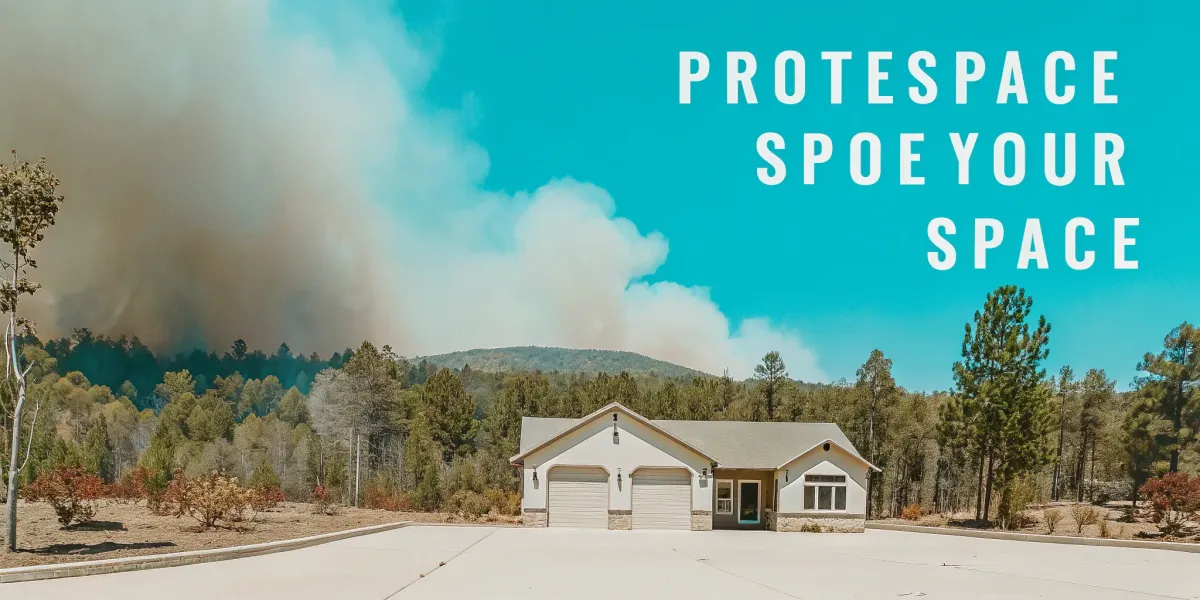
If you’ve received a non-renewal notice from your home insurance company, you know the feeling of frustration and uncertainty that follows. Insurers are looking closer than ever at wildfire risk, and one term keeps coming up: defensible space. This isn't just about following the law; it's about meeting the specific, often stricter, demands of your insurance carrier. The problem is, these demands aren't always clear, and they can feel impossible to meet. This guide is here to provide clarity. We’ll break down exactly what defensible space is, why it’s the single most important factor for your insurer, and how to understand the different defensible space requirements by state so you can take confident, effective action to protect your home and your policy.
Key Takeaways
- Defensible space is your key to insurability: Creating the required 100-foot buffer is no longer just about following the law; it's the most direct way to prove to your insurer that you are actively managing your home's risk, which is essential for maintaining coverage.
- Focus on the first five feet and make it a routine: Your most critical task is keeping the area within five feet of your home (Zone 0) completely free of flammable materials to stop embers. Treat the rest of your property's maintenance like a year-round chore, using a seasonal calendar to keep the work manageable.
- Look beyond state law for the full picture: Your local fire department and insurance provider often have stricter rules than the state's minimum requirements. Contact them directly to get their specific checklists and ensure your hard work meets every standard for safety and insurability.
What is Defensible Space? (And Why Your Insurer Cares)
If you live in a wildfire-prone area, you’ve likely heard the term “defensible space.” But what does it actually mean? Think of it as a buffer zone you create between your home and the surrounding grass, trees, and wildland. According to CAL FIRE, this space is designed to slow or stop the spread of wildfire, protecting your home from catching fire. It also provides a safer area for firefighters to work in when they need to defend your property.
In California, state law requires homeowners to maintain 100 feet of defensible space around their homes. For insurers, this isn’t just a suggestion—it’s a critical factor in their risk assessment. A home with well-managed defensible space is seen as a much lower risk, which can directly impact your ability to get or keep your insurance policy. In today’s challenging insurance market, proving you’ve taken this step is more important than ever.
How Defensible Space Actually Works
The concept of defensible space is broken down into zones, making it easier to manage. The most critical area is Zone 0, also known as the Ember-Resistant Zone, which covers the first five feet out from your home’s foundation. This is where a stray ember could land and ignite flammable materials, setting your house on fire. The goal here is to have nothing combustible.
From there, you work your way outward. Zone 1 extends from 5 to 30 feet, and Zone 2 goes from 30 to 100 feet. Each zone has specific requirements for clearing vegetation, trimming trees, and removing flammable debris. By managing these areas, you can systematically reduce the fuel a wildfire needs to reach your home. You can find detailed guides on how to create defensible space that walk you through each zone’s requirements.
Protect Your Home and Keep Your Insurance
Creating defensible space isn’t a one-time project; it’s an ongoing commitment to maintenance. Regular upkeep, especially during dry seasons, is essential for keeping your property safe and compliant. Following these guidelines doesn’t just protect your home—it creates a safer environment for your neighbors and the firefighters who may be called to defend your community.
From an insurance perspective, the state’s 100-foot rule is just the starting point. Some insurance carriers now require more than the state minimum or have their own specific guidelines for what they consider a well-maintained property. Proactively managing your defensible space is one of the most powerful actions you can take to demonstrate to your insurer that you are actively reducing your home’s wildfire risk, which can be a deciding factor at renewal time.
Common Defensible Space Myths, Busted
As you start working on your property, it’s easy to run into misinformation. One common myth is that if 100 feet of clearance is good, 200 or 300 feet must be better. This is false. According to the California Chaparral Institute, excessively clearing land can cause soil erosion and other environmental damage without providing significant additional fire protection. Stick to the recommended 100-foot distance.
Another point of confusion is the number of zones. While California law officially outlines three zones (0, 1, and 2), you might see other models that include up to four. These different frameworks for firesafe landscaping often have similar goals but may be tailored to specific local ordinances or ecosystems. Always check with your local fire department to ensure you’re following the right guidelines for your area.
Breaking Down California's Defensible Space Laws
If you live in California, you’ve likely heard the term “defensible space.” It’s more than just a suggestion—it’s a legal requirement for homeowners in areas with high wildfire risk. These laws are designed to slow the spread of a wildfire and give firefighters a safer area to defend your home. For homeowners struggling with insurance, understanding and implementing these rules is one of the most powerful steps you can take. Insurers look at your defensible space as a key indicator of your home’s risk level. A well-maintained property is often the difference between getting renewed and receiving a non-renewal notice. Let’s walk through exactly what California law requires, zone by zone.
The 100-Foot Rule: What You Need to Know
The foundation of California's requirements is the 100-foot rule. State law mandates that homeowners in State Responsibility Areas (SRAs) maintain a 100-foot defensible space perimeter around all structures on their property. Think of it as a buffer zone. This area is broken down into three smaller, distinct zones, each with its own set of rules for clearing flammable materials. The goal isn't to clear-cut your property but to strategically reduce wildfire fuel. Properly managing this 100-foot area can dramatically increase your home's chance of survival and provides a safer environment for firefighting efforts if a wildfire approaches your neighborhood.
Zone 0 (0-5 Feet): Your Ember-Resistant Zone
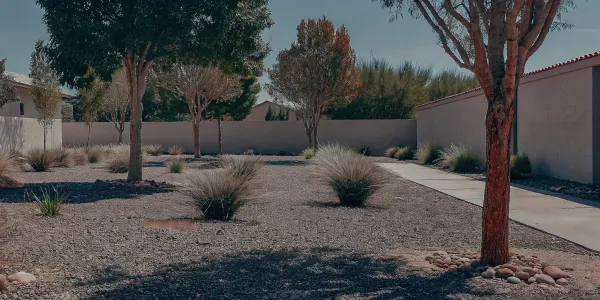
This is the most critical area for protecting your home. Zone 0, also called the Ember-Resistant Zone, is the five-foot perimeter directly surrounding your house, including the area under any attached decks. Embers are the primary way homes ignite during a wildfire, and this zone is your first line of defense. The goal here is to eliminate anything that can catch fire. You should use hardscaping materials like gravel, pavers, or concrete. Avoid flammable materials like bark or rubber mulch. Remove any dead leaves from your roof and gutters, and trim any tree branches that hang over your roof. Think of this as your home’s non-flammable welcome mat.
Zone 1 (5-30 Feet): Create a 'Lean, Clean, and Green' Area
Moving outward from your home, Zone 1 covers the area from 5 to 30 feet. The mantra for this space is "lean, clean, and green." This means removing all dead plants, dry grass, and weeds. Any trees in this zone should be well-maintained; trim branches regularly to keep them at least 10 feet away from other trees and remove any limbs that are within 10 feet of your chimney. Firewood stacks should be moved into Zone 2. The idea is to create a landscape that is less likely to carry a fire directly to your home, keeping things irrigated and free of dead fuel.
Zone 2 (30-100 Feet): Reduce Flammable Vegetation
The final section, Zone 2, extends from 30 feet all the way out to 100 feet from your home. Your objective here is to reduce the fuel load, not eliminate all vegetation. In this zone, you should cut or mow annual grasses down to a maximum height of four inches. It’s also important to create horizontal and vertical space between shrubs and trees. This spacing disrupts the path of a fire, making it harder for flames to climb from the ground up into the tree canopy or jump from tree to tree. Following these defensible space guidelines helps slow a fire’s progress and reduces its intensity.
Check for Stricter Local Rules
While state law provides the minimum standard, it’s crucial to remember that your local city or county may have stricter requirements. Some fire departments or local ordinances might expand the size of a zone—for example, requiring Zone 1 to extend to 50 feet instead of 30. These rules are based on local conditions and risk factors. Always check with your local fire department or city planning office to ensure you are meeting all requirements. They are your best resource for understanding the specific rules that apply to your property and can often provide guidance and inspections.
What Happens If You Don't Comply?
Failing to maintain your defensible space isn't just a risk—it's a violation of state law. Homeowners who don't comply can face fines or other penalties from local authorities. But for many, the biggest consequence is related to home insurance. Insurers are actively conducting on-site inspections and using aerial imagery to assess wildfire risk. If your property doesn't meet defensible space requirements, you could receive a non-renewal notice or be denied coverage altogether. Proactively managing your property is essential for both your safety and your ability to stay insured. You can start today by creating your own Wildfire Action Plan.
Defensible Space Laws in Other Western States
While California’s defensible space laws are some of the most specific in the country, other Western states also have rules and recommendations to help homeowners reduce their wildfire risk. Understanding the approach in your state is the first step toward protecting your property and staying insurable. The requirements often vary, ranging from strict mandates to voluntary guidelines, but the goal is always the same: creating a buffer that can slow or stop an approaching wildfire.
Colorado: Factoring in Slopes
In Colorado, defensible space isn't just about distance; it's also about elevation. The state’s requirements specifically consider the slope of your land because fire spreads much faster uphill. Steeper terrain can dramatically increase a fire's speed and intensity, meaning you may need to extend your clearance zones beyond the standard recommendations. The Colorado State Forest Service encourages homeowners to create a defensible space plan that is tailored to their property's unique conditions, including its topography. This means assessing your yard not just for flammable vegetation, but also for how the landscape itself could influence a fire's behavior. An insurer will likely look at this, too, so aligning your work with state guidance is a smart move.
Oregon & Washington: A Focus on Guidelines
Oregon and Washington take a slightly different approach. Instead of enforcing strict statewide mandates, both states provide comprehensive guidelines to help homeowners protect their properties. These recommendations focus on the same core principles: clearing flammable vegetation, creating buffer zones, and using fire-resistant materials. While you may not face a legal penalty for non-compliance, following these guidelines is critical for reducing your risk. Insurers in these states still expect homeowners to take proactive steps, and having a well-maintained defensible space can make a significant difference in your ability to find and keep affordable coverage. You can find detailed advice from the Oregon Department of Forestry and the Washington Department of Natural Resources.
Arizona, Nevada & Texas: What to Expect
The approach to defensible space varies significantly across Arizona, Nevada, and Texas. Arizona provides specific guidelines for homeowners living in high-risk areas, similar to other Western states. Nevada, however, often emphasizes community-wide fire prevention strategies, encouraging entire neighborhoods to work together on risk reduction. Texas has no statewide mandates, leaving it up to local governments to adopt and enforce their own fire safety measures. This patchwork of regulations means it's essential to check local ordinances in addition to state recommendations from agencies like the Arizona Department of Forestry and Fire Management or the Nevada Division of Forestry. Your local fire department is the best place to start to understand what’s required in your specific area.
Key Differences: Mandates vs. Recommendations
The most significant difference you'll find among Western states is whether their defensible space rules are legal mandates or simply strong recommendations. California stands out with its strict laws, requiring a 100-foot defensible space that is legally enforceable, as outlined by CAL FIRE. In contrast, states like Oregon, Washington, and Texas offer official guidelines without the same legal weight. However, don't mistake a recommendation for a suggestion you can ignore. Insurance companies increasingly use these guidelines as a baseline for determining a home's risk, and following them is one of the most effective actions you can take to protect your property and prove to your insurer that you are actively managing your risk.
What If Your State Has No Specific Laws?
If you live in a state without specific defensible space laws, you are not off the hook. The absence of a state mandate doesn't mean the risk is gone. In this situation, it's crucial to be proactive. You should follow the best practices for wildfire safety established by organizations like the National Fire Protection Association. Start by contacting your local fire department for a risk assessment and guidance tailored to your area. Most importantly, talk to your insurance provider to understand their specific requirements for maintaining coverage. Creating a defensible space is a vital step in any wildfire action plan, regardless of state law, as it demonstrates you are taking responsibility for your home’s safety.
Your Year-Round Defensible Space Checklist
Creating defensible space isn’t a project you tackle on a single weekend. It’s a year-round commitment to managing your property and reducing wildfire fuel. Think of it like regular home maintenance—a consistent routine that protects your biggest investment and gives you peace of mind. Insurers look for this ongoing effort because it shows you are actively lowering your property’s risk. Breaking the work down into a manageable, seasonal checklist makes it far less overwhelming. Use these steps to build your routine, and integrate them into your personalized Wildfire Action Plan.
Manage Vegetation by Zone
The foundation of a good defensible space strategy is managing your property in zones. Each zone has a different job, but the immediate goal is to stop embers from finding a place to land and ignite. According to CAL FIRE, Zone 0 (the first 5 feet from your home) is the most critical area for preventing ignition. Keep this zone completely free of flammable materials—no bark mulch, no overgrown shrubs, no woodpiles. As you move further out into Zone 1 (5-30 feet) and Zone 2 (30-100 feet), your focus shifts to thinning vegetation, creating separation between plants, and removing dead material to slow a fire’s spread.
Choose Fire-Resistant Plants
A fire-safe yard doesn’t have to be a barren landscape of rocks and dirt. The key is creating a fire-smart landscape with carefully selected plants. Fire-resistant plants are those with high moisture content and low levels of flammable resins or oils. Think succulents, salvias, and many native California plants that are naturally adapted to dry conditions. Avoid plants like juniper, cypress, and rosemary, which contain volatile oils and can ignite easily. Proper maintenance is just as important as plant selection. Even fire-resistant plants can become a hazard if they aren’t watered, pruned, and cleared of dead leaves and branches.
Follow a Seasonal Maintenance Calendar
Defensible space is a continuous effort, especially as seasons change and vegetation grows. Following a simple calendar keeps the work manageable.
- Spring: This is your big cleanup season. Clear away fallen leaves and branches from the winter, trim overgrown shrubs, and ensure your lawn is mowed before it dries out.
- Summer: Focus on maintenance. Water plants consistently to keep them healthy and hydrated, continue mowing dry grasses, and maintain clearance around your home as vegetation grows.
- Fall: Clear your roof and gutters of fallen leaves and pine needles before the winds pick up. This is a critical step to eliminate a major ignition point for embers.
- Winter: Take advantage of plant dormancy to prune trees and large shrubs, especially those near your home or power lines.
Create Space Between Trees and Structures
Fire doesn’t just spread across the ground; it climbs. A "fuel ladder" is created when low-lying shrubs, small trees, and low-hanging branches allow a ground fire to climb into the canopies of large trees. From there, it can easily spread to your roof. To break this ladder, you need to create both horizontal and vertical space. Keep tree canopies at least 10 feet apart from each other. You should also remove tree limbs that are within 10 feet of your chimney or hang over your roof. Prune lower branches on mature trees at least 6 to 10 feet from the ground to prevent a ground fire from climbing up.
Clear Debris Safely and Effectively
Embers are the primary cause of home ignition during a wildfire. They can travel a mile or more ahead of the main fire and land in tiny crevices, where they ignite accumulated debris. Your most important task is to remove all dead plants, weeds, and dry leaves from your property. Pay special attention to the places where this debris gathers: your roof, gutters, under decks, against fences, and at the base of your home’s foundation. A leaf blower can be a great tool for clearing these areas quickly. Always dispose of debris properly. If you plan to burn it, check with your local fire department for burn-day regulations and permits first.
Find Local Defensible Space Guidelines and Resources
State laws provide a critical baseline for defensible space, but they are often just the starting point. Your specific requirements can vary significantly based on your city, county, and even your insurance provider. Think of the state law as the minimum standard; your local fire department or homeowners' association might have stricter rules designed to address the unique risks in your immediate area. Failing to meet these hyper-local requirements can result in fines or, more importantly, leave your home unnecessarily vulnerable.
Navigating these different layers of regulations can feel confusing, but it’s an essential step in creating an effective wildfire defense. You need to know exactly what’s expected for your property to protect your home, ensure firefighters can do their job safely, and maintain your home insurance. The good news is that there are several reliable places to find this information. From state-level agencies to community groups, these resources can provide the clarity you need to take confident action. By checking with each of them, you can piece together a complete picture of your responsibilities and build a plan that satisfies everyone.
Start with Your State Fire Marshal or Forestry Agency
Your first stop for information should always be your state’s primary fire agency. For Californians, this is CAL FIRE. State agencies set the foundational rules that apply to large swaths of land, particularly in high-risk areas. For example, California mandates a 100-foot defensible space around homes in State Responsibility Areas (SRA) to slow wildfires and give firefighters a safe perimeter to work. These agencies offer detailed guides, checklists, and legal information on their websites. Understanding these state-level fire safety laws is the non-negotiable first step before you dig into more specific local rules. It ensures you’re meeting the fundamental requirements for wildfire safety in your region.
Check with Your Local Fire Department
Once you understand the state requirements, your next call should be to your local fire department or fire protection district. Local jurisdictions often have ordinances that are stricter than state law. They might require a larger ember-resistant zone or have specific rules about plant types and spacing tailored to your community’s landscape. For example, while the state may define Zone 1 as extending 30 feet from your home, your city might require it to be 50 feet. You can usually find these rules on your city or county’s website, but don’t hesitate to call the non-emergency line at your local fire station. They are the ultimate authority on the rules you must follow to create defensible space for your specific property.
Connect with a Local Fire Safe Council
Fire Safe Councils are community-led organizations that are invaluable for getting neighborhood-specific advice. These groups are on the front lines of local wildfire prevention and are deeply familiar with the area’s unique geography, weather patterns, and vegetation. Because local governments in states like California have adopted some of the nation’s most restrictive ordinances, it’s common to find required defensible space zones of more than 100 feet. A Fire Safe Council can help you understand these nuances, connect you with local contractors, and inform you about grant programs that can help offset the cost of mitigation work. They are a fantastic resource for turning regulations into real-world action.
Look Up University Extension Programs
For science-backed, unbiased information, look to your state’s university extension programs. These programs translate academic research into practical advice for homeowners. They offer workshops, detailed guides, and fact sheets on everything from fire-resistant landscaping to the most effective home hardening techniques for your climate. Research shows that these educational programs play a significant role in motivating homeowners to take action. If you’re trying to decide which plants to remove or what to replace them with, a university extension can provide recommendations that are perfectly suited to your local environment and wildfire risk.
Ask Your Insurance Company for Their Requirements
Meeting government regulations is one thing, but keeping your insurance policy is another. Many homeowners are surprised to learn that their insurance carrier may require more than what state or local laws mandate. An insurer might have its own set of detailed guidelines for defensible space and home hardening that you must meet to remain insured. Some carriers require a defensible space perimeter well beyond the standard 100 feet. Contact your agent directly and ask for their wildfire mitigation checklist. Following their guidelines not only helps protect your home but also demonstrates to the insurer that you are a proactive and responsible partner in reducing risk, which is crucial in today’s difficult insurance market.
Related Articles
- Wildfire Risk Insurance: A Complete Guide
- What Does Wildfire Insurance Cover? A Simple Guide
- How to Get CA Home Insurance in High Fire Risk Areas
- How to Do a Wildfire Home Assessment in NorCal
Frequently Asked Questions
This sounds like a lot of work. Do I have to do it all myself? It can feel like a big project, but you don't have to tackle it alone or all at once. Many homeowners manage the work themselves by breaking it down into smaller tasks throughout the year, like the seasonal checklist suggests. For larger jobs, such as removing big trees or significant thinning, hiring a professional arborist or a landscaper who specializes in fire mitigation is a great idea. You can also check with your local Fire Safe Council, as they sometimes have programs or grants to help residents with the cost and labor.
If I create a perfect defensible space, is my insurance company guaranteed to renew my policy? Unfortunately, there is no absolute guarantee. Defensible space is a critical factor in an insurer's assessment, but they also consider other elements like your home's building materials, your roof's condition, and the overall wildfire risk of your entire neighborhood. However, creating and maintaining your defensible space is the most powerful action you can take. It directly demonstrates that you are reducing your property's risk, which can be the deciding factor that helps you keep your coverage or find a new policy.
Will creating defensible space mean I have to clear-cut my yard and make it look barren? Not at all. The goal of defensible space isn't to create a sterile, empty landscape. It's about creating a "lean, clean, and green" environment. This means strategically thinning vegetation, pruning trees to create space between them, and replacing highly flammable plants with beautiful, fire-resistant alternatives. A well-designed, fire-smart landscape can be lush and attractive while also providing a powerful buffer against wildfire.
My property extends well beyond 100 feet from my house. Should I clear more land to be extra safe? It’s best to stick to the 100-foot standard recommended by fire science experts. The 100-foot perimeter is specifically designed to protect your home from radiant heat and embers, which are the primary threats. Clearing land far beyond this distance provides little additional protection for your home and can cause unintended problems, like soil erosion or the growth of invasive weeds that can become a new fire hazard. Your time and resources are most effective when focused within that critical 100-foot zone.
How can I prove to my insurance company that I’ve done all this work? Documentation is key. Take clear "before" and "after" photos of your property from several different angles to show the improvements you've made. Keep any invoices or receipts from professionals you hired for tree trimming or debris removal. Some local fire departments offer defensible space inspections and can provide you with an official report. Proactively sending this package of information to your insurance agent before your renewal period is a great way to show you're a responsible homeowner actively managing your risk.