How to Create Defensible Space in Northern California
Get practical steps for defensible space creation Northern California homeowners need to protect property, meet legal requirements, and stay insurable.
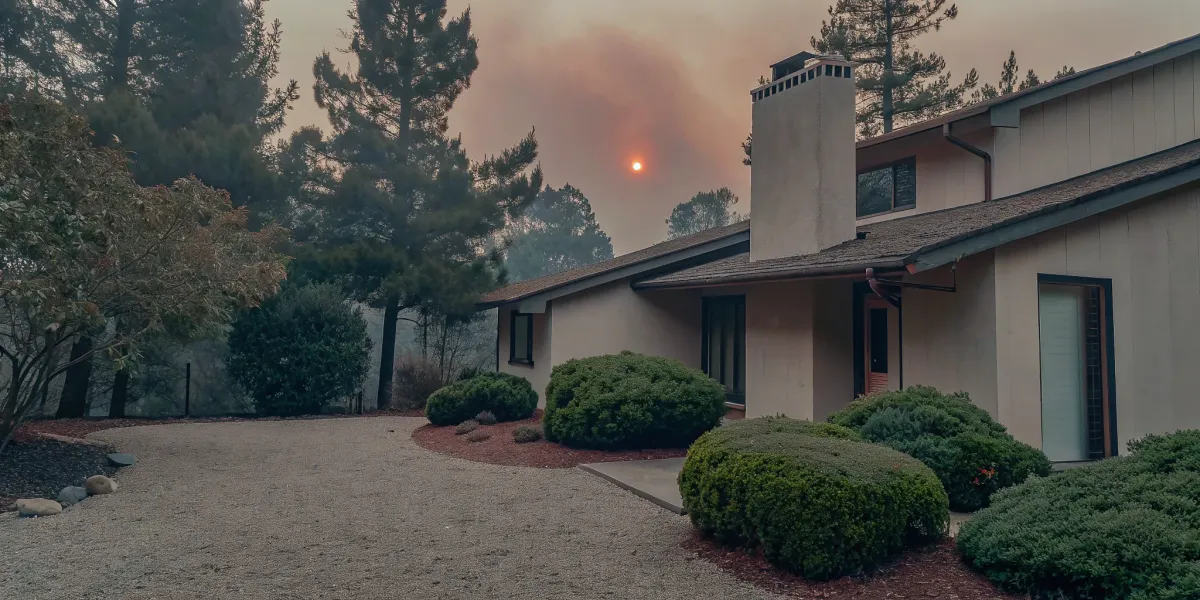
If you live in Northern California, that non-renewal notice from your insurance company can feel like a gut punch. Suddenly, the home you’ve worked so hard for feels vulnerable, and the path forward is confusing. For homeowners in high-risk fire zones, this is an all-too-common story. But you have more control than you might think. Insurers are looking for one thing above all else: proactive risk reduction. This is where defensible space becomes your most powerful tool. It’s not just about clearing brush; it’s about demonstrating to carriers that you are a responsible homeowner. This guide breaks down the essentials of defensible space creation Northern California, showing you how to protect your property and prove your home is a risk worth taking.
Key Takeaways
- Your insurability depends on defensible space: Creating the required 100-foot buffer around your home is no longer optional—it's a critical step to protect your property from wildfire and a key factor insurers use to decide whether to cover you.
- Work from your house outward for the biggest impact: Start with the most critical area by removing all flammable materials within five feet of your home. Then, clear dead vegetation out to 30 feet, and finally, reduce fuel by thinning trees and brush in the 30-100 foot zone.
- Make maintenance a routine, and hire pros for the heavy lifting: Defensible space requires year-round attention. Handle routine tasks like raking and mowing yourself, but for complex jobs like tree removal, always hire a licensed and insured professional to ensure the work is done safely and correctly.
What is Defensible Space and Why Does It Matter in Northern California?
If you live in Northern California, you’ve likely heard the term “defensible space.” Put simply, it’s a buffer you create between your home and the surrounding grass, trees, and wildland. This buffer is designed to slow or stop the spread of wildfire, protecting your property from direct flames and intense heat. It’s one of the most effective steps you can take to protect your home and family.
Creating defensible space isn’t about clear-cutting your property and leaving a bare patch of dirt. Instead, it’s about smart and strategic vegetation management. The goal is to remove dead and dying material, thin out dense vegetation, and create a landscape that’s less likely to carry a fire right to your doorstep. Think of it as giving your home breathing room. This space also gives firefighters a safer area to work in if they need to defend your home during a wildfire. For anyone living in the region’s beautiful but fire-prone landscapes, understanding and creating this space is no longer optional—it’s a critical part of homeownership.
The Three Defensible Space Zones, Explained
California law requires homeowners in high fire-risk areas to maintain 100 feet of defensible space around their homes. This area is divided into distinct zones, each with its own set of rules.
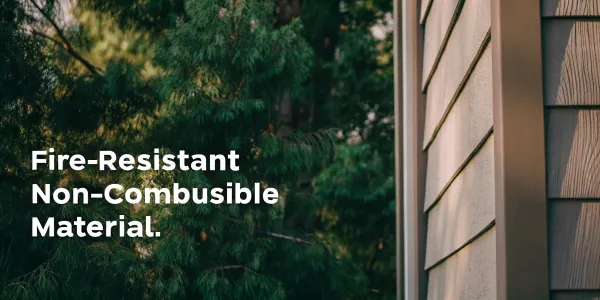
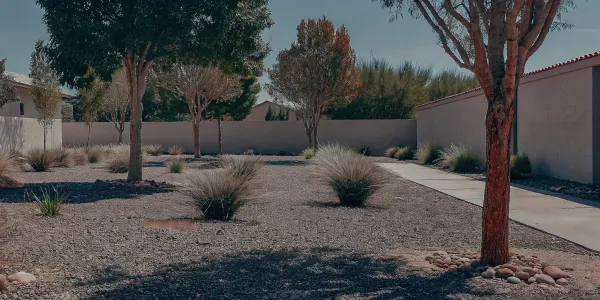
- Zone 0 (0-5 feet): The Ember-Resistant Zone. This is the most critical area immediately surrounding your home. Embers are the primary cause of home ignition during a wildfire. In this zone, you should remove all flammable materials, including mulch, dead leaves, and combustible patio furniture. Use non-combustible materials like gravel or pavers right up against the house.
- Zone 1 (5-30 feet): The Lean, Clean, and Green Zone. Here, the goal is to eliminate fuel that could carry a fire to your home. Remove all dead plants, grass, and weeds. Trim trees to keep branches at least 10 feet from other trees and your roof.
- Zone 2 (30-100 feet): The Reduced Fuel Zone. In this outer ring, you should focus on slowing a fire down. Cut or mow annual grass down to a maximum height of four inches. Create horizontal and vertical space between shrubs and trees to prevent flames from climbing up into the canopies.
Northern California's Unique Wildfire Risks
Northern California’s landscape is a major reason why defensible space is so essential. Many communities are built directly within the wildland-urban interface (WUI), where homes and wildlands mix. This proximity, combined with dense forests, steep canyons, and grasslands that turn bone-dry in the summer, creates a high-risk environment.
On top of the terrain, our climate patterns add another layer of risk. Long, dry summers followed by powerful Diablo winds can turn a small spark into a devastating firestorm in minutes. These conditions mean that a wildfire can travel quickly and unpredictably. Creating defensible space disrupts a fire’s path, reducing its intensity and giving your home a fighting chance to survive, even when fire conditions are at their worst.
How Defensible Space Protects Your Home and Insurability
A well-maintained defensible space does two critical things: it protects your home physically and financially. First, it dramatically improves your home’s odds of surviving a wildfire. By removing flammable fuel near your house, you reduce the threat of ignition from direct flames and radiant heat. Research consistently shows that homes with good defensible space are far more likely to withstand a wildfire, even if firefighters can’t reach them.
Second, defensible space is now a key factor in your ability to get and keep homeowners insurance. With insurers pulling back from high-risk areas, your property’s wildfire score matters more than ever. Insurance companies use satellite imagery and on-site inspections to assess your risk, and a lack of defensible space is a major red flag. Taking action to clear vegetation and manage your property can directly impact your fire insurance eligibility, helping you stay insurable and avoid a non-renewal notice.
What Are NorCal's Defensible Space Requirements?
In Northern California, creating defensible space isn’t just a good idea—it’s the law. State regulations establish a clear, 100-foot perimeter around your home that must be managed to slow or stop the spread of wildfire. Think of it as a buffer zone that gives your home a fighting chance and provides a safer area for firefighters to work. These rules are the minimum standard, designed to reduce flammable vegetation that acts as fuel for an approaching fire.
Understanding and implementing these requirements is one of the most powerful steps you can take to protect your property. It’s also a critical factor that insurance companies evaluate when deciding whether to offer or renew your policy. By following these guidelines, you’re not just complying with the law; you’re making a direct investment in your home’s safety and insurability. Keeping track of these different zones and their specific rules can be a lot to manage, but a clear plan makes it achievable. You can use the Wildfire Action Plan tool to build a personalized checklist and stay on top of your property's needs.
Zone 1: The Immediate 30-Foot "Lean, Clean, and Green" Zone
This is the most critical area, extending 30 feet out from your house, deck, and any outbuildings. The goal here is to create an environment that is unlikely to ignite from flying embers. This means removing all dead plants, weeds, and dry grass. Pay close attention to your roof and gutters, keeping them clear of leaves and pine needles.
You’ll also need to trim tree branches so they are at least 10 feet away from your chimney and any other stovepipe outlets. Any branches overhanging your roof should be removed. For things like woodpiles or propane tanks, clear away flammable vegetation within a 10-foot radius. Following these defensible space requirements is your first line of defense against embers, which are a primary cause of home ignition during a wildfire.
Zone 2: The Intermediate 100-Foot "Reduce Fuel" Zone
This zone extends from 30 feet to 100 feet out from your home. The focus here isn't complete removal, but rather fuel reduction. You want to interrupt a fire's path by creating space between trees and removing ground-level fuels. Start by cutting or mowing annual grass down to a maximum height of four inches.
You should also clear out dead and dying trees, shrubs, and branches. On the ground, you can leave a thin layer of organic material like pine needles or leaves, but it shouldn't be more than three inches deep. Creating horizontal and vertical space between shrubs and trees is also key. This strategic thinning slows a fire down and reduces its intensity, giving firefighters a better opportunity to protect your home.
Local Rules That Go Beyond State Law
While state law provides a solid baseline, it’s crucial to remember that your local fire department or fire protection district can enforce stricter rules. Depending on your community’s specific risks, such as canyons, hillsides, or local wind patterns, you might have additional requirements. For example, some jurisdictions may require the "lean, clean, and green" zone (Zone 1) to extend out to 50 feet instead of 30.
Never assume the state guidelines are the final word. Always check with your local fire authority to understand the specific ordinances for your property. A quick call or a visit to their website can give you the exact details you need to be fully compliant and, more importantly, as safe as possible.
How Much Does Defensible Space Cost in Northern California?
Figuring out the cost of creating defensible space is a top concern for many Northern California homeowners, and for good reason. The truth is, there’s no one-size-fits-all price tag. The final cost can range from a few hundred dollars for a small, well-maintained yard to several thousand for a large, overgrown property on a steep slope. The price depends entirely on your property’s specific needs. Think of it less as a single expense and more as a tailored investment in your home’s safety and your family’s peace of mind.
What Factors Influence the Price?
The biggest driver of cost is the amount and type of work needed. A professional will assess several things, starting with vegetation management. Do you have dense brush that needs to be cleared, or just low-hanging tree limbs to prune? The density of trees, the type of plants near your home, and the overall condition of your landscape play a huge role. The size of your property and its terrain are also key factors. A large, sloped lot with difficult access will naturally cost more to clear than a small, flat yard. The goal isn't to create a barren landscape, but to strategically manage combustible materials to give your home a fighting chance.
Find Insurance Discounts and Financial Aid
Don't let the potential cost stop you. Taking steps to create defensible space is one of the most powerful things you can do to maintain your home insurance. In fact, California law requires insurers to offer discounts for wildfire mitigation efforts. After you’ve done the work, call your insurance agent, explain the specific actions you’ve taken, and ask what discounts you now qualify for. You may also be able to get financial help to offset the initial expense. Look into local and state programs, like California’s Fire Prevention Grant Program, which can provide funding to homeowners and communities for projects that reduce wildfire risk.
The Long-Term Payoff: Lower Premiums and a Protected Home
Viewing defensible space work as an investment, rather than just another home maintenance cost, is crucial. The immediate payoff is a home that is significantly safer and better prepared to withstand a wildfire. But the financial benefits accumulate over time. By reducing your property’s risk, you become a more attractive customer to insurers, which can lead to lower annual premiums and help you avoid getting dropped from your policy. This isn't about clear-cutting your property; it's about smart, effective vegetation management. Ultimately, the greatest return is the peace of mind that comes from having a solid Wildfire Action Plan in place.
What Do Defensible Space Companies Offer?
If the thought of clearing 100 feet of property feels overwhelming, you’re not alone. Defensible space companies are specialists who handle the demanding physical labor of wildfire mitigation. Think of them as more than just landscapers; they are trained professionals who understand how fire behaves and how to create a landscape that can resist it. They know the specific requirements of state and local fire codes, ensuring the work they do not only makes your home safer but also helps you meet compliance standards for insurance. While these companies handle the physical work, a solid strategy is your first step. You can build your own strategy with a personalized Wildfire Action Plan to guide your efforts and document your progress.
Vegetation Management and Debris Removal
This is the foundation of all defensible space work. Professionals will systematically clear away the materials that act as fuel for a wildfire. This isn't just a spring cleaning—it's a detailed removal of anything combustible within your defensible space zones. Services typically include clearing dead leaves, pine needles, and twigs from your roof and gutters, removing dead or dying trees and shrubs, mowing dry grass down to a few inches, and hauling away woodpiles stacked against the house. Proper vegetation management is an ongoing task, and a professional service can put you on a regular schedule to ensure your property stays clean and compliant year-round.
Strategic Tree Thinning and Pruning
A fire-safe yard doesn’t have to be a barren one. Defensible space experts practice strategic tree management to reduce risk while keeping your property beautiful. This involves more than just trimming a few branches. They will "limb up" trees by removing lower branches to create a gap between the ground and the tree canopy, preventing a ground fire from climbing into the treetops. They also thin out dense stands of trees and shrubs to create separation, which can slow a fire’s spread and lower its intensity. This strategic pruning is crucial for breaking up the path a wildfire could take to reach your home.
Expert Consultations and Firebreak Creation
Many defensible space companies offer expert consultations to assess your property’s unique vulnerabilities. A professional can walk your land with a trained eye, identifying high-risk areas you might overlook and creating a prioritized action plan. They can also design and create firebreaks—strips of land cleared of vegetation that act as a barrier to stop or slow an approaching fire. These consultations are incredibly valuable, as the documentation can demonstrate your proactive mitigation efforts to an insurance carrier. Having a professional assessment may be a key step in maintaining your fire insurance eligibility in a tough market.
Should You DIY or Hire a Professional?
Deciding whether to create your defensible space yourself or bring in a professional is a big question. The right answer depends on the size of your property, the complexity of the work, your physical ability, and your budget. While some tasks are perfect for a weekend project, others require specialized equipment and expertise to be done safely and effectively. Making the right choice is key to protecting your home and ensuring the work meets insurance and local fire code standards.
When to Tackle It Yourself (and When to Call for Help)
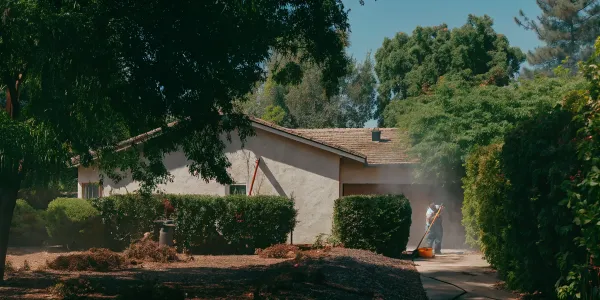
Many routine defensible space tasks are manageable for the average homeowner. If your project involves clearing leaves from your roof and gutters, raking pine needles, mowing dry grass, or trimming small shrubs near your home, you can likely handle it yourself. These are the essential, ongoing maintenance jobs that keep your immediate home ignition zone clear.
However, it’s time to call a professional when the work becomes more complex or hazardous. This includes removing large trees or limbs, operating a chainsaw on steep slopes, or clearing extensive, dense brush. Professionals have the right equipment, training, and insurance to handle these jobs safely. They also understand how to create effective defensible space that complies with state and local regulations, which is crucial for your home’s insurability.
Verify a Contractor's License and Insurance
Before you hire anyone to work on your property, it is absolutely critical to confirm they are a licensed and insured contractor. This isn’t just about paperwork—it’s about protecting yourself. If an uninsured worker gets injured on your property, you could be held liable for their medical bills. Proper insurance also covers any accidental damage to your home or a neighbor’s property.
You can easily verify a contractor’s license online through the California Contractors State License Board (CSLB). A valid license shows that the contractor has met state requirements for experience and knowledge. Ask for proof of both general liability insurance and workers' compensation. A reputable professional will have no problem providing these documents.
Key Questions to Ask Before You Hire
Once you’ve found a few licensed and insured contractors, a short interview can help you find the best fit for your project. Don’t hesitate to ask specific questions to gauge their expertise and ensure they understand your goals. A good contractor will be able to answer these questions clearly and confidently.
Here are a few key things to ask:
- What is your experience with defensible space projects in my area?
- Are you familiar with the specific fire codes for my city or county?
- Can you provide references from recent defensible space jobs?
- What is your strategy for clearing vegetation while preserving the trees and plants I want to keep?
- Will you haul away all the debris after the job is done?
- Can you provide a detailed, itemized bid for the project?
How Do You Maintain Your Defensible Space Year-Round?
Creating defensible space isn’t a one-and-done project you can check off your list. It’s an ongoing commitment to managing your property and the vegetation on it. Wildfire season is no longer just a few months in the summer; it’s a year-round reality in Northern California. The good news is that consistent, seasonal maintenance is far more manageable—and effective—than a massive, once-a-year cleanup. By making defensible space a regular part of your homeownership routine, you keep your family safer and your property more attractive to insurers who are looking for homeowners who actively manage their risk. This isn't about creating a barren landscape, but about thoughtfully maintaining a safer one.
Your Seasonal Maintenance Checklist
Think of your yard like any other part of your home that needs regular upkeep. Each season brings different tasks to keep your defensible space in top shape and ready for an inspection.
- Spring (March–May): This is your primary prep season. Clear away leaves, needles, and branches that accumulated over the winter. Trim grasses and weeds before they have a chance to dry out. This is also the perfect time to remove dead plants and ensure there is adequate spacing between trees and shrubs to slow a fire’s spread.
- Summer (June–August): Stay vigilant. Keep your lawn mowed and watered according to local guidelines. Regularly check for any new growth or dead vegetation in your immediate 30-foot zone.
- Fall (September–November): As leaves begin to fall, your most important job is keeping them cleared. Pay special attention to your roof, gutters, and the base of your walls, as these are prime spots for embers to land and ignite.
- Winter (December–February): With fire risk typically lower, winter is a great time for bigger projects. Schedule major tree trimming or removal now. After storms, walk your property to check for and clear any fallen branches or other debris.
Staying Ahead of Regrowth and Debris
Effective vegetation management is the key to maintaining your defensible space without having to clear-cut your entire property. The goal isn’t to create a barren landscape but to thoughtfully manage what grows there. In Northern California, grasses can grow back just weeks after being cut, and a single windy day can blanket your yard in flammable debris. By staying on top of it, you turn a daunting annual task into a simple, routine habit. Spend 30 minutes each weekend walking your property to pull weeds or clear new debris. This consistent effort prevents fuel from building up and makes the work far less overwhelming. It also keeps your property inspection-ready, which is critical for maintaining your insurance coverage.
Avoid These Common (and Costly) Mistakes
Even with the best intentions, homeowners can make mistakes that create a false sense of security. One of the most common is believing that defensible space is a one-time job. Vegetation grows back, and debris accumulates, so you have to stay on top of it. Another critical error is forgetting to look up. Embers are a primary cause of home ignition, and they love to land in gutters clogged with dry leaves. Also, be mindful of how you dispose of cleared vegetation—a large pile of dry branches left on your property can become a massive fuel source. Finally, don’t overlook the small things. Flammable doormats, wicker furniture, and firewood stacked against the house can easily ignite from embers. A personalized Wildfire Action Plan can help you build a year-round maintenance schedule that protects your home and your peace of mind.
Related Articles
- How to Create Defensible Space: A Simple Guide
- How to Do a Wildfire Home Assessment in NorCal
- How to Assess Your Home's Wildfire Vulnerability
- Wildfire Risk Insurance: A Complete Guide
Frequently Asked Questions
Does creating defensible space guarantee my home will survive a wildfire? There are no guarantees in a wildfire, but creating and maintaining defensible space dramatically improves your home’s odds. Think of it as giving your property a fighting chance. By clearing flammable materials, you reduce the likelihood of ignition from embers and lower the intensity of an approaching fire. This also creates a safer environment for firefighters to defend your home if they are in the area. It’s one of the most effective risk-reduction strategies you can control.
I only have a small yard. Do I still need 100 feet of defensible space? The 100-foot requirement extends to your property line. If your property is smaller than that, you are only responsible for clearing the area you own. Your focus should be on making the space you do have as fire-resistant as possible, especially the critical zone within the first 30 feet of your home. Meticulously managing this area can make a huge difference, regardless of your lot size.
Will my insurance premium go down immediately after I create defensible space? Not automatically. You need to be proactive and inform your insurance carrier about the work you’ve done. Take before-and-after photos to document your efforts. Then, call your agent, explain the specific mitigation steps you’ve completed, and ask them to re-evaluate your property. California law requires insurers to offer discounts for wildfire mitigation, so make sure you ask specifically what you now qualify for.
What's the single most important thing I can do if I'm just starting out? If you feel overwhelmed, start with the area immediately surrounding your home—the first five feet. This is often called the "ember-resistant zone" because wind-blown embers are a primary cause of homes catching fire. Remove all flammable mulch, dead leaves, and dry plants right up against the foundation. Move firewood piles and combustible patio furniture away from the house. This single action creates a critical buffer that can stop an ember from igniting your home.
My neighbor's property is a fire hazard. What can I do? This is a tough and common situation. The best first step is often a friendly conversation, as your neighbor may not be aware of the risk or the legal requirements. If that doesn’t work or isn't an option, you can contact your local fire department or code enforcement agency. Since defensible space is a state and local requirement, they can inspect the property and require the owner to comply. Approaching it as a community safety issue can help keep the conversation productive.