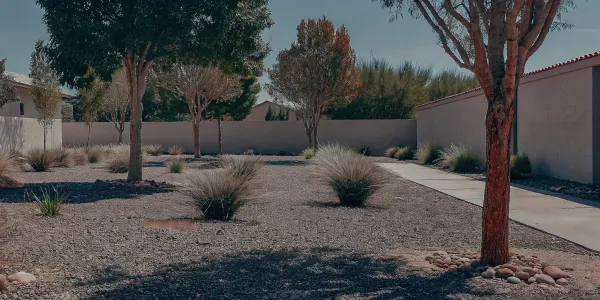
Defensible Space Creation: A Homeowner's Guide
Defensible space creation protects your home from wildfire and helps keep insurance. Learn practical steps to reduce risk and meet California requirements.

During a wildfire, it’s often not the main wall of flames that destroys a home, but the storm of tiny, wind-blown embers that can travel a mile or more. These embers land in gutters, under decks, and in flammable mulch right next to your foundation, igniting your house from the outside in. This is why your first five feet of defense are the most important. Creating a non-combustible zone immediately around your home is the cornerstone of an effective protection strategy. This guide will show you how to harden your home against this ember attack, focusing on the practical steps of defensible space creation that make the biggest impact.
Pay Less for Home Insurance
and Avoid Non-Renewal?
Our partner, Five Bays Insurance Agency, offers a free policy checkup that spots hidden discounts to make sure you’re not paying more than you should.
Key Takeaways
- Defensible space is your key to insurability: In a challenging insurance market, proactively managing the 100 feet around your property is a critical requirement that insurers verify. Your compliance directly impacts your ability to get and keep coverage.
- Start with the first five feet: The most effective action you can take is creating a non-combustible zone immediately against your foundation. Clearing this area of flammable mulch and debris is your home's best defense against wind-blown embers, the primary cause of home ignition.
- Make it a year-round habit, not a seasonal panic: Wildfire preparedness is an ongoing process. By breaking down tasks into a simple maintenance schedule, you can stay ahead of the risk and make the work feel manageable instead of overwhelming.
What is Defensible Space (and Why Does It Matter)?
Think of defensible space as a buffer zone you create between your home and an approaching wildfire. This managed area of land is designed to slow the spread of fire, reduce flame length, and lessen the intense heat a wildfire generates. For firefighters, this buffer provides a safer area to work in and a better chance to protect your home. For you, it’s one of the most effective actions you can take to increase your home’s odds of survival.
In an era of rising wildfire risk and a tightening insurance market, creating and maintaining defensible space is no longer just a good idea—it’s essential. It’s a critical factor that insurance companies evaluate when deciding whether to offer or renew a policy. By taking control of the landscape around your property, you directly influence your home’s vulnerability and insurability.
How It Works: The Science of Wildfire Protection
The core principle behind defensible space is fuel reduction. A wildfire needs fuel to burn, and in a wildland setting, that fuel is vegetation—trees, shrubs, grass, and even dead leaves. By systematically reducing these fuels in zones around your home, you disrupt the fire’s path and decrease its intensity. The process starts with a non-combustible area immediately surrounding your home’s foundation and extends outward. This strategy is designed to prevent flames from making direct contact with your house and to reduce the radiant heat that can ignite siding or cause windows to break, even without direct flame.
Protect Your Home and Keep Your Insurance
A home with proper defensible space is a much lower risk for an insurance carrier. When insurers assess a property, they look for proactive steps taken to mitigate wildfire damage. A clean, well-maintained buffer zone shows that you are actively managing your risk. In California, state law requires homeowners in certain areas to maintain 100 feet of defensible space. Insurers are now using everything from on-site inspections to aerial imagery to verify compliance. Failing to meet these defensible space requirements can lead to a non-renewal notice, leaving you scrambling for coverage in a difficult market. Taking action protects not only your physical home but also your financial security.
Common Defensible Space Myths, Busted
Many homeowners hesitate to create defensible space because of a few persistent myths. The most common is that you must clear-cut your property, creating a barren, unattractive landscape. This is false. The goal is not deforestation but smart management. It involves selective pruning, choosing fire-resistant plants, and maintaining healthy spacing. Another myth is that all trees near the house must be removed. In reality, the focus is on removing "ladder fuels"—smaller shrubs and low-hanging branches that can carry a ground fire up into the tree canopy. A well-managed property can be both beautiful and fire-safe.
The Three Zones of Defensible Space, Explained
Creating defensible space is a systematic approach to reducing wildfire risk around your property. Think of it as three concentric circles of protection, each with a specific job. This framework, defined by agencies like CAL FIRE, breaks a large task into manageable steps, helping you focus your efforts where they matter most. By working from your house outward, you can systematically remove flammable materials and create a buffer that can slow or even stop an approaching wildfire. This isn't just about protecting your property; it's a critical step toward maintaining your home insurance in high-risk areas.
Zone 0: Your Home's First Line of Defense (0-5 feet)
This is the Ember-Resistant Zone, the most critical area for protecting your home. The goal here is to eliminate anything that could ignite from wind-blown embers, which are a primary cause of homes catching fire during a wildfire. Your focus should be on creating a non-combustible perimeter right up against your foundation.
- Use hardscaping: Replace wood mulch with non-flammable materials like gravel, pavers, or concrete.
- Clear all debris: Regularly remove dead leaves, pine needles, and dry grass from your roof, gutters, and the ground next to your home.
- Manage attachments: Keep decks and patios clear of flammable items like planters, furniture, and brooms. Move firewood piles to Zone 2.
- Trim trees: Cut back any branches that hang over your roof or come within 10 feet of your chimney.
Zone 1: Creating a Buffer Zone (5-30 feet)
Welcome to the "Lean, Clean, and Green Zone." The primary goal here is to create a buffer that slows a fire's spread and reduces its intensity. By carefully spacing out vegetation, you can prevent a ground fire from climbing into trees and spreading from canopy to canopy. This is where you can strategically use fire-resistant plants and maintain a well-irrigated, healthy landscape.
- Remove dead vegetation: Clear out all dead plants, dry grass, and weeds from this area.
- Create space: Ensure trees and shrubs are planted far enough apart to interrupt the fire's path.
- Prune trees: Remove lower branches from trees to create a gap between the ground and the tree canopy, preventing "ladder fuels."
Zone 2: Reducing Wildfire Fuel (30-100+ feet)
This is the Reduced Fuel Zone, where your main objective is to lower the overall fuel load and keep flames small. While this area can have more natural vegetation than Zone 1, proper maintenance is still essential and often required by law. The goal is to slow an approaching wildfire and reduce its flame height, giving firefighters a better chance to defend your home.
- Mow the grass: Cut annual grasses down to a maximum height of four inches.
- Maintain spacing: Create both horizontal and vertical space between shrubs and trees to break up fuel continuity.
- Clear around structures: Maintain at least 10 feet of clearance around outbuildings, sheds, and propane tanks.
- Manage woodpiles: Keep any exposed woodpiles at least 10 feet away from other plants.
How to Create Effective Defensible Space
Creating defensible space is one of the most effective actions you can take to protect your home from wildfire. It’s not about clear-cutting your property; it’s about smart, strategic management of the space around your house to reduce flammable materials and slow a fire’s spread. Think of it as creating a safety buffer that gives firefighters a chance to defend your home. This work is also critical for keeping your home insurable, as carriers increasingly look for proactive risk reduction from homeowners who live in high-risk areas.
The process involves a combination of landscaping, regular maintenance, and structural improvements. By focusing on the three defensible space zones, you can break down what feels like a massive project into manageable steps. The goal is to systematically remove the fuel that a wildfire needs to reach your home. From choosing the right plants to clearing your gutters and hardening your home against embers, each action you take contributes to a stronger, more resilient property. A consistent, year-round approach is key to maintaining this protective barrier, ensuring your efforts last and giving you peace of mind when fire season arrives.
Manage Vegetation and Choose Fire-Resistant Plants
Effective vegetation management is about being selective, not destructive. You don’t need to remove every tree and plant. Instead, focus on creating separation between them to prevent fire from climbing from low-lying grasses into trees—a phenomenon known as "ladder fuels." Prune tree branches so the lowest limbs are 6 to 10 feet from the ground.
When landscaping, opt for fire-resistant plants that are native to your area. These plants often have higher moisture content and are less likely to ignite. Avoid highly flammable plants like juniper, cypress, and acacia, especially close to your home. Proper spacing is just as important as plant choice. By creating clean, well-maintained landscape beds, you can enjoy a beautiful yard that also serves as a powerful line of defense.
Clear Debris and Stick to a Maintenance Schedule
Wildfires feed on dead, dry material. One of the simplest yet most crucial tasks is to consistently remove this fuel from your property. Make it a regular habit to clear dead leaves, pine needles, and dry grass from your roof, gutters, and the areas under your deck and porch. These spots are prime collection points for embers, which can easily ignite accumulated debris.
Your maintenance schedule should be a year-round commitment. While fire season demands extra vigilance, keeping your yard clean throughout the year prevents a last-minute scramble. A well-raked yard, free of dead vegetation, not only looks good but also eliminates easy fuel for an approaching fire. CAL FIRE provides detailed checklists that can help you stay on track with your maintenance tasks.
Harden Your Home Against Embers
During a wildfire, wind-blown embers can travel a mile or more ahead of the fire front, and they are responsible for igniting the majority of homes. Hardening your home means making it less vulnerable to these embers. Start in Zone 0 by replacing flammable wood mulch within five feet of your foundation with non-combustible options like gravel, pavers, or concrete.
Look for other vulnerabilities. If you have a wooden fence that attaches directly to your house, consider replacing the last five feet with a metal gate to stop fire from reaching your home. Ensure all attic and foundation vents are covered with 1/8-inch metal mesh to block embers from getting inside. These small, targeted improvements can make a huge difference in whether your home survives an ember storm.
Gather the Right Tools for the Job
Having the right equipment makes creating and maintaining defensible space much more manageable. Essential tools include a sturdy rake, a shovel, pruning shears, a leaf blower, and perhaps a chainsaw for larger tree limbs. These basics will help you handle most debris removal and vegetation management tasks.
To work smarter, not harder, use an assessment tool to guide your efforts. A digital tool can translate your property’s specific risks into a prioritized to-do list, showing you where to focus first for the greatest impact. Instead of guessing, you get a clear roadmap for protecting your home. Your Wildfire Action Plan provides this clarity, turning a daunting job into a series of achievable steps.
What California Law Requires for Defensible Space
Creating defensible space isn't just a smart move for protecting your property—in California, it's the law. These regulations are designed to slow or stop the spread of wildfire, giving your home a fighting chance and providing a safer area for firefighters to work. Understanding exactly what's required is the first step toward compliance and, more importantly, toward securing your home against a fire threat. The rules are straightforward and focus on managing the vegetation and materials around your house.
Understand State Regulations and Clearance Rules
California law is clear: homeowners in high fire-risk areas must maintain 100 feet of defensible space around their homes. This area acts as a buffer between your house and an approaching wildfire. CAL FIRE divides this space into three distinct zones, each with its own set of rules for clearing potential fuel.
- Zone 0 (0-5 feet): This is the ember-resistant zone immediately surrounding your home. The goal here is to have nothing combustible. Remove dead plants, leaves, and pine needles. Avoid bark mulch and choose non-combustible options like gravel or pavers.
- Zone 1 (5-30 feet): Think "lean, clean, and green." In this zone, you should remove all dead trees and shrubs, trim trees to keep branches at least 10 feet from other trees, and clear away flammable vegetation to create separation.
- Zone 2 (30-100 feet): The focus here is on reducing fuel. Thin out dense vegetation, remove lower tree branches up to 6 feet from the ground, and get rid of fallen leaves, needles, and twigs.
Check for Local Ordinances in Your Area
While the state sets the baseline, your local fire department or county might have tougher rules. It’s common for local ordinances to require more stringent clearing, especially in areas with a history of severe wildfires. For example, your city might mandate a 50-foot clearance in Zone 1 instead of the state’s 30-foot standard, or have specific rules about certain types of flammable plants. Don't assume state guidelines are the final word. The best way to be sure you’re in compliance is to contact your local fire protection district directly or check their website. They are the ultimate authority on the requirements for your specific property and can provide the clarity you need to get the job done right.
Know the Deadlines and Consequences for Non-Compliance
Defensible space regulations are actively enforced by local fire departments, often through annual inspections. Failing to comply can result in written warnings, citations, and fines. These penalties are not just about punishment; they are a tool to ensure community-wide safety. Your property’s readiness affects your neighbors, and theirs affects you. More importantly, a non-compliant property is a higher risk for insurers, which can impact your ability to get or keep your homeowner's insurance. Think of your defensible space as your home’s first line of defense. Adhering to the law protects your finances, your property, and gives firefighters the safe space they need to protect your home.
How to Assess and Improve Your Property
Creating defensible space is an ongoing process, not a one-time project. With the insurance market in crisis, taking a systematic approach is more critical than ever. It can feel overwhelming to know where to start, but breaking it down into manageable steps makes it achievable. By regularly assessing your property, you can identify new risks, prioritize your efforts based on impact, and create a maintenance schedule that fits into your life. This proactive approach not only makes your home significantly safer but also demonstrates to insurance companies that you are actively managing your wildfire risk—a critical factor in maintaining coverage. Think of it as a simple cycle: assess, act, and maintain. This process empowers you to take control in a situation that can feel uncontrollable, making meaningful improvements that protect your family, your home, and your financial future.
Start with a Self-Assessment Walk-Through
The best way to begin is by simply walking your property with a critical eye. Start at your house and move outward, looking at your home and yard through the lens of the three defensible space zones. You don’t need to be an expert to spot obvious hazards. Look for dead leaves and pine needles on your roof and in your gutters. Check for flammable items like woodpiles, patio furniture with combustible cushions, or propane tanks stored right next to the house. Remember, effective tree and vegetation management is crucial, but it doesn’t mean you have to clear-cut your entire property. The goal is to identify and remove the most immediate threats first.
Use Assessment Tools to Pinpoint Risks
A self-assessment is a great start, but a dedicated tool can help you see your property like a professional inspector would. An assessment tool translates your property's wildfire risk into a prioritized to-do list, helping you focus on the most impactful fixes. These tools guide you through a detailed evaluation, covering everything from your roofing material to the spacing of your trees. Using a structured assessment helps ensure you don’t miss critical vulnerabilities. The Wildfire Action Plan provides a personalized risk assessment to help you build a clear, actionable plan tailored specifically to your home’s unique needs and location.
Identify Problem Areas and Prioritize Fixes
Once your assessment is complete, you’ll have a list of action items. The key is to prioritize them effectively. Always start with Zone 0, the area immediately surrounding your home (0-5 feet). This is your most critical line of defense. Clearing this non-flammable zone of all combustible materials offers the biggest return on your safety investment. From there, move to Zone 1 and Zone 2. Focus on tasks that reduce the "fuel ladders" that can carry fire from the ground into the trees or up to your house. Prioritizing your fixes helps you make steady, meaningful progress without feeling overwhelmed.
Create Your Year-Round Maintenance Plan
Defensible space requires consistent upkeep. Vegetation grows back, leaves fall, and new risks can appear. Creating a simple, year-round maintenance plan is the best way to stay on top of it. Break down tasks by season: clear gutters and rake leaves in the fall, mow dry grasses in the spring, and trim back new growth in the summer. It’s also critical to check for any specific local ordinances, as your city or county may have stricter requirements than the state. For example, some communities require more clearance than the standard 30 feet in Zone 1. A maintenance schedule keeps your property consistently prepared and makes the work far more manageable.
Related Articles
Pay Less for Home Insurance
and Avoid Non-Renewal?
Our partner, Five Bays Insurance Agency, offers a free policy checkup that spots hidden discounts to make sure you’re not paying more than you should.
Frequently Asked Questions
Do I have to make my yard look like a barren wasteland to be fire-safe? Absolutely not. The goal is smart management, not clear-cutting. A fire-safe landscape can still be beautiful and full of life. It's about creating strategic spacing between plants, removing dead material, and choosing fire-resistant species. The focus is on interrupting a fire's path, not eliminating your entire garden.
Is creating defensible space a one-and-done project? Think of it more like regular home maintenance. Vegetation grows back and leaves fall, so you'll need a simple, year-round plan to keep things in order. A little bit of work each season, like clearing gutters in the fall and mowing dry grass in the spring, is much more manageable than trying to do everything at once right before fire season.
If I do all this work, will my insurance company guarantee my policy? While there's no absolute guarantee, creating and maintaining proper defensible space is the single most powerful action you can take to lower your risk profile. Insurers are looking for homeowners who are proactive about safety. A well-maintained property demonstrates that you are a lower risk, which significantly improves your chances of keeping your coverage or finding a new policy.
I'm overwhelmed. Where is the best place to start? Start right at your foundation and work your way out. The most critical area is the first five feet around your house, known as Zone 0. Focus on clearing this zone of anything combustible—swap wood mulch for gravel, move firewood piles, and rake away all leaves and pine needles. Securing this small area provides the biggest immediate impact on your home's safety.
Can I hire a professional to create defensible space for me? Yes, many homeowners choose to hire professionals for this work, especially for larger tasks like tree trimming or removal. Look for a licensed and insured landscaper or arborist who has experience with local fire codes and defensible space requirements. They can help you create a plan that is both effective and compliant with the law.