5 Common Wildfire Home Ignition Points to Fix Now
Learn the most common wildfire home ignition points and get practical steps to fix them, protect your property, and improve your chances of insurance approval.
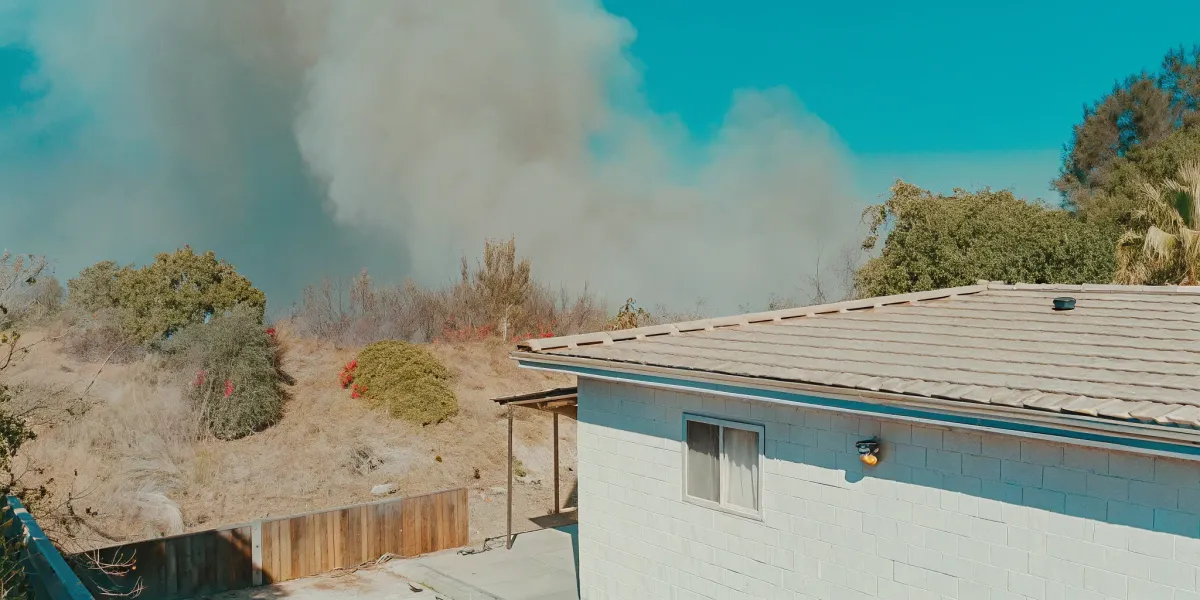
Here’s a fact that changes everything you know about wildfire safety: up to 90% of homes destroyed in wildfires are ignited by embers, not the main fire. These glowing firebrands can travel for miles on the wind, landing on and around your property long before you see any flames. This means your home's survival depends on its ability to resist this ember attack. It’s a battle of small details, not brute force. To win, you need to know your enemy’s targets. This article provides a detailed inspection of the common wildfire home ignition points, showing you how to turn your home’s weaknesses into strengths.
Pay Less for Home Insurance
and Avoid Non-Renewal?
Our partner, Five Bays Insurance Agency, offers a free policy checkup that spots hidden discounts to make sure you’re not paying more than you should.
Key Takeaways
- Embers are the real threat, not the main fire front: Most homes ignite from small, wind-blown embers that find weak spots. Your most effective strategy is to seal small gaps, screen vents, and clear flammable debris from around your home.
- Focus on high-impact upgrades to your home's weakest points: You can make the biggest difference by addressing the top three vulnerabilities: installing a Class A fire-rated roof, covering all vents with 1/8-inch metal mesh, and clearing a five-foot non-combustible zone around your foundation.
- A hardened home is an insurable home: The steps you take to protect your property are exactly what insurance inspectors look for. Documenting your upgrades is a powerful tool for demonstrating that your home is a lower risk and helps you maintain coverage.
How Do Homes Actually Catch Fire in a Wildfire?
When you picture a wildfire threatening a home, you probably imagine a massive wall of flames. While that’s a terrifying reality, it’s not how most homes are actually lost. The real culprits are often much smaller and sneakier, finding weak spots you might not even know exist. Understanding how fire behaves and what it targets is the first step in protecting your property. It’s less about fighting a giant blaze and more about preventing tiny sparks from becoming a disaster.
The 3 Ways Fire Can Ignite Your Home
Fire has three main ways of reaching your house. According to fire officials, your home is vulnerable to a few key threats that are important to prepare for:
- Direct Flames: This is the fire front itself making contact with your home, or flames from a nearby burning tree, shed, or even a neighbor's house.
- Radiant Heat: Think of the intense heat you feel standing near a large bonfire. Radiant heat from a wildfire can be so powerful it ignites your home's siding, deck, or roof without any flames ever touching it.
- Flying Embers: These are the most significant threat. Embers are small, burning pieces of debris that wind can carry for a mile or more, far ahead of the actual fire.
Why Embers Are the Real Threat, Not Direct Flames
Here’s the critical fact that changes everything: most homes are destroyed by flying embers, not the main wall of fire. These small, wind-driven firebrands are responsible for the majority of home ignitions during a wildfire. They can travel incredible distances and land on your roof, in your gutters, or on your deck. They can also be sucked into your home through unprotected vents, starting a fire from the inside out. Because embers are the primary danger, focusing on home hardening to eliminate places where they can land and ignite gives you the best chance of saving your property.
Pinpoint Your Home's Wildfire Weak Spots
To protect your home, you first need to understand how it’s likely to catch fire. It’s rarely a massive wall of flames that causes ignition. The real culprit is usually embers—small, glowing pieces of burning debris that wind can carry a mile or more ahead of the main fire. These embers land on or near your house, searching for any small vulnerability to settle in and start a new fire. By identifying these weak spots, you can take targeted, effective action. Think of this as a simple audit of your home’s exterior, focusing on the places where a tiny ember could cause the most damage.
Your Roof and Gutters: The #1 Ignition Zone
Your roof is the most vulnerable part of your home, acting as a large, flat surface that catches falling embers. If your roof is made of a flammable material like wood shingles, it’s at extreme risk. The best defense is to use fire-resistant roofing materials like composite, metal, clay, or tile. Just as important is what collects on your roof. A buildup of dry leaves, pine needles, and other debris in your gutters or on the roof itself is basically kindling waiting for a spark. Regularly cleaning your roof and gutters is one of the most critical and affordable maintenance tasks you can do to lower your home’s ignition risk.
Vents: The Hidden Highways for Embers
Vents are necessary for airflow in your attic and foundation, but they also serve as open invitations for embers. A single ember that gets into an attic can quickly ignite insulation, stored belongings, and the wooden structure of your home from the inside out. To prevent this, all vents should be covered with metal mesh screens with openings no larger than 1/8 inch. It’s crucial to use metal, as plastic or fiberglass screens can melt under intense heat. You can also install specialized ember-resistant vents designed to block embers while maintaining proper airflow, effectively shutting down one of your home’s most dangerous entry points.
Decks and Fences: Bridges for Fire
A wooden deck or fence attached to your house can act as a fuel bridge, carrying fire directly to your exterior walls. Embers often get trapped in the small gaps between deck boards or accumulate in the flammable debris that collects underneath. If possible, build or replace your deck with fire-resistant composite materials. At a minimum, keep the area under your deck completely clear of leaves, weeds, and stored items. If a wooden fence connects directly to your house, consider replacing the last five feet with a metal gate to create a simple firebreak that can stop flames from reaching your home.
Windows and Foundations: Overlooked Entry Points
Windows are another critical weak spot. The intense radiant heat from a nearby wildfire can shatter single-pane windows, allowing embers and flames to enter your home. Upgrading to double-pane windows, with at least one pane made of tempered glass, offers far greater protection against both heat and breakage. You should also inspect the base of your house where the foundation meets the siding. Embers often pile up in this area, and any small gaps can allow them to smolder and ignite your walls from the bottom up. Sealing these openings is a simple fix that closes off an overlooked vulnerability.
Siding: How Your Walls Can Fuel a Fire
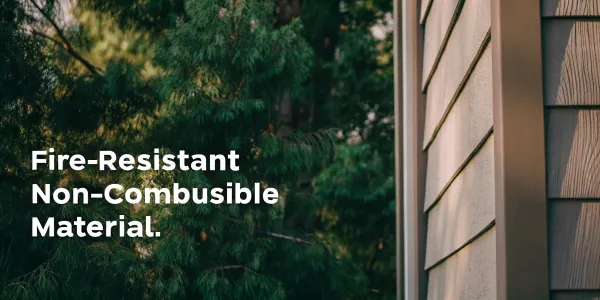
Your home’s siding is its first line of defense, and its material determines how well it can resist ignition. Flammable siding, like wood or vinyl, can easily catch fire from embers or radiant heat, allowing flames to climb the walls and reach the roof. The most effective options are noncombustible materials like stucco, fiber cement, and brick. As recommended in the CAL FIRE home hardening guide, your siding should be continuous from the foundation to the roofline, leaving no gaps for embers to get trapped. Ensuring your walls are properly sealed and made of ignition-resistant materials is a key part of protecting your entire home.
Understand How Embers Attack Your Home
Most people picture a massive wall of flames when they think of a wildfire threatening a home. But the reality is often quieter and more insidious. The primary threat to most homes comes from embers—small, glowing pieces of burning wood and vegetation that can travel far ahead of the fire itself. Understanding how these embers behave is the first step in protecting your property. They are the sparks that can ignite a devastating fire, and your home might have more weak spots than you realize.
How Wind Carries Embers for Miles
It’s a common misconception that you’re only in danger if you can see the flames. During a wildfire, strong winds can carry embers for miles, sometimes as far as five miles from the main fire front. This means a home far from the active blaze is still very much at risk. These airborne embers act like tiny fire starters, searching for a place to land and ignite new spot fires. This is why entire neighborhoods can be lost even when the primary wildfire seems distant. Your home doesn't have to be next to the forest to be vulnerable.
Where Embers Land and Pile Up
Embers are carried by the wind until they hit an obstacle, often piling up in the same way snow or leaves drift into corners. They accumulate in gutters clogged with pine needles, on flammable welcome mats, under decks, and against siding where dry landscaping provides fuel. These small piles of embers can smolder for hours before igniting, creating a fire long after the initial ember storm has passed. The main threat often comes from these small, glowing embers, not the large, dramatic flames you see on the news.
Why a Tiny Gap Is a Huge Risk
An ember doesn't need much room to find its way inside your home. A gap as small as 1/8 of an inch—the width of two stacked pennies—is large enough for a wind-driven ember to enter. Unprotected vents for your attic, foundation, or dryer are common entry points. Embers can also slip through gaps under doors, around windows, or between boards on your deck. Once inside a crawl space or attic, an ember can ignite dust, insulation, or stored belongings, starting a fire from within. Identifying and sealing these tiny gaps is one of the most critical parts of creating a strong Wildfire Action Plan.
A Closer Look at Your Roof: The Top Target
Your roof is the most vulnerable part of your home in a wildfire. Period. Think of it as a giant landing pad for the thousands of burning embers that can travel a mile or more ahead of the actual fire. It’s the first place embers land and the first place they’ll look for fuel, making it the top ignition point for homes during a wildfire event. Because of this, your roof is one of the first things an insurance inspector will evaluate when assessing your home’s wildfire risk. An old, flammable roof can be an immediate reason for non-renewal, leaving you scrambling for coverage.
The good news is that addressing your roof is one of the most effective home-hardening actions you can take. It’s your home’s first and most important line of defense. Protecting it involves more than just the shingles; it includes your gutters, the edges where the roof meets the walls, and any gaps where a tiny ember could slip inside and ignite your attic. By focusing on this critical area, you not only make your home significantly safer but also take a massive step toward keeping it insurable. Let’s break down the three key areas you need to inspect and secure.
Is Your Roofing Material a Fire Risk?
The single most important factor for your roof’s defense is the material it’s made from. If you have wood or shake shingles, your home is at extreme risk. These materials are highly flammable and act as ready fuel for embers. To protect your home, you need to use fire-resistant materials. The best options are composite, asphalt, metal, clay, or tile.
Your goal should be a Class A fire-rated roof, which offers the highest level of protection against severe fire exposure. This is the standard that fire officials and insurance companies want to see. Upgrading your roof is a significant investment, but it’s also the most impactful step you can take to harden your home against wildfire.
Why Clogged Gutters Are a Recipe for Disaster
You can have the most fire-resistant roof in the world, but if your gutters are filled with dry leaves, pine needles, and twigs, you’ve created a perfect fuse. Embers get trapped in this debris and can easily ignite, creating a fire that burns right along the edge of your roofline. This can quickly spread to the underlying structure of your roof or the siding on your walls.
Regularly cleaning your gutters is a critical and simple maintenance task. To make it easier, consider installing noncombustible gutter covers or screens to keep debris from building up in the first place. You can also install a metal drip edge where the shingles meet the gutter to provide an extra layer of protection against ignition.
Secure the Weak Spots Where Your Roof and Walls Meet
Embers are tiny and relentless—they will find any small gap to enter your home. The area where your roof overhangs your walls, known as the eaves, is a common weak spot. Many homes have open eaves, which create a pocket where embers and heat can get trapped, igniting the rafters and entering the attic.
You can close off your eaves with fire-resistant materials to create a barrier. If you have a tile roof, it’s also important to plug any gaps at the roof edge with a bird stop or other noncombustible material. This prevents embers from blowing underneath the tiles and reaching the flammable materials below. Sealing these small entry points is a crucial detail in creating a truly hardened home.
Why Vents Are an Open Invitation for Embers
Vents are essential for circulating air and preventing moisture buildup in your home, but during a wildfire, they become critical vulnerabilities. Think of them as open doors for wind-blown embers, which can travel a mile or more ahead of the actual fire. These tiny, glowing embers can easily pass through standard vent screens and ignite flammable materials inside your attic, foundation, or walls.
Securing your vents is one of the most effective and affordable home hardening projects you can undertake. It directly addresses the primary way most homes ignite during a wildfire—not from direct contact with flames, but from a storm of embers. By blocking these entry points, you significantly cut off a wildfire’s easiest path into your house.
The Danger of Unprotected Attic and Foundation Vents
Your attic and foundation vents are some of the most dangerous entry points for embers. Attics are often filled with dry, flammable materials like insulation, wood framing, and stored belongings. Foundation and crawl space vents provide a direct path to the wooden substructure of your home. If embers get inside these spaces, they can smolder for hours before erupting into a full-blown fire, often long after the main wildfire front has passed. The solution is to cover all vent openings with 1/8-inch metal mesh. This simple barrier is small enough to stop embers but large enough to maintain proper airflow.
How Embers Enter Through Your HVAC System
It’s easy to overlook the vents connected to your home’s systems, but they are just as vulnerable. Dryer vents, kitchen and bathroom exhaust fans, and HVAC system openings can all act as conduits for embers. Standard screens on these vents are often made of plastic or fiberglass, which can melt or burn away when exposed to heat, leaving a wide-open path for embers to enter your home’s interior walls and systems. As recommended by CAL FIRE’s home hardening guide, you should replace these with metal mesh screens with openings no larger than 1/8-inch. This ensures that every potential entry point is sealed against ember attacks.
Secure Your Crawl Space and Other Openings
A thorough inspection of your home’s exterior will likely reveal other small openings you hadn’t considered. Pay close attention to your crawl space vents and any gaps under porches or decks. These low-to-the-ground openings are prime spots for embers to collect and ignite debris like dry leaves, which can then spread fire to your home’s foundation. Sealing these gaps and screening any vents is a critical step. When you identify ember entry points, you can systematically close off these weaknesses. Taking the time to walk around your property and look for these vulnerabilities is a crucial part of creating a defensible and insurable home.
Could Your Deck Be a Bridge for Fire?
Your deck is a wonderful place to relax, but in a wildfire, it can become one of your home’s biggest vulnerabilities. It’s a large, horizontal surface that’s perfectly positioned to catch falling embers. During a wildfire, it’s not the giant wall of flames you see on the news that typically destroys a home. Instead, the threat comes from a blizzard of tiny, wind-driven embers that can travel a mile or more ahead of the fire. In fact, research shows that up to 90% of homes that ignite during a wildfire do so because of embers.
Once embers land on or under your deck, they can ignite flammable materials and create a fire that burns right up against your house. A wooden deck can act as a massive fuel source, essentially serving as a bridge that allows flames to reach and ignite your home’s siding. Understanding the specific weak points of your deck and attached structures is the first step toward preventing this from happening. By addressing these key areas, you can dramatically reduce the chance that your deck will lead to disaster.
The Hidden Fuel Hiding Under Your Deck
The space beneath your deck is a magnet for flammable debris. Over time, dry leaves, pine needles, twigs, and grass can accumulate, creating a perfect bed of kindling for embers. Many homeowners also use this space for storage, piling up firewood, old furniture, or cardboard boxes—all of which are highly combustible. When embers are blown under the deck, this hidden fuel pile can easily ignite, starting a fire that burns undetected right next to your home’s foundation. The solution is simple but critical: regularly clear anything flammable from under and around your deck. Make it a part of your routine yard maintenance to keep this area completely free of fuel.
Is Your Deck Built with Flammable Materials?
The material your deck is made from plays a huge role in its vulnerability. A traditional, untreated wood deck is essentially a large platform of fuel attached to your home. While no material is completely fireproof, some are far more resistant to ignition than others. If you’re building a new deck or replacing an old one, it’s crucial to build with materials that resist fire, such as composites, or specially treated, fire-retardant wood. These materials are designed to withstand high heat and resist ignition from embers, buying valuable time and preventing the deck from becoming a major fuel source. If you have an existing wood deck, consistent maintenance and clearing surrounding vegetation are even more critical.
How Attached Structures Spread Flames to Your House
Think beyond your deck and look at other attached structures, especially fences. A wooden fence connected to your house can act like a long fuse, carrying fire from your property line directly to your wall. Embers can land on a fence hundreds of feet away, and if it ignites, the flames can travel along its length until they reach your home. According to the National Fire Protection Association, you can stop this fire path by creating a non-combustible break. Where your fence meets your house, use materials that won’t burn for the last five feet. Installing a metal gate or a section of stone or metal fencing can effectively halt the fire’s advance and protect your home’s siding from ignition.
Choose the Right Materials to Protect Your Home
The materials your home is built from are your first line of defense against embers. While you may not be able to rebuild your house from scratch, making strategic upgrades to its most vulnerable components can dramatically lower its risk of ignition. Focusing on fire-resistant materials for your roof, vents, windows, and siding is one of the most effective home hardening strategies you can adopt. These choices are not just about protection; they are critical for demonstrating to insurers that you are actively reducing your property's wildfire risk.
Upgrade to Fire-Resistant Roofing and Siding
Your roof is the most exposed and vulnerable part of your home during a wildfire. Embers can travel for miles and land directly on it. If your roof is made of flammable material like wood shingles, it’s a serious liability. The best defense is to install a Class A fire-rated roof, which offers the highest level of protection. Materials like composite shingles, metal, clay, or tile are excellent choices. Similarly, your home's siding can either resist embers or become fuel. Replace flammable wood siding with non-combustible options like fiber cement, stucco, or brick to create a much more resilient exterior.
Install Ember-Proof Vents and Screens
Vents are necessary for your home’s airflow, but they are also open invitations for wind-blown embers. Attic, foundation, and soffit vents can act as direct highways for embers to enter and ignite your home from the inside. To secure these openings, you need to cover them with the right kind of screen. CAL FIRE recommends installing metal mesh screens with openings no larger than 1/8 inch. It's crucial to use metal, as plastic or fiberglass screens can melt from the heat, rendering them useless. This is a relatively simple and affordable fix that closes off one of the most common entry points for embers.
Select Fire-Rated Windows and Doors
The intense heat from a nearby wildfire can cause single-pane windows to break, allowing embers and flames to enter your home. Upgrading to multi-pane windows, especially those with at least one pane of tempered glass, provides a much stronger barrier. Tempered glass is more resistant to shattering under high heat. The window frames are just as important; vinyl or metal frames hold up better than wood. Don't forget your doors. A solid-core wood door or a metal door offers significantly more protection than a hollow one. Sealing gaps around both windows and doors with weather stripping also helps keep embers out.
Take Action: Your Home Hardening Checklist
Feeling overwhelmed is normal, but you can take control by focusing on the most critical upgrades that protect your home from wildfire. Home hardening isn't about turning your house into a concrete bunker; it's about making smart, targeted improvements to its most vulnerable points. These are the fixes that address the primary threat: wind-blown embers.
Think of this as your starting point. These actions are manageable, cost-effective, and have a massive impact on your home's ability to withstand an ember storm. Many of these steps are exactly what insurance inspectors look for when assessing a property's risk. By tackling this checklist, you're not just protecting your home and family—you're also taking a crucial step toward maintaining your insurance coverage. A well-prepared home is a more insurable home. Start with these four high-impact tasks to create a stronger defense against wildfire.
Install Metal Screens on All Vents
Your home’s vents are open doors for embers. Attic, foundation, and soffit vents are designed to let air circulate, but during a wildfire, they can suck embers directly into the most vulnerable parts of your house. The solution is simple and effective. You need to cover all vent openings with 1/8-inch metal mesh. According to the National Fire Protection Association, this small mesh is fine enough to block embers while still allowing for proper airflow. This is one of the most critical and affordable upgrades you can make to secure your home’s perimeter.
Create a 5-Foot Ember-Free Zone
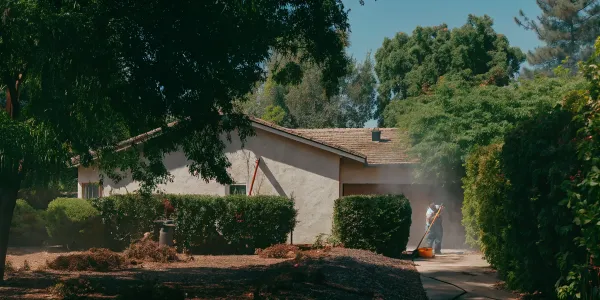
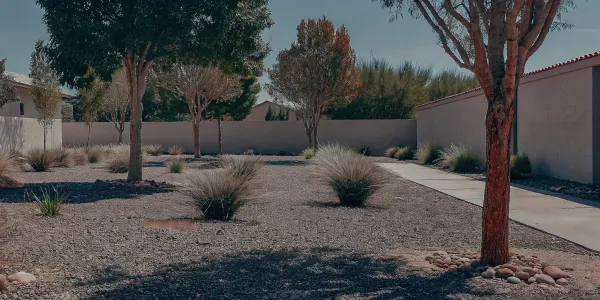
The area immediately surrounding your home is the most critical part of your defensible space. You need to create a five-foot, non-combustible zone around your entire foundation. This means removing anything that can catch fire from an ember. Clear away dry leaves, pine needles, bark mulch, and flammable plants. Move woodpiles and patio furniture away from the house. As fire safety experts recommend, you should replace flammable materials with non-flammable options like gravel, pavers, or concrete. This zone acts as a buffer, preventing embers that land near your home from igniting and spreading to your siding.
Make a Simple Maintenance Routine
Some of the most effective home hardening tasks don't require a contractor—they just require a consistent routine. Embers can easily ignite the dry debris that collects on your property over time. That's why it's essential to regularly clean leaves and pine needles off your roof and out of your gutters. A pile of dry leaves in a gutter is the perfect kindling for a stray ember. Make it a habit, especially before and during fire season, to sweep your roof and clear your gutters. This simple act of home maintenance removes ready-made fuel from one of your home's most vulnerable areas.
Seal Gaps in Your Foundation and Siding
Embers are tiny and can find their way into the smallest openings. Walk around your home and look for any cracks or gaps in the exterior, no matter how small. Pay close attention to where your siding meets the foundation and around window and door frames. Even a tiny gap, like 1/8-inch wide, is big enough for an ember to get in and start a fire from the inside. Use exterior-grade caulk to seal these openings. This detailed inspection is a key part of building a complete Wildfire Action Plan and ensuring every potential entry point for embers is closed.
How to Make Your Home More Insurable
In today’s challenging insurance market, taking proactive steps to reduce your home’s wildfire risk is more important than ever. Insurers are looking closely at which properties are prepared and which are not. Making smart, targeted upgrades not only protects your home but can also be the key to getting or keeping your insurance coverage. This process, known as home hardening, involves strengthening your home’s most vulnerable points against embers and flames.
Think of it as a risk assessment. An insurance company wants to see that you’ve taken clear, demonstrable steps to lower the chances of a major loss. By focusing on the weak spots that inspectors check first, you can show that your property is a lower risk. This doesn't have to mean a complete overhaul. Many of the most effective actions are straightforward maintenance tasks and affordable upgrades that make a significant difference in how an insurer views your home. You can start by creating a personalized plan to identify your home's unique risks and prioritize the most impactful actions.
What an Insurance Inspector Looks For
When an insurance inspector visits your property, they are trained to spot wildfire vulnerabilities. Their primary focus is on two things: pathways for embers to get inside and fuel that could carry a fire to your house. They will carefully examine potential ember entry points, such as unscreened vents, single-pane windows, and gaps under eaves. These small openings can allow a storm of wind-blown embers to enter your attic or crawl space, igniting your home from within.
Inspectors also evaluate the defensible space around your home, especially the first five feet. They look for flammable materials like dry leaves piled against the foundation, woodpiles stacked next to the house, or overgrown shrubs under windows. Their goal is to assess whether a small ground fire could easily climb up your walls and ignite the structure.
The Upgrades That Can Help You Keep Your Coverage
To improve your home’s insurability, focus on upgrades that directly address an inspector’s concerns. Start by hardening your home with fire-resistant materials. Upgrading to Class A roofing and non-combustible siding like stucco or fiber cement makes a huge impact. Inside the house, installing double-pane windows with tempered glass and adding fine metal mesh screens over all vents can prevent ember intrusion.
Regular maintenance is just as critical. Keeping your gutters clean is a simple but vital task, as a buildup of dry leaves is the perfect fuel for embers to ignite. By making these improvements, you’re not just protecting your property—you’re building a strong case for insurers that your home is a responsible risk to cover. Documenting these upgrades with photos and receipts can also be helpful when speaking with your insurance agent.
Related Articles
- Wildfire Risk Insurance: A Complete Guide
- Protect Your Home: Top 10 Wildfire Prevention Measures
- What Is a Wildfire? Causes, Risks & How to Prepare
Pay Less for Home Insurance
and Avoid Non-Renewal?
Our partner, Five Bays Insurance Agency, offers a free policy checkup that spots hidden discounts to make sure you’re not paying more than you should.
Frequently Asked Questions
I’m overwhelmed. What is the single most important area to focus on first? If you’re going to start with just one thing, focus on the area immediately surrounding your home. Create a five-foot, non-combustible zone around your entire foundation. This means clearing away all flammable materials like bark mulch, dry leaves, and dead plants. This simple buffer zone prevents embers from igniting fuel right next to your siding, which is one of the most common ways a house catches fire. It’s a high-impact, low-cost action that makes a huge difference.
This sounds expensive. What are the most affordable ways to harden my home? You don't need a massive budget to make your home safer. The most effective starting points are often maintenance tasks. Regularly cleaning flammable debris like pine needles and leaves from your roof and gutters is critical and costs nothing but your time. Creating that five-foot ember-free zone is another free task. After that, installing 1/8-inch metal mesh screens over your vents is a low-cost project that closes off one of the easiest entry points for embers.
Will making these upgrades guarantee that my insurance won't be canceled? While there are no absolute guarantees in the current insurance market, taking these steps significantly improves your position. Home hardening demonstrates to insurers that you are actively reducing your property's risk, making your home a much more favorable prospect to cover. Think of it as building a strong case for your insurability. Documenting your upgrades with photos and receipts can provide concrete proof of the actions you've taken to protect your property.
My deck and fence are made of wood. Do I have to replace them completely? Not necessarily. If a full replacement isn't feasible, you can still reduce your risk. The most critical step is to keep the area under and around your deck completely clear of leaves, weeds, and stored items. For your fence, you can create a firebreak by replacing the last five feet that connect to your house with a non-combustible material, like a metal gate. This simple change can stop a fire from traveling along the fence and reaching your home's siding.
Why are embers considered a bigger threat than the main wall of fire? The main fire front is what we see on the news, but it’s the ember storm that destroys most homes. Strong winds can carry these tiny, burning pieces of debris for a mile or more, far ahead of the actual blaze. They land on roofs, get trapped in gutters, and are sucked into unprotected vents. A single ember can smolder for hours before igniting a fire from the inside out, which is why a home can be lost even if the primary wildfire seems far away.