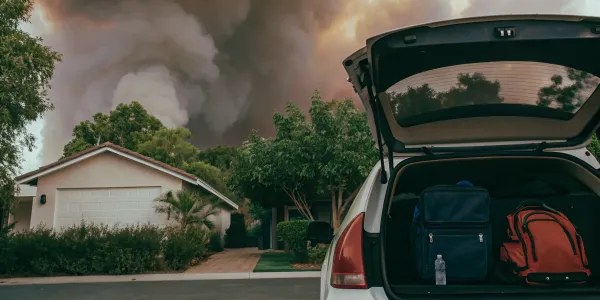
Step-by-Step Car Packing Tips for Wildfire Evacuation
Get practical car packing tips for wildfire evacuation. Learn what to pack, how to organize your vehicle, and keep your family safe during an emergency.
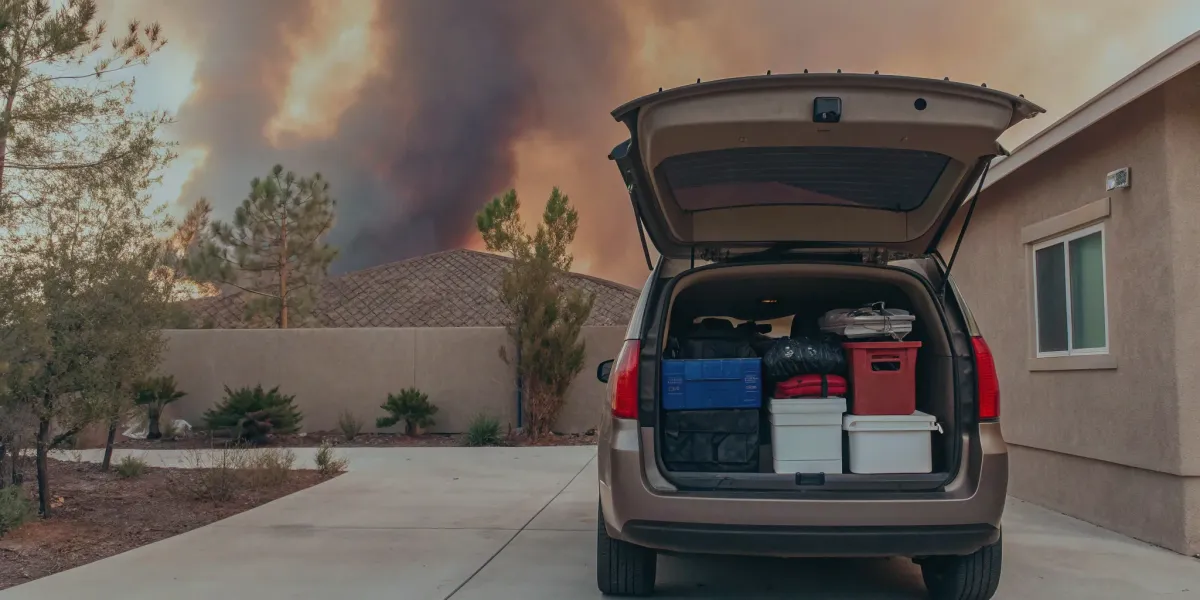
After a wildfire, the long road to recovery begins with the documents and resources you managed to save. Your car is the vessel that carries not just your family to safety, but also the critical paperwork needed to file insurance claims, prove your identity, and start rebuilding your life. A well-organized vehicle is an insurance policy in itself. Packing it correctly ensures your most vital documents—deeds, passports, and policies—are protected and with you. This isn't just about surviving the evacuation; it's about setting yourself up for a smoother recovery. Following these essential car packing tips for wildfire evacuation is a practical step toward securing your financial future in the face of uncertainty.
Pay Less for Home Insurance
and Avoid Non-Renewal?
Our partner, Five Bays Insurance Agency, offers a free policy checkup that spots hidden discounts to make sure you’re not paying more than you should.
Key Takeaways
- Stock Your Car for Survival: Your vehicle is more than an escape route—it's your support system. Pack it with several days' worth of essentials like water, non-perishable food, medications, and a fire-proof bag containing copies of vital documents.
- Make Your Vehicle Escape-Ready: Simple habits remove panic from the equation. Always keep your gas tank at least half full, park facing the street for a fast departure, and regularly clear flammable debris like pine needles from the exterior.
- Maintain Your Kit to Ensure It Works: An outdated kit is a useless one. Set a recurring calendar reminder to inspect your supplies every six months—rotate food and water, refresh medications, and test all batteries to ensure everything is functional when you need it most.
What to Pack in Your Car for a Wildfire Evacuation
When an evacuation order is issued, you won’t have time to think. The minutes you have are for getting your family and pets into the car and leaving. A pre-packed vehicle is your lifeline, containing everything you need to survive and recover in the days ahead. Thinking about what to pack now, when things are calm, is one of the most important actions you can take to protect your family.
Your car becomes your command center during an evacuation. It’s not just about getting from point A to point B; it’s about having the resources on hand to handle roadblocks, poor air quality, and the uncertainty of not knowing when you can return home. This is why your preparation should go beyond a simple grab-and-go bag. While a Go-Bag is essential for a sudden departure on foot, your car kit should contain more substantial supplies to support your family for several days.
Building your car kit is a critical component of a complete emergency strategy. A personalized Wildfire Action Plan helps you organize this process, ensuring you don’t overlook crucial details. By methodically packing your vehicle with the items below, you can face an evacuation order with confidence, knowing you are prepared for what lies ahead.
Essential Emergency Supplies
Your first priority is safety on the road and wherever you find shelter. Keep a dedicated bag in your car with emergency supplies ready at all times. This should include a complete first-aid kit to handle minor injuries like cuts or burns. A small, ABC-rated fire extinguisher is also critical in case you need to put out a small spot fire near your vehicle. To protect your lungs from thick smoke, pack N95, KN95, or P100 respirator masks for everyone in the family. Also include a battery-powered or hand-crank radio, a flashlight with extra batteries, a multi-tool, and a whistle to signal for help.
Important Documents and Valuables
After a wildfire, proving your identity and ownership of your property is the first step toward recovery. Gather your family’s vital documents in a waterproof, fire-resistant bag. This includes passports, driver’s licenses, birth certificates, social security cards, insurance policies, and property deeds. It’s also wise to scan these documents and save digital copies on a password-protected USB drive and a secure cloud service. While most things are replaceable, some aren’t. Pack small, irreplaceable valuables like family photos, jewelry, or external hard drives with precious data. Having a comprehensive emergency supply kit checklist can help ensure you don’t forget anything.
Personal Items and Medications
You may be away from home for several days, so pack for your family’s health and comfort. The most important items are prescription medications. Make sure you have at least a one-week supply for every family member, along with a list of dosages. Include any necessary medical equipment, like glucose monitors or hearing aids with extra batteries. Pack extra eyeglasses or contact lenses and solution. Each person should have a change of clothes and a pair of sturdy, closed-toe shoes. Finally, add basic toiletries and hygiene items. For children, a favorite book, game, or stuffed animal can provide a much-needed sense of comfort during a stressful time.
Food and Water
During an evacuation, you may not have access to stores or clean drinking water. The standard recommendation is to pack at least one gallon of water per person, per day, for a minimum of three days. For food, choose non-perishable items that are easy to prepare and require no refrigeration, such as protein bars, nuts, dried fruit, and canned meats or vegetables. Don’t forget to pack a manual can opener. If you have infants, include formula and baby food. Remember to also pack at least a three-day supply of food and water for your pets. Keeping these supplies in a designated box or cooler in your trunk makes them easy to access.
How to Organize Your Car for a Quick Evacuation
When an evacuation order is issued, you won’t have time to think about where you packed the flashlight or how to Tetris your emergency bins into the trunk. A disorganized car can cost you critical minutes. The key is to prepare your vehicle well before a wildfire threat, turning it into a reliable escape tool. This means more than just having a full tank of gas; it’s about strategically organizing your supplies so you can leave your home safely and without hesitation. A well-packed car reduces stress and ensures you have what you need when you need it most.
Strategic Packing Locations
How and where you park your car matters. During peak fire season, always park your vehicle in the driveway facing the street. Keep the doors and windows closed, but leave it unlocked with the keys ready to go. This simple habit eliminates the need to back up or maneuver your car in a panic, saving precious seconds. If you have a garage, keep the garage door opener in the car, but also know how to operate it manually in case of a power outage. Pre-loading heavier items, like crates of water or pet carriers, in the trunk or cargo area ensures they are secure and out of the way, leaving cabin space for your essential go-bags.
Preparing Your Go-Bags
Your emergency go-bags are the heart of your evacuation kit, and they should be packed long before you smell smoke. Don’t wait until the last minute. A proper emergency supply kit should be easy to carry and contain everything you need for at least 72 hours, including medications, copies of important documents, chargers, and personal hygiene items. Pack one for each member of your family, including pets. Once packed, place them in a designated spot in your home that is easy to access on your way out to the car. The goal is to grab them and go without a second thought.
Keeping Essentials Accessible
The most effective go-bag is the one you have with you. During times of high fire danger, the best place for your go-bag is inside your car. This ensures that your most critical supplies are ready to go at a moment's notice, whether you are at home or not when an evacuation is ordered. Designate a specific, accessible spot in your vehicle for these bags—perhaps on the floor of the back seat or in the passenger seat. This prevents you from having to search for them under stress and makes certain they don't get left behind. Having a clear, organized system is a core part of a successful wildfire action plan.
How to Drive Safely Through a Wildfire Area
Driving through a wildfire area is one of the most dangerous situations you can face during an evacuation. Smoke can reduce visibility to zero in an instant, and fire can move faster than a car. Your goal is to get out safely and efficiently. Knowing what to wear, how to prepare your vehicle, and what to do if you get trapped can make all the difference. These steps are critical components of a complete evacuation strategy, which you can build with a personalized Wildfire Action Plan. Having a plan in place before an emergency removes the guesswork when stress is high and every second counts. It ensures that you've thought through the details when you're calm and clear-headed, so you can act decisively when it matters most. This isn't just about having a checklist; it's about building the muscle memory for safety. From your clothing choices to your car's condition, every detail contributes to a safer evacuation. The following tips will guide you through preparing for the drive, but remember that they are most effective when integrated into a broader, well-rehearsed plan for your entire household. Thinking about these scenarios ahead of time helps you react logically instead of panicking. It allows you to focus on the immediate task of driving to safety, confident that you've already made the best possible preparations for yourself and your family.
Personal Protective Gear
When an evacuation order is issued, you may not have much time to think about what you’re wearing. That’s why it’s best to have your evacuation outfit ready to go. The goal is to protect your skin from radiant heat and flying embers. Wear protective clothing like long pants and a long-sleeved shirt made from a natural fiber like cotton, which is less likely to melt than synthetics. Sturdy, closed-toe shoes, preferably leather boots, are also essential to protect your feet. Keep a pair of leather gloves and goggles in your car’s emergency kit to shield your hands and eyes from smoke and debris.
Vehicle Safety on the Road
Your car is your escape route, so keeping it in good working order is a key part of your preparedness plan. Don’t wait until a fire is approaching to discover a problem. Make sure your car is regularly maintained, paying close attention to the brakes, battery, and tires. Always try to keep your gas tank at least half full, as gas stations may be closed or overwhelmed during an emergency. Before you leave, do a quick walk-around and wipe off any leaves or pine needles from the car’s exterior. This debris can easily ignite and poses an unnecessary risk while you’re driving through an ember-filled environment.
Emergency Driving Techniques
If you find yourself driving through heavy smoke or flames, turn on your headlights to make yourself more visible to other drivers and emergency responders. Keep your windows and vents closed to keep smoke out of the cabin. If you get trapped by fire, do not leave your vehicle. Pull over to a clearing away from vegetation, shut off the engine, and get on the floor of the car. The car’s metal frame offers more protection from heat than being exposed outside. Cover yourself with a wool blanket if you have one and call 911 to report your location. Stay calm and stay down until the fire front passes.
Get Your Vehicle Evacuation-Ready
When an evacuation order comes, your car is your lifeline. It’s not just about having a packed “go-bag”; it’s about having a reliable vehicle that’s ready to handle the stress of an emergency. The last thing you want is to be stuck on the side of the road with a mechanical issue or an empty gas tank while a wildfire approaches. Getting your vehicle prepared is a critical, proactive step in your overall wildfire action plan. This isn't just about convenience; it's about safety. A well-maintained car can navigate smoky roads, handle stop-and-go traffic for hours, and get your family out of harm's way without adding more stress to an already tense situation.
Thinking about your car’s readiness ahead of time removes a major source of panic. These aren’t complicated or expensive tasks. Most are simple checks and habits you can adopt during fire season to ensure your primary escape tool is in top condition. Consider it part of your home hardening routine—just for your vehicle. By taking these small steps now, you’re giving yourself and your family the best possible chance for a safe and smooth evacuation when every second counts. This section will walk you through the essential checks to make sure your car is as ready as you are.
Pre-Evacuation Maintenance Checklist
You don’t want to discover a flat tire or a dead battery when you need to leave immediately. Treat your car’s maintenance as a core part of your preparedness. Make sure your vehicle is in good working order by regularly checking the basics. Pay close attention to your tires, ensuring they are properly inflated and have enough tread. Test your brakes to make sure they are responsive—you may be in stop-and-go traffic on hilly terrain. Check your battery, especially if it’s more than a few years old, and top off your windshield washer fluid for visibility in smoky conditions.
Fuel and Fluid Checks
During a widespread evacuation, traffic will be heavy, and routes may be longer than expected. Gas stations can quickly run out of fuel or lose power. That’s why an essential guide for wildfire safety from CAL FIRE has a simple rule: keep your car's gas tank at least half full at all times during fire season. This simple habit ensures you have enough fuel to get to a safe location without needing to stop. It’s also wise to periodically check other essential fluids, like your oil and coolant, to prevent your engine from overheating under stressful driving conditions.
Clearing Flammable Debris
Embers from a wildfire can travel a mile or more, landing on and igniting flammable materials. Your car is no exception. Throughout fire season, make it a habit to clear any accumulated leaves, pine needles, or twigs from your vehicle’s exterior, especially around the windshield wipers and engine compartment. This debris can easily catch fire from a stray ember. Keeping your car clear of this yard waste is a simple, two-minute task that removes a significant fire risk and helps ensure your vehicle is ready to go when you are.
Planning for Pets and Family with Special Needs
When an evacuation order comes, your focus should be on getting everyone out safely, not scrambling to find what you need. This is especially true when your family includes pets or members with medical conditions or mobility challenges. A little extra preparation ensures that no one’s needs are overlooked in a high-stress situation. Thinking through these specific requirements ahead of time and building them into your evacuation plan is one of the most important steps you can take.
Your plan should account for the unique needs of every member of your household. This means preparing specific kits, understanding medical requirements, and making sure your evacuation strategy is practical for everyone involved.
Pet Evacuation Kits and Carriers
Your pets are part of the family, and they need their own Go-Bags. Shelters may not have supplies, so you need to be self-sufficient. Start with a sturdy carrier for each pet, clearly labeled with your contact information. Having a carrier makes transport safer and less stressful for your animal. Make sure each pet wears a collar with up-to-date ID and license tags.
Your pet’s kit should contain at least a few days' worth of food and water, collapsible bowls, and any necessary medications. It’s also smart to pack a pet first-aid kit, waste bags, and a familiar blanket or toy for comfort. Keep copies of their vaccination records and a recent photo of you with your pet in a waterproof bag—this can be critical for proving ownership if you get separated. A comprehensive disaster preparedness guide for pets can help you cover all your bases.
Medical Equipment and Mobility Aids
For family members with disabilities or chronic medical conditions, a standard emergency kit is just the starting point. Your planning must include a reliable supply of essential medications, backup power for any medical devices, and copies of prescriptions. Pack extra batteries for hearing aids, a list of doctors, and a summary of medical conditions and treatments.
Think through the logistics of evacuation. If someone uses a wheelchair or walker, ensure your evacuation route is accessible and that your vehicle can accommodate the equipment. It’s also a good idea to have a conversation with your support network—neighbors or local family—who can assist if needed. The key is to have everything packed and ready so you can focus on a safe and calm departure when time is short.
Customizing Your Family's Plan
Every family’s evacuation plan will look a little different because every family is unique. The best plan is one that’s tailored to your specific circumstances. Once you’ve packed your essential Go-Bags, think about the irreplaceable items you’d want to save if you have a few extra minutes: family photos, important papers, or a child’s favorite comfort item. Store digital copies of important documents on a password-protected flash drive or secure cloud service.
Building a truly effective plan means thinking through these personal details ahead of time. A personalized Wildfire Action Plan can guide you through this process, ensuring you account for every family member’s needs, from pets to those requiring extra medical support. This turns a generic checklist into a functional strategy that works for you.
Keep Your Evacuation Car Kit Ready
An evacuation kit is only useful if it’s ready when you need it. Creating a "Go Bag" is a great first step, but maintaining it is what makes your plan effective. Think of it as a living part of your home safety system, just like your smoke detectors. A forgotten kit with expired food, dead batteries, or outdated documents won't do you much good when minutes count. The goal is to ensure that when an evacuation order comes, you can grab your supplies and go without a second thought, confident that everything inside is current and functional.
Keeping your kit and your vehicle in a constant state of readiness removes panic from the equation. It transforms a frantic scramble into a calm, orderly departure. This requires building a simple routine of checking, updating, and organizing your supplies throughout the year. By making kit maintenance a regular habit, you ensure your family has what it needs to evacuate safely and comfortably. A well-maintained kit is a cornerstone of a solid wildfire action plan, giving you control in a situation that can feel chaotic. It’s one of the most powerful, proactive steps you can take to protect your family and reduce the stress of an already difficult event.
Seasonal Updates
Wildfire season doesn't follow a strict calendar, and your preparedness shouldn't either. A great way to stay on top of your kit is to update it with the changing seasons. In the fall, add warm blankets, extra layers of clothing, and hand warmers. As summer approaches, swap those out for extra water, cooling towels, and sunscreen. This seasonal check-in is also the perfect time to rotate your food and water supplies, ensuring everything is well within its expiration date. Check any medications to make sure you have a fresh supply. Your car is part of this system, so make sure it’s always in good working order with regular checks on the battery, tires, and fluids.
Regular Inspection Schedule
Set a recurring date on your calendar to inspect your evacuation kit—every six months is a good rhythm. During your inspection, check the expiration dates on all food, water, and first-aid items. Test the batteries in your flashlights and portable radios, and have a spare set ready. Make sure your important documents are current; this includes reviewing your insurance policies to confirm your coverage is adequate for wildfire damage. This routine ensures that you’re not caught off guard by a dead battery or expired medication during an actual emergency. A complete emergency supply kit is your lifeline, so keeping it functional is critical.
Storage and Organization Tips
How you store your kit is just as important as what’s in it. Your "Go Bag" should be easy to grab and carry. Use backpacks for essential documents, medications, and personal items so you can keep your hands free. For heavier supplies like food, water, and blankets, a sturdy duffel bag or a small, wheeled container can make transport much easier. Store your kit in a cool, dry place that’s on your way out of the house, like a hall closet near the garage door. Avoid burying it in the back of a cluttered space. The key is immediate access, allowing you to get your supplies into the car and leave quickly.
Start Your Wildfire Evacuation Plan Today
When an evacuation order comes, there’s no time to think—only to act. The smoke, the sirens, and the urgency can be overwhelming. Waiting until that moment to decide what to pack is a recipe for panic and chaos. The single most important thing you can do to protect your family is to prepare your evacuation plan before a wildfire threatens your home. Taking control now means you can move with confidence and clarity when it matters most.
Create Your "Go Bag"
Your "Go Bag" is your emergency supply kit, packed and ready to grab at a moment's notice. It should be lightweight and stored somewhere you can get to quickly, like a front hall closet. This bag is your lifeline, containing everything you need to survive for several days. Essentials include water, non-perishable food, a first-aid kit, flashlights, a hand-crank radio, and any prescription medications. Don't forget copies of critical documents like IDs, insurance policies, and birth certificates, sealed in a waterproof bag. For a complete checklist of what to include, CAL FIRE offers an excellent emergency supply kit guide. If you have a few extra minutes before leaving, you can add irreplaceable items like family photos or laptops, but your Go Bag contains the absolute must-haves.
Get Your Vehicle Ready
Your car is your escape route, so it needs to be as prepared as you are. During fire season, make it a habit to keep your gas tank at least half full. You don’t want to be stuck in a long line at the gas station when you need to leave. Perform regular maintenance checks on your tires, brakes, and battery to ensure your car is in good working order. A breakdown during an evacuation is a dangerous situation you can easily avoid. It’s also smart to keep a smaller emergency kit in your car with extra water, snacks, phone chargers, and blankets. Once your Go Bag is packed, CAL FIRE recommends putting it directly in your car so you’re truly ready to go.
A clear, actionable plan removes the guesswork from a high-stress situation. It’s about more than just packing a bag; it’s about mapping multiple escape routes, designating a family meeting place, and ensuring everyone in your household knows the plan. Building this strategy doesn't have to be overwhelming. You can create a personalized, step-by-step guide that covers everything from home hardening to evacuation. Start your free wildfire plan now to build the roadmap that will keep your family safe.
Related Articles
- Wildfire Car Emergency Kit: The Ultimate Checklist
- The Ultimate Wildfire Emergency Kit Checklist
- NorCal Wildfire Go Bag Services: The Ultimate Guide
Pay Less for Home Insurance
and Avoid Non-Renewal?
Our partner, Five Bays Insurance Agency, offers a free policy checkup that spots hidden discounts to make sure you’re not paying more than you should.
Frequently Asked Questions
What’s the difference between a “Go-Bag” and a car kit? Think of your Go-Bag as your personal, portable lifeline. It’s a backpack you can grab in seconds, containing your absolute essentials for 72 hours—medications, documents, a change of clothes, and a flashlight. Your car kit is more substantial. It includes the heavier items that support your family for a longer period, like cases of water, non-perishable food, blankets, a full first-aid kit, and pet supplies. Your Go-Bag goes into the car with you, but the car kit lives in your vehicle, ready for the entire fire season.
Should I keep all my evacuation supplies in my car? During peak fire season, it's a smart strategy to keep your main Go-Bags and heavier supplies like water pre-loaded in your vehicle. This ensures you are ready to leave at a moment's notice, even if you aren't home when an evacuation order is issued. At a minimum, your car should always have a basic emergency kit with a first-aid kit, masks, and a fire extinguisher. Storing your supplies in the car removes the risk of forgetting them in a panic.
What's the single most important habit for keeping my car evacuation-ready? Beyond having your supplies packed, the most critical habit is to always keep your gas tank at least half full. During an evacuation, you may face heavy traffic, detours, and long periods of idling. Gas stations can lose power or run out of fuel quickly. Maintaining at least a half tank of gas ensures you have enough fuel to get to safety without the added stress of searching for an open station.
How should I adjust my plan for pets or family members with medical needs? A standard plan is a starting point, but you must customize it for your family's specific needs. For pets, this means having a labeled carrier, extra food, water, and copies of their medical records packed. For family members with medical conditions, your kit must include at least a week's supply of medications, backup batteries for any medical devices, and a written summary of their health information. Practice your evacuation to ensure your vehicle can accommodate any mobility aids, like a wheelchair, without issue.
What should I do if I get trapped by fire while driving? This is a dangerous situation, but your car offers significant protection. Do not get out. Pull over to a spot with as little vegetation as possible, shut off the engine, and close all windows and vents. Get on the floor of the car, below the window level, and cover yourself with a wool blanket if you have one. Call 911 to report your location and situation, then stay down and stay calm until the fire front passes over.