
Best Tools for Defensible Space: A Homeowner's Guide
Find the best tools for creating defensible space and learn how to protect your home from wildfire with practical tips, safety advice, and real-world examples.
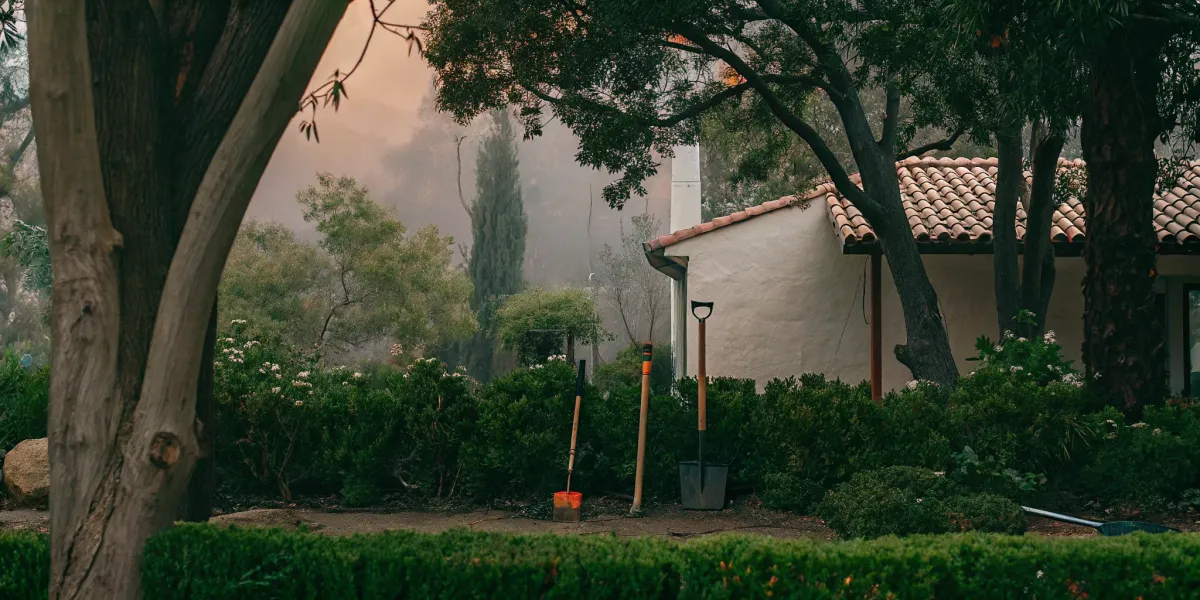
Protecting your home from wildfire doesn't mean you have to live in a barren, clear-cut lot. In fact, the most effective approach is much more nuanced. Think of it as strategic, fire-smart landscaping—a way to maintain the beauty of your property while making it incredibly resilient. The goal is to disrupt a fire’s path by creating clean, well-spaced vegetation, not to eliminate it entirely. This requires precision, not just brute force. Understanding the best tools for creating defensible space allows you to sculpt a landscape that is both safe and beautiful, giving you peace of mind without sacrificing the property you fell in love with.
Key Takeaways
- Start at Your Foundation and Work Out: Your home's immediate five-foot perimeter is the most critical area. Keep this "Ember-Resistant Zone" completely free of flammable materials, then move outward to thin and manage vegetation in the surrounding zones.
- Invest Smartly in Your Toolkit: Begin with essential hand tools like a good rake, shovel, and loppers that can handle the most vital tasks. Assess your property's specific needs—like dense brush or large trees—before buying more expensive power tools.
- Adopt a Seasonal Maintenance Rhythm: Effective defensible space is an ongoing effort, not a one-time fix. By tackling specific tasks each season, you keep the workload manageable and ensure your property is protected year-round.
What Is Defensible Space and Why Does It Matter?
If you live in a wildfire-prone area, you’ve probably heard the term “defensible space.” Think of it as a buffer you create between your home and the surrounding grass, trees, and wildland. This area is your home’s first line of defense, designed to slow or stop the spread of wildfire and protect it from catching fire—either from direct flame contact or from flying embers. Creating this space is one of the most important things you can do to improve your home’s chance of survival.
The core idea is to reduce or eliminate flammable materials near your house. This not only helps keep flames at a distance but also gives firefighters a safer area to work in if they need to defend your home. It’s a proactive step that puts you in control, turning your property from a potential wildfire casualty into a structure that can stand its ground. For homeowners worried about insurance, demonstrating that you’ve created and maintained defensible space is becoming essential for keeping your coverage.
The Three Zones of Defensible Space: A Breakdown
Defensible space isn’t just about clearing a big patch of land. It’s a strategic approach broken down into three distinct zones, each with its own set of rules. California law requires homeowners in certain areas to maintain a 100-foot defensible space, so understanding these zones is key.
- Zone 0 (0-5 feet): The Ember-Resistant Zone. This is the most critical area. The goal here is to have nothing combustible. Remove dead leaves, pine needles, and flammable mulch. Avoid planting anything right next to the house and consider using hardscaping like gravel or pavers instead. This zone is all about stopping embers from finding a place to ignite your home.
- Zone 1 (5-30 feet): The Lean, Clean, and Green Zone. In this area, you want to eliminate fuel ladders—things that can carry fire from the ground up into the trees. Keep grass cut short, remove dead vegetation, and make sure there’s plenty of space between trees and shrubs.
- Zone 2 (30-100 feet): The Reduced Fuel Zone. The focus here is on slowing the fire down. You don’t have to remove all vegetation, but you should thin it out. Remove smaller trees and shrubs between larger, well-spaced trees, and get rid of any dead trees, branches, and ground litter.
How Defensible Space Protects Your Home and Your Insurance
Creating defensible space is about more than just following regulations; it’s about tangible protection. Wildfires move incredibly fast, and having a 100-foot buffer can drastically increase your home’s odds of survival. When embers land in a well-maintained defensible space, they have nothing to ignite. When the main fire front arrives, it finds less fuel to burn, causing it to slow down, drop in intensity, and become less of a threat. In fact, some studies show that a huge percentage of homes lost to wildfires could have been saved with proper defensible space.
This work has a direct impact on your insurability. As insurance companies pull back from high-risk areas, they are looking for homeowners who are actively reducing their risk. A home with a well-maintained defensible space is a much better bet for an insurer. Documenting your efforts—taking photos and keeping records of your work—can be a powerful tool when speaking with your insurance agent. It shows you’re a responsible homeowner, which can help you keep your policy or find new coverage.
The Essential Hand Tools for Defensible Space
Creating a defensible space can feel like a massive project, but you don’t need a professional crew or a garage full of expensive equipment to make a real difference. The most important work begins with a few fundamental hand tools. Getting your hands dirty is one of the most empowering steps you can take to protect your home, giving you direct control over your property’s wildfire risk. These tools are the foundation of any good maintenance plan and are essential for tackling the critical zones closest to your house, where the work you do matters most. They are your first and best line of defense.
Shears and Loppers: For Trimming Back Growth
Think of shears and loppers as your precision instruments for fire safety. Hand shears are perfect for clipping small shrubs and dead twigs, while long-handled loppers give you the leverage to cut through branches up to two inches thick. Your main goal is to remove lower tree branches—at least six feet from the ground—to eliminate "ladder fuels" that can carry a ground fire up into the tree canopy. Regular trimming also keeps vegetation from touching your home’s siding, roof, or deck. This simple act creates a clean, clear perimeter that is much harder for embers to ignite, effectively robbing a potential fire of an easy entry point to your home.
Rakes and Leaf Blowers: For Clearing Flammable Debris
A simple leaf rake is one of your most powerful allies against wildfire. Your goal is to remove the layer of flammable debris—pine needles, dead leaves, and dry grass—that accumulates on the ground and can get trapped against your house. This is especially critical in the 0-5 foot zone around your home’s foundation, which should be kept clear of anything that can burn. A sturdy metal rake helps you scrape this fuel away right down to the bare soil. For larger areas or for clearing gutters and decks, a leaf blower can speed up the process, but a rake is the essential tool for finishing the job right and ensuring no flammable material is left behind.
Shovels and Mattocks: For Clearing to Bare Soil
Sometimes you need to do more than just trim and rake. A round-point shovel is invaluable for scraping away flammable ground cover and creating a clean, non-combustible area around structures like propane tanks, decks, or woodpiles. For tougher jobs, like removing stubborn, deep-rooted plants or digging a small firebreak, a mattock is the tool you need. Its dual-headed design, with a broad adze on one side and an ax on the other, makes it perfect for chopping through roots and clearing ground down to the mineral soil. This bare earth barrier can effectively stop a creeping ground fire in its tracks.
Power Tools That Make the Job Faster
While hand tools are perfect for detailed work, power tools are what make a big job manageable. If you have a larger property or dense vegetation, they save an incredible amount of time and physical effort, turning a weekend-long project into a few hours of work. Think of it as an investment—not just in equipment, but in your own time and your home's safety. Getting the right power tools means you can tackle bigger tasks more effectively, from clearing thick brush to removing hazardous trees that hand tools simply can't handle.
This isn't about having a perfectly manicured yard; it's about creating a robust, fire-resistant buffer around your home that can genuinely make a difference if a wildfire approaches. Efficiently maintaining your defensible space is one of the most powerful actions you can take to protect your family and property, and the right tools make that job achievable instead of overwhelming. They empower you to take control of your property's risk profile, which is not only crucial for your safety but also for staying insurable in a tough market. When an insurer sees a well-maintained property, they see a lower risk. Power tools are your allies in getting that essential work done right.
Chainsaws: For Large Branches and Tree Removal
Chainsaws are the heavy hitters of defensible space. They are essential for tackling large tree limbs and removing dead or hazardous trees that could fuel a wildfire. Think of them as your go-to tool for eliminating "ladder fuels"—vegetation that allows a ground fire to climb up into the tree canopy. While incredibly effective, chainsaws demand respect and proper training. Always wear the right protective gear and understand how to operate one safely before you start. Properly managing the vegetation around your home by removing these larger threats is one of the most impactful steps you can take to reduce your property's vulnerability.
String Trimmers and Brush Cutters: For Tackling Dense Growth
For the dense, stubborn growth that a lawnmower can't handle, you’ll want a string trimmer or a brush cutter. A string trimmer is perfect for whipping down tall grasses and weeds along fences, walls, and other structures. If you’re dealing with thicker, woodier brush or small saplings, a brush cutter with a metal blade is the more powerful choice. These tools are workhorses for clearing out the undergrowth in your defensible space zones, especially in areas with uneven terrain. Keeping this vegetation cut low helps create a buffer that can rob an approaching wildfire of its fuel and slow its spread.
Lawnmowers: For Keeping Grass Short and Safe
A well-maintained lawn is more than just nice to look at—it’s a critical part of your defensible space. A lawnmower is your primary tool for this job. Fire officials recommend keeping grass and annual weeds cut to a maximum height of four inches. This simple action prevents dry grass from becoming a fast-burning fuel that can carry flames directly to your home. Whether you use a push mower or a riding mower, regular maintenance is key. A short, green lawn creates a fire-resistant barrier, making it one of the easiest and most effective ways to prepare your home and protect it from embers.
How to Match Your Tools to Each Defensible Space Zone
Creating defensible space isn't a one-size-fits-all job. The area around your home is divided into three distinct zones, and each one has a different purpose in slowing or stopping the spread of wildfire. Think of it as creating layers of protection. The work you do closest to your home is the most critical, while the tasks further out are focused on reducing a fire's intensity before it gets too close.
Matching the right tools to the right zone makes the work more efficient and effective. You wouldn't use a chainsaw to clear leaves from your gutter, and you wouldn't use a hand rake to clear an acre of dense brush. Understanding what each zone requires helps you prioritize your efforts and your tool budget. By focusing on the specific goals for each area—from eliminating ignition sources at your foundation to thinning fuel loads at your property line—you can build a powerful defense against embers and flames.
Tools for Zone 0 (The Immediate Zone: 0-5 Feet)
This is the ember-resistance zone, and it’s the most important five feet of land you own. The goal here is to eliminate anything that can ignite from wind-blown embers. Your primary tools will be for removal and cleaning. Use a sturdy metal rake, shovel, and wheelbarrow to clear away wood mulch, dead leaves, and dry grass right up against your foundation. Replace flammable materials with non-combustible options like gravel or pavers. A leaf blower is perfect for clearing debris from decks, patios, and walkways. You’ll also need a reliable ladder to access and clean your roof and gutters, removing the pine needles and leaves that accumulate there. This zone needs to be an absolute no-burn area.
Tools for Zone 1 (The Intermediate Zone: 5-30 Feet)
In this zone, your focus shifts to creating space to interrupt a fire's path. The goal is to make the landscape "lean, clean, and green." You’ll need loppers and a pruning saw to remove low-hanging tree branches and create vertical clearance between the ground and the lowest limbs. A string trimmer is essential for cutting down weeds and grass around trees and fences. For larger grassy areas, a lawnmower will keep things short and tidy. According to CAL FIRE guidelines, you should also use your pruning tools to ensure trees are spaced properly, preventing fire from jumping from crown to crown. A good leaf rake is crucial for regularly clearing fallen leaves and pine needles.
Tools for Zone 2 (The Extended Zone: 30-100 Feet)
The goal in the extended zone is to reduce the energy and speed of an approaching wildfire by thinning out the vegetation. This is where larger tools often come into play. For properties with significant acreage, a heavy-duty brush cutter or a tow-behind mower can make quick work of cutting down annual grasses and weeds to a height of four inches. A chainsaw is the right tool for removing entire trees to create proper spacing or for getting rid of dead ones that could become fuel. While you can leave a thin layer of pine needles or leaves on the ground, use a rake to remove any thick patches. This zone doesn't need to be perfectly manicured, but it does need to be managed to keep fuel loads low.
How to Choose the Right Tools for Your Property
Choosing the right tools for defensible space isn't about buying the biggest or most expensive equipment. It’s about matching your tools to your specific property and your budget. A small, flat yard with a few shrubs has very different needs than a sloped acre covered in oak trees and dense chaparral. The key is to work smart, not just hard. By understanding your landscape and prioritizing your efforts, you can build an effective toolkit that protects your home without breaking the bank. This process puts you in control, allowing you to tackle the most critical tasks first and build on your progress over time.
Assess Your Terrain and Vegetation
Start by walking your property. What kind of vegetation do you have? Are there tall grasses, thick shrubs, or large trees with low-hanging branches? Is your terrain flat, or does it have steep slopes? The answers will guide your tool selection. A property with mostly grass and small bushes might only require a lawnmower, a string trimmer, and a good rake. But if you have dense brush or trees, you’ll need more powerful tools like loppers, a brush cutter, or even a chainsaw. The goal isn't to clear-cut your land; it's to practice smart vegetation management by removing dead material and creating strategic spacing between plants to slow a fire's spread.
Consider Your Budget and Prioritize Your Tools
You don’t need to buy every tool at once. Start with the essentials that address your biggest risks. Your highest priority is always Zone 0, the area within five feet of your home. A sturdy rake, shovel, and hand shears can handle most of the work here, like removing flammable mulch and clearing dead leaves from under your deck. From there, expand your toolkit based on what your property needs most. If you have many overgrown shrubs in Zone 1, a pair of heavy-duty loppers is a better investment than a chainsaw you might only use once a year. For those big, one-off jobs, consider renting specialized equipment. Prioritizing your actions helps you make the biggest impact with the resources you have right now.
How to Stay Safe While Creating Defensible Space
Clearing brush and trimming trees is hard work, and the last thing you want is an injury—or worse, to accidentally start the very fire you’re trying to prevent. Using powerful tools comes with responsibility, but staying safe is straightforward if you follow a few key principles. It’s about having the right gear, knowing how your tools work, and being mindful of the conditions around you. Think of safety as the foundation of your entire defensible space strategy. Taking these precautions ensures your hard work protects your home without putting you or your property at risk.
Your Essential Personal Protective Equipment (PPE)
Before you even start a chainsaw or pick up a pair of loppers, you need to gear up. Personal Protective Equipment (PPE) isn't optional; it's your first line of defense against flying debris, sharp edges, and nasty falls. At a minimum, you should always wear heavy-duty gloves to protect your hands from cuts and blisters, safety goggles to shield your eyes from wood chips and dust, and sturdy, closed-toe footwear (preferably boots) to provide good traction and protect your feet. If you’re operating a chainsaw, you should also consider wearing chaps and a helmet with a face shield for added protection. It might feel like a hassle, but the right gear can prevent a serious injury.
Proper Techniques for Safe Tool Operation
Every power tool is different, and the most important safety feature is you. Take the time to read the manufacturer's instructions before you use any new equipment. Understanding how to properly start, operate, and maintain your tools is critical. Always be aware of your surroundings, especially when using chainsaws or brush cutters, and ensure you have stable footing before you begin. A key part of safe tool operation is knowing the tool's limits and not forcing it to do a job it wasn’t designed for. This prevents kickback and other accidents, ensuring your defensible space work gets done efficiently and without incident.
Preventing Sparks: Fire Safety During Maintenance
Creating defensible space is pointless if your maintenance work sparks a wildfire. Metal blades hitting rocks can create sparks, and hot engines can ignite dry grass. To avoid this, follow CAL FIRE’s guidance: do all mowing and trimming before 10 a.m. when humidity is higher, and never work on hot or windy days. For clearing dry vegetation, a string trimmer is often a safer choice than a lawnmower with a metal blade. Also, make sure your power tools have a spark arrester, which is a small screen that stops sparks from exiting the exhaust. This simple device is required in many areas and is a crucial part of preventing equipment-caused fires.
How to Get the Most Out of Your Tools
Owning the right tools is the first step, but knowing how to use them effectively is what truly creates a fire-resilient property. It’s not just about clearing brush; it’s about being strategic with every cut, trim, and removal. The goal is to disrupt a wildfire’s path by methodically removing the fuel it needs to spread. Think of your property not as a single entity, but as a landscape that can either welcome fire or stop it in its tracks. By mastering a few key techniques, you can turn your hard work into a powerful defense for your home, making it a much less attractive target for embers and flames. This proactive approach not only protects your property but also demonstrates to insurance companies that you are actively managing your risk, which is more important than ever. A well-maintained defensible space is one of the most powerful statements you can make about your home's insurability. It's tangible proof that you're taking the threat seriously and doing your part to reduce the collective risk in your community. Getting these details right can be the difference between a close call and a catastrophe.
Use Proper Cutting and Pruning Techniques
Regularly clearing dead or dry vegetation is your first line of defense. State fire officials recommend removing dead plants and creating space between trees and shrubs to build a crucial buffer for your property. Pay close attention to "ladder fuels"—low-hanging branches and small shrubs that can carry flames from the ground up into the tree canopy. You’ll want to prune tree limbs at least six to ten feet from the ground to break this chain. This simple step can prevent a small ground fire from becoming an unstoppable crown fire that engulfs your home.
Remove and Dispose of Debris Strategically
Once you’ve cut it, you have to clear it. A pile of dry branches is just as dangerous as a dead tree. Make it a habit to remove all flammable debris from around and under your decks, balconies, and stairs. You also need to create a clear separation between your home and anything combustible, like patio furniture, firewood piles, and even bark mulch. Rake up fallen leaves, pine needles, and twigs, especially in the five-foot zone closest to your house. Always check your local regulations for the proper way to dispose of green waste, as some communities have specific collection days or chipping programs.
Create the Right Spacing Between Plants and Trees
How your plants are arranged matters just as much as what they are. Proper spacing is essential for slowing a wildfire’s spread. First, focus on vertical spacing. You want to ensure there are no "ladders" for fire to climb, so create a gap between the tops of your grass or shrubs and the lowest tree branches. Next, address horizontal spacing. The goal is to create breaks between trees and shrubs so that fire can’t easily jump from one to the next. The amount of space you need depends on the slope of your land and the height of your vegetation—the steeper the hill, the more space you’ll need to create between plants.
Common Defensible Space Mistakes to Avoid
Creating defensible space is one of the most powerful steps you can take to protect your home, but it’s easy to make mistakes that can undermine all your hard work. Knowing what not to do is just as important as knowing what to do. A few common missteps can leave your home vulnerable to embers, which are the primary way homes ignite during a wildfire.
The good news is that these mistakes are easy to fix. By avoiding these common pitfalls, you can ensure your efforts are effective and that you’re giving your home the best possible chance of survival. Let’s walk through some of the most frequent errors homeowners make so you can get it right the first time.
Overlooking Essential Tools and Equipment
You don’t need to buy out the local hardware store, but trying to create defensible space without the right tools is a recipe for frustration and an incomplete job. Using a small pair of garden shears to tackle thick branches or a household broom to clear a yard full of pine needles will leave you exhausted and your property unprotected. Effective tree and vegetation management is crucial, and having the proper equipment—like loppers, a sturdy rake, and a string trimmer—makes the work manageable. Investing in the right tools for your specific landscape ensures you can do the job safely and efficiently, turning a daunting task into a routine part of home maintenance.
Using Improper Vegetation Management Techniques
Creating defensible space isn’t about clear-cutting your property. In fact, removing too much vegetation can cause other problems like soil erosion. The goal is to interrupt the fire’s path. A common mistake is failing to properly space out plants and trees or leaving "ladder fuels"—low-hanging branches that can carry a ground fire up into the tree canopy. You should always clear dead or dry vegetation and create separation between shrubs and trees. This creates a crucial buffer for your home and reduces the fuel a fire has to work with. Regular maintenance is key; this isn’t a one-and-done project, but an ongoing commitment to keeping your property safe.
Placing Combustible Materials in Your Defensible Zones
This is one of the most critical and commonly overlooked mistakes. Even with perfect vegetation management, a stray ember can ignite flammable materials you’ve left near your home. Many people stack firewood right against the house for convenience, but this is like leaving a welcome mat for fire. The same goes for flammable patio furniture, jute doormats, wicker planters, and wooden fences attached to the house. Your first five feet—the Home Ignition Zone—should be an ember-free zone. This means using non-combustible materials like gravel or rock mulch and ensuring any fencing within five feet of your home is made of a noncombustible material.
How Often Should You Maintain Your Defensible Space?
Creating defensible space isn’t a one-and-done weekend project; it’s an ongoing commitment to your home’s safety. Think of it like tending a garden. Vegetation grows, seasons change, and dead leaves and pine needles accumulate. What looks clear and safe in April can become a serious fire hazard by July if left untouched. Regular maintenance is what keeps your property resilient against embers and flames, and it’s exactly what insurance companies want to see when they assess your home’s risk.
The key is to work smarter, not harder, by adopting a routine. The amount of work you’ll need to do depends on your property’s specific vegetation, your local climate, and the time of year. Instead of waiting for a massive, overwhelming cleanup job right before fire season kicks into high gear, breaking the work into manageable, seasonal tasks makes it far less daunting. This consistent effort ensures your home’s buffer zone is always ready. A well-maintained property is your best defense, and building these habits is a powerful step toward taking control. Your personalized Wildfire Action Plan can help you track these tasks and stay on schedule.
Create a Seasonal Maintenance Schedule
A year-round approach is the most effective way to manage your defensible space. In the spring, focus on a major cleanup after winter. This is the time to clear away fallen branches, dead leaves, and weeds before they dry out. Trim back shrubs and create proper spacing between trees to slow the potential spread of fire. During the summer, your job is to maintain that hard work. Keep your lawn mowed, remove dry grass and weeds regularly, and ensure flammable debris hasn’t collected in your immediate zone. In the fall, concentrate on clearing fallen leaves, especially from your roof and gutters. Finally, winter is a great time to tackle larger projects like significant tree pruning or removal while plants are dormant and fire risk is lower.
How to Properly Maintain and Store Your Tools
Your tools are only effective if they’re in good working order. After each use, take a few minutes to clean off dirt, sap, and debris. This prevents rust and keeps moving parts from getting stuck. Regularly sharpen the blades on your loppers, shears, and chainsaw to ensure clean cuts, which are healthier for your plants and safer for you. For power tools, always check fuel and oil levels before you start. Proper storage is just as important. Keep your tools in a dry, secure location like a shed or garage. Any flammable materials, like gasoline for your chainsaw or firewood stacks, should be stored in approved safety cans and kept at least 30 feet away from your house and any potential ignition sources.
Take Control of Your Wildfire Risk Today
Feeling overwhelmed by wildfire risk and insurance notices is understandable. But you have more power than you think. The single most effective step you can take to protect your home is creating and maintaining defensible space. This isn't just about following regulations; it's about giving your home a fighting chance and giving firefighters a safe area to work. As CAL FIRE states, the buffer you create between your home and the surrounding vegetation is your property's first line of defense.
Creating this space doesn’t mean you have to clear-cut your entire yard. It’s about smart, strategic landscaping. The goal is to reduce the amount of flammable material that could carry a fire directly to your structures. Start with the most critical area: the first 30 feet around your home. This is your “Lean, Clean, and Green Zone.” Here, you should remove all dead leaves, pine needles, and dry grass, especially from your roof and gutters. You’ll also want to move firewood piles and trim back any tree branches that hang over your roof.
Beyond that initial 30 feet, you can focus on thinning out vegetation to slow a fire’s spread. This involves removing smaller, weaker trees and ensuring there is adequate space between larger ones. By taking these deliberate actions, you actively lower your home’s vulnerability. Knowing exactly what to do can feel like a challenge, but breaking it down makes it manageable. A detailed plan can guide you through assessing your property’s unique risks and creating a checklist for action. Your efforts not only improve your home’s safety but also demonstrate proactive risk reduction—a key factor for insurance providers. You can start building your own personalized Wildfire Action Plan today to turn that feeling of uncertainty into a clear path forward.
Related Articles
- 5 Best Home Vulnerability Assessment Tools of 2025
- Wildfire Prevention: Your Guide to a Safer Home
- Wildfire Risk Insurance: A Complete Guide
- A Step-by-Step Home Wildfire Risk Assessment
- How to Assess Your Home's Wildfire Vulnerability
Frequently Asked Questions
Do I really have to clear everything within 100 feet of my house? Not at all. This is a common misconception that makes the task feel impossible. The goal isn’t to create a barren landscape, but to strategically manage the vegetation in zones. The most critical area is the first five feet around your home, which should be completely free of anything that can burn. From 5 to 30 feet, you’ll focus on thinning out plants to create space. And from 30 to 100 feet, the goal is simply to reduce the overall fuel load, not eliminate it.
I'm on a tight budget. What are the most essential tools to start with? You don’t need to buy everything at once. Start with the basics that will make the biggest impact in the most critical zones. A sturdy metal rake, a good pair of loppers for cutting branches up to a couple of inches thick, and some heavy-duty gloves are the absolute essentials. With just these three items, you can clear flammable debris from your foundation and begin trimming ladder fuels, which are two of the most important jobs you can do.
Will creating defensible space guarantee my insurance won't be dropped? While there are no guarantees in the current insurance market, creating and maintaining defensible space is the single most powerful action you can take to improve your home's risk profile. Insurers are looking for homeowners who are actively reducing their wildfire risk. A well-maintained property is much more attractive for coverage than one that is overgrown. Documenting your work with photos can be a powerful tool when speaking with your agent.
I have a lot of beautiful, mature trees near my house. Do I really need to cut them down? Probably not. The goal is to manage the vegetation, not destroy your landscape. For mature trees, the focus is on removing "ladder fuels." This means pruning the lower branches at least six to ten feet from the ground so a ground fire can't climb up into the canopy. You also want to make sure no branches are overhanging your roof. A healthy, well-pruned tree can be very fire-resistant.
How do I know if I'm doing it right? Are there official guidelines to follow? Yes, and following them is a great way to ensure your work is effective. Your local fire department is an excellent resource, and many offer property assessments. State-level agencies like CAL FIRE also provide detailed checklists and guidelines on their websites. These resources break down exactly what needs to be done in each zone, taking the guesswork out of the process and helping you create a truly defensible home.