5 Best Pre-Made Wildfire Go Bags, Tested & Ranked
Find the best pre-made wildfire go bags for fast, safe evacuation. See our top tested picks and learn what to look for in a reliable emergency kit.
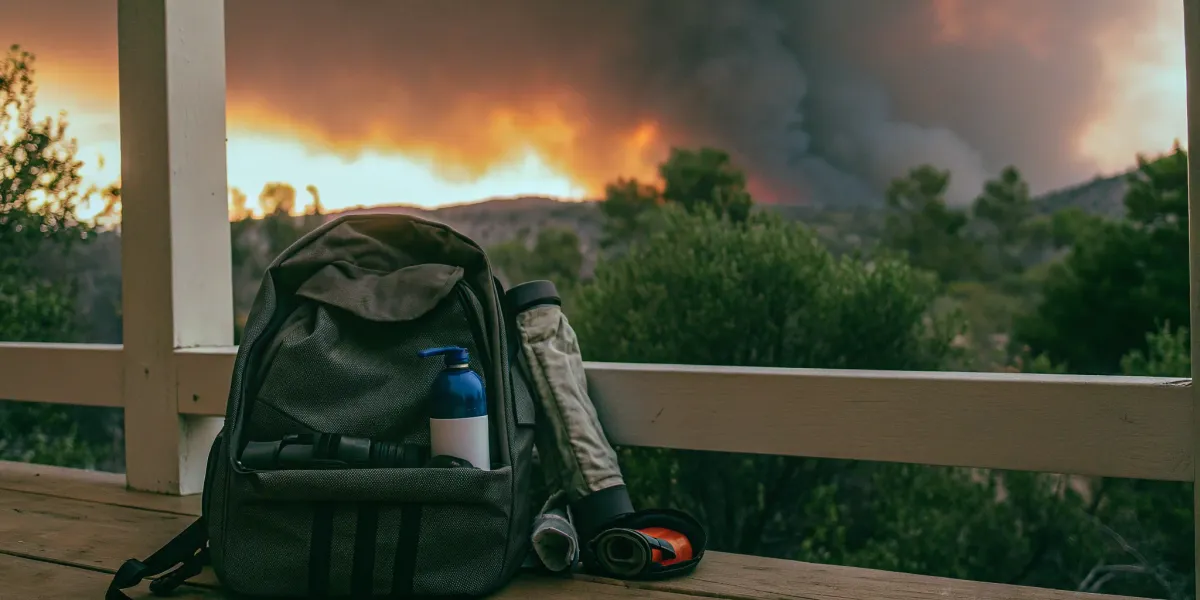
Let’s be honest: many pre-made emergency kits are junk. They are often stuffed with flimsy tools, barely-there first-aid supplies, and other low-quality gadgets designed to look impressive on a product list but fail in a real crisis. Relying on one of these can be worse than having no kit at all because it gives you a false sense of security. Your family’s safety is too important to leave to chance. This guide is designed to make you a smarter shopper. We’ll show you what to look for, what to avoid, and share our top recommendations for the best pre-made wildfire go bags that are actually built with durable, reliable gear you can count on.
Key Takeaways
- Start with a Quality Base, Then Make It Yours: A good pre-made kit is a smart starting point, but it's incomplete without your personal essentials. The most critical step is adding your family’s non-negotiable items like prescription medications, copies of documents, and supplies for children or pets.
- Focus on Wildfire-Specific Dangers: Most generic survival kits will not adequately protect you from a wildfire. You must add specific gear like N95 respirator masks for smoke, eye goggles for ash, and durable leather gloves to handle potential debris.
- A Go Bag Isn't a One-and-Done Project: Your needs change and supplies expire. Set a recurring calendar reminder to check your kit every six months, replacing food, water, and batteries to ensure it’s always reliable and ready when you need it most.
What Makes a Good Wildfire Go Bag?
When an evacuation order comes, you won’t have time to think. A wildfire go bag is your pre-packed kit designed for a quick exit, containing everything you and your family need to survive for several days. But not all emergency kits are created equal. A good go bag isn’t just a random collection of supplies; it’s a thoughtfully assembled system that balances preparedness with practicality. It should be durable enough to handle rough conditions, light enough to carry if you have to leave your car, and stocked with the essentials to keep you safe and comfortable during a stressful time. Before you buy a pre-made kit or start building your own, it’s important to understand the key features that separate a reliable go bag from one that might fail when you need it most.
The Essentials: What Every Go Bag Needs
At its core, a go bag should contain enough supplies to keep you self-sufficient for at least 72 hours. Think of it as your personal lifeline. According to CAL FIRE, every kit needs a foundation of non-perishable food and water—plan for one gallon of water per person, per day. Beyond that, include critical personal items like a first-aid kit, any necessary medications, extra glasses, and a change of clothes. You’ll also want practical tools like a flashlight, a battery-powered or hand-crank radio, and extra batteries. Finally, don’t forget copies of your important documents, cash, and extra sets of car and house keys. Having these items in one place allows you to follow evacuation orders immediately, which is the entire point of a wildfire emergency supply kit.
Think About Size and Portability
While it’s tempting to pack for every possible scenario, remember that you might have to carry your go bag on foot. The ideal kit is comprehensive but still lightweight and portable. A bag that’s too heavy or bulky can slow you down in an emergency. Aim for a total weight that you can comfortably carry for at least a mile. This is where the quality of the bag and its contents really matters. Many cheap, pre-made kits are filled with heavy, low-quality items. A well-designed bag uses lightweight, multi-purpose gear for your go bag to cover your needs without weighing you down, ensuring you can move quickly and safely to your destination.
Why Durability and Weather Resistance Matter
Your go bag will be exposed to harsh conditions, so it needs to be tough. A cheap backpack with weak zippers or flimsy seams can easily break under stress, spilling your vital supplies. Look for a bag made from durable, tear-resistant material with heavy-duty zippers. Weather resistance is just as important. Whether you’re facing wind, rain, or flying embers, your gear needs to stay protected and dry. Some of the best premade bug out bags come in waterproof cases or are made from water-resistant fabrics. Investing in a durable, weather-resistant bag ensures your supplies are intact and ready to use, giving you reliable support when everything else is uncertain.
5 Pre-Made Wildfire Go Bags We Recommend
Sifting through the endless options for pre-made emergency kits can be exhausting. To cut through the noise, we’ve reviewed dozens of go bags to find the ones that stand up to the unique demands of a wildfire evacuation. No single kit is a perfect, one-size-fits-all solution. Think of these as a solid foundation—a starting point you can and should build upon by adding your own personal documents, medications, and other essentials.
We looked for kits with high-quality, reliable components that won’t fail when you need them most. We also prioritized portability and durability, because your go bag needs to be easy to grab and tough enough to handle chaotic conditions. Whether you’re a single person looking for a comprehensive system or a family needing a budget-friendly start, these are the pre-made kits that we believe offer the best value and function for homeowners in high-risk areas.
1. Wildfire Action Plan Emergency Kit
While many generic kits are designed for earthquakes or hurricanes, a wildfire evacuation presents unique challenges. You need protection from smoke and embers, which is why a specialized kit is so important. The ideal wildfire go bag is built by experts who understand these specific threats. It should contain critical items often missing from standard kits, like N95 respirator masks to protect your lungs from hazardous smoke, durable leather gloves for handling hot or sharp debris, and a wool blanket for warmth and potential shielding from radiant heat. A truly effective kit is part of a larger strategy, which is why we recommend building your preparedness with a custom wildfire action plan to ensure all your bases are covered.
2. Uncharted Seventy2 Survival System
If you’re looking for a top-of-the-line kit for one person, this is it. The Seventy2 Survival System is a serious piece of gear, packed into a rugged, 100% waterproof backpack that can also serve as a flotation device. Inside, you’ll find high-quality tools organized in a way that’s intuitive and easy to access under stress. It includes essentials like a water filter, emergency food bars, a comprehensive first-aid kit, and a hand-crank radio that also functions as a flashlight and phone charger. It’s an investment, but its durable construction and reliable components make it one of the best premade bug out bags available, giving you real peace of mind when it matters most.
3. Ready America Emergency Kit
Feeling prepared doesn’t have to break the bank. The Ready America Emergency Kit is an excellent, budget-friendly option that covers the absolute essentials for two people for three days. It’s a fantastic starting point if you’re just beginning to build your emergency supplies. The kit includes US Coast Guard-approved food and water rations with a five-year shelf life, emergency blankets, light sticks, and a basic first-aid kit. While it lacks some of the advanced tools of more expensive kits, it provides a solid and affordable foundation. It’s the perfect "no-excuses" kit to ensure you have the basics covered, which is infinitely better than having nothing at all when an evacuation order comes.
4. Uncharted Basecamp Multi-Person Kit
For families or those wanting a more robust home or vehicle kit, the Uncharted Basecamp is the clear winner. Designed for four people, this comprehensive system comes packed in a nearly indestructible YETI GoBox that will keep your supplies safe, dry, and organized. It’s built to be a central hub of emergency gear that you can store in your garage or the back of your car. The Basecamp includes everything from a full first-aid kit and MRE-style food rations to air filtration masks and a shovel. It’s a significant upgrade designed for those who want to be ready for anything, providing a reliable and centralized resource for the whole family during an emergency.
5. Emergency Zone Urban Survival Bug Out Bag
It’s important to remember that most wildfire evacuations don’t send you deep into the wilderness—they send you to a hotel, a friend’s house, or a community shelter. The Emergency Zone Urban Survival Bag is designed for exactly these scenarios. This two-person kit focuses on the practical realities of being displaced in a populated area. It includes the standard 72-hour supply of food and water, along with items geared for urban environments like emergency ponchos, light sticks, a multi-tool, and a tube tent for temporary shelter. It’s a smart, practical choice that acknowledges you’ll likely be navigating a world of closed roads and crowded shelters, not trying to survive in the woods.
How Much Should You Expect to Spend?
The price of a pre-made go bag can range from under fifty dollars to several hundred. The good news is that you don’t have to spend a fortune to be prepared. It’s all about finding a kit that meets your essential needs and fits your budget. Think of it as a starting point—you can always add more specialized items later. Here’s a breakdown of what to expect in three common price ranges.
Budget-Friendly Kits (Under $50)
You can get a solid foundation for your emergency preparedness for less than the cost of a nice dinner out. These kits cover the absolute basics for a 72-hour period, giving you peace of mind without a huge investment. For example, the Ready America Emergency Kit provides essentials for two people, including food bars, water pouches, a first-aid kit, and Mylar blankets. While it won’t have high-end gear, it ensures you have critical supplies ready to go. It’s an excellent, affordable starting point for any household.
Mid-Range Options ($50-$200)
This price range is often the sweet spot, offering a great balance of quality and cost. Kits here typically feature more durable bags and better tools than budget options. The key is to look for a kit with high-quality essentials rather than one packed with dozens of cheap, unreliable items. Think of it as investing in a solid core system. You get reliable gear for critical situations, with a bag that has room to add your own personal items, medications, and documents. It’s a practical choice for families who want a dependable kit without building one from scratch.
Premium Kits ($200+)
If you want top-tier gear without sourcing everything yourself, a premium kit is a worthwhile investment. These are built with high-quality, durable components designed to perform reliably under stress. A great example is the Uncharted Seventy2 Survival System, which includes a water filter, multi-tool, first-aid kit, and emergency shelter. The higher price reflects better-made gear you can depend on when it matters most. For those who prioritize best-in-class readiness, these kits offer complete peace of mind in one grab-and-go package.
Should You Buy a Pre-Made Kit or Build Your Own?
The biggest question when preparing a go bag is whether to buy one off the shelf or build it from scratch. There’s no single right answer—it really comes down to your time, budget, and specific needs. A pre-made kit offers convenience, while a DIY bag provides total customization. Let's break down the pros of each approach to help you figure out what’s best for your family. The most important thing is to have a bag ready before an evacuation order comes, whether you buy it or build it.
The Pros of a Pre-Made Kit
If you’re short on time, a pre-made go bag is a solid choice. The biggest advantage is convenience. You can save hours of research and shopping for individual items. Because companies buy supplies in bulk, a good kit can sometimes be more cost-effective than sourcing everything yourself. The key is to invest in a quality bag. Many cheap, pre-assembled kits are filled with low-grade items that could fail when you need them most. A well-regarded, premade bug out bag can provide a reliable foundation for your emergency plan, giving you peace of mind that the essentials are covered.
The Pros of a DIY Go Bag
Building your own go bag gives you complete control over the quality and contents, ensuring it meets your family’s unique needs. Customization is critical because no two households are the same. You can pack specific medications, extra supplies for children or pets, and gear tailored to your local climate and risks. Assembling your own kit also forces you to become familiar with every item and how it works. While some experts advise against pre-assembled bags due to low-quality components, the main benefit of the DIY approach is creating a truly personal 72-hour survival kit that won’t give you a false sense of security.
How to Decide: Pre-Made vs. DIY
Your decision should balance convenience against your specific requirements. If you have the time and want full control, building your own bag is the best way to ensure it’s perfectly tailored to you. If you’re overwhelmed by the process, a pre-made kit is an excellent starting point. A great middle-ground strategy is to buy a high-quality starter kit that covers the basics, then personalize it. You can add copies of important documents, prescription medications, cash, and wildfire-specific items like N95 masks. Your personalized Wildfire Action Plan can help you identify exactly what you need to add to make any kit truly yours.
The Downsides of Most Pre-Made Go Bags
Buying a pre-made go bag feels like a huge step toward being prepared, and in many ways, it is. Having a single, grab-and-go bag ready can save you critical minutes during an evacuation order. It’s a fantastic starting point that takes the guesswork out of assembling the basics. But before you click “buy” on the first kit you see, it’s important to understand the common trade-offs. Many off-the-shelf kits are designed as general-purpose survival bags, which means they can fall short during a wildfire emergency. They are often built to a price point, not a standard of quality, and they can’t possibly account for your family’s unique needs.
Knowing these potential pitfalls isn’t meant to discourage you. Instead, it empowers you to be a smarter shopper. By understanding where most kits fail, you can better evaluate the options, choose a high-quality base kit, and, more importantly, know exactly how to supplement it. Think of a pre-made bag not as a final, check-the-box solution, but as a solid foundation you’ll build upon to create a truly effective evacuation plan for your family. This section will walk you through the three biggest issues to watch for.
Watch Out for Low-Quality Components
Let’s be direct: many budget-friendly emergency kits are packed with cheap, unreliable items. To keep costs down, manufacturers often include flimsy flashlights with weak batteries, multi-tools that bend under pressure, and first-aid supplies that are more plastic than plaster. While a low price tag is tempting, relying on gear that might fail when you need it most is a serious risk. In an evacuation, you need to trust that your equipment will work. As the experts at TruePrepper point out, many cheap bags are filled with low-quality items that might not perform in a real crisis. Investing in a kit with durable, well-made components is one of the smartest moves you can make for your family’s safety.
They Aren't Personalized for Your Needs
A generic go bag is built for a generic person—and your family is anything but. These kits can’t account for your specific medical needs, the ages of your children, or the requirements of your pets. They won’t include your essential prescription medications, copies of your family’s important documents, glasses, or contact lenses. Relying solely on a pre-made kit can create a dangerous false sense of security. As one comprehensive review from Wirecutter advises, it’s crucial to customize any kit to your personal situation. A great pre-made bag should be seen as a starting point, leaving you room to add the personal items that are non-negotiable for your family’s well-being.
They Often Miss Wildfire-Specific Essentials
Most emergency kits are designed for a wide range of disasters, from earthquakes to floods, but a wildfire presents unique threats. A standard kit will likely miss the specific gear you need to protect yourself from smoke, embers, and radiant heat. For example, a simple dust mask isn't enough; you need N95 respirator masks to filter out harmful smoke particles. You’ll also want sturdy leather gloves for moving hot debris, not flimsy plastic ones. A wool blanket is also a critical addition for its natural fire resistance. A general-purpose bag simply isn't built with these wildfire-specific dangers in mind, which is why you must either find a specialized kit or add these critical items yourself to be truly prepared.
What to Look For in a Pre-Made Go Bag
Not all pre-made kits are created equal. While the convenience is undeniable, a little bit of scrutiny goes a long way in making sure you’re buying a reliable tool, not just a bag of false security. When you’re comparing options, it’s easy to get overwhelmed by long lists of included items. But the number of items doesn’t always translate to quality or usefulness. Instead of focusing on quantity, here are the three key things I always look for to separate the truly helpful kits from the ones that will let you down.
Check the Quality of the Included Gear
When you’re in a stressful situation, the last thing you need is for your gear to fail. It’s tempting to grab the cheapest option, but many inexpensive bags are packed with low-quality items that simply won’t work when it matters most. A flashlight that flickers out, a multi-tool that bends, or a flimsy emergency blanket that rips immediately are more than just annoyances—they can be dangerous. Before you buy, read reviews from trusted sources and look closely at the brands of the individual components. Investing in a quality pre-made bag from a reputable company ensures your gear will be ready and reliable when you need to prepare for an emergency.
Prioritize a Grab-and-Go Weight
During a wildfire evacuation, every second counts. You won’t have time to wrestle with a bag that’s too heavy or awkward to carry. The entire point of a go bag is that you can grab it and go without a second thought. A well-designed kit should be lightweight and portable enough for anyone in your household to manage, even under stress. Think about your family’s physical abilities. Can you carry it while also holding a child’s hand or helping an elderly parent? If a bag is too cumbersome, it might get left behind, defeating its purpose entirely. Your evacuation plan should be swift, and your go bag needs to support that.
Look for Room to Add Your Own Items
No pre-made kit can ever be truly complete because it doesn’t have your essentials. The best kits provide a strong foundation of survival gear but leave enough space for you to personalize it. You’ll need to add things like prescription medications, spare glasses, copies of important documents, cash, and specific supplies for your kids or pets. A bag that’s already stuffed to the brim leaves no room for these critical personal items. I often find that a kit with fewer, higher-quality basics is a better starting point. It gives you the flexibility to build a bag that truly serves your family’s unique needs. Your Wildfire Action Plan can help you identify exactly what personal items you need to add.
How to Personalize Your Pre-Made Go Bag
A pre-made go bag is a fantastic head start. It takes the guesswork out of gathering the basics and ensures you have something ready if an evacuation order comes suddenly. But a generic kit is just that—generic. To make it truly effective for you and your family, you need to customize it. Think of it as a solid foundation that you’ll build upon to create a personalized safety net. Your specific location, your family’s medical needs, and even your pets have unique requirements that a one-size-fits-all bag won’t cover.
Personalizing your kit is the step that transforms it from a box of supplies into your family’s lifeline. It’s about adding the items that address the specific challenges of a wildfire, like heavy smoke and poor air quality. It’s also about including the personal documents and financial necessities you’ll need to start the recovery process. Most importantly, it’s about looking at the people (and pets) in your household and making sure their individual needs are met. Taking an hour to add these custom touches will give you invaluable peace of mind, knowing your bag is truly ready for anything.
Add Wildfire-Specific Supplies
Most pre-made emergency kits are designed for general disasters like earthquakes or power outages, but wildfires present a unique set of threats. You’ll want to add a few key items to your bag to handle smoke, ash, and embers. Start with N95 or P100 respirator masks for every member of your family to protect their lungs from thick smoke. Goggles are also essential for keeping ash and debris out of your eyes. Add a pair of sturdy leather gloves to protect your hands from hot surfaces or sharp debris if you have to move anything. A wool blanket is also a smart addition, as wool is naturally fire-resistant and can offer protection in an emergency. These additions address the specific environmental dangers you’ll face during a wildfire evacuation.
Pack Important Documents and Cash
When you evacuate, you need to bring the documents that are difficult or impossible to replace. Gather originals or make copies of birth certificates, passports, social security cards, driver’s licenses, and insurance policies. You should also include deeds, titles, and recent bank statements. Store these papers in a waterproof and fire-resistant pouch within your go bag. For extra security, you can also save digital copies on an encrypted USB drive. Don’t forget to pack cash in small bills. In a widespread power outage, ATMs and credit card machines won’t work, so having cash on hand will be critical for buying gas, food, or other necessities. The federal government’s Ready.gov site offers a great checklist for financial preparedness.
Tailor It for Your Family and Pets
Every family is different, and your go bag should reflect that. If you have an infant, pack formula, diapers, wipes, and bottles. For older adults, include a week’s supply of any prescription medications, a list of their prescriptions and dosages, spare glasses, and extra hearing aid batteries. Don’t forget your pets—they’re family, too. Pack a small bag for them with dry food, a collapsible water bowl, a leash, and any medications they need. It’s also a good idea to have a recent photo of you with your pet to help with identification if you get separated. Taking the time to prepare your pets for disasters ensures that every member of your household has what they need to stay safe and comfortable during a stressful evacuation.
How to Maintain and Update Your Go Bag
Buying or building a go bag is a fantastic first step, but it’s not a one-and-done task. To be truly effective when you need it most, your kit requires regular maintenance. Think of it like changing the batteries in your smoke detectors—it’s a simple, proactive step that can make all the difference in an emergency. Your go bag is a living toolkit that should evolve as your family’s needs change. Setting aside a little time a couple of times a year ensures your supplies are fresh, your documents are current, and your kit is ready for action at a moment’s notice.
Set a Regular Maintenance Schedule
The easiest way to stay on top of your go bag is to put a recurring reminder on your calendar. I recommend checking your kit every six months—a great time to do this is when you change your clocks for daylight saving time. This is your chance to think through your family's specific situation. Do you have the right supplies for pets, babies, or older adults in your home? As you build a kit, it's important to consider these unique needs from the start and keep them in mind during your regular check-ins. A quick review twice a year makes the task manageable and keeps you prepared.
Know When to Replace Expired Items
Many critical items in your go bag have a shelf life. During your scheduled maintenance, make a point to check the expiration dates on all food, water, medications, and batteries. First-aid supplies like antiseptic wipes can also dry out and become useless over time. You’ll want to replace any expired items to ensure everything is effective and safe to use when you need it most. A simple trick is to rotate your kit’s non-perishable food and water into your pantry for regular use, replacing them with fresh supplies. This minimizes waste and keeps your emergency stash ready to go.
Review Your Bag Annually as Needs Change
Beyond just checking for expired items, it’s smart to do a full review of your bag’s contents at least once a year. Life changes, and your go bag should change with it. Maybe you have a new baby, adopted a pet, or need to update prescription medications. Perhaps your kids have outgrown the extra clothes you packed, or you need to add copies of new important documents. This annual review is the perfect time to reassess what’s necessary and make adjustments. It's also a great opportunity to review your entire Wildfire Action Plan to ensure your evacuation routes and contacts are still current.
Related Articles
- What to Put in a Wildfire Go Bag: The Ultimate Guide
- How to Pack for a Wildfire Evacuation: A 5-Minute Guide
- Wildfire Car Emergency Kit: The Ultimate Checklist
- How to Build an Emergency Kit for Wildfire
- The Ultimate Wildfire Emergency Kit Checklist
Frequently Asked Questions
Can I just use a general emergency kit instead of a wildfire-specific one? While any kit is better than no kit, a general one often misses the mark for wildfire evacuations. Wildfires create unique hazards like dense smoke and flying embers that standard kits aren't designed for. You can certainly use a general kit as your base, but you absolutely must add wildfire-specific gear like N95 respirator masks, air-tight goggles, and durable leather gloves to be properly prepared.
Is a cheap, pre-made kit a waste of money? Not at all—having a basic, budget-friendly kit is infinitely better than having nothing. It can provide the absolute essentials and give you a solid starting point. Just be realistic about what you're getting. The components in less expensive kits are often lower quality, so you should plan to test the gear and gradually upgrade critical items like the flashlight, multi-tool, and first-aid supplies as your budget allows.
I'm short on time. Is it okay to just buy a pre-made kit and call it a day? Buying a quality pre-made kit is a fantastic and efficient way to get prepared, especially when you're busy. It handles about 90% of the work for you. However, no kit is truly complete right out of the box. You still need to take that final, crucial step of personalizing it with your family's specific needs, like prescription medications, copies of important documents, and extra cash.
Once I have my bag, where is the best place to store it? The best spot is somewhere you can access it immediately on your way out. Think of your most likely exit path during an evacuation. A coat closet near the front door, right inside the garage, or even in the trunk of your primary vehicle are all excellent choices. The goal is to make it a true grab-and-go item, not something you have to search for under stress.
What are the most important things to add to a pre-made kit to make it truly useful? If you only add a few things, focus on what a generic kit can never provide. First, pack copies of your essential documents and some cash in a waterproof bag. Second, include a week's supply of any prescription medications your family members need. Finally, add any items required for children, pets, or elderly relatives, as their needs are specific and non-negotiable in an emergency.